
You’ll find mosquito nets and gazebo netting on DHgate by first deciding exactly what kind of mesh enclosure you need, then translating that into concrete specs you can search: net type, dimensions, panel layout, attachment style, and mesh material. On DHgate, that means using the search bar for specific phrases like “magnetic mosquito door net,” “porch mosquito curtain,” or “gazebo mosquito netting kit,” narrowing with filters, and then reading listing photos and descriptions closely for mesh density, size mapping, and hardware details. DHgate’s own editorial guidance recommends checking seller ratings and reviews and ordering samples before bulk purchases, which is especially important for mesh products that must fit your frame precisely.
For US buyers and small ecommerce businesses, the goal is to use DHgate’s variety without getting stuck with nets that don’t fit, feel flimsy, or arrive different than expected. The walkthrough below is designed to keep you focused on fit and mesh quality rather than just price.
Mosquito nets and gazebo netting: what you’re actually buying
Mosquito mesh covers several quite different product types. Before you type anything into DHgate’s search bar, decide which bucket you’re in:
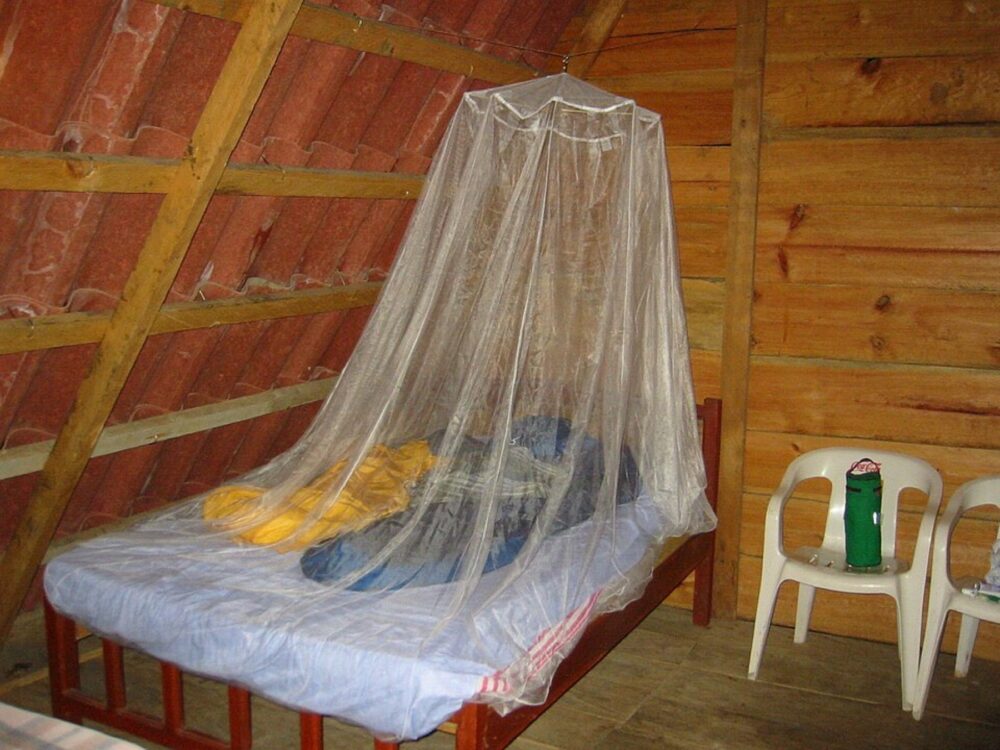
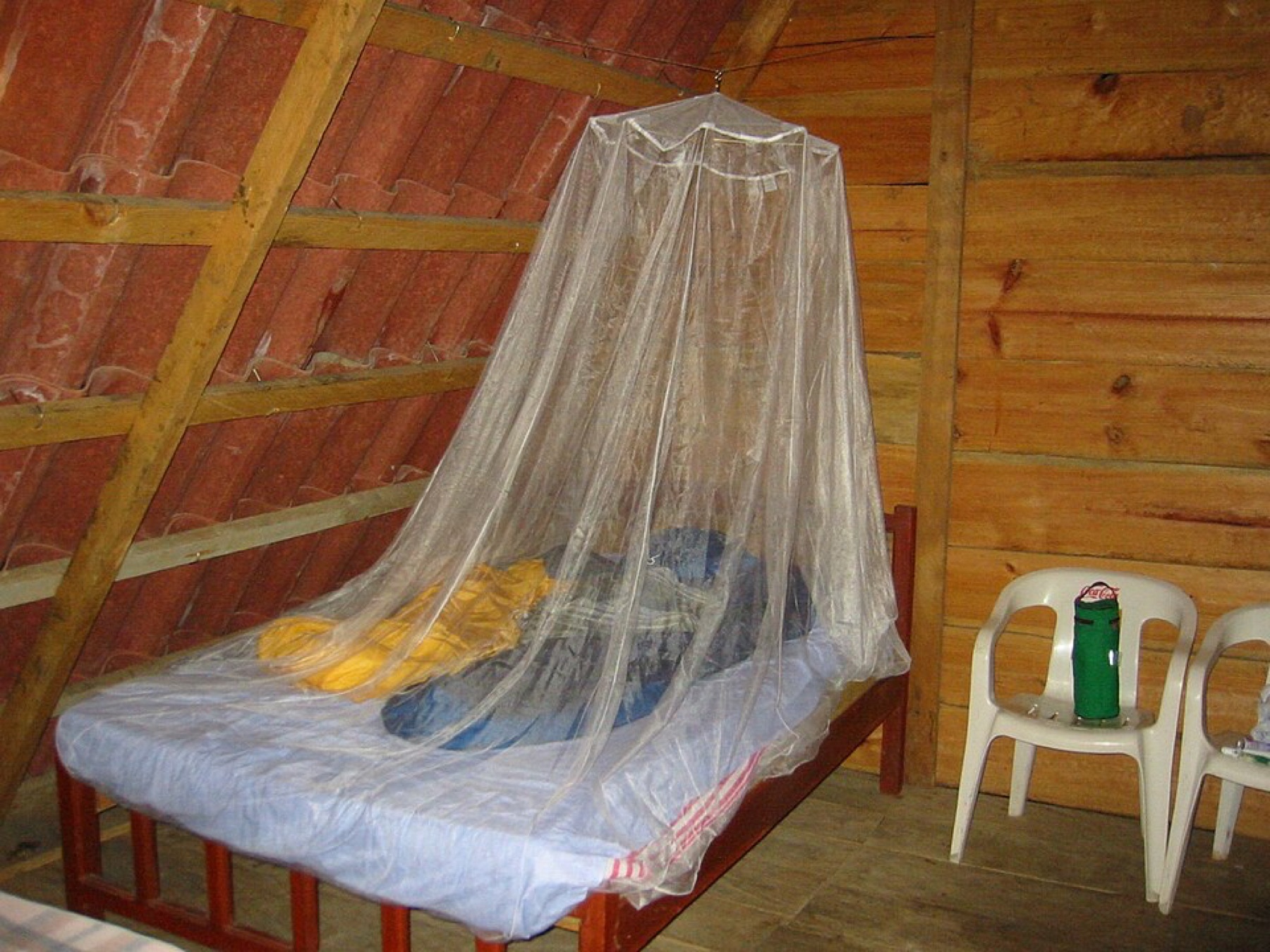
- Bedroom nets and canopies – free-hanging nets over beds or freestanding pop-up tents. These aim for full coverage around sleeping areas and often prioritize softness and aesthetics as well as bug control.
- Magnetic door screens – mesh curtains with magnets that snap closed behind you as you walk through. They’re popular for sliding doors and back doors in US homes.
- Porch and garage mosquito curtains – heavier panels designed to enclose larger openings or entire sides of a porch or pergola. A DHgate HomeGarden guide on mosquito curtains explains how custom curtain systems, DIY porch kits, and simple netting each suit different spaces, from enclosed porches to open garages.
- Simple netting rolls or sheets – plain mesh fabric you cut and mount yourself for ad-hoc projects.
- Gazebo mosquito netting kits – full enclosures with multiple panels sized to match specific gazebo frames, often with zippers at one or more entry points.
For gazebo netting specifically, the mesh usually comes as a set of panels that wrap all the way around the frame. Guides from gazebo-part specialists describe kits sized to match particular gazebo dimensions and attachment styles (hooks on the roof line, rails in the posts, or straps around legs). That means a generic “10×10 net” in a marketplace listing may not match your frame unless the seller clearly maps their net to a frame size and attachment method.
If you’re sourcing for resale, you also need to decide whether you’re targeting:
- Decorative bedroom canopies vs true insect-protection nets.
- Permanent gazebo enclosures vs seasonal, removable nets.
- DIY fabric-only rolls vs complete kits with hardware and instructions.
Being clear here prevents you from mixing decorative pieces with functional mosquito protection in your DHgate search.
Buying factors for mosquito mesh that map to DHgate listings
Mesh performance and fit come down to a handful of specs you can usually see in photos and product descriptions.
Mesh material and density
A DHgate HomeGarden curtain guide and a magnetic net guide both highlight mesh material and mesh type as key to airflow and durability. On DHgate listings, look for:
- Material – commonly polyester or nylon. Polyester is often used in curtains and door screens; nylon can be tougher but stiffer.
- Mesh density – sometimes described as “fine mesh,” “high-density mesh,” or shown in close-up photos. You want holes small enough to block local insects but still allow air through.
- Edge reinforcement – double-stitched hems, webbing strips, or reinforced edges where hooks or magnets attach. Weak edges tear first.
Risky listing pattern: if the only mesh photo is zoomed out and the description doesn’t mention material or density, assume you need a sample or a better listing.
Size mapping and panel layout
For bedroom nets and door screens, DHgate-style listings often map sizes to bed dimensions or door width/height. A separate HomeGarden door-net article, for example, stresses carefully matching mesh size to the door frame rather than generic “fits most doors” language.
For gazebo nets and porch curtains, check:
- Number of panels – e.g., four sides with zippers, or two long strips that wrap around.
- Panel width and height – should line up with your gazebo side lengths and roof-to-floor height.
- Connection points – hooks, Velcro, ties, or rails. See if the listing photos show how panels attach at the top and sides.
Gazebo-part retailers such as Gazebo Parts Direct point out that netting kits are often model-specific or at least dimension-specific. When you’re on DHgate, any listing that doesn’t give full measurements for each panel, or only says “fits most 10×10 gazebos” without more detail, carries a higher fit risk.
Hardware, movement, and durability cues
Match the product type to the hardware you see:
- Magnetic door nets – count magnets in close-up photos, see whether there are full-length strips or spaced magnets. Full-length strips generally close more reliably and are highlighted in DHgate’s magnetic net guide.
- Porch curtains – look for grommets, hooks, or track sliders. Photos that show the curtain gliding on a rail are more informative than staged lifestyle shots.
- Gazebo enclosures – check for zippers at entries and any mid-panel ties to keep mesh from billowing.
In descriptions, durability signals include references to double stitching, UV resistance, or “heavy-duty” fabric. Treat those as editorial claims unless they’re backed by close-up photos of seams and mounting points.
Compact buying-factors checklist
As you scan DHgate listings, keep this mesh-specific checklist in mind:
| Factor | What to look for in DHgate listings | Risk sign |
|---|---|---|
| Mesh material | Polyester/nylon stated; close-up photo of mesh | No material named; only lifestyle photos |
| Mesh density | “Fine” or “high-density” described; clear hole size in images | Vague “breathable” with no close-up |
| Size & panels | Exact width/height per panel; number of panels listed | “Fits most” with no measurements |
| Edge reinforcement | Double-stitched hems, reinforced attachment strip shown in photos | Single stitching, raw edges |
| Hardware & closure | Magnets, zippers, hooks or rails clearly shown | Hardware not visible or not described |
If two or more cells fall into the “risk sign” column, treat that listing as a candidate for samples only, not for a large order.
Step-by-step: finding and vetting mosquito nets and gazebo netting on DHgate
DHgate positions itself as a global marketplace offering variety and competitive pricing, but its own blog advises buyers to lean on search tools, filters, ratings, and samples to source effectively. Here’s how to make that concrete for mosquito nets and gazebo mesh.
1. Start with targeted searches instead of generic terms
Go to DHgate’s homepage and avoid typing just “mosquito net.” Use phrases that match your use case:
- Bedroom – “bedroom mosquito net canopy,” “pop up mosquito tent.”
- Doors – “magnetic mosquito door net,” “magnetic screen door mesh.”
- Porches/garages – “mosquito curtain for porch,” “garage mosquito screen curtain.”
- Gazebos – “gazebo mosquito netting kit,” “10×10 gazebo mosquito net.”
This reduces irrelevant items and gets you into categories where mesh and size details are more consistent.
2. Use filters to narrow by category and price band
DHgate’s sourcing guidance recommends using filters to match products to your criteria. For nets, that usually means:
- Selecting the most relevant category (e.g., Home & Garden, Patio & Garden) so you’re not seeing clothing or decor.
- Setting a price range that matches your quality expectations; ultra-low prices often correlate with thin mesh and weak stitching.
- For business buyers, filtering by minimum order quantity if you plan to stock or resell.
If you’re sourcing for ecommerce, do a quick pass at different price bands to see how photos and material descriptions improve as you spend more.
3. Compare 3-5 listings in detail using the mesh checklist
Open a few promising listings in new tabs and treat them like you would mosquito curtain examples in a buying guide:
- Read the size chart carefully; check if the gazebo net or curtain panels actually match your frame dimensions.
- Zoom into photos to inspect mesh density and edge reinforcement.
- Review the hardware shots; see how the product mounts to real doors, beams, or gazebo frames.
This is where you weed out listings that lean on lifestyle photos but don’t show the engineering.
4. Vet sellers with DHgate-style signals
Across multiple DHgate editorial posts, the platform encourages buyers to evaluate suppliers via:
- Seller ratings and reviews – look for a history of positive feedback on mesh or outdoor products, not just general merchandise.
- Transaction history – a longer track record can give more confidence that the seller isn’t new and untested.
- Buyer photos and detailed comments – these often reveal whether nets fit as described or feel flimsy.
For more general seller-vetting techniques, you can also review guidance like Find trusted sellers on DHgate to layer on marketplace-specific checks.
5. Request samples or place a small test order
DHgate’s wholesale-focused blog content repeatedly suggests ordering samples before committing to large quantities. With mosquito mesh, sampling matters because:
- You can confirm mesh density and feel against local insects and airflow.
- You can verify fit on your actual door or gazebo frame, not just measurements on paper.
- You see how hardware and stitching hold up during installation.
For ecommerce businesses, a sample round also lets you photograph and test the product before listing it in your own store.
6. Decide whether DHgate is right for your gazebo-netting use case
DHgate is useful when you want variety, are flexible on exact frame compatibility, or are exploring OEM-style custom orders. If you need model-specific gazebo netting (for example, to replace the original net on a branded gazebo sold in US big-box stores), niche retailers like Gazebo Parts Direct and similar sites often focus on matching kits to exact gazebo models and dimensions, which can reduce fit risk.
A practical rule of thumb:
- If your gazebo frame is generic and you’re comfortable measuring and possibly modifying mesh, DHgate can be a reasonable sourcing option following the steps above.
- If your frame is branded or has unusual attachment points, you’ll often spend less time and risk by going through a gazebo-part specialist or local store instead of trying to force a generic DHgate net to fit.
For additional DHgate platform context, use What DHgate is and how the marketplace works.
For any DHgate order, especially bulk, it’s worth pausing at your cart and running through an order-readiness check focused on specs and communication. The checklist in Review the DHgate order-readiness checklist can help you confirm that product details, quantities, and expectations are documented before you click “pay.”