
Moon Lamps and Vintage‑Style Lighting: What You’re Actually Shopping For
On DHgate, “moon lamp” usually means a decorative globe or 3D-printed sphere that resembles the moon, often battery or USB powered and aimed at home décor or gifts. These are typically small table lamps or night lights, not high-output room lights. US buyers and small resellers use them as ambiance pieces, gift items, or bundle-in accessories.
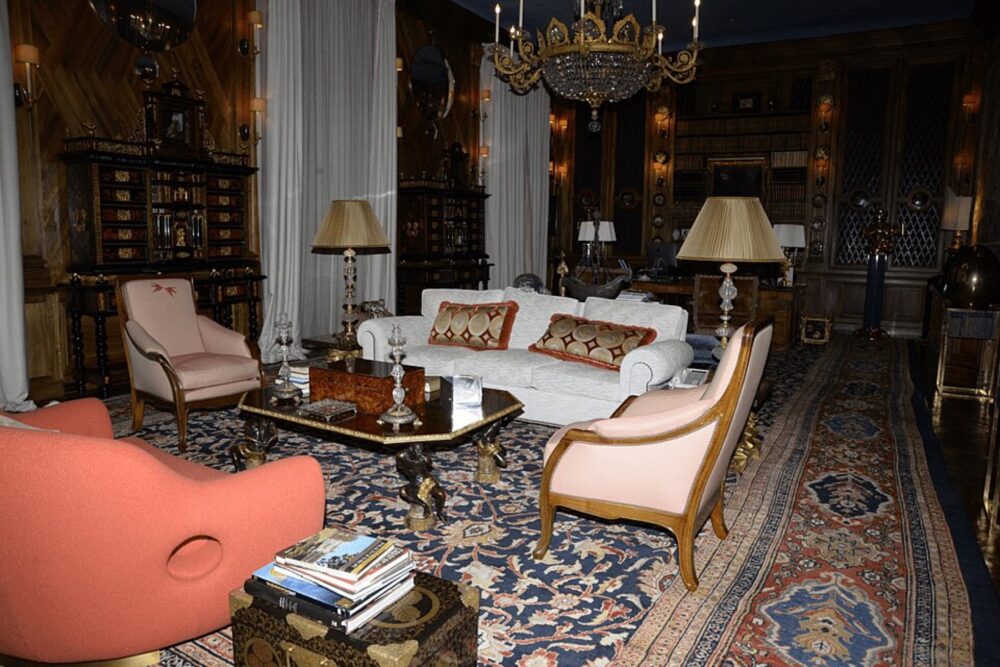
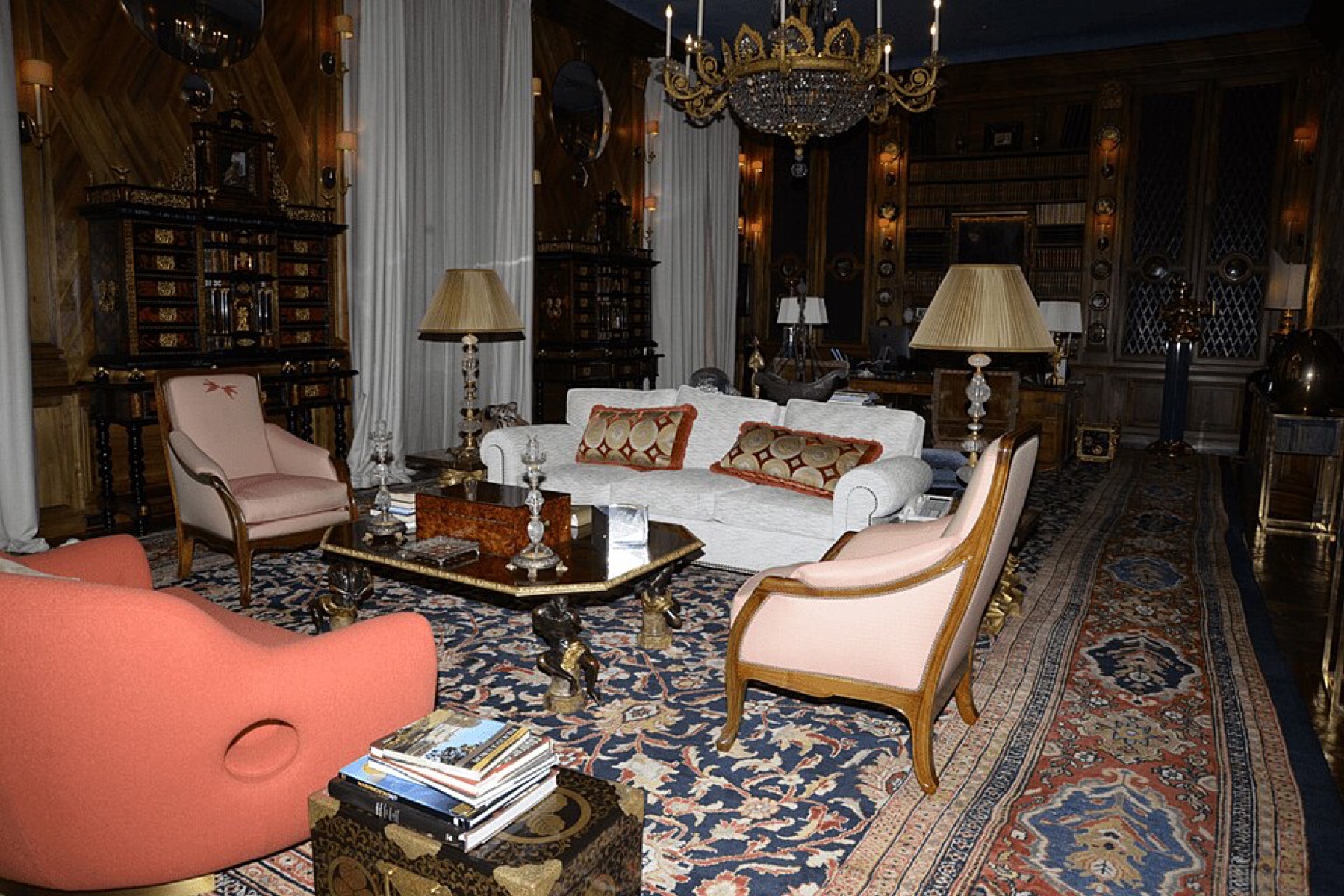
“Vintage lighting” on DHgate almost always means vintage-style, not museum-grade antiques. You’ll see pendant lights with aged brass finishes, Edison-style filament bulbs, retro glass shades, and industrial or farmhouse designs rather than actual 1920s fixtures. DHgate’s own editorial content highlights a wide range of vintage pendant and hanging lamps in different materials aimed at home décor buyers, and ceiling fixtures pitched as suitable for shops and commercial spaces, reinforcing that you’re shopping new production with vintage aesthetics rather than collectibles.
For cross-border sourcing, that distinction matters:
- Good fit for DHgate: modern moon lamps, retro pendants, industrial cage lights, faux‑antique chandeliers, shop ceiling lights with a vintage look.
- Poor fit: genuine antique fixtures, historically accurate restoration parts, or pieces where UL/ETL certification and traceable provenance are non‑negotiable.
Step‑by‑Step: Finding and Narrowing Lamp Listings on DHgate
1. Start with focused keywords in the main search bar
From the DHgate homepage, use the top search bar. Broad terms like “lamp” are useless; for this category you want:
- Moon lamps: `moon lamp`, `3D moon light`, `moon night light`, `galaxy moon lamp`.
- Vintage-style pendants: `vintage pendant light`, `industrial pendant lamp`, `retro hanging lamp`, `Edison bulb pendant`.
- Ceiling and wall fixtures: `vintage ceiling light`, `retro ceiling lamp`, `industrial wall sconce`, `farmhouse chandelier`.
Run each search separately. Treat this like building a sourcing shortlist, not finding one “perfect” listing.
2. Use category and style filters to cut noise
After a search, narrow results using DHgate’s filters where available:
- Category: stick to `Lighting`, `Ceiling Lights`, `Pendant Lights`, or similar. Avoid results in unrelated categories where “moon” or “vintage” appears in a T‑shirt print.
- Material / finish (where offered): if you want a vintage brass look, filter by metal finishes or glass shades if those options appear.
- Power type: for moon lamps, decide if you want USB, battery, or mains-powered and use power filters or keyword tweaks (`USB moon lamp`, `battery moon lamp`).
DHgate’s blog on ceiling lights for shops suggests first “perusing the DHgate website” by category, then comparing products. That same mindset works here: browse the lamp categories attached to your search results and ignore edge-case listings.
3. Read the product listing like a spec sheet
Most DHgate listings include at least basic specifications, multiple images, prices, and seller ratings with buyer reviews. Not every seller fills everything out, so treat missing details as a red flag.
For moon lamps, focus on:
- Size: diameter in inches/cm. Tiny night lights may look large in photos; check the actual measurement.
- Material: ABS plastic, PLA, glass, or mixed. 3D-printed surfaces can look more or less “cratered.”
- Light source: built‑in LED vs swappable bulb, color options (warm white, RGB, color‑changing).
- Power and controls: USB cable, rechargeable battery, button vs touch vs remote.
For vintage-style pendants/fixtures, look for:
- Fixture type: pendant, flush mount, semi‑flush, sconce, chandelier.
- Dimensions: total height and width, cord length, canopy size. For shops, cross‑check against your ceiling height.
- Bulb type: E26/E27 screw base vs integrated LED; whether “Edison” bulbs are included or not.
- Finish: “antique brass,” “black iron,” “bronze,” etc. Compare the descriptive text to close‑up photos.
DHgate’s general shopping guide encourages buyers to pay close attention to these listing details and images to ensure the product meets their requirements. For lighting, missing or vague specs usually mean “do not bulk order yet.”
4. Use ratings and reviews to weed out weak options
Listings often show:
- Overall seller rating (e.g., a score or star metric).
- Number of transactions or feedback count.
- Text reviews and sometimes user photos.
Instead of just looking at the average score:
- Prioritize sellers with many completed orders for lighting, not just a single sale.
- Read low‑star reviews first to spot patterns like dim light output, flimsy materials, or inaccurate colors.
- For resellers, pay extra attention to comments about packaging and consistency between units.
DHgate’s editorial guides repeatedly highlight seller ratings and review feedback as core signals for reliability. For lamps, treat them as signals about both quality and real-world brightness and finish—two things product photos often glamorize.
5. Build a shortlist and compare similar listings side‑by‑side
Once you’ve clicked through, create a small shortlist of 3-6 candidates for each type (moon lamp, vintage pendant, ceiling light). Then compare them explicitly.
Here’s a simple comparison structure you can recreate in a spreadsheet or notes:
| Lamp type | Key spec to compare | What to look for on DHgate listing |
|---|---|---|
| Moon lamp | Diameter + power | Clear size in inches/cm, USB vs battery, LED details |
| Vintage pendant | Cord length + bulb type | Adjustable cord, E26/E27 base, max wattage |
| Ceiling light (shop) | Fixture width + mounting | Mount style (flush/semi‑flush), width vs room size |
| Sconce | Projection depth | How far it sticks off the wall; check side-view photo |
| Chandelier | Weight (if listed) | Whether ceiling can support it; number of arms/bulbs |
This table-style comparison is more work up front, but it’s how you avoid buying 50 pendants that turn out to be half the expected size.
Evaluating Sellers, Samples, and When to Choose Another Channel
Finding listings is one thing; deciding who to buy from, and whether DHgate is the right channel for your lamp use case, is the critical next step.
Vetting moon-lamp and vintage-lighting sellers
For decorative lighting, you’re not just checking “is this seller legit”—you’re checking whether they can consistently deliver safe, believable vintage-style fixtures.
Use these targeted checks:
- Seller track record: prefer vendors with substantial lighting sales volume and solid ratings, not newcomers with a single lamp listing.
- Product photos beyond the glamour shots: ask the seller for additional photos or short videos that show wiring, underside of the canopy, back of the sconce, or the lamp lit in a normal room.
- Certifications and basics: DHgate blog advice on specialty light shades recommends verifying that suppliers have business licenses and relevant product quality/safety certifications. For US use, ask directly about any compliance testing, voltage compatibility, and whether fixtures are intended for 110-120V.
- Clarify specs in writing: message the seller through DHgate with a short bullet list of questions (exact dimensions, materials, bulb base type, voltage). Keep that thread—it’s useful if anything doesn’t match.
For broader platform context on vetting vendors, see Find trusted sellers on DHgate, which lays out marketplace-level checks you can combine with lamp-specific questions.
Why samples matter for small ecommerce buyers
DHgate’s own sourcing content for boutiques and decorative light shades encourages requesting samples before bulk orders. That advice translates directly to moon lamps and vintage-style fixtures:
- Order 1-2 units of each serious candidate, ideally different styles, and test them in person.
- Check build quality (weight, hardware, screws), finish realism (does “antique brass” look cheap), and light performance (brightness, color, flicker).
- For moon lamps, try the controls, recharge cycle, and packaging. Decide whether they feel “giftable” at your target price.
If the seller refuses samples or can’t answer basic wiring/material questions, treat that as a signal that they may not be reliable enough for inventory.
You can also use DHgate’s general marketplace guidance about sourcing products—use filters, evaluate suppliers via ratings and transaction history, and request samples—to structure your workflow. For a larger DHgate overview, What DHgate is and how the marketplace works explains the platform mechanics you’re relying on.
When DHgate is a good route—and when to walk away
DHgate is typically a good fit if:
- You want modern decorative moon lamps or vintage-look fixtures and can live with some variation between batches.
- You’re comfortable doing your own safety and quality checks and potentially reworking or re‑wiring fixtures locally.
- Your business model can absorb occasional duds discovered at the sample stage.
You should probably pivot to other channels if:
- You need genuine antique or historically documented fixtures for restoration or high-end interiors.
- You don’t have the time or budget to sample and test before buying in volume.
In those cases, specialist vintage marketplaces, architectural salvage dealers, or local lighting showrooms will give you clearer provenance and tested compliance, even at higher unit cost.
For any DHgate purchase, especially multi-unit lighting orders, it’s smart to pause and run through an order checklist—confirming quantities, variants, and agreed specs—before checkout. The DHgate order-readiness checklist is a helpful general guide you can adapt to your moon-lamp and vintage-lighting orders.