
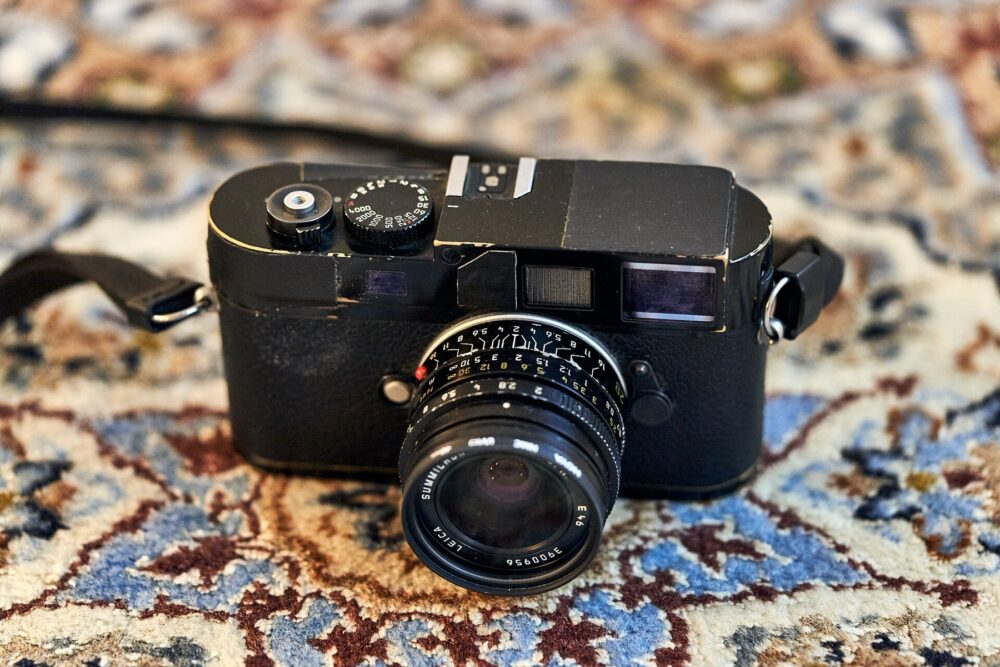
Leica Camera Flashes and What You’re Really Shopping For
Leica sells its own compact flashes, but many Leica shooters use external, third‑party units that follow common hot‑shoe and trigger standards for street and low‑light work. You’re not locked into Leica‑branded strobes as long as the flash physically fits the hot shoe and its triggering behavior matches your camera’s capabilities. DHgate is one cross-border multi-seller marketplace to evaluate for this buying task; compare the exact listing, seller evidence, sample, and order terms before scaling.
In marketplace terms, that means you’re looking for:
- Small hot‑shoe flashes for on‑camera use
- Possibly a bit more power for night street photography or events
- Basic compatibility with standard hot‑shoe contacts and safe trigger behavior
DHgate is a large cross‑border marketplace, but you should assume most listings that mention Leica are generic flashes or accessories that claim compatibility, not officially distributed Leica products. Your job is to translate your camera’s needs (hot‑shoe, manual vs TTL, size, power) into search terms and listing filters.
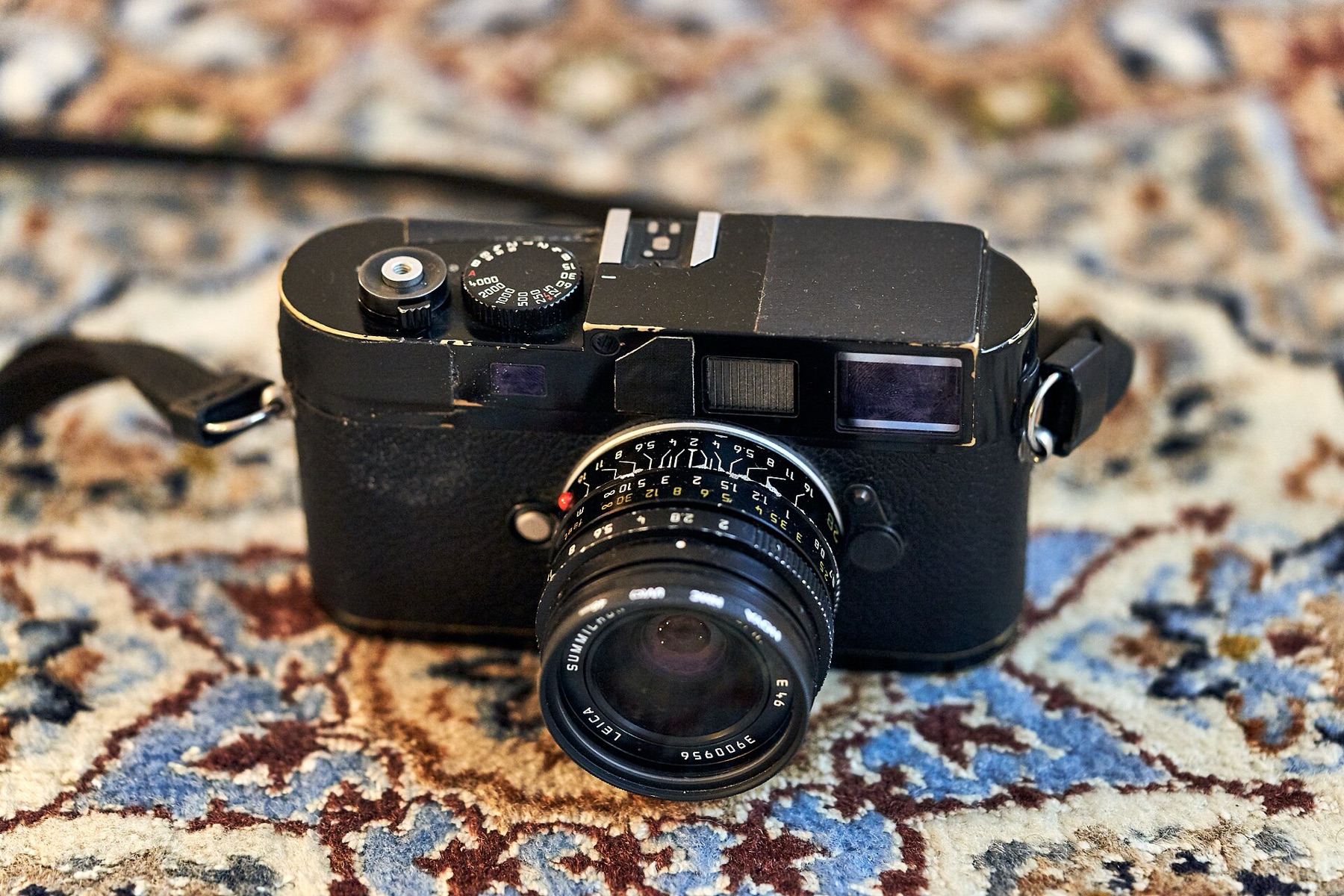
Using DHgate to Search for Leica-Compatible Flashes
Use DHgate’s search bar and filters deliberately. Don’t just type “Leica flash” and hope for the best.
1. Start with broad, compatibility-focused search terms
On DHgate’s homepage, put in terms that describe the product, not just the brand:
- “camera flash hot shoe”
- “TTL camera flash” (if your Leica supports TTL)
- “manual speedlight” (if you prefer or require manual control)
- “compact camera flash” or “mini speedlight” (for smaller Leica bodies)
You can add “Leica” to the query (for example, “camera flash hot shoe Leica”), but treat that as a way to surface listings whose titles mention Leica rather than a guarantee of true testing on Leica gear.
2. Use categories and filters to narrow what you see
Once you run a search, move into camera accessories categories and then:
- Filter by type: look for speedlights / hot‑shoe flashes rather than studio strobes.
- Filter by power source: AA battery or lithium‑ion, whichever matches your needs.
- Filter by features: zoom head, swivel/tilt, built‑in optical slave, etc., if listed.
DHgate’s marketplace for digital camera accessories includes portable lighting, and its filters can help you get from a huge accessories list down to realistic flash candidates.
3. Read each listing like a spec sheet
Every DHgate product listing typically shows specifications, images, prices, and seller ratings. For Leica compatibility, focus on:
- Hot shoe description – Does it say “universal hot shoe,” “standard hot shoe,” or list specific camera systems? A standard hot‑shoe manual flash is more likely to work cross‑brand than a proprietary TTL‑only unit.
- Trigger and control – Look for mentions of “manual mode,” “multi mode,” “optical slave,” or generic TTL. If your Leica body doesn’t support the seller’s TTL protocol, you’ll at least want clear manual power control.
- Voltage and safety – Some photographers use older flashes on Leica, but high trigger voltages can be risky. For generic marketplace flashes, stick to models marketed for modern digital cameras rather than vintage units whose specs aren’t documented.
- Form factor and weight – Rangefinder and compact Leica bodies pair best with flashes that don’t overwhelm the camera.
If a listing never references the hot shoe or trigger behavior at all, treat that as a red flag and move on.
4. Compare prices, discounts, and user photos
DHgate encourages buyers to compare prices across multiple sellers, look for discounts, and read user reviews. For Leica‑compatible flashes, those steps are particularly useful:
- Scan for buyer-uploaded photos to see the actual flash, not just the stock image.
- Check reviews for comments on build quality, recycle time, and whether anyone mentions using the flash on a high‑end camera body.
- Compare similar flashes from different sellers to see if one listing looks like a more honest, detailed copy of the same generic product.
Here’s a simple way to structure your comparison:
| Listing detail | What you want to see for Leica use |
|---|---|
| Hot shoe description | “Standard” or “universal” hot shoe, not brand‑locked only |
| Control modes | Clear manual power levels; TTL only is a risk |
| Photos & reviews | Real‑world shots, mention of digital camera usage |
| Specs section | Power, recycle time, and basic safety notes spelled out |
| Seller rating | A history of camera/accessory sales, not random gadgets |
Evaluating DHgate Listings vs Alternative Channels
Once you’ve narrowed down a few DHgate flash listings that look compatible on paper, you still need to decide whether to actually buy there or switch to a more controlled channel.
Reading seller signals and deciding on samples
Guidance from DHgate’s own ecommerce sourcing content emphasizes evaluating suppliers by ratings, reviews, and transaction history, and ordering samples before larger cross‑border orders. Applied to Leica‑compatible flashes:
- Seller focus – Prefer sellers whose storefronts show a track record in cameras and accessories, not just general gadgets.
- Ratings and review patterns – Look for consistent mid‑to‑high scores and detailed reviews on camera gear, not just short “good” comments.
- Transaction history – A seller with many completed orders for camera accessories is less of a gamble than an unproven shop.
- Sample strategy for small businesses – If you’re buying for a store, treat the first unit as a sample. Test it on your Leica body for fit, firing, and usability before placing a larger order.
For more general help evaluating DHgate sellers, you can follow the step‑by‑step advice in Find trusted sellers on DHgate.
When DHgate is a reasonable fit
DHgate can be useful if:
- You mainly need basic manual flash capability on a Leica body and can tolerate some trial and error.
- You want to test low‑cost third‑party accessories for a small store, using single‑unit orders as quality samples.
- You’re comfortable manually verifying compatibility and accepting that warranty and support will be seller‑specific rather than Leica‑backed.
In these scenarios, DHgate’s broad accessory catalog and ability to source from different manufacturers can help you experiment and find workable, budget‑friendly flashes.
When you’re better off with Leica or specialist retailers
There are clear situations where DHgate is not the best sourcing route:
- You require reliable TTL integration with specific Leica bodies for professional work.
- You need known‑good, documented trigger behavior and voltage tolerances with Leica’s systems.
- You care about brand warranties, service, and formal support for a high‑stakes project.
For those needs, you should lean toward:
- Official Leica dealers and Leica’s own compact flash lineup
- Well‑known photographic retailers in the US that clearly state Leica compatibility and offer returns and support
- Established used‑gear platforms with strong grading standards for branded flashes
DHgate can still be a secondary channel for experimental or backup lighting, but it should not be your only source for mission‑critical Leica flash gear.
If you’re new to DHgate itself and want a broader sense of how the marketplace works before diving into flash accessories, see What DHgate is and how the marketplace works and then run through the DHgate order‑readiness checklist before you confirm any cross‑border purchase.