
You can use DHgate to explore bulk tabletop miniatures, but you should treat it as a testing ground, not your primary army source. The platform connects you to many overseas sellers, and its search tools and filters can help you narrow options, but quality and fit for gaming vary. The safest approach is to use tight miniature-specific search terms, vet listings and sellers carefully, order small samples first, and keep hobby-focused marketplaces in play if DHgate doesn’t produce what you need.
What “Hordes” of Tabletop Miniatures Usually Mean for Buyers
For most tabletop gamers, a “horde” means dozens or hundreds of figures that form units, mobs, or entire armies. Think swarms of undead, rank-and-file soldiers for a war game, or piles of generic fantasy monsters you can drop into any RPG encounter. You’re not chasing a single named character here; you want volume with consistent scale and pose variety.
A US hobbyist might look for hordes to:
- Run large battles in skirmish or mass‑combat systems.
- Fill out generic enemies without paying boutique prices for every figure.
- Build terrain-heavy tables with lots of NPCs, civilians, or creatures.
For small ecommerce sellers, “hordes” usually mean repeatable, unbranded lines they can offer as army packs or bundle into starter sets. That makes consistency of sculpt, scale, and material more important than individual figure flavor.
Search and Vet Workflow for Miniature Hordes on DHgate
Because no specific miniature listings were verified in current research, you’ll need to run your own searches and checks. Here’s a practical workflow that borrows DHgate’s own sourcing guidance and adapts it to army‑scale miniature buying.
1. Use hobby-specific search terms
Start with the DHgate search bar and think like a rules writer, not a casual shopper. Examples of phrases to test:
- “tabletop miniatures bulk”
- “board game miniatures set”
- “fantasy miniatures unpainted”
- “28mm miniatures” or “32mm miniatures” (if your system has a standard scale)
- “plastic army figures” or “wargame soldiers”
Run each phrase and see whether results look like gaming miniatures or off‑scale toys. Where you do see something relevant, note the exact phrases the seller uses in their title and description; reuse those in new searches.
If you also buy stand-alone board-game pieces, it can help to skim DHgateWiki’s context in Using DHgate to source board & GM-style games, then bring that general component-sourcing mindset back to miniatures.
2. Apply filters to cut noise
DHgate’s sourcing guidance recommends using filters and search tools to narrow results to products that match your criteria.
In practice that can mean:
- Limiting price ranges so you’re only seeing bulk‑friendly listings.
- Looking for options that ship from your region or from closer warehouses when available.
- Sorting by seller rating or popularity to surface listings with more data.
You won’t get miniature‑specific filters, so use general ones to avoid “one‑off” decorative items and focus on listings that are clearly sold in bundles, sets, or lots.
3. Read listings like a game rulebook
DHgate’s shopping guide notes that listings typically include specifications, images, prices, and seller ratings.Source For miniatures, treat those details as your only preview before you order:
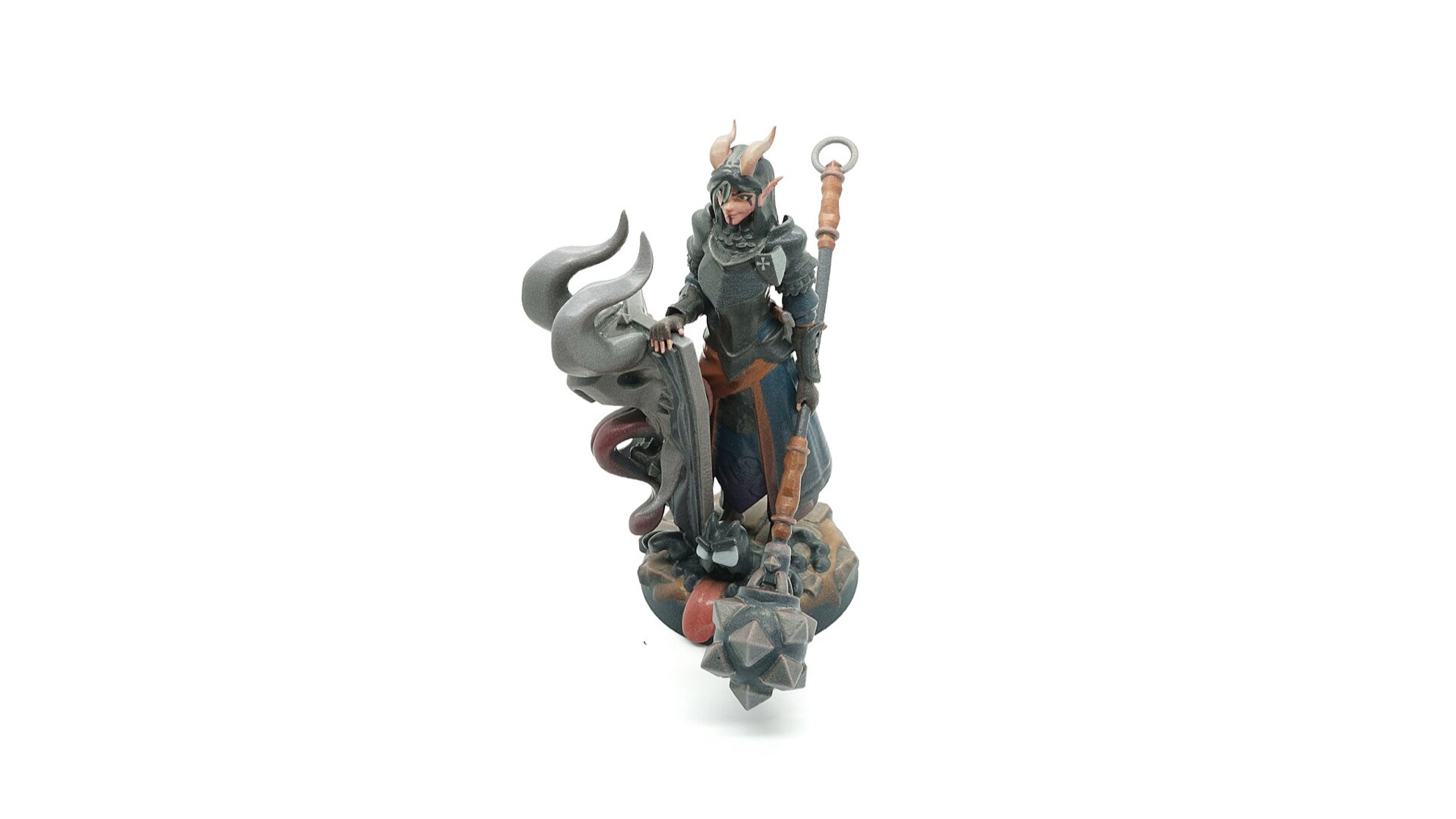
- Images: Zoom in. Do figures look like true tabletop scale or more like party favors? Do bases, weapons, and faces have enough detail for priming and painting?
- Dimensions: Look for height in millimeters or inches. Compare to your existing minis so you don’t end up with off‑scale pieces.
- Material: Terms like plastic, resin, or metal matter. Resin and hard plastics often paint better; thin, flexible plastics may feel more like toys.
- Pack size: Is the price per figure, per set, or per mixed bundle? Multiply out roughly to see your approximate cost per piece.
- Seller ratings and reviews: Scan ratings and written feedback for comments about actual product scale, material feel, and whether it matched photos.
Never assume the main photo shows exactly what you’ll get; check every image and match it against the written specs.
4. Vet sellers with miniature-specific questions
DHgate’s blog explains that sellers differ in minimum order quantities, pricing, and reliability, and that buyers should choose those who fit their needs.Source For miniature hordes, message sellers before ordering and ask targeted questions:
- Can they confirm the exact figure height in millimeters?
- Are the minis solid or hollow? One‑piece or multipart?
- Are all units in the pack the same sculpt, or mixed poses?
- Are these intended as game pieces or general toys/decor?
Combine their answers with ratings and review history. You can also bring in general DHgate seller‑vetting tips from guides like Using DHgate to source inventory for resale, but keep your questions focused on scale, material, and consistency.
5. Order sample quantities before you buy a “horde”
Wholesale-focused DHgate guidance recommends researching sellers, ordering small test quantities, and using filters to find suitable suppliers.Source Even if a listing allows large bulk orders, start with the smallest pack you can:
- Physically compare samples to your existing armies.
- Prime and paint a few figures to see how they hold detail.
- Stress‑test: drop or bend one to check durability.
If a seller insists on very high minimum quantities and won’t accommodate smaller test orders, that’s a strong sign to move on, especially for hobby use.
6. Mini-case: hobbyist vs micro‑reseller workflow
Here’s how the same workflow diverges for two typical readers.
| Buyer type | Priority for hordes of minis | How to use DHgate in practice |
|---|---|---|
| One-off hobbyist | Table-ready, paintable armies; limited budget | Use DHgate to test 1-2 sample packs from a few sellers, then either commit or go back to hobby shops if quality isn’t there. |
| Small reseller | Consistent, repeatable supply at viable unit cost | Use DHgate to find one or two reliable unbranded lines via samples, then reorder modest bulk while keeping other channels open. |
| Club organizer | Lots of generic pieces to support shared campaigns | Use DHgate to experiment with bulk unbranded minis for loaner armies, but avoid overcommitting until members confirm they’re happy with the quality. |
Neither should jump straight into large bulk orders; samples are your way to turn anonymous listings into known quantities.
7. Quick red‑flag checklist for miniature listings
Use this tight checklist to decide whether to skip a listing:
- Photos look like random party favors or cake toppers, not true gaming minis.
- No scale or dimension info anywhere in the listing.
- Description is generic and copy‑pasted, with no mention of material.
- Reviews mention “smaller than expected” or “looks cheap” and include photos that don’t match the main images.
- Seller will not answer basic questions about size or material.
If two or more of these hit, treat the listing as a poor candidate for tabletop hordes.
8. Compact channel comparison for miniature hordes
| Channel type | Typical strengths for hordes | Typical limitations for hordes |
|---|---|---|
| DHgate-style cross-border marketplace | Wide variety of unbranded bulk figurines; seller filters, ratings, and reviews help you narrow options; you can request samples and negotiate basics directly with sellers.Source | Quality and scale can vary; listings may lack detailed hobby specs; you must invest time in vetting sellers and testing small orders. |
| Specialist miniature retailers | Curated lines designed for tabletop use; clear scale information and game-system compatibility; easier to match expansions and restocks. | Higher per-figure prices; less focus on very large, generic hordes unless tied to a specific ruleset. |
| Creator and STL marketplaces | Unique sculpts and styles; fine control if you or a local shop can print; strong fit for niche themes. | Requires 3D printing access and skills; physical bulk production still needs a separate partner. |
This comparison mirrors the idea from DHgate vs other channels for board games and GM gear that DHgate works best as a supplemental channel for gaming items, not the sole source for highly specialized pieces.
When DHgate Isn’t the Right Source for Your Miniatures
DHgate often works best as a supplemental channel for game pieces, not the backbone of a serious miniature collection. DHgateWiki’s board‑game sourcing context treats the marketplace as useful for generic components but limited for specialized gaming products, and that applies twice over to minis.Source
You should stop pushing DHgate for your horde project and pivot elsewhere if:
- Searches only surface toys, novelty figurines, or wildly off‑scale pieces.
- You need official, IP‑specific models (for example, exact sculpts tied to a branded game system).
- Your ruleset demands very tight scale compatibility and pose design that generic listings can’t document.
- Your business model relies on consistent restocks with packaging and branding that DHgate’s unbranded bulk doesn’t provide.
When that happens, move to specialist miniature retailers, dedicated wargaming shops, or creator marketplaces like those selling STL files and boutique sculpts. DHgate then becomes an experimental source for generic filler pieces—villagers, monsters, abstract tokens—rather than the place you build your flagship army.
For additional DHgate platform context, use Find trusted sellers on DHgate.
If you decide DHgate still might be useful beyond miniatures, you can read more general platform context in What DHgate is and how the marketplace works and use the DHgate order-readiness checklist before committing larger spend. For hordes of minis, though, keep your expectations modest, lean heavily on samples, and be ready to walk away if the search results never line up with the tabletop experience you’re aiming for.