
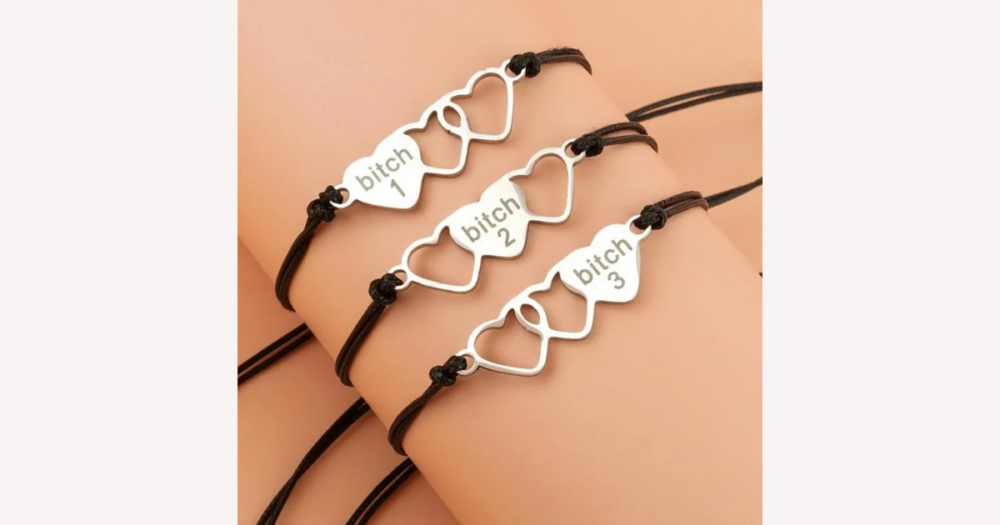
Finding high-quality friendship charm bracelets on DHgate isn’t about knowing one perfect shop—it’s about using search tools and listing details to spot well-made, trustworthy pieces. By combining focused keywords with a quick check of materials, construction, and seller feedback, you can pick bracelets that look and feel better than their price, even without direct recommendations or shopping links.
Use DHgate search and filters instead of looking for specific stores
There isn’t a single official “best shop” for friendship charm bracelets on DHgate, and DHgateWiki doesn’t list individual sellers. Instead, you’ll buy directly through the DHgate marketplace, with results depending on how you search and which listings you decide to trust. Treat “where to buy” as “how to search and evaluate offers”: the goal is to find bracelets with clear material details, honest photos, and solid seller history, not to chase one magic store name.
Start by using specific search phrases such as “friendship charm bracelet,” “best friend charm bracelet,” or “couple bracelet,” and combine them with material terms like “sterling silver,” “stainless steel,” or “braided cord.” On DHgate and similar marketplaces, these keywords help surface the right category and filter out unrelated items. You can then refine further with filters for price range, color, or metal tone if those options are available.
Rather than stopping when you see the first attractive bracelet or the lowest price, plan to open several promising listings in new tabs. Compare them on concrete criteria: what metals or cords are named, how the bracelet is constructed, whether the style fits how you and your friend will wear it, and how long the seller has been active and rated. This approach is more reliable than buying whatever appears in a social media post or sorting by the absolute cheapest price, because clearly described, well-presented items with traceable seller feedback are more likely to feel better than their cost.
As you browse, keep in mind that quality comes down to materials, construction, and seller signals. The next sections will walk through what to look for in metal types, cords, clasps, charm attachments, and listing details so that when you open a DHgate bracelet listing, you can quickly tell whether it looks genuinely high quality or better to skip.
Know what “high-quality” friendship charm bracelets are made of
Once you’re looking at specific DHgate listings, the materials and construction details tell you far more about quality than the main photo. Vague labels like “metal” or “alloy” usually offer less confidence than specific materials such as 925 sterling silver, stainless steel, or clearly described brass with plating. When a bracelet mentions sterling silver with a 925 marking or names stainless steel outright, you have a clearer sense of how it should look and wear over time than with a generic alloy description.
Plating and finishes also matter. Terms like “gold plated,” “rose gold plated,” “rhodium plated,” or “PVD coated” describe how the surface color is applied. Better listings explain the type of plating and sometimes its thickness, which typically means the color stays more stable with everyday wear. You don’t need a guaranteed lifespan, but bracelets with defined plating and a clean, even finish in close-up photos usually feel higher quality than pieces where the coating looks patchy or is never mentioned at all.
For cord-based friendship bracelets, pay attention to the band material and how it’s finished. Common options include waxed cord, nylon, leather, and braided threads. Tight, even braiding, consistent color, and ends that are heat-sealed, knotted neatly, or capped with hardware all signal better build quality. Cords that already look fuzzy, uneven, or frayed in the photos are unlikely to improve once you start wearing them.
Closures are another practical quality test. Lobster clasps and spring rings are familiar jewelry hardware; when they look solid, open and close smoothly, and are attached with proper links, they give the bracelet a secure, finished feel. Adjustable knot closures can work well on cord bracelets if the knots look firm and slide without slipping loose. Magnetic clasps can be convenient but should appear robust, not tiny or loosely fitted, or they may separate too easily during daily wear.
Charm attachment is critical for friendship bracelets, because losing a charm undermines the whole piece. Listings that show soldered jump rings, sturdy split rings, or well-finished holes in the charms are better bets than ones using very thin rings that look bent or open in the photos. Solid attachment makes it less likely that charms will twist off or fall away when the bracelet catches on clothing or bags.
High-quality listings also tend to share size and fit information: bracelet length, any extension chain length, and sometimes approximate weight. These measurable specs help you judge whether the bracelet will sit comfortably on your wrist and feel substantial rather than flimsy. When sellers take the time to provide clear measurements, it often reflects more attention to the product itself and to setting realistic expectations.
Personally, I would choose a friendship charm bracelet that names its metal or cord material, shows finished hardware and secure charm attachments, and includes basic measurements over a cheaper piece with vague labels and no specs—especially if it’s a meaningful gift. The only time I’d accept those gaps is for a very low-stakes novelty bracelet where it wouldn’t matter much if the finish fades or the cord wears out quickly.
Match bracelet style and symbolism to your friendship
Style is what turns a technically good bracelet into something that actually feels like your friendship. Decide first whether you want a true matching set—two identical bracelets—or complementary designs, like two halves of a heart, sun and moon, or puzzle pieces that fit together. DHgate often lists pairs or sets, so check the description carefully to see whether the price covers one bracelet, a pair, or a multi-piece set, and make sure the inclusions match what you and your friend expect.
Charm themes are where you can add meaning. Common motifs include hearts, initials, birthstones, animals, and travel symbols; you might choose hearts for a long-time best friend, initials for a subtle everyday piece, or a plane or city skyline tied to a trip you took together. I’d look for at least one charm that clearly connects to a shared memory or trait, because that detail tends to matter more in the long run than how many different charms the bracelet fits.
Customization can make the bracelet feel more personal, but it usually comes with extra steps. On DHgate, engraving, custom initials, or selectable charms are usually mentioned in the description and shown as variation menus or notes about adding your text at checkout. Check whether personalization changes the price, adds processing time, or limits returns, and only choose it if the listing explains how to submit the details clearly enough that you’re confident the seller will get them right.
Think about how you and your friend actually like to dress. If you both wear jewelry daily, a subtle, minimalist bracelet with a small charm or clean bar may blend into everyday outfits more easily. If you mostly dress simply and only wear special pieces for events, a chunkier chain with larger charms might make sense as an occasional statement. Use listing photos to judge how thick the bracelet looks, how big the charms are, and whether the overall design feels delicate or bold on a wrist.
Layering also matters if the bracelet will sit next to a watch or other bangles. Narrow bands and smaller charms usually layer more smoothly, while very wide chains or oversized charms can crowd the wrist. Pay attention to metal tone and colors in the photos—if the recipient already wears mostly silver or cool-toned pieces, choosing a bracelet in similar tones or neutral shades will make it easier to wear with their existing jewelry instead of competing with it.
Personally, I’d rather choose a slightly simpler bracelet with one or two meaningful charms, a comfortable width, and a metal tone that matches what we already wear than a very ornate design topped with many charms that only works with specific outfits. A versatile piece is more likely to become a regular part of both friends’ daily style, which usually feels more special than something beautiful but too fussy to reach for often.
Follow a simple sequence when browsing DHgate listings
- Start your search with focused phrases that match your intent, such as “friendship charm bracelet pair,” “best friends charm bracelet,” or “custom name charm bracelet.” If you already know you prefer certain materials, combine those terms—like “friendship charm bracelet sterling silver” or “stainless steel charm bracelet”—so the results are closer to what you actually want.
- Use basic filters where they’re available to cut down noise. Set a price range that fits your budget, avoiding the very lowest end if you care about quality, and apply any material or customer-rating filters you can. This helps remove clearly unsuitable listings before you spend time inspecting them one by one.
- From the results page, open several promising listings in new tabs instead of stopping at the first option. Prioritize thumbnails that look clear and consistent with realistic lighting, and skip results where the images appear heavily edited or the price is dramatically lower than similar items; those extremes often don’t align with the kind of bracelet you’d want as a meaningful gift.
- Inside each listing, inspect the photos closely. Look for multiple angles, close-ups of the charms and clasps, and at least one image showing the bracelet on a wrist or hand so you can judge scale. I’d trust photos that keep the bracelet looking the same from shot to shot more than ones with strong filters or different-looking pieces in each image.
- Read the specifications and description carefully before you get attached to a design. Confirm the materials, bracelet length, any extension chain, and whether customization—like names or initials—is available. Pay attention to what’s included: are you buying a single bracelet, a pair, or a set, and how many charms come with it by default? Clear, specific descriptions usually signal a seller who has put more care into both the product and expectations.
- Only after quality and style boxes are checked, compare prices between your remaining candidates. At that point, you’re weighing reasonably similar options, and it can make sense to pay a little more for the listing that has clearer material details, better photos, and more transparent specs, rather than chasing the cheapest bracelet and hoping the quality works out.
Run basic safety checks before you place your order
- Check seller ratings, order volume, and how long the seller has been active. For a meaningful gift, lean toward sellers with a steady history of high ratings and many completed orders rather than brand‑new or barely reviewed accounts.
- Read buyer reviews and look at user photos. Prioritize comments that mention real details—materials, how the bracelet feels on the wrist, charm sharpness or engraving quality—and whether the item actually matched the listing photos and description.
- Make sure you pay through DHgate’s official checkout flow, not by sending money directly to the seller. Using the platform’s payment system usually keeps you within DHgate’s buyer protection framework if something goes wrong.
- Review the estimated delivery window, shipping method, and whether tracking is included. Be cautious of delivery promises that seem unrealistically fast for international shipping, especially if the listing doesn’t clearly state the carrier or tracking options.
- Before ordering, note that DHgate provides dispute and refund tools for items that arrive damaged or very different from their descriptions. Keep screenshots or copies of the listing and order details, and check DHgate’s help center so you know when and how to open a dispute if you need to.
- When choosing between similar listings, I’d rather pay a bit more for a seller with solid feedback, clear shipping information, and platform‑handled payment than gamble on the absolute cheapest option with vague history and incomplete details.
Spot red flags for low-quality or unreliable listings
- Treat vague or missing material information as a risk. Listings that only say “metal” or “alloy” without any further detail, or that list one material in the title and a different one in the description, give you less certainty about what you’re actually buying.
- Watch for suspicious photo patterns. Stock‑looking or heavily edited images that don’t resemble buyer‑uploaded photos, the same bracelet images reused across unrelated listings, or pictures that never show the clasp or the back of charms can all signal that the real item may look different in person.
- Be wary of prices that are far below similar items, especially when specs are vague. A much cheaper bracelet can mean thinner plating, weaker construction, or materials that don’t match the impression given by the photos.
- Check feedback quality, not just the average star rating. Sparse reviews, big swings between very high and very low ratings, or repeated complaints that bracelets look cheaper than pictured, fade quickly, or drop charms are all warning signs.
- Read the description for signs of carelessness. Awkward translation alone isn’t always a problem, but generic copy‑and‑paste text that doesn’t clearly match the photos or leaves out key details like size and inclusions can point to lower attention to detail overall.
- Use red flags in combination. One small issue might be acceptable if everything else looks solid, but when you see several of these patterns in the same listing, it’s usually safer to close the tab and pick a more consistent, better‑documented option.
Balance budget bracelets against higher-end materials
| Material type | Typical pros | Typical limitations | Usual price positioning | Good use cases |
|---|---|---|---|---|
| Budget alloy / base metal | Lowest upfront cost; can look cute at first with trendy designs; wide variety of colors and charms. | Plating often thinner; finish may fade or change faster; hardware can feel light or less solid. | Usually the cheapest tier. | Occasional wear, novelty gifts, or trying out a style you’re not sure you’ll keep long term. |
| Sterling silver (925) | Widely used jewelry metal; feels more substantial; can be polished if it tarnishes; often clearly labeled with 925 markings. | Costs more than generic alloys; can still show surface marks or tarnish over time and needs occasional care. | Mid to higher price, depending on design and brand positioning. | Meaningful, frequently worn friendship bracelets where you want a classic look and better long-term feel. |
| Stainless steel | Generally durable and resistant to everyday wear; maintains its finish reasonably well; tends to be low-maintenance. | Less “luxury” image than silver or gold; design options can be more limited in some styles. | Typically midrange pricing, above very cheap alloys but below many precious-metal pieces. | Daily-wear bracelets that need to put up with regular use, stacking with other pieces, or more active lifestyles. |
| Plated finishes over different bases | Lets you get gold-tone or rose-gold looks at lower prices; specified bases like brass or sterling silver can give predictable quality. | Quality depends heavily on the base metal and plating thickness; very thin plating over unspecified alloys may wear quickly. | Can span budget to midrange depending on base metal and craftsmanship. | When you want a particular color or finish: look for “gold plated over brass” or “gold plated over 925 silver” rather than vague “gold plated alloy,” and treat clearly specified bases as safer choices for important gifts. |
Use a quick checklist of signs you’ve found a solid listing
- Materials are clearly named—such as “925 sterling silver,” “stainless steel,” or a specified base with plating—rather than vague terms like only “metal” or “alloy.”
- Size and fit details are listed, including bracelet length and any adjustment range (and sometimes approximate weight), and they make sense with what the photos show.
- There are multiple photos, including close-ups of charms and clasps and at least one image of the bracelet on a wrist or hand in realistic lighting.
- The description states whether you’re buying a single bracelet, a pair, or a set, and spells out exactly what’s included in the order.
- Seller ratings sit at a solid, mid‑to‑high average with enough completed orders to judge, and recent feedback mentions that the bracelet matched the description and photos.
- Shipping methods and estimated delivery times are clearly listed, with tracking offered where possible so you can follow the parcel.
- Overall, the more of these boxes a listing ticks—on materials, specs, photos, seller history, and shipping—the more confident you can feel moving forward, as long as the style and price also fit what you have in mind.
FAQ: Ambiguous materials, customization, and order problems
What should I do if a listing uses vague material terms like “environmentally friendly alloy” or mixes “silver” and “silver color”?
Treat unclear material wording as a sign you need more information. Use DHgate’s messaging to ask the seller directly what the base metal is (for example, brass, stainless steel, or a generic alloy) and whether any plating is used. If they can’t give a specific, consistent answer—or reply only with marketing phrases rather than real material names—it’s safer to choose a different listing with clearly stated metals and finishes.
Can I get custom engraving or personalized charms for friendship bracelets on DHgate?
Many DHgate sellers do offer personalization, such as engraving names or initials or letting you choose specific charms. Look for mentions of engraving or customization in the description and in any variation menus, and check whether it affects price or processing time. Before you order, confirm the exact text, font or charm choices, extra cost, and estimated production time with the seller via messages so they know precisely what to make.
What if the default bracelet size looks too small or too large for me or my friend?
Check the listing for size options, extension chains, or notes about custom lengths. If the measurements still don’t look right—especially for pair bracelets where wrists differ—message the seller to ask whether they can adjust the length or include an extender and what limits apply. Only place the order once you’re clear on the actual length you’ll receive; if the seller can’t confirm it, consider a listing with better-documented sizing.
What steps should I take if the bracelet I receive is different from the listing?
Start by documenting the problem: take clear photos of the bracelet, its packaging, and any differences from the listing (materials, color, charms, engraving, or quantity). Compare these photos against the saved description and images, then contact the seller through DHgate messaging to explain what’s wrong and request a solution, such as a replacement or partial refund. If you can’t resolve it directly, use DHgate’s dispute or order‑help tools within the stated timeframe, providing your photos and the listing details as evidence. Outcomes can vary, but clear documentation and using the platform’s channels generally improves your chance of a fair result.