
You can find gothic jigsaw puzzles on DHgate, but you’ll need to search carefully and accept that the selection is inconsistent. Use very specific keywords, narrow results with filters, and read each listing’s specs, images, price, and seller ratings closely. For US buyers and small ecommerce shops, DHgate can be a useful secondary source for gothic aesthetics; if you need a predictable catalog of dark art puzzles, specialty sites often do a better job.
What Counts as a Gothic Puzzle and Why People Source Them Cross-Border
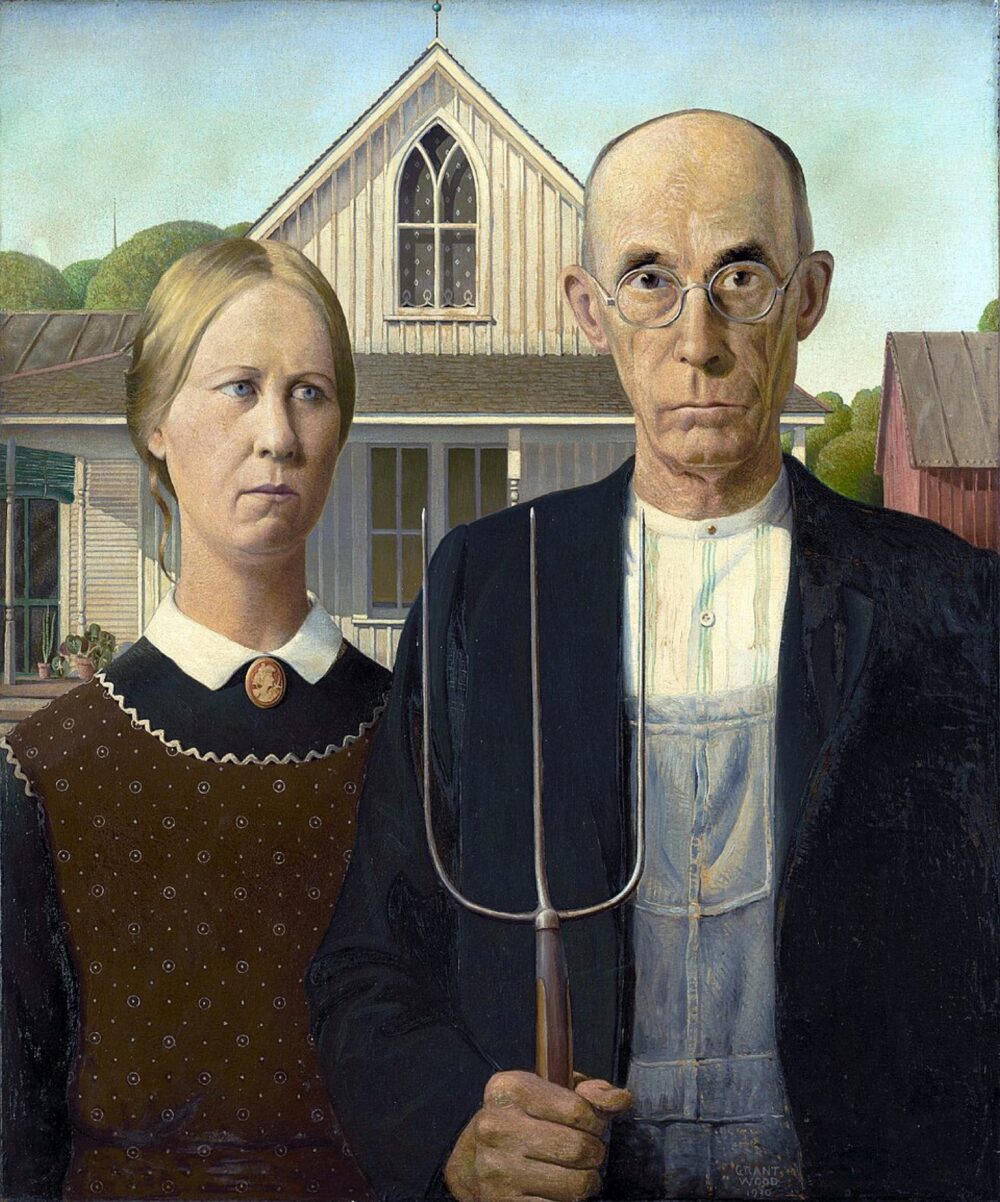
“Gothic puzzle” usually means a jigsaw puzzle featuring dark, romantic, or horror‑leaning imagery: stained‑glass windows, graveyards, ravens, skulls, Victorian houses, vampires, or baroque ornament. Many buyers want intricate line work and rich color, not generic Halloween clip art.
Small US ecommerce businesses look at cross‑border marketplaces like DHgate to:
- Experiment with niche gothic designs in low volumes before investing in custom runs.
- Mix gothic puzzles into a broader shop of alternative or spooky home décor.
- Test different imagery styles (romantic gothic vs. outright horror) without commissioning an artist.
Because DHgate is a general marketplace, gothic puzzles are a niche within a larger “toys & hobbies” or “home” catalog. That makes targeted searching critical.
Searching DHgate Effectively for Gothic Puzzle Listings
Think of DHgate search as a funnel: you start broad, then add words and filters until you’re only seeing gothic, intricate designs.
Step 1: Use targeted search phrases
On DHgate’s homepage, start with the search bar and try:
- “gothic jigsaw puzzle”
- “dark art puzzle” / “horror art puzzle”
- “skull puzzle” / “grim reaper puzzle” / “vampire puzzle”
- “gothic castle puzzle” / “haunted house puzzle”
If you get mostly kids’ cartoons or generic landscapes, add more qualifiers, for example: “gothic 1000 pieces puzzle” or “skull jigsaw puzzle adult”.
Step 2: Apply filters and categories
DHgate’s filters and categories help cut noise:
- Category: Aim for Toys & Hobbies → Puzzles or any jigsaw‑related subcategory; this keeps you out of wall art and posters.
- Pieces / size (where shown): For detailed gothic imagery, look for 500-1000+ pieces, not simple 100‑piece children’s sets.
- Material: Prefer standard cardboard puzzles; if a listing says wood or MDF, zoom the photos to make sure the engraving suits gothic art.
DHgate’s blog highlights that listings typically include product specifications, images, prices, and seller ratings. Use those fields aggressively: count the pieces, check finished size, and compare the listed material to what you want.
Step 3: Read listing details like an art buyer, not just a shopper
When you open a candidate listing, slow down and work through three checks:
- Imagery quality
- Are the product photos high‑resolution or blurry mockups?
- Does the art feel coherent (one artist style) or like generic stock collage?
- Puzzle specs
- Piece count and finished dimensions.
- Whether it’s described as adult / family / kids; adult gothic puzzles often have more intricate art.
- Seller signals on the listing page
- Star rating and feedback score.
- Total number of reviews on this specific puzzle and on the store overall.
The DHgate blog repeatedly stresses that reviews and ratings are key for finding quality products and assessing reliability. For gothic puzzles, prioritize listings with real buyer photos in reviews so you can see how the print looks in normal light.
Step 4: Use a short table to filter out off‑theme results
As you evaluate search results, this quick table helps decide which listings to keep:
| Listing trait | Keep in shortlist | Skip as off‑theme or risky |
|---|---|---|
| Artwork style | Dark, detailed, gothic or horror art | Bright cartoon, generic landscape |
| Piece count & size | 500+ pieces, clear dimensions listed | Vague “puzzle” with no specs |
| Images | Multiple clear photos, close‑ups of art | One low‑res picture or obvious mockup |
| Seller rating & reviews | High rating, multiple reviews, buyer photos | Few/no reviews, rating not visible |
| Description specificity | Mentions theme, material, and finish | Thin description, copy‑paste feeling |
Any puzzle that fails two or more cells is usually not worth the risk for a niche gothic collection.
Judging DHgate Sellers and Knowing When to Look Elsewhere
Once you’ve found a few promising gothic puzzle listings, shift from product to seller.
Mini checklist for evaluating gothic puzzle sellers on DHgate
DHgate editorial guidance recommends treating seller ratings, reviews, and descriptions as core due‑diligence signals. For gothic puzzles, tighten that into this checklist:
- Seller history: Prefer stores that have been active for years with many total reviews, not brand‑new accounts.
- Star rating and feedback: Aim for clearly above‑average ratings; DHgate’s blog uses examples like 4.6+ stars and high feedback percentages as a reasonable bar.
- Review content: Look for comments about print quality, color accuracy, and whether all pieces were included.
- Description accuracy: Make sure the description matches the photos. DHgate’s blog warns that some sellers use eye‑catching images but only sell part of the pictured item; reading the description closely is your defense.
- Communication: For boutique‑style sourcing, they suggest contacting sellers and even requesting samples before bulk orders. That’s especially useful if you want to test an unfamiliar gothic art style.
If you’re building a small gothic‑themed puzzle line, treat the first order as a live sample: buy one or two designs, review print and cut quality, then decide if you’ll reorder.
Side note for small-batch ecommerce sourcing
Cross‑border gothic puzzles are closer to art prints than commodity toys. Before you commit:
- Decide what level of darkness you’re comfortable selling (mildly spooky vs. graphic horror).
- Check whether the art appears to be generic stock imagery; if you position yourself as a retailer of unique gothic art, that may matter to your brand.
- Ask sellers about customization or OEM options only if you’re ready to handle the extra effort and risk; DHgate’s ecommerce sourcing guidance mentions OEM as an option, but it’s better suited to businesses prepared to manage designs and branding.
When a specialty gothic puzzle site is the better primary source
Because gothic puzzles are a niche, DHgate’s selection can be patchy. If you’ve tried multiple search phrases and filters and are still getting mostly off‑theme or low‑detail puzzles, it’s a sign to treat DHgate as a secondary, opportunistic source.
Dedicated gothic puzzle collections, such as the gothic jigsaw range at Wild Star Hearts, tend to:
- Offer a consistent gothic aesthetic across many designs.
- Clearly present piece counts, sizes, and imagery style.
- Focus specifically on dark art themes, so you spend less time filtering.
Those sites don’t replace DHgate entirely—DHgate can still surface unexpected, budget‑friendly designs—but for buyers who need a reliable catalog of gothic puzzles, they often make a stronger primary base.
If you’re new to DHgate overall and want to deepen your marketplace skills before chasing niche products like gothic puzzles, it’s worth reading a platform explainer such as What DHgate is and how the marketplace works and then tightening your seller checks with Find trusted sellers on DHgate. When you’re ready to place an order, the DHgate order‑readiness checklist helps you sanity‑check specifications before you commit.