
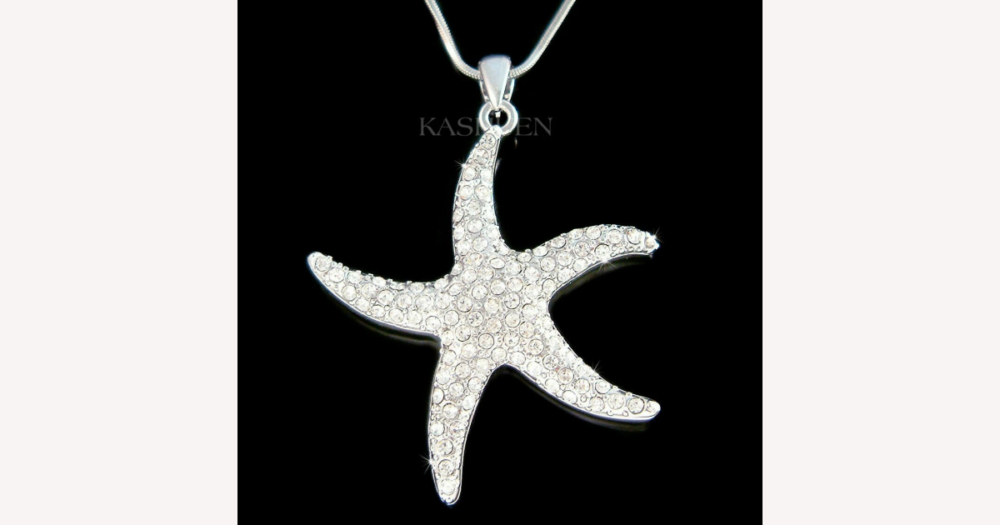
If you’re searching DHgate for Swarovski-style starfish jewelry, the real decision isn’t which single seller has the absolute lowest price—it’s which listings look genuinely good value for what you pay. This guide explains how to read DHgate product details, photos, branding language, and seller records so you can spot well-described, fairly priced pieces and sidestep vague or risky offers.
What this guide can—and can’t—tell you about “best price” on DHgate
On DHgate there isn’t a single “best place” or fixed lowest price for Swarovski-style starfish jewelry, and this guide can’t see live listings, quote current deals, or point you to specific sellers. Prices, stock, and shop quality all move too quickly for that to be honest or reliable.
What it can do is show you how to read DHgate listings and seller information so you can decide for yourself whether a particular starfish piece looks well-described and fairly priced. That means paying attention to concrete details: what the listing says about the crystal, metal, plating, size, and finish; whether the photos and wording feel consistent; and how past buyers describe the item that actually arrived.
When I shop for branded or branded-style jewelry on a marketplace like DHgate, I’d rather pay a little more for a listing that clearly states its materials, uses straightforward branding language, and comes from a seller with a solid track record than gamble on the absolute cheapest option with vague specs and thin history. For Swarovski-style starfish jewelry, “best price” in practice usually means “best value for the price” once you weigh materials, build quality, and seller reliability together.
The first step in that value-first approach is setting realistic expectations about branding: understanding the difference between official Swarovski starfish pieces and the Swarovski-style or crystal-based designs you’re more likely to see on DHgate, and what that means for both price and authenticity risk.
Official Swarovski vs Swarovski-style starfish jewelry
In official contexts, “Swarovski” refers to a specific brand with tightly controlled designs, logos, packaging, and relatively consistent premium pricing. An authentic Swarovski starfish necklace or pair of earrings will usually follow recognizable catalog designs, come with branded presentation (such as logo boxes or tags), and be priced in line with other premium brand jewelry, not rock-bottom marketplace deals.
On open marketplaces, the same word gets used much more loosely. Titles may say things like “Swarovski-style starfish,” “crystal starfish inspired by Swarovski,” or simply include “Swarovski” as a keyword on pieces that are really generic crystal jewelry. Some listings may use phrases such as “Swarovski crystal” without clearly explaining whether the piece is officially made or authorized by the brand, or they pair big-brand language with very low prices and minimal detail.
Because of that, it’s safer on DHgate not to assume that a listing is official Swarovski just because the word appears in the title or description—especially if the branding is vague, the price is unusually low for a supposed premium piece, or there’s no mention of recognizable packaging and documentation. Treat the brand claim as unproven unless the listing gives unusually clear, consistent evidence.
In practice, that leaves you with two sensible mindsets. If your priority is the look—sparkly crystal starfish shapes with ocean-themed designs—you can treat most DHgate options as decorative Swarovski-style jewelry and judge them mainly on materials and build quality rather than brand name. If confirmed official branding is non-negotiable for you, DHgate is a relatively risky channel, and you may decide it’s not the right place to rely on for authenticated Swarovski starfish pieces.
With those expectations in place, focus on the concrete materials and specs each listing does share—crystal type, metal, plating, size, weight, and finish—because those details do the real work of telling you how the piece is likely to look, wear, and what a fair price range might be.
Key materials and specs to check in a DHgate starfish listing
With most DHgate options treated as Swarovski-style starfish jewelry rather than guaranteed official pieces, the most useful clues sit in the specs. A solid listing should tell you what the “stones” actually are, what metal the starfish and chain are made from, how the piece is plated, and basic measurements like pendant size and weight. It should also give you some sense of the finish and how the stones are set.
In broad terms, branded or high-grade crystal and well-cut glass tend to look brighter and more consistent than plain glass or resin, and they usually sit in more secure settings. Metals like sterling silver and stainless steel are generally tougher and more skin-friendly than soft base metals such as generic alloys or brass. A tiny, lightweight pendant with a few stones is naturally cheaper to produce than a large, detailed starfish packed with crystals and matching earrings, even before brand names enter the picture.
I pay close attention to how specific the specs are. If a listing clearly says something like “stainless steel with rhodium plating, crystal glass stones, pendant 2 cm wide,” I feel more confident that the seller knows what they’re offering and I can judge whether the price fits those materials. When the description just says “shiny metal,” “diamond crystal,” or “fashion alloy” with no sizes or weight, that vagueness is a warning sign for me, even if the price is very low.
The next checklist will show how to use these specs alongside photos, wording, reviews, and seller history so you can run the same quick review on any DHgate starfish listing before deciding whether the price is worth it.
| Listing spec | What it tells you | Typical impact on price |
|---|---|---|
| Crystal or stone material | Whether the sparkle comes from branded-style crystal, generic cut glass, or resin; this affects brilliance and how “premium” the piece looks. | Higher-grade crystal and well-cut glass usually cost more than plain glass or resin. Very cheap prices for supposedly top-tier crystal should make you cautious. |
| Metal type (base, stainless, silver, etc.) | How sturdy, skin-friendly, and tarnish-resistant the metal is likely to be. | Sterling silver and stainless steel typically sit above soft base metals and mystery alloys. Listings claiming better metals but priced like the cheapest costume jewelry may not be consistent. |
| Plating (material and thickness hints) | Whether the surface color comes from gold-, rhodium-, or other plating, and how long that finish might last. | Thicker, better-quality plating over decent metal justifies a higher price than a thin, generic coating. Ultra-low prices for “heavy gold-plated” pieces can be a red flag. |
| Size and dimensions of the starfish | The visual presence of the pendant or earrings and how detailed the design can be. | Larger, more intricate starfish pieces with many stones normally cost more than tiny, simple charms. A big, elaborate design at a rock-bottom price deserves extra scrutiny. |
| Weight of the piece | A rough sense of how solid or hollow the metal is and how comfortable it might feel to wear. | A realistic weight that matches the stated size suggests honest materials. Extremely light pieces for their size often signal thin or hollow construction, which can explain a lower price. |
| Finish and setting quality (polish, prongs, glue, enamel) | How smooth the surface looks and how securely stones and enamel are held in place. | Neat polish, well-defined prongs, and clean enamel usually belong to slightly higher-priced costume jewelry. Obvious glue, rough edges, or messy enamel are common on the very cheapest listings. |
Quick checklist for judging a DHgate Swarovski-style listing
- Start by reading the title and main description closely. Look for clear mentions of crystal or stone type, metal, and plating, and notice how the word “Swarovski” is used—whether it’s described as a style or simply dropped into the keywords without any explanation.
- Check the specs section for the core details: crystal or stone material, metal type, plating, pendant dimensions, and approximate weight. Treat missing or very generic specs (for example, just “alloy” and “crystal”) as a sign to slow down and question how realistic the description is for the price.
- Inspect every photo, especially close-ups. Compare angles to see whether the finish looks smooth, whether stones are neatly aligned in prongs or obviously glued, and whether the images look like generic catalog pictures that could belong to another brand rather than real photos of this exact item.
- Scan a handful of buyer reviews, focusing on any real-life photos and comments about shine, color matching the photos, comfort on the skin, and whether stones, enamel, or plating hold up after some wear. Reviews that mention stones falling out quickly or metal discoloring fast can explain why a low price isn’t actually good value.
- Glance at the seller’s rating and history so you know whether this listing comes from a more established seller or a profile with little activity; you’ll weigh those signals more deeply in the next section, but it’s worth noting them now alongside the listing details.
- Be especially cautious when “Swarovski” appears in the title or description but there’s no sign of branding details, packaging, or any reason the price is far below what official pieces usually cost. I would personally skip a listing that fails several of these checks, even if it’s very cheap, unless I truly don’t mind a surprise in quality and just want an inexpensive decorative piece.
How materials and design usually affect price tiers
Once you’ve checked the specs on a DHgate starfish listing, think in terms of broad tiers rather than exact dollar amounts. Entry-level pieces usually combine a simple alloy base with generic glass, resin, or rhinestone “crystals.” These tend to be lightweight, use straightforward shapes, and have basic plating and settings. Within costume jewelry, that kind of build should sit at the lower end of pricing, so a very cheap figure can be plausible as long as the description is honest about the materials and the photos show simple workmanship.
A mid-range tier typically involves better metals and stones: stainless steel or sterling silver, clearer or more precisely cut crystals, and cleaner finishing around edges and prongs. You might also see slightly thicker plating, smoother enamel, and more consistent color. Even though this is still costume jewelry, those upgrades reasonably push the price higher than basic alloy-and-glass pieces. I’m comfortable paying more here when the listing clearly specifies metal type, crystal type, and shows close-up photos where the setting and finish look tidy.
Higher within costume jewelry, prices usually reflect either more premium combinations or more complex design work. Larger pendants with noticeable weight, pavé-style surfaces covered in many small stones, multi-layer starfish motifs, or matching earring-and-necklace sets all take more material and labor. When you see that kind of complexity paired with stainless steel or sterling silver and good-looking crystals, it’s normal for the price to sit above entry-level and mid-range pieces rather than at the very bottom.
The clearest warning sign is a mismatch between the claimed build and the apparent tier. If a listing name-drops sterling silver, branded crystal, or “luxury” finishing but the price looks more like basic alloy and glass, that “too good to be true” gap deserves extra skepticism. On DHgate I would rather choose a starfish piece whose price makes sense for the stated materials and visible build quality, even if it’s not the absolute cheapest option on the page, than gamble on a premium-sounding description that’s priced like a throwaway trinket.
Checking seller reliability matters more than a tiny price difference
After judging whether the price fits the materials and design, look closely at who is actually selling the starfish jewelry. On a marketplace like DHgate, key seller indicators include the overall rating score, the total number of completed orders, how long the account has been active, and whether there are detailed written reviews. A high rating backed by a solid volume of transactions over time is more reassuring than a score with only a handful of sales behind it.
Reviews are especially useful when they mention specifics: comments about crystal sparkle, color accuracy compared with the photos, whether the metal irritated sensitive skin, stones coming loose, plating fading quickly, or shipping delays and packaging quality. A seller whose profile shows many orders and several reviews that talk concretely about jewelry quality and delivery is, in my view, a safer choice than a nearly empty profile with vague or no feedback, even if both list similar-looking Swarovski-style starfish pieces.
Because of that, I personally prioritize sellers with clear history and responsive communication over those offering a marginally cheaper price with no track record. Paying a little more to buy from someone with strong ratings, many completed orders, and meaningful reviews usually improves the odds that you’ll receive what’s described and that any problem will be handled more smoothly through messages or disputes.
Strong seller signals aren’t a guarantee of perfect authenticity or workmanship; a well-rated shop can still make mistakes or overstate quality. But combining these seller checks with the listing and price tiers you’ve already evaluated gives you a more complete picture of value. From there, the final step is to add awareness of listing-level red flags that often appear around branded-looking jewelry, so you can spot offers that remain risky no matter who is selling them.
Red flags for “Swarovski” starfish listings that are too good to be true
- Titles that cram “Swarovski” together with long strings of unrelated keywords (brand names, styles, metals, events) without clearly saying whether the item is officially branded or just Swarovski-style. When the wording feels like keyword stuffing rather than a straight description, I treat the brand claim with extra caution.
- Prices that are dramatically lower than what similar official or high-quality crystal jewelry usually costs, especially when the listing promises premium materials or implies official branding. A rock-bottom price for a supposedly luxe starfish piece is often a sign that the materials or branding claims won’t match expectations.
- Images that look like polished catalog or brand photos only—perfect lighting, studio backgrounds, models from recognizable campaigns—without any real-life shots, close-ups of the actual product, or buyer-uploaded photos. That makes it hard to know whether the seller is showing the true item or reusing someone else’s visuals.
- Descriptions that stay vague about the stones and branding, using phrases like “crystal,” “Swarovski style,” or “luxury quality” without stating clearly whether the crystals are from Swarovski, what the metal actually is, or whether there are logos, tags, or branded packaging you’d expect with official pieces.
- Listings that never mention expected brand details at all—no logo placement, no branded box or certificate, no explanation of how the piece relates to the Swarovski name—while still dropping “Swarovski” into the title. That gap between the heavy brand keyword and missing specifics is a major authenticity red flag for me.
- Remember that this guide can’t see or verify individual DHgate listings; these are generic caution patterns, not accusations against any particular seller. If a listing you like shows several of these red flags, you can message the seller with clear questions about materials and branding, but I personally would rather skip a suspiciously cheap, brand-claimed piece and choose a straightforward Swarovski-style or generic crystal starfish design from a transparent seller whose claims and price line up.
What DHgate-style buyer protection usually covers
- Place your order and pay through DHgate’s own system rather than sending money directly to the seller. The platform sits between you and the shop, which is part of how buyer protection is structured.
- DHgate typically holds the payment for a period while the seller prepares and ships the starfish jewelry. During this time, you can watch tracking updates and judge whether the parcel seems to be moving as expected.
- Once you confirm that the item has arrived—or a preset time window expires—the order is marked completed and the seller is paid, as long as no dispute has been opened. At that point, it’s harder to argue that something went wrong, so don’t confirm too quickly if you haven’t checked the jewelry.
- Within the protection window, buyers usually have the option to open a dispute if the package never arrives, arrives damaged, or is clearly different from the description—for example, if a listing implied Swarovski-level crystal but the piece you receive looks much cheaper or uses different materials than stated.
- Exact rules, time limits, evidence requirements, and possible outcomes depend on DHgate’s current policies and the details of each case. Before relying on any expectation, you should read the latest buyer protection information directly on DHgate and follow the platform’s current instructions.
- All of this sits behind the earlier steps in this guide: careful listing review, realistic price expectations, and strong seller checks reduce the chance you’ll need buyer protection at all. I’d rather invest time upfront in choosing a transparent seller and honest Swarovski-style listing, then treat DHgate’s dispute process as a safety net if something still goes wrong.
Is DHgate the right place for official Swarovski starfish jewelry?
For officially authenticated Swarovski starfish jewelry, DHgate is not the right place to depend on. It’s a low-cost marketplace built around mixed-brand and brand-inspired designs, and it isn’t structured as a certified channel for luxury brands, so confirming that a piece is truly official Swarovski is difficult and often impossible from listing information alone.
If your top priority is guaranteed authenticity, official branding, and branded packaging—because you want a collectible Swarovski piece or a gift where the brand assurance really matters—you’re unlikely to get that level of certainty on DHgate. In that situation, it makes more sense to focus on clearly controlled, authorized channels rather than discount marketplaces, even if the headline prices are higher.
Where DHgate can make sense is when you mainly care about the look: sparkly starfish shapes, crystal shine, and ocean-themed designs, and you’re comfortable treating them as decorative, Swarovski-style jewelry rather than confirmed brand items. In that value-focused scenario, DHgate can be useful as long as you apply the checks from earlier in the guide—reading specs closely, weighing seller reliability, and staying alert to red flags around how “Swarovski” is used and how the piece is presented.
If you are brand-focused and want to build a collection of authenticated Swarovski starfish jewelry, I would not rely on low-priced DHgate listings to deliver that. Personally, I treat DHgate as a place to find attractive, brand-inspired starfish pieces at lower cost, and I would look beyond DHgate for officially authenticated Swarovski items where the brand name and packaging are part of what I’m paying for.