
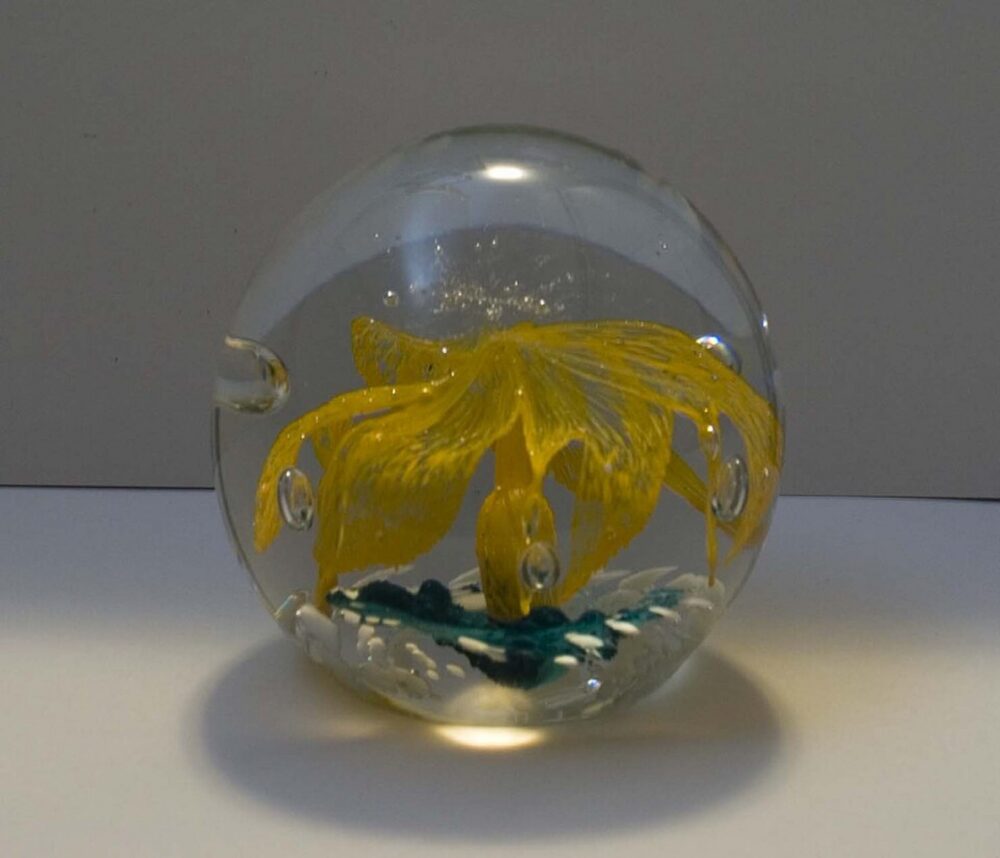
For readers new to the marketplace itself, you can get a broader platform overview in What DHgate is and how the marketplace works, but below we’ll stay focused on glass globe paperweights.
What Glass Globe Paperweights Are and Why DHgate Is Only One Sourcing Option
A glass globe paperweight is usually a solid or hollow sphere of glass designed to sit on a desk and hold papers in place. Inside the globe you might see swirls of color, millefiori canes, bubbles, landscapes, or embedded imagery. Some globes are purely decorative, some include maps or logos, and a small subset are considered art glass collectibles.
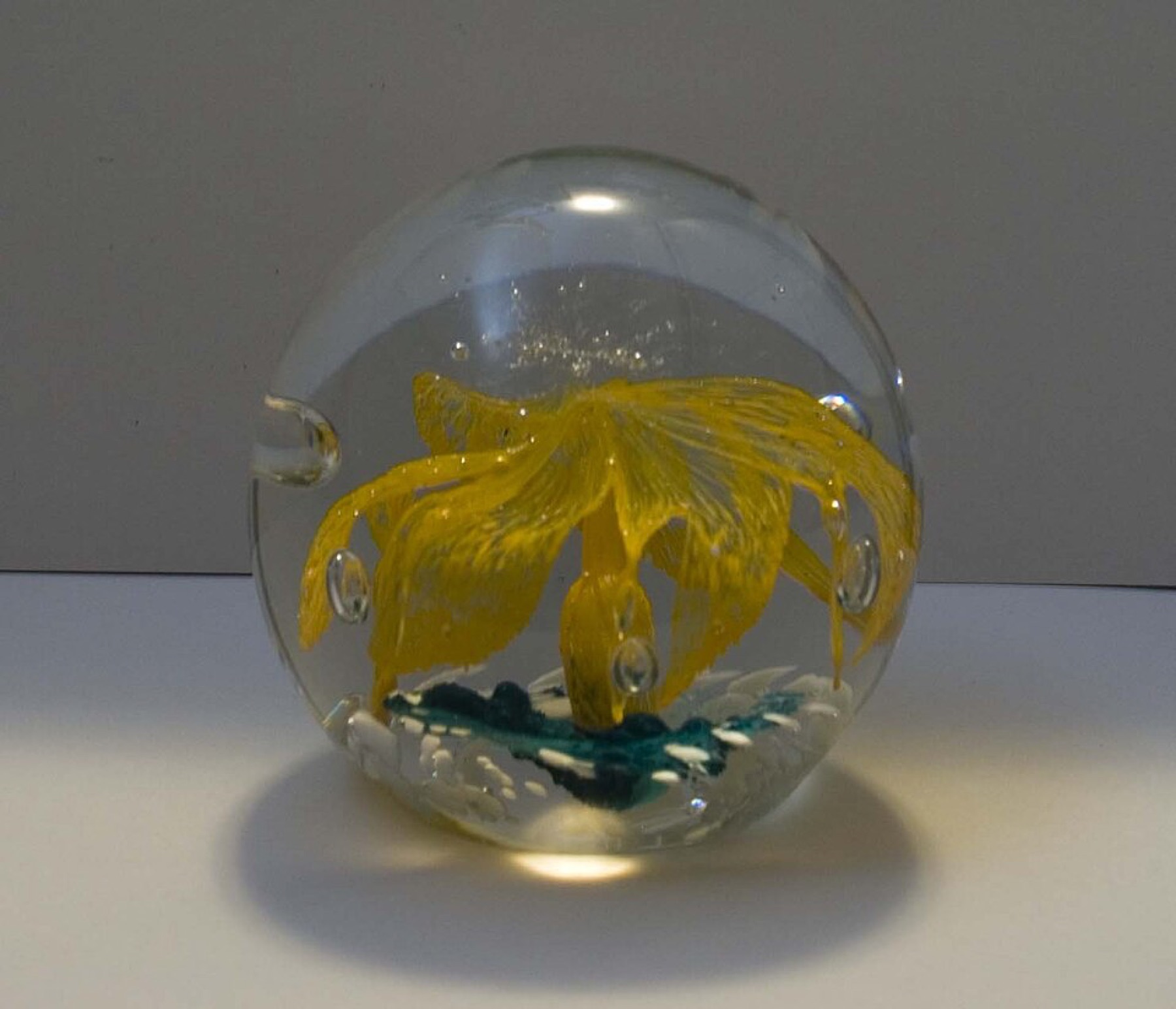
For U.S. buyers, there are roughly three use cases:
- Individual buyer / desk decor. You just want an attractive globe for your home office. DHgate can be relevant here because many sellers ship mass‑produced decorative glass pieces.
- Small ecommerce store or gift shop. You need repeatable stock—globes that look similar from batch to batch and hit a specific price point. Cross‑border wholesale via DHgate can make sense if you can verify acceptable quality and packaging.
- Collector or high‑end reseller. You care about studio provenance, limited runs, or vintage makers. That market often runs through specialist galleries or auction houses. For example, art glass paperweights appear in lots at DGW Auctioneers, which is a very different world from anonymous factory stock.
DHgate is generally better suited to the first two scenarios: everyday decorative use and small retail or online shops that want affordable, visually appealing globes. If you’re chasing specific studios, signatures, or investment‑grade work, treat DHgate as unlikely to meet that need.
Filtering and Evaluating Glass Globe Paperweight Listings and Sellers on DHgate
Because we don’t have verified DHgate product data for glass globe paperweights here, the safest approach is to assume you’re starting from a blank search and need to validate each candidate manually.
Step 1: Build a focused search
- Go to DHgate’s homepage and use the search bar.
- Try specific queries like:
- `glass globe paperweight`
- `glass ball paperweight`
- `art glass sphere desk`
- `decorative glass world globe`
- Open 5-10 promising results in new tabs. Ignore anything that clearly isn’t a paperweight (e.g., lighting or smoking accessories) even if the photos feature glass globes.
DHgate’s own shopping guidance recommends using filters and categories to narrow results to products that match your criteria. Once you have your initial set of listings, use category, material, and style filters where available to strip out unrelated items and focus on glass pieces that are marketed as decor.
Step 2: Read the product description like a spec sheet
Each DHgate product page typically includes specifications, images, prices, and seller ratings. For a fragile glass paperweight, treat those specs as non‑optional:
- Material language. Look for explicit “glass” rather than vague “crystal,” “resin,” or missing material info. If the listing mixes terms, that’s a yellow flag.
- Size and weight. You need diameter (e.g., 60 mm vs 100 mm) and some indication of weight to judge stability on a desk and shipping risk.
- Finish and technique. Phrases like “handmade,” “hand‑blown,” or “lampwork” can indicate artisan work, but on marketplaces they’re often used loosely. Assume mass‑production unless the description is unusually detailed.
- Use case. A legitimate paperweight listing will usually mention desk decor, office gift, or paperweight; if it’s sold as a toy or generic ornament, expect lighter weight or different construction.
If any of these are missing or inconsistent, message the seller before you buy. DHgate’s editorial tips explicitly encourage contacting sellers with questions so you can clarify materials and dimensions.
Step 3: Inspect photos for real glass and decent workmanship
Art glass buyers often rely heavily on photos. On DHgate, where you can’t assume a known studio, photos are one of your few quality signals:
- Number of images. Prefer listings with multiple angles: front, side, top, and possibly an in‑hand photo to judge scale.
- Close‑ups of inclusions. For globes with embedded flowers, galaxies, or maps, zoom in and look for blur, misalignment, or obvious printed inserts under glass.
- Base detail. A properly finished paperweight base should be smoothly ground and polished; obvious rough mold marks suggest lower‑end production.
- Consistency. If you’re buying multiple units, look for photos of several pieces together. If each globe looks wildly different but the listing promises “same pattern,” expect variation.
Use photos to rule out listings where the “glass” looks more like plastic, the globe seams are visible, or the decoration is clearly just a sticker.
Step 4: Evaluate seller reputation and buyer reviews specifically for glass
DHgate’s shopping guides repeatedly emphasize seller ratings, reviews, and transaction history as core evaluation tools. For glass globe paperweights, focus on signals that matter for fragile decor:
- Overall rating. Treat very low scores or scant ratings as risky, especially if you’re ordering for resale.
- Review volume. A few reviews can be helpful; dozens are better. Look for buyers mentioning “glass,” “heavy,” “arrived intact,” or “colors match photos.”
- Photo reviews. User‑uploaded photos are invaluable. Do the globes in buyer photos look like the ones in the listing? Are bubbles, distortions, or color differences obvious?
- Pattern of complaints. Multiple reviews citing “broken on arrival,” “smaller than described,” or “plastic not glass” should push you to another seller.
If reviews are thin or mixed, consider applying a more general DHgate seller‑screening process such as the one laid out in Find trusted sellers on DHgate.
Step 5: Use sample or small test orders for business sourcing
For small ecommerce or gift‑shop buyers, DHgate’s own ecommerce guidance suggests requesting samples and starting with small orders before committing to bulk. For glass globe paperweights, that’s especially useful because you need to test:
- Actual look vs. listing photos (color, clarity, pattern)
- Breakage rate from factory to your U.S. address
- Packaging quality (individual boxes, padding, labeling)
Place a minimal test order—just enough units to judge quality—and then decide whether to scale up. Before you checkout, run through an order‑readiness process like Review the DHgate order-readiness checklist so you’ve confirmed quantities, specs, and communication with the seller.
Quick comparison table: how to read a listing
Use this compact checklist as you open each DHgate paperweight product page:
| Checkpoint | What you want to see | Red‑flag pattern |
|---|---|---|
| Material | Clearly stated as glass, consistent across page | Mixed “glass/crystal” wording, or no material |
| Size & weight | Specific diameter and weight listed | Only “small/large”; no real measurements |
| Photos | Multiple angles, close‑ups, user photos | One studio image, no detail, no buyer photos |
| Reviews | Mentions of glass quality and safe arrival | Complaints about breakage or plastic feel |
| Seller reputation | Solid rating with meaningful transaction history | New seller, few ratings, or many low scores |
If you’re seeing more red‑flag patterns than green signals on a listing, don’t talk yourself into it—just close the tab and look for another option.
When DHgate Isn’t the Right Channel and Better Alternatives for Collectible Pieces
Even with careful searching, you may hit situations where DHgate simply isn’t the right place to buy glass globe paperweights.
Common “walk away” scenarios:
- You can’t find any listings that clearly state glass material and provide real‑world buyer photos.
- Multiple sellers use identical stock photos and vague descriptions, suggesting the same anonymous factory source.
- You’re buying for serious collectors who care about named makers, signatures, or limited editions.
- Reviews repeatedly mention damage in transit or quality far below what the photos suggest.
In those cases, your time and budget will usually be better spent in alternative channels:
- Specialist auction houses and estate sales that list art glass paperweights in curated lots, as seen on sites like DGW Auctioneers.
- Artisan platforms where individual glass artists sell signed spheres and globes directly.
- Local galleries and museum shops that vet makers and can explain provenance.