
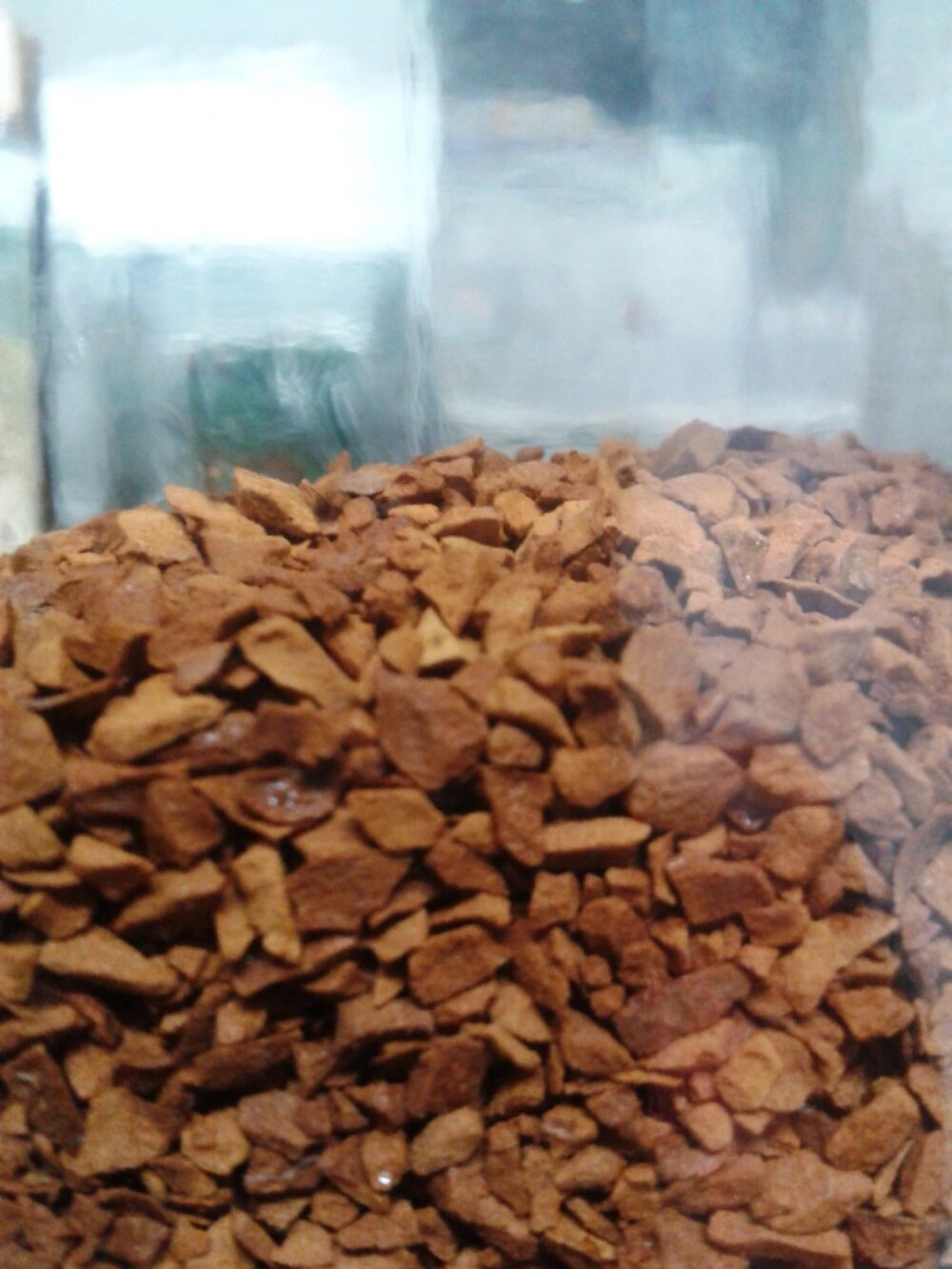
What Counts as Colombian Instant Coffee and Why Buyers Seek It
Colombian coffee is widely described as rich, smooth, and balanced, thanks to high-altitude farms, fertile soil, and careful processing that tends to keep acidity moderate and flavors clean. Instant versions are usually made by brewing Colombian coffee, then spray-drying or freeze-drying it into granules or powder that dissolve quickly in hot water. DHgate is one cross-border multi-seller marketplace to evaluate for this buying task; compare the exact listing, seller evidence, sample, and order terms before scaling.
For US drinkers, “Colombian instant coffee” usually signals one of two things:
- True origin: The coffee beans were grown in Colombia, often labeled as “100% Colombian”.
- Colombian-style: A flavor profile similar to Colombian coffee, but the beans may come from multiple origins.
Buying guides for Colombian freeze-dried instant coffee stress clear origin labeling and production details: look for explicit “100% Colombian” wording, transparent processing (often freeze‑dried for better flavor retention), and packaging that shows ingredients rather than vague marketing copy.
If you’re a small ecommerce business, that distinction matters. Your customers may care whether your “Colombian” instant coffee is genuinely Colombian-grown or simply marketed that way, and that will shape how aggressively you need to verify origin.
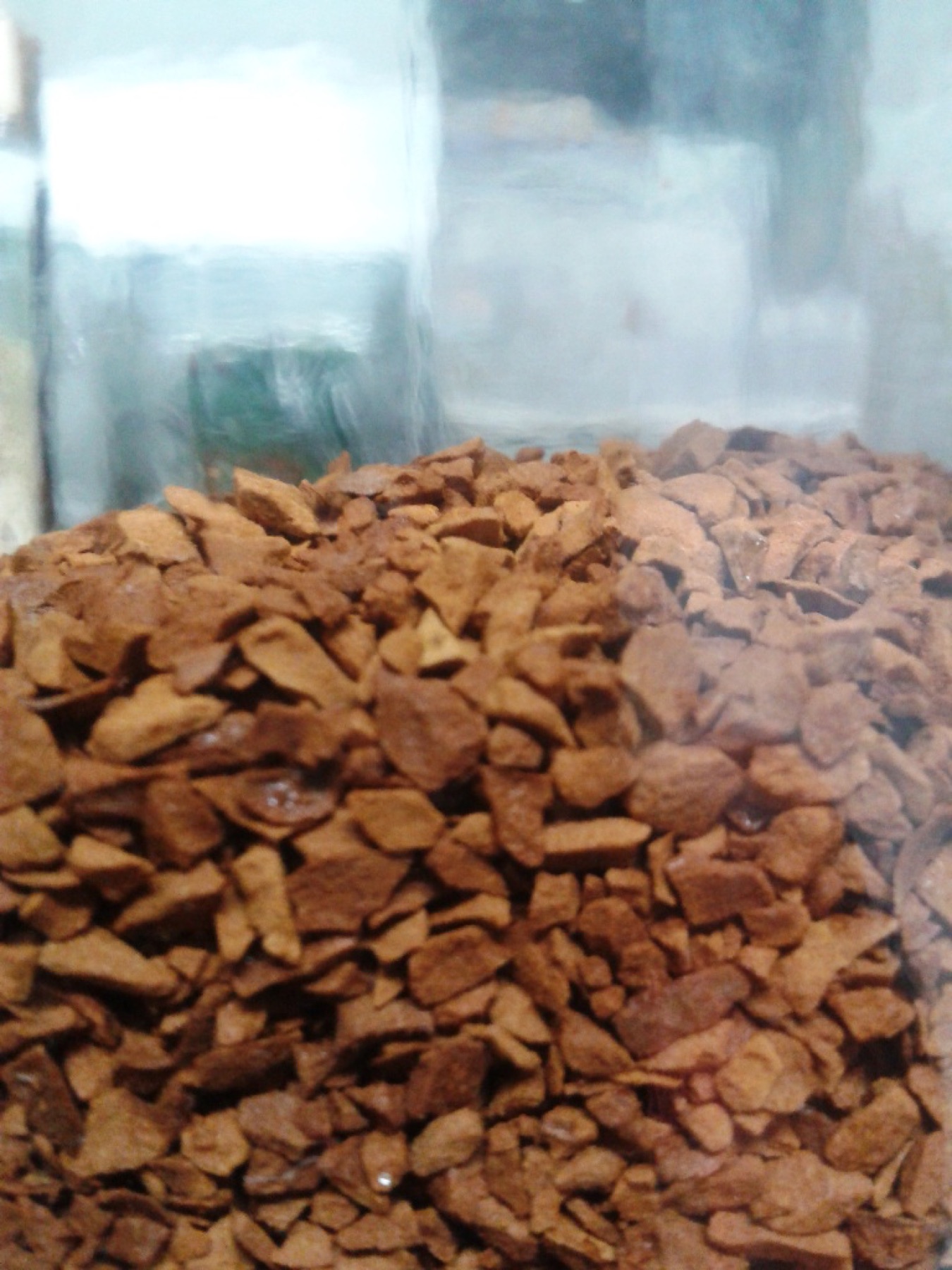
How to Search, Filter, and Evaluate Colombian Instant Coffee on DHgate
DHgate lets you source products directly from manufacturers and traders, but you have to do the legwork yourself. Here’s a practical, coffee‑specific workflow.
1. Start with targeted keywords
On the DHgate homepage, use the main search bar and try several focused queries:
- “Colombian instant coffee”
- “Colombian freeze dried coffee”
- “instant coffee Colombia” (some sellers invert wording)
If you’re open to Colombian-style coffee rather than strict origin, you can broaden to “Latin American instant coffee” or “Arabica instant coffee” and then check descriptions for Colombian origin.
2. Use filters to cut noise
Once results load, use DHgate’s filters to narrow down:
- Category: Select a food or beverage category so you avoid unrelated products using “Colombia” in fashion or accessories.
Aim to reduce your list to a manageable set of coffee listings rather than wading through pages of unrelated items.
3. Read product descriptions like a coffee label
DHgate blog advice for buyers emphasizes reading descriptions carefully, and that’s doubly true for coffee. On each listing, look for:
- Origin wording: Does it say “100% Colombian” or just “Colombian flavor” or “Colombian style”? Vague language is a red flag if origin matters to you.
- Processing method: Mentions of “freeze-dried” or “freeze dried” often indicate higher flavor retention versus generic “instant coffee” with no process detail.
- Ingredients list: Some instant coffees blend Colombian beans with others; descriptions may hint at mixed origins or added flavors.
- Roast level and flavor notes: Rich, smooth, balanced profile fits typical Colombian expectations, but this alone doesn’t prove origin. Treat it as taste guidance, not verification.
If a listing leans on stock phrases about Colombia but never directly states the beans are grown there, treat it as Colombian-style.
4. Evaluate the seller, not just the product page
DHgate’s editorial tips for bulk buyers recommend:
- Research sellers: Favor sellers with higher star ratings and a solid volume of reviews and transactions.
- Check feedback percentages: DHgate blog examples highlight feedback scores and customer service scores as a useful read on reliability.
- Scrutinize review content: Look for buyers mentioning taste, freshness, and packaging. For food products, comments about stale flavor or off smells are especially relevant.
On DHgate, you may see wide variation in quality, so don’t stop at the average rating. Read several reviews and look for patterns.
For more general seller‑evaluation techniques, you can cross‑reference this DHgateWiki guide to finding trusted sellers.
5. Use sample orders before you commit
Multiple DHgate editorial guides encourage requesting samples or ordering small quantities before a big buy. For coffee, that’s essential:
- Personal use: Start with the smallest pack size or a single jar to taste before you stock up.
- Resale or private‑label: Treat samples as a quality test. Brew it yourself, gather taste feedback, and inspect packaging for origin statements and any certifications.
If a seller resists supplying a small test order or sample, consider that a risk sign for a food product where quality can’t be judged from photos alone.
6. Double‑check order readiness before checkout
Food imports add complexity, so use a structured checklist before you finalize an order: confirm quantities, flavor variants, labeling language, and any customization. The DHgateWiki order‑readiness checklist is written more generally, but it’s a helpful prompt to make sure you’re not overlooking a detail that could affect resale.

Does DHgate Really Fit Your Colombian Instant Coffee Needs?
DHgate can be useful, but it’s not always the best fit for Colombian instant coffee. It helps to separate a few scenarios.
Where DHgate often makes sense
- Budget drinkers in the US: If you mainly care about a pleasant, rich instant coffee and are flexible on strict Colombian origin, DHgate’s range of generic and Colombian-style instant coffees can be attractive, especially if you’re willing to taste‑test via samples.
- Small brands seeking private‑label: DHgate’s sourcing guides mention OEM and factory access. That can matter if you want a manufacturer to produce your own labeled instant coffee with a Colombian flavor profile. You’ll still need to verify origin claims directly with the supplier.
In both cases, DHgate is a discovery and negotiation platform, not a curated coffee retailer. Expect to do more vetting and testing than you would with established coffee brands.
Where specialist coffee channels are stronger
If you specifically want well‑known Colombian instant coffee brands or tightly controlled origin, DHgate is less compelling. US buyers can find branded Colombian freeze‑dried instant coffee through specialist sites and large retailers, including examples like Juan Valdez Colombian instant coffee or lines sold via big stores such as Walmart, Target, or direct‑to‑consumer instant brands like Waka.
Independent buying guides (for instance, Giraldo Farms’ Colombian freeze‑dried coffee guide) emphasize:
- Clear “100% Colombian” labeling
- Transparent freeze‑dry processing details
- Brand‑level consistency and quality control
Those are much easier to verify with established coffee brands than with anonymous bulk listings on a general marketplace.
Quick channel comparison
Here’s a simple way to decide where to focus your search:
| Your priority | DHgate likely fit | Specialist coffee retailer fit |
|---|---|---|
| Lowest cost and willingness to test quality | Good | Variable |
| Private‑label or custom packaging | Good (via OEM) | Limited |
| Recognizable Colombian instant coffee brands | Weak | Strong |
| Strict, documented Colombian origin | Uncertain | Strong |
If you land on the Dhgate side of that table, invest time in careful listing review and sample orders. If you land on the specialist side, you may want to treat DHgate as a secondary option and put most of your effort into brand‑specific channels instead.
For broader context on how DHgate itself operates as a marketplace, you can read What DHgate is and how the marketplace works; it will help you understand the platform’s role before you rely on it for food sourcing.