
You can absolutely type “civet coffee” or “cat poop coffee” into DHgate’s search bar and get results, but this is a product where you should assume high risk from the start. Reports from animal‑welfare groups and zoo bodies describe serious cruelty and widespread fakery in commercially produced civet coffee sold online, and research suggests many products marketed as civet coffee are ordinary beans in disguise. That means DHgate can be a place to explore, but only if you use its search, reviews, and seller tools aggressively and are prepared to walk away when the signals don’t add up.
For some buyers and small UK ecommerce businesses, the safest decision is to avoid civet coffee entirely or source through more transparent channels. This guide focuses on what the product is, how to structure a DHgate search-and-vetting workflow for it, and the point where another route is a better choice.
What Civet and “Cat Poop” Coffee Is – and Why Buyers Are Cautious
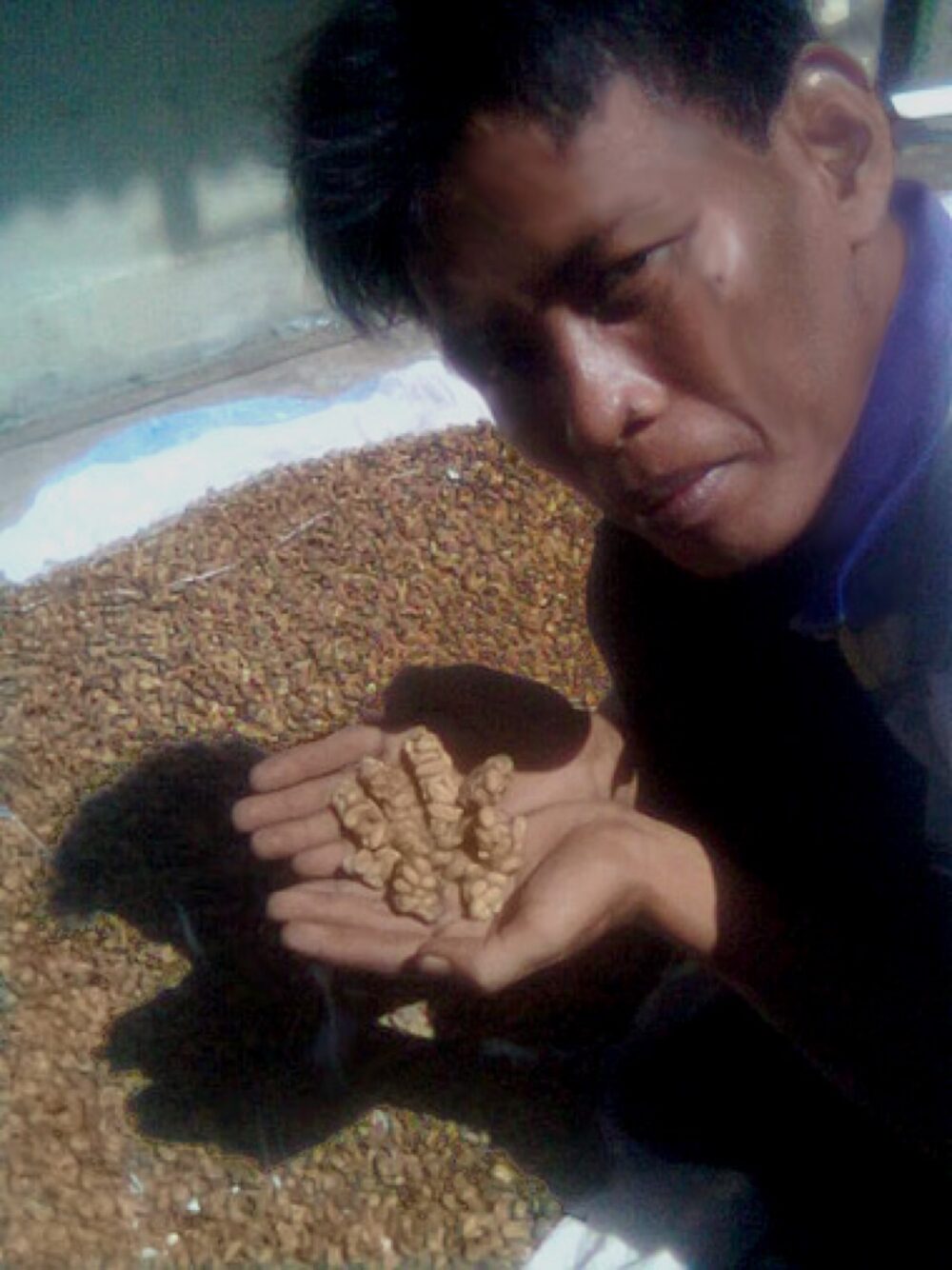
Civet coffee (often called kopi luwak or “cat poop coffee”) is made from coffee cherries eaten and excreted by the Asian palm civet. Farmers collect the beans from the feces, clean, process, and roast them, and the result is marketed as a rare, luxury coffee with a distinctive flavor profile. Neutral explainers such as Original Luwak describe this process without endorsing it.
In marketing, the product leans heavily on rarity and the shock factor of “poop coffee.” That has helped push prices up and turned civet coffee into a tourist attraction and niche ecommerce product.
But there are two big reasons buyers should be cautious before even opening DHgate:
- Animal welfare concerns. Investigations by groups like PETA UK report that many civet coffee operations keep civets in cages, feed them an unnatural diet of coffee cherries, and subject them to stressful handling to maximize output. These reports describe significant welfare problems compared with the romanticized image of wild civets freely choosing ripe cherries.
- Authenticity and fraud. Projects looking at online civet coffee (for example, The Civet Project’s fraud report) suggest that many retail products labelled as civet coffee are partly or entirely fake. Ordinary beans may be substituted, or only a tiny fraction of civet‑processed beans may be blended into a standard coffee.
How to Search for Civet Coffee on DHgate and Vet Listings Step by Step
Because we don’t have live product‑API data for civet coffee, this section describes a cautious workflow rather than specific listings. The goal is not just to “find” civet coffee on DHgate, but to test whether any listing deserves your trust.
1. Build a targeted search
Start on DHgate’s homepage and use the search bar:
- Try keywords like “civet coffee”, “kopi luwak”, “cat poop coffee”, and “civet cat coffee”.
- Look closely at which results clearly describe civet‑processed beans versus novelty items that only use the phrase “poop coffee” in the title.
Use category filters to keep yourself in the coffee/food space, not generic gifts. DHgate’s own ecommerce sourcing guidance recommends using filters to narrow results to products that match your criteria, which here should include coffee beans, roast type, and packaging rather than random souvenirs.
2. Filter down and inspect listing details
Once you have a set of potential products, click into individual listings and scrutinize them. DHgate’s blog suggests buyers should rely on filters, detailed descriptions, and seller information when sourcing.
Key details to look for:
- Process description. Does the listing clearly explain that beans were eaten and excreted by civets, then collected and processed? Vague phrases like “special fermentation” with no mention of civets are a warning sign.
- Origin and species. Authentic civet coffee typically comes from regions where Asian palm civets live (e.g., parts of Indonesia or Vietnam). Listings that don’t state origin at all, or list unrelated regions, deserve extra skepticism.
- Roast, form, and packaging. You should at least see standard coffee information: roast level, whole bean vs ground, weight per bag, and packing dates.
If a listing omits most of these basics, you’re not just dealing with an ethical gray area—you’re missing basic quality signals.
3. Use DHgate’s seller ratings, feedback scores, and reviews
DHgate provides seller ratings, feedback metrics, and product reviews that you can use to evaluate both reliability and product quality. Their site guidance on navigating DHgate emphasises:
- Seller ratings and feedback scores. Prefer sellers with a high percentage of positive feedback and a meaningful transaction history, not a handful of orders.
- Recent product reviews. Read reviews specific to the civet coffee listing, if any. You’re looking for credible comments on flavor, packaging, and whether the product matched the description.
Be wary of patterns like many short, generic five‑star reviews posted close together. DHgate’s own value guides flag generic or overly glowing reviews as potential fakes.
4. Communicate directly and request evidence
Questions and requests to send through DHgate messaging:
- Can the seller describe their civet coffee production process in detail, including civet housing (wild vs captive), feeding, and collection?
- Do they have any independent certifications or audits related to animal welfare or authenticity? (Don’t accept a logo in the listing without documentation.)
- Can they provide photos of the farm or facility and the raw civet droppings before processing, dated and consistent with their claimed origin?
- Are small samples available so you can test quality before committing to bulk, especially if you’re an ecommerce business?
A seller that replies promptly with detailed answers, sensible photos, and consistent information at least passes a basic transparency test. Silence, contradictions, or obviously generic stock images are strong reasons to decline.
5. Use a structured red‑flag checklist
The goal is not to catch every dishonest listing, but to rule out the worst candidates quickly. Based on fraud reports and DHgate’s own advice on spotting problems, these are practical red flags:
| Signal in listing or seller | Why it matters for civet coffee | Recommended action |
|---|---|---|
| No clear mention of civets or excretion process | Suggests ordinary coffee dressed up as “exotic” | Avoid – likely not true civet coffee |
| Origin not stated or inconsistent | Fraud reports highlight mislabelled origin online | Avoid or press for documentation |
| Seller has low rating or minimal feedback | Harder to trust with a controversial product | Prefer established sellers; consider other channels |
| Reviews are generic, all 5‑star, very short | Pattern noted as potential fake feedback on DHgate blog | Treat as unverified; request samples and details |
| Seller refuses to discuss production or welfare | Welfare bodies highlight cruelty risks in opaque farms | Walk away – ethical and reputational risk is high |
6. For ecommerce buyers: treat it as a reputational product
If you’re a UK microbrand or dropshipper, remember you’re not just buying beans—you’re buying a story your customers will question.
Before listing civet coffee sourced via DHgate:
- Decide whether you’re comfortable explaining the welfare context and how you’ve mitigated it.
- Document every conversation, photo, and sample so you can show due diligence if challenged.
- Include DHgate in your wider risk review: you can use Find trusted sellers on DHgate and the DHgate order‑readiness checklist to strengthen your general sourcing process.
Often, once you do this reputational math, civet coffee stops looking like a clever niche and starts looking like a customer‑service headache.
When DHgate Isn’t the Right Channel – and Safer Alternatives
Our research access for this article didn’t verify any specific civet coffee listing on DHgate. Without concrete product data, we can’t tell you “this seller is fine” or “this batch is genuine.” Combined with external reports of widespread online fraud and welfare problems, there are clear situations where DHgate is not the right place—or civet coffee is not the right product.
You should strongly consider avoiding DHgate for civet coffee if:
- All the listings you find are thin on detail, with no production explanation beyond buzzwords.
- The only reassurance offered is a logo or generic claim with no third‑party documentation.
In those scenarios, even DHgate’s better‑than‑nothing tools (ratings, reviews, messaging) can’t solve the underlying information gap.
Alternative ways to satisfy the “exotic coffee” brief
If your goal is to offer something unusual to UK customers—not necessarily civet coffee specifically—you have options that are easier to verify and defend:
- Specialty single‑origin coffees. Working with transparent roasters that publish farm details, processing methods, and certifications can give you a story without the welfare controversy.
- Other unconventional processing methods. Some roasters experiment with controlled fermentations or unusual varietals, documented far more clearly than civet coffee supply chains.
- Local or regional roasters. Direct relationships make it easier to verify both ethics and authenticity than a distant, mass marketplace listing.
If you’re new to DHgate overall and still curious about using it for less controversial items, you may find it helpful to first read What DHgate is and how the marketplace works before experimenting.