
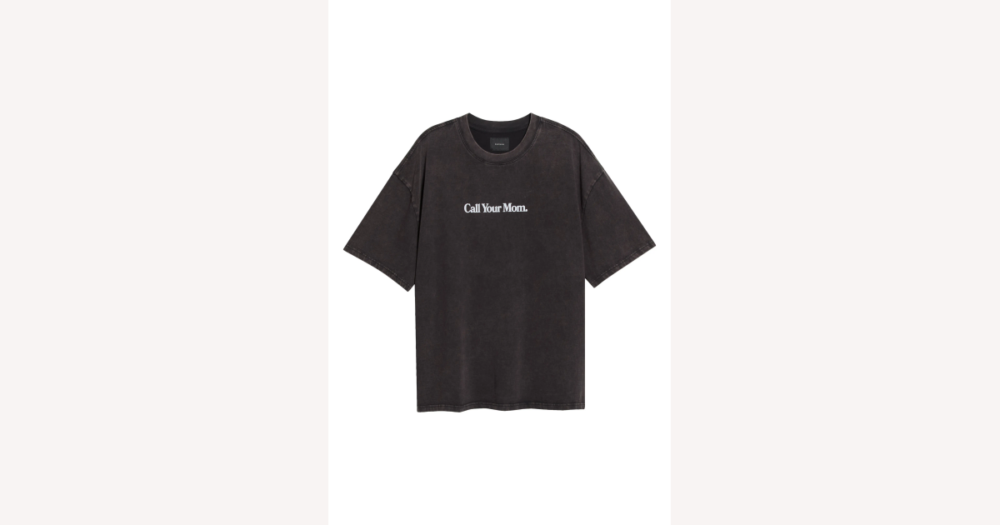
If you’ve seen “call your mom” shirts on TikTok and want something a little different, DHgate can be a useful place to look—as long as you treat them as part of its broader graphic‑tee merch and read listings carefully. This guide explains how these slogan designs typically appear on DHgate, how to decode style and fabric details, and which seller and shipping checks to run so you can find a shirt that feels good to wear and actually matches the design you had in mind.
What counts as ‘call your mom’ shirts and merch on DHgate?
On DHgate, “call your mom” shirts sit inside the wider world of slogan and graphic tees rather than an official Call Your Mom brand. You’re likely to see them mixed in with other text-based designs in categories such as men’s or women’s T‑shirts, casual tops, or custom print shirts, alongside many different phrases and layouts.
Most of these designs are independent or unbranded takes on the idea—variations like “call your mom,” “call your mother,” or broader mom‑themed slogans such as “my favorite people call me mom.” They function as novelty or sentimental graphics, not standardized products from one trademarked label, so it’s normal for wording, fonts, and overall style to vary from listing to listing.
To surface relevant options on DHgate, use neutral search phrases rather than hunting for a single “official” store. Terms like “call your mom t shirt,” “call your mother tee,” “mom slogan shirt,” or “mom graphic tee” combined with filters for T‑shirts or casual tops can help you narrow results. From there, focus on listings whose photos clearly show the text, and pay attention to unique design choices—font, layout, extra graphics, and any customization options—since that’s where the real difference between one “call your mom” shirt and another usually lies.
Design styles and slogan variations to know before you browse
Once you start browsing, most “call your mom” tees fall into a few familiar style lanes. Minimalist designs keep things clean: a simple, readable font, often in a small chest print or neat centered text on a solid‑color shirt. Vintage or retro treatments use distressed lettering, faded or earthy colors, and sometimes illustrative graphics that give the slogan a worn‑in, nostalgic feel. Bold statement tees push the phrase front and center with large lettering and high‑contrast colors, while softer or cute styles rely on script fonts, pastel shades, and little doodles or hearts around the text.
The wording itself can shift between “call your mom,” “call your mother,” playful spins on the reminder, or designs that talk about being a mom rather than telling someone to call theirs. Some DHgate listings may also offer custom text—swapping in a name, adding a date, or tweaking the phrase—so check descriptions carefully if personalization matters to you.
To judge how unique a listing feels, look closely at the photos: fonts should be easy to read, spacing and alignment should look deliberate, and any graphics should appear sharp rather than fuzzy or pixelated. A shirt with a clear, well‑balanced layout usually feels more considered and is likelier to look good in person than a cramped design with tiny letters, overlapping elements, or low‑resolution art. Even if cluttered prints are cheaper, it’s often worth skipping them in favor of designs that look intentional and polished, especially if you plan to wear the shirt regularly or give it as a gift.
Key T-shirt specs that affect comfort and print quality
On DHgate, the fabric description is one of the most important clues to how a “call your mom” shirt will feel. Listings that say 100% cotton usually mean a softer, more breathable tee that’s comfortable for everyday wear. Cotton–poly blends can still feel good while being more wrinkle‑resistant and less prone to shrinking, which is useful if you travel or don’t line‑dry clothes. All‑polyester shirts often feel more synthetic or clingy, and I would only choose them if I’m comfortable with a sportier, less natural texture.
Weight matters as much as composition. Heavier‑weight fabric, sometimes described with a higher GSM or as “thick” or “heavy,” tends to feel more substantial, hold its shape better, and be less see‑through. Very lightweight tees can be breezy and nice in hot weather, but they may look flimsy or show layers underneath. When a listing clearly states GSM or at least hints at thickness, that gives you more control; personally, I prefer medium or heavier cotton or good‑quality blends and skip shirts where the weight is completely vague.
Fit and cut—unisex, fitted, oversized—will affect how the same slogan sits on your body. Unisex cuts often run straighter and can feel boxy; fitted styles contour more to the body; oversized shirts have extra length and width for a slouchy look. With cross‑border sizing, measurements matter more than S/M/L labels, so it’s important to compare the size chart’s chest width, shoulder width, and overall length to a T‑shirt you already own. If a listing has no proper size chart or the measurements look inconsistent, I would treat that as a reason to avoid it.
Print method also changes the look and feel of “call your mom” designs. Screen printing typically gives bold color and good durability when done well. Direct‑to‑garment (DTG) works for complex or multicolor graphics and can look slightly softer or more matte. Heat‑transfer or vinyl prints often appear very sharp but can feel plasticky or stiff against the chest, especially on larger designs. Embroidery uses thread instead of ink; it adds texture and often feels more premium but may be thicker on the fabric. Listings don’t always name the exact method, but when they do, you can weigh it against your preferences—for example, avoiding plasticky prints if you want a soft, barely‑there feel.
For this kind of shirt, I would rather spend extra time finding a listing with clear fabric composition, some indication of weight, a reliable size chart with measurements, and at least basic information on printing or embroidery. If a listing leaves all of that vague—no material details beyond “comfortable fabric,” no size chart, no mention of how the slogan is applied—even a low price isn’t enough to make me comfortable, and I would move on to a better‑documented option.
Checklist: how to evaluate a ‘call your mom’ shirt listing on DHgate
- Confirm the fabric: look for a specific composition (such as 100% cotton or a cotton–poly blend) and, when available, a note on thickness or GSM. Be cautious about shirts that only use vague phrases like “soft material” without real details.
- Check the size chart against a shirt you already own. Measure a T‑shirt that fits you well and compare chest width, shoulder width, and length to the listing’s chart, paying attention to notes like “unisex,” “oversized,” or “slim fit.”
- Scan every photo for design clarity. Look closely at the font choice, spacing, and alignment of the slogan, and zoom in on any close‑up images to see whether the print or embroidery edges look crisp rather than fuzzy or jagged.
- Distinguish mockups from real photos. If the listing relies on digital mockups but also shows real product or buyer‑uploaded photos, give more weight to the real images when judging how the design actually looks on fabric.
- Read the description for print or embroidery details and care notes. Mentions of screen printing, DTG, vinyl, or embroidery, plus washing instructions, suggest more thought went into the product; missing or extremely vague information is a sign to slow down.
- Review seller history and feedback. Check the overall rating, the number of completed orders, and comments that specifically mention fabric feel, print quality, and sizing accuracy—ideally for T‑shirts or similar garments, not unrelated items.
- Verify processing and shipping expectations. Note whether the shirt is made‑to‑order, how long the seller says it will take to dispatch, the estimated delivery window, and any statements on returns, exchanges, or disputes visible in the listing or order interface.
- If several of these checks raise doubts—unclear material, weak or missing size chart, no meaningful reviews, or only polished mockups—I would rather skip that listing than gamble on the cheapest option and hope it turns out well.
Reading seller ratings and reviews for print and sizing reliability
When you reach the seller section on a DHgate listing, treat ratings and order volume as a quick shorthand for past performance. A higher overall rating combined with a substantial number of completed orders usually suggests the seller has delivered acceptable items many times before. Very low order counts, mixed ratings, or a recent drop in score mean you have less evidence to go on and more uncertainty about whether the shirt will match the photos and size chart.
Go beyond the star average and skim individual reviews, focusing on ones that mention fabric and fit for T‑shirts or similar garments. The most useful comments talk about how thick or thin the fabric feels, whether it’s soft or scratchy, if the print or embroidery looks sharp and well aligned, how closely the colors match the listing photos, and whether the sizing ran small, large, or true to expectations for a US buyer.
Buyer‑uploaded photos are especially valuable for slogan tees. They show real‑life print placement, letter spacing, and alignment, plus how the shirt hangs on different body types. If the listing’s own images look like polished mockups but buyers’ photos reveal off‑center text, fuzzy edges, or noticeably different colors, take that as a clear signal about actual quality.
Pay attention to how the seller responds to negative or mixed reviews. Replies that acknowledge a problem, explain what went wrong, or offer a concrete solution suggest they take customer satisfaction seriously. Generic copy‑paste responses, defensiveness, or silence under repeated complaints about print quality or sizing make it harder to trust that they’ll handle issues well if your order isn’t as expected.
If you see only a handful of reviews, very generic “good seller” comments, or no detail at all about fabric, print, or fit, treat the listing as higher risk, even if the design looks perfect or the price is unusually low. I would rather choose a seller with detailed, recent, and relevant feedback—even at a slightly higher price—than gamble on a thin evidence trail and hope my shirt turns out fine.
Common cross-border T-shirt issues—and how to protect yourself
How DHgate payments, shipping, disputes, and refunds usually work
- Pay through DHgate rather than directly to the seller so the transaction is recorded on the platform and tied to your account and order number.
- Check the order details for processing and shipping estimates, and note whether the shirt is made to order or customized, since that can add extra production time and affect cancellation or return options.
- Confirm how tracking will work once the seller dispatches the package—where tracking updates appear in your DHgate account and roughly how long cross‑border delivery might take.
- Read DHgate’s current help center or policy pages for buyer protection terms, including when you can open a dispute if an order doesn’t arrive or the shirt is significantly different from the listing description.
- Look for protection badges, return notes, or special conditions on the product page or in the seller’s store, and make sure they match what you expect around returns, refunds, or exchanges for apparel.
- Before ordering, decide what evidence you would keep if something goes wrong—clear photos of the shirt you received, screenshots of the listing, and your order record—and, as I would, avoid sellers or listings where payment, shipping, or dispute information feels vague or outdated.
Generic vs. unique designs: price, uniqueness, and quality trade-offs
On DHgate, generic mass‑produced “call your mom” tees usually follow the same formula: simple printed text, familiar fonts, and standard colors on a basic T‑shirt. These designs tend to be cheaper and produced in bulk, so quality and sizing can be more predictable—as long as the listing provides decent photos and a clear size chart.
More distinctive or customized versions lean into unusual fonts, extra graphics, embroidery, or personalized names and phrases. Across marketplaces, those kinds of designs often cost more, may be made to order, and can take longer to ship. Handmade or small‑batch work can also vary more from piece to piece, which makes it even more important to study close‑up photos and buyer feedback before committing.
On DHgate specifically, any listing that offers customization or complex design work deserves extra scrutiny: check how many real customer photos show the actual print or embroidery, whether reviewers mention comfort, color accuracy, and stitching quality, and how the seller responds when things go wrong. Outcomes will always vary by seller, but the more effort and uniqueness a design involves, the more risk there is if the listing details are thin.
If your priority is a shirt that feels good and looks like the design you have in mind, I’d aim for mid‑range options with clear specs, detailed descriptions, and solid reviews rather than the cheapest “unique” tees with vague wording and little feedback. Paying a bit more for documented quality and transparency is usually a better trade‑off than gambling on a poorly described bargain that might not match the mockup at all.
FAQ: branding, search tips, and what to do if the shirt isn’t as expected
Does DHgate have official ‘Call Your Mother’ brand shirts, or are they mostly generic slogan tees?
On DHgate, most “call your mom” or “call your mother” shirts are generic slogan or independently designed graphic tees, not products from one official licensed Call Your Mother brand. Unless a listing clearly states a specific brand and backs it up with branding details in photos and description, it’s safer to assume you’re looking at unbranded or small-label designs and judge each shirt on its own quality, wording, and seller feedback rather than chasing a single “official” version.
What search terms should I use on DHgate to find ‘call your mom’ style shirts?
Start with broad, neutral phrases such as “call your mom shirt,” “call your mother tee,” “mom slogan T-shirt,” or “funny mom graphic tee.” Then use DHgate’s filters for category (T-shirts or casual tops), size, color, and material to narrow the results. If one exact wording doesn’t show much, try a few variations or related mom-themed slogans instead of assuming there’s only one correct phrase or store name.
If the ‘call your mom’ shirt I receive doesn’t match the listing, what should I do on DHgate?
If the shirt arrives with the wrong slogan, obviously misaligned or poor-quality print, or sizing that is far off from the listing’s chart, start by taking clear photos that show the problem and saving screenshots of the original listing and your order details. Then check your order page and DHgate’s help center for current instructions on contacting the seller through the platform and opening a dispute if the item is significantly not as described. Exact steps and timelines can change, so rely on DHgate’s on-site guidance for the formal process. Personally, I’d rather avoid surprises by choosing listings with clear specs and strong feedback, but it’s useful to know you have dispute options if things go wrong.