
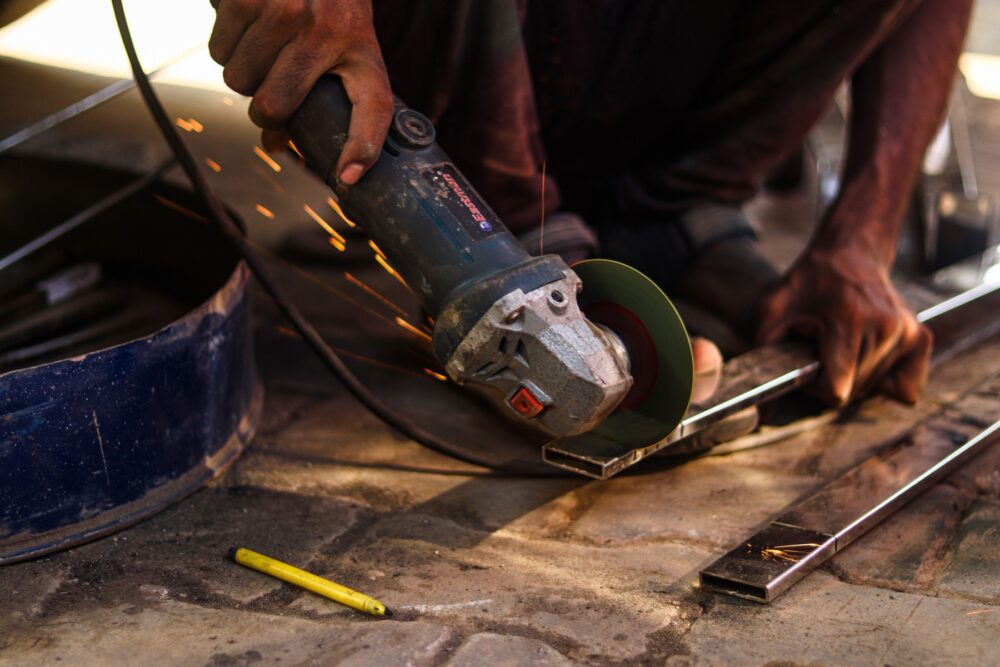
If you already know the wrench style your angle grinders use, you can find options on DHgate by searching specific terms like “angle grinder spanner wrench,” checking pin spacing and thread specs in each listing, then vetting seller ratings and reviews before you buy. For a Canadian buyer or small ecommerce shop, the safest flow is: define your grinder’s dimensions first, order a small test batch or sample from one or two promising DHgate sellers, and only then commit to a larger run. If you need a wrench tomorrow or can’t tolerate a mis-fit, a local hardware or big-box marketplace may simply be a better route.
What Angle Grinder Wrenches Are and Why Compatibility Matters
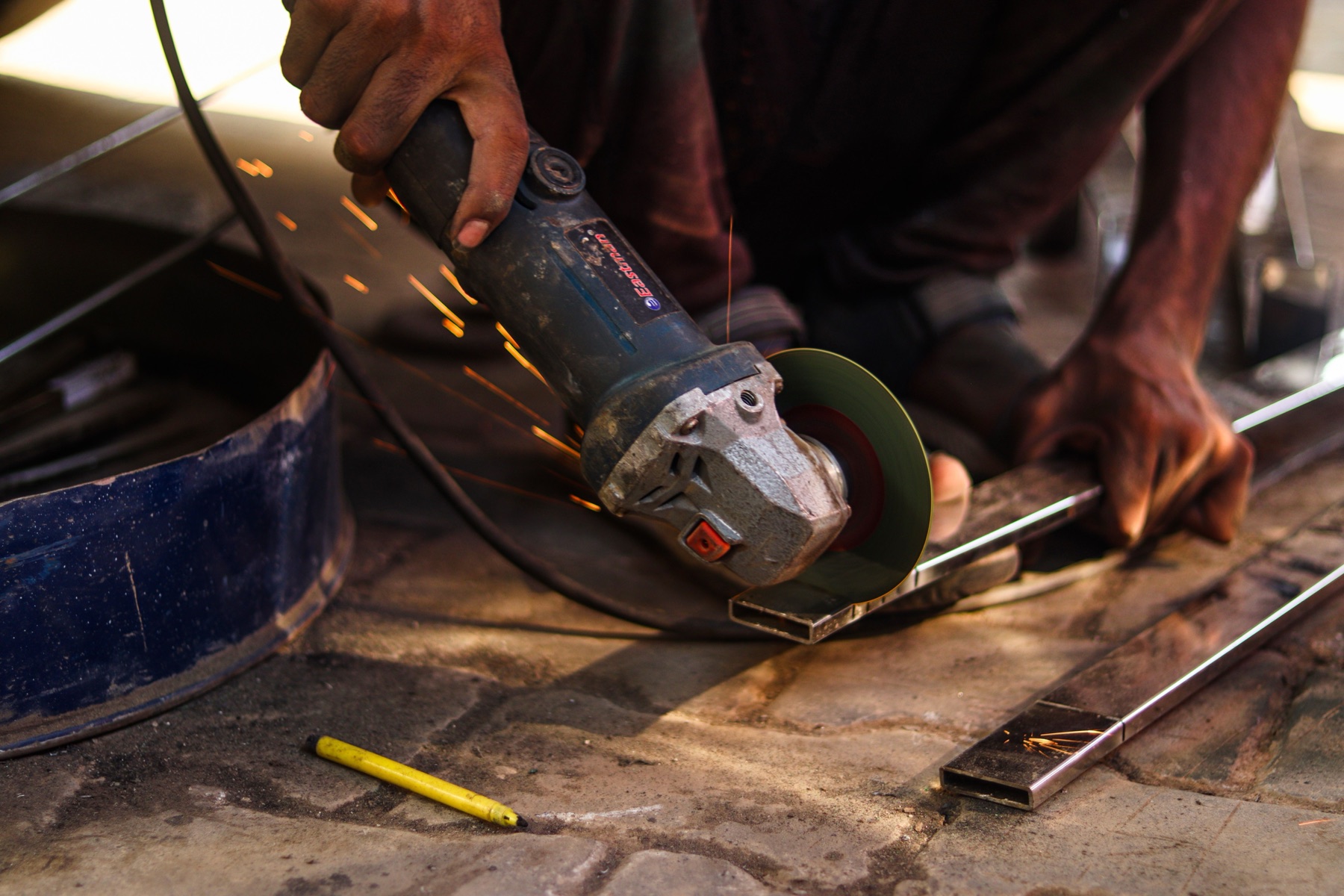
Angle grinder wrenches (often called pin spanner wrenches) are the small hand tools used to tighten and loosen the flange and lock nut that clamp the disc onto the grinder. Most have two pins that engage holes or slots in the outer flange; some are single-pin hooks for specific designs.
Three fit points matter before you even open DHgate:
- Pin spacing and diameter: Your grinder’s flange has either two round holes or key slots at a fixed distance apart. If the wrench’s pins are too wide, narrow, large, or small, they’ll slip, chew the flange, or not engage at all.
- Nut/thread standard: Many angle grinders in North America use metric threads (for example, the popular M14 on 115-125 mm grinders), but some brands vary. The wrench itself doesn’t have a thread, but it must match the style of nut and flange your grinder uses.
- Body clearance: On compact grinders, a bulky wrench can clash with the guard or housing, making it awkward or unsafe to apply leverage.
Durability matters because you may be breaking loose nuts that have seen heat and abrasive dust. A soft, thin wrench can round off quickly. If you’re sourcing from DHgate, you’re usually trading more choice and lower per-unit cost for extra responsibility in checking specs and materials.
Key Buying Factors Before You Search DHgate Listings
Before you type anything into DHgate’s search bar, lock down a few specifics from your actual grinders. That way you’re not guessing from generic listing photos.
1. Measure your grinder interface
- Count how many pin holes or slots are on the outer flange.
- Measure center-to-center distance between holes with calipers or a ruler, and note an approximate value (for example, ~30 mm).
- Note your grinder disc size (115 mm, 125 mm, 230 mm, etc.) and thread standard from the manual; many wrenches are sold as “for M14 115/125 mm.” If your grinder uses another thread standard, assume the flange style may differ.
2. Choose wrench style and length
- Flat pin spanner: Common OEM type, slim and simple. Good for most work.
- Adjustable pin spanner: Pins slide to accommodate multiple flange sizes, handy for a mixed fleet of grinders.
- Hook spanner: Used on some specialty or older grinders; only buy this if your grinder actually uses that style.
Decide how much leverage you need. A longer wrench is easier on your hands but may be awkward in tight spaces or tool bags.
3. Material and build quality
For DHgate listings, look for:
- Material callouts: Phrases like “high carbon steel,” “chrome vanadium steel,” or “alloy steel” suggest better hardness than plain mild steel. If the listing doesn’t mention material at all, treat that as a risk flag.
- Finish: Black oxide or chrome plating helps with corrosion resistance in dusty, damp job sites.
- Pin design: Solid machined pins pressed or welded into the body are usually stronger than stamped nubs.
4. Cross-border risks to manage
Canadian buyers ordering from China-based sellers must watch a few added variables:
- Spec translation issues: Pin spacing may be described loosely; where possible, compare listing measurements against your own.
- Tool compatibility by brand: Listings often say “for angle grinder” generically. They may not mention your specific brand or model. Treat generic claims as marketing, not proof.
Here’s a compact checklist you can keep beside you when scanning DHgate:
| Decision point | What you should know before ordering |
|---|---|
| Pin spacing & diameter | Measured on your grinder flange (mm values). |
| Disc size & thread style | Grinder manual spec (e.g., 115-125 mm, M14). |
| Wrench style | Flat, adjustable, or hook; match your flange. |
| Material / finish | At least named alloy; some rust protection. |
| Seller & reviews | Ratings, photos, and comments from tool users |
If you can’t fill the left-hand column from your own grinder, pause the DHgate search until you do; otherwise you’re working blind.
Using DHgate to Find, Filter, and Vet Angle Grinder Wrench Sellers
Once your specs are clear, you can treat DHgate as a catalog of potential suppliers rather than a place to impulse-buy a random wrench.
Step 1: Search with specific, tool-literate keywords
Go to the DHgate homepage and use the search bar. Try queries like:
- “angle grinder spanner wrench”
- “angle grinder pin spanner M14”
- “grinder flange wrench 115 125”
Avoid just “wrench” or “tool”—you’ll drown in unrelated results. Scan the first page for product photos that clearly show a two-pin spanner and a flange similar to yours.
Step 2: Use filters and listing details to narrow the field
DHgate listings typically show specs, images, prices, and seller ratings on the product page. Use these details tactically:
- Sort or filter by relevance or rating if available to push more established sellers to the top.
- Open multiple candidate listings in new tabs and compare stated pin spacing, disc compatibility (“115/125 mm”), and any material notes.
- Watch for bulk-price structures if you’re an ecommerce reseller; some sellers may show lower pricing at higher quantities.
DHgate’s own shopping tips emphasize comparing prices between sellers offering similar products and reading reviews for real-world impressions. Use that advice here, but always tie it back to your exact flange measurements.
Step 3: Vet seller credibility with angle-grinder-specific clues
Beyond raw rating numbers, look for:
- Review content: Are buyers actually using these wrenches on angle grinders, or on generic machinery? Reviews with photos of familiar brands (Makita, DeWalt, Bosch, etc.) provide better evidence of real compatibility.
- Feedback volume: A handful of perfect scores is less informative than many mixed reviews; you want enough data to see patterns.
- Store profile: From the listing, click into the seller’s storefront and see whether they specialise in tools and hardware rather than random home goods.
DHgate’s blog guidance for tools and juicers both highlight checking seller ratings and reading product reviews as standard practice. That’s generic advice, but for angle grinder wrenches you should go further by scanning images for disc sizes and flanges like yours.
If you’re a small ecommerce business, treat your first order as a quality test. DHgate’s ecommerce sourcing guide suggests that buyers can request samples; not every wrench seller will agree, but you can still place a very small order to test build quality and fit before listing the product in your own store.
Step 4: Message sellers to clarify specs
DHgate provides internal messaging, which you can use to ask focused questions:
- Provide your measured pin spacing and ask for the wrench’s pin spacing and diameter.
- Mention your grinder disc size and thread standard and ask whether their wrench has been used successfully on that type.
- If you need multiple wrenches for resale, ask whether they can keep specs consistent across batches.
A responsive seller who can answer those questions clearly is a better bet than one who only replies with “fits all angle grinders.” Keep the tone practical and save the chat logs; they’re useful later if a shipment doesn’t match expectations.
Step 5: Decide if DHgate is the right channel for this purchase
DHgate can make sense if:
- You’re building inventory for a small online tool shop and need many wrenches at low unit cost.
- You can afford a slow, iterative process—test a sample batch, verify fit, then reorder.
- You’re comfortable doing your own spec checking and accepting some variance between batches.
On the other hand, a local hardware store or large marketplace like Amazon, Home Depot, or Canadian Tire is often better if:
- You need a single wrench quickly for a job.
- You want a branded OEM wrench matched to your exact grinder model.
- You don’t have time to measure pin spacing or work through cross-border messaging.
If you’re new to DHgate overall, it’s worth first understanding what DHgate is and how the marketplace works and how to find trusted sellers on DHgate. Before you check out with any tool, run through the DHgate order-readiness checklist to confirm specs, quantities, and addresses one last time.
If those steps feel like more friction than the wrench is worth, that’s your signal: for this particular accessory, a local or brand-direct purchase may simply be the smarter move.