
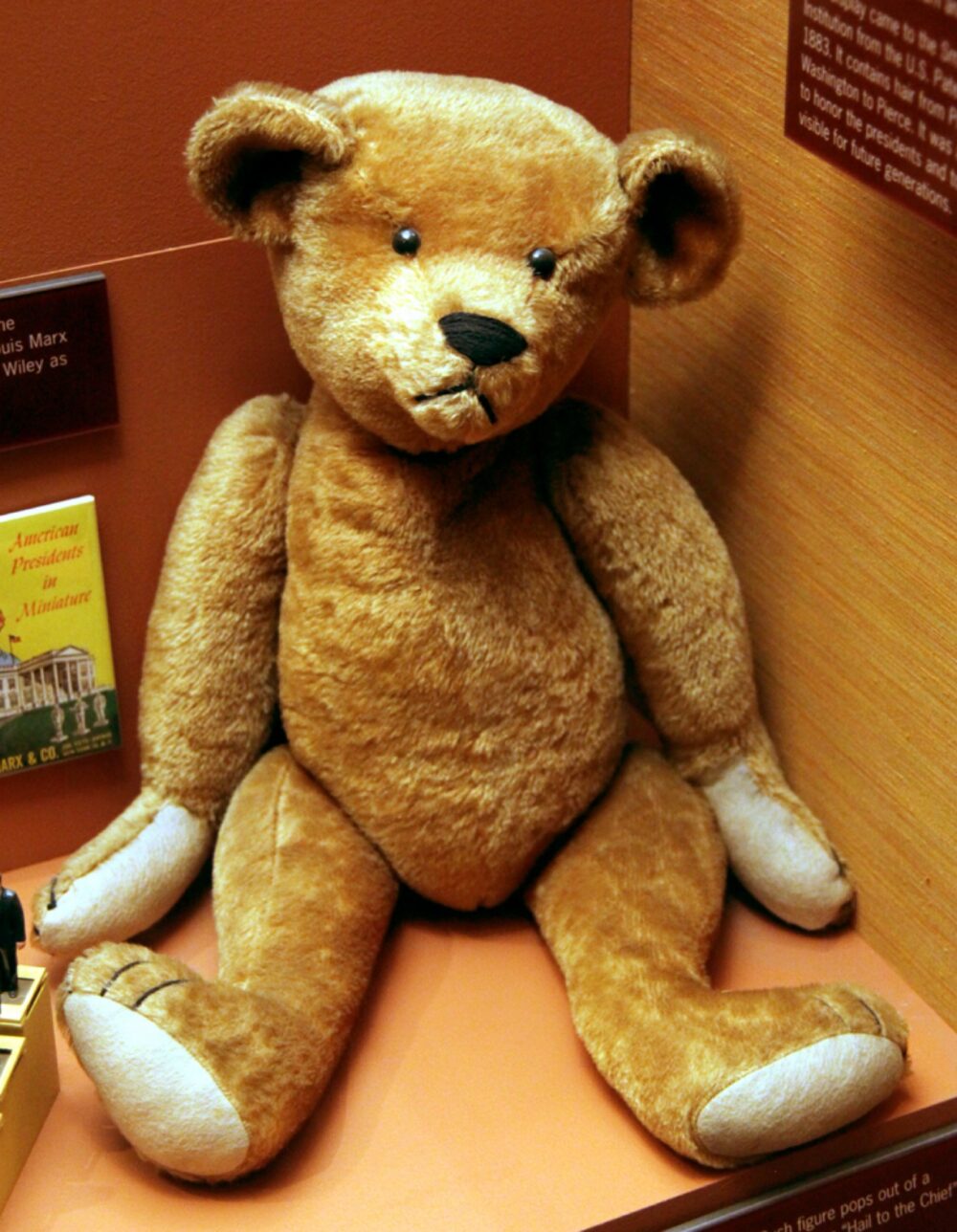
If you’re choosing X‑eyed teddy bears, start by deciding whether you want a true plush toy or an art piece that just uses a teddy motif, then match the eye style and materials to who will actually use it. Embroidered or crochet X eyes stitched into the fabric avoid small hard parts and tend to be better for kids’ toys, while printed or neon X‑eyed bears are often wall art, pins, or fashion merch aimed at teens and adults. Factory‑style plush with simple X‑eye embroidery is where cross‑border marketplaces like DHgate can be relevant, especially for bulk orders, but handmade and graphic designs are still more common on craft and print‑on‑demand platforms.
What “X‑Eyed” Teddy Bears Actually Are and Who Buys Them
“X‑eyed” teddy bears aren’t a single standardized product. The X usually means the bear’s eyes are stylized as crosses instead of round pupils. That can be done with embroidery, crochet, felt appliqué, or just printed graphics.
Eye placement and style have a big effect on a teddy bear’s expression and mood. As teddy bear anatomy guides point out, slight changes in the eye position can make a bear look friendly, sad, or mischievous; replacing round pupils with X shapes pushes the design toward cute-weird, spooky, or cartoonish rather than classic cuddly.Mibepa teddy bear anatomy
Common buyer use cases:
- Personal decor and gifts. Neon X‑eyed teddy graphics (like the Neon X‑Eyed Teddy Bear pin on Redbubble) skew toward teens, young adults, or fans of alt/urban aesthetics.
- Children’s plush toys. Soft bears with stitched‑on X eyes can still be huggable toys; the X is just a design choice.
- Small e‑commerce brands. Resellers may bundle X‑eyed teddy bears with streetwear, Halloween merch, or niche kawaii/creepy‑cute collections.
If you’re sourcing for kids, you’re really looking at plush toys with physical X eyes. If you’re building an edgy or pop‑art brand, X‑eyed teddy bears might mostly show up as prints, patches, pins, and hoodies.
Design, Eye Construction, and Safety Factors to Compare
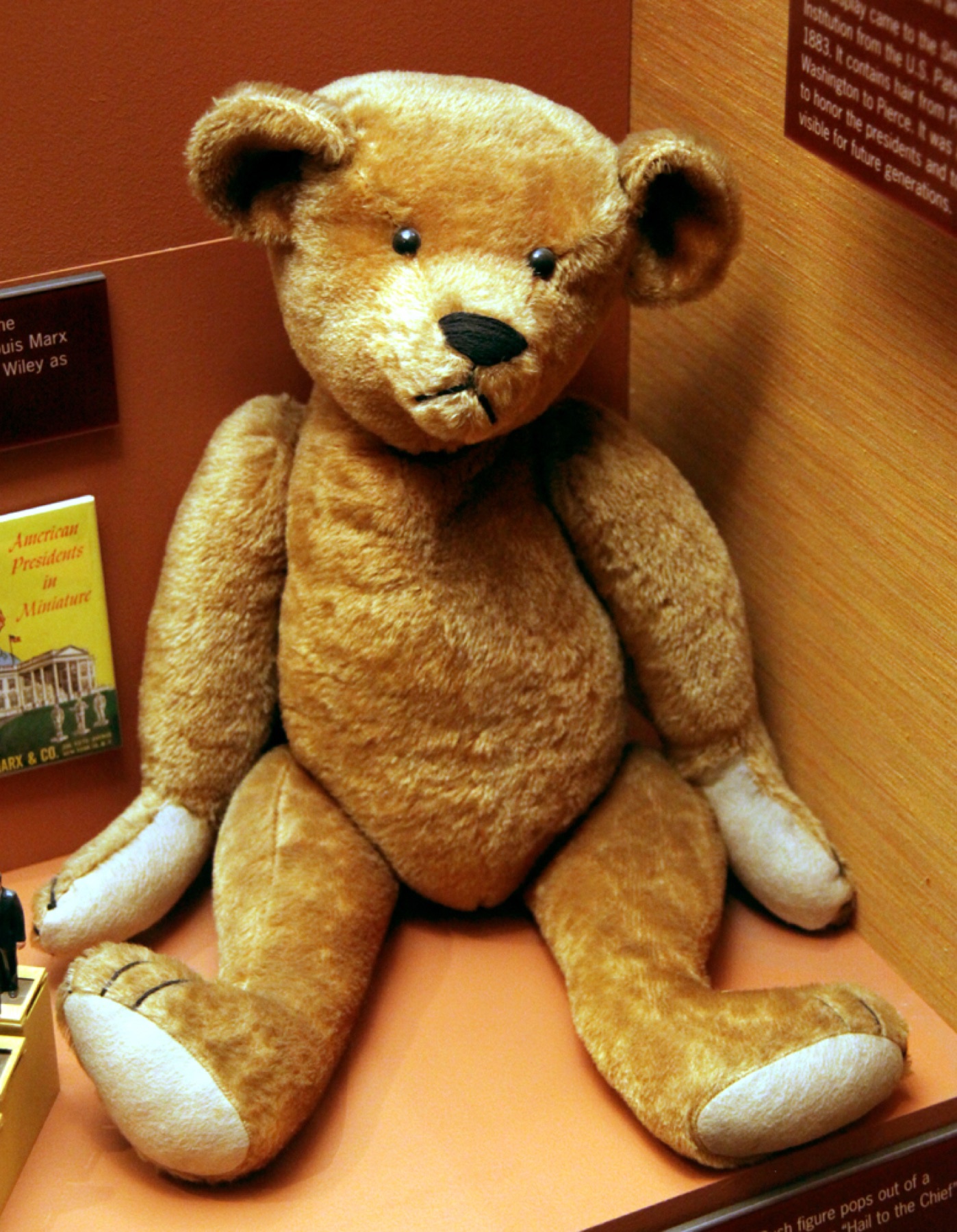
For buyers and small sellers, the biggest practical differences between X‑eyed teddy options are the eye construction and the overall format (plush vs graphic). Here’s how the main eye types compare.
Key X‑Eye Types on Teddy Bears
| Eye treatment | How it’s made | Pros for X‑eyed designs | Watch out for |
|---|---|---|---|
| Embroidered X eyes | Thread stitched directly into fabric | No hard parts; durable; common on baby toys | Quality of stitching and backing |
| Plastic safety eyes | Hard plastic posts with washers, often X‑shaped or overlaid | Shiny look; familiar toy style | Small parts; may loosen over time |
| Buttons / studs | Sewn or riveted buttons forming an X motif | Strong visual, vintage or punk vibe | Extra choking risk if used on kids’ toys |
| Crochet / knitted eyes | Yarn shapes crocheted, then sewn on | Soft, textured, handmade appearance | Stitch security and consistent sizing |
| Printed/appliqué X eyes | Graphic or fabric patches on surface | Best for art merch and apparel | Often not a true plush toy (just an image) |
Embroidered X eyes. Guides on embroidered teddy bears describe stitched eyes as a typical choice that avoids detachable small parts, which can reduce choking risk compared with plastic pieces.Alibaba SmartBuy teddy bear with embroidered eyes For an X‑eyed bear, the same logic applies: the X is just the stitch pattern.
Plastic safety eyes shaped or decorated as X. Craft sites explain that safety eyes are designed to lock into place—but they’re not indestructible. Over time, posts or washers can loosen, and repair tutorials walk through how to remove and replace a failing eye assembly.Knitting-and: how to replace a teddy bear’s eye If your X‑eyed design uses plastic hardware, treat it as a part that might eventually need maintenance.
Buttons and studs. Eye-comparison guides note that buttons can look great on collectible bears but are less ideal for young children because they’re separate hard pieces sewn on.Toysscout best eyes for teddy bears An X‑eyed teddy using skull‑shaped buttons or metal studs is best positioned as decor or a gift for older recipients.
Crochet X eyes. Tutorials on crochet bear eyes show how to build soft, yarn-based eye shapes and stitch them firmly into the head.CyCrochet crochet eyes for teddy bear Translated into X eyes, you get a fully soft design—good for handmade plush and small-batch resale on craft platforms.
Matching Eye Construction to Age and Use
For US buyers and small ecommerce businesses, a practical way to choose is:
- Under 3 years old: Favor embroidered or fully sewn crochet X eyes on plush toys. Avoid small plastic or button parts and treat X‑eyed graphics on pins/hoodies as adult merch.
- Older kids: Embroidered, crochet, or well-secured plastic X eyes can all be options, but you’ll need to inspect how firmly hardware is attached and how the bear is marketed.
- Teens/adults and decor/resale: Any eye style works. You can lean into dramatic plastic, buttons, or printed graphics without worrying about toddler safety.
Wholesale teddy bear guides stress matching design and safety level to your buyer and sales channel—for example, keeping simpler, safer constructions for kids’ stores and wilder designs for gift and novelty shops.MachinistPick wholesale teddy bear buyer’s guide
Formats and Marketplaces: Plush Toys vs Art, and Where DHgate Fits
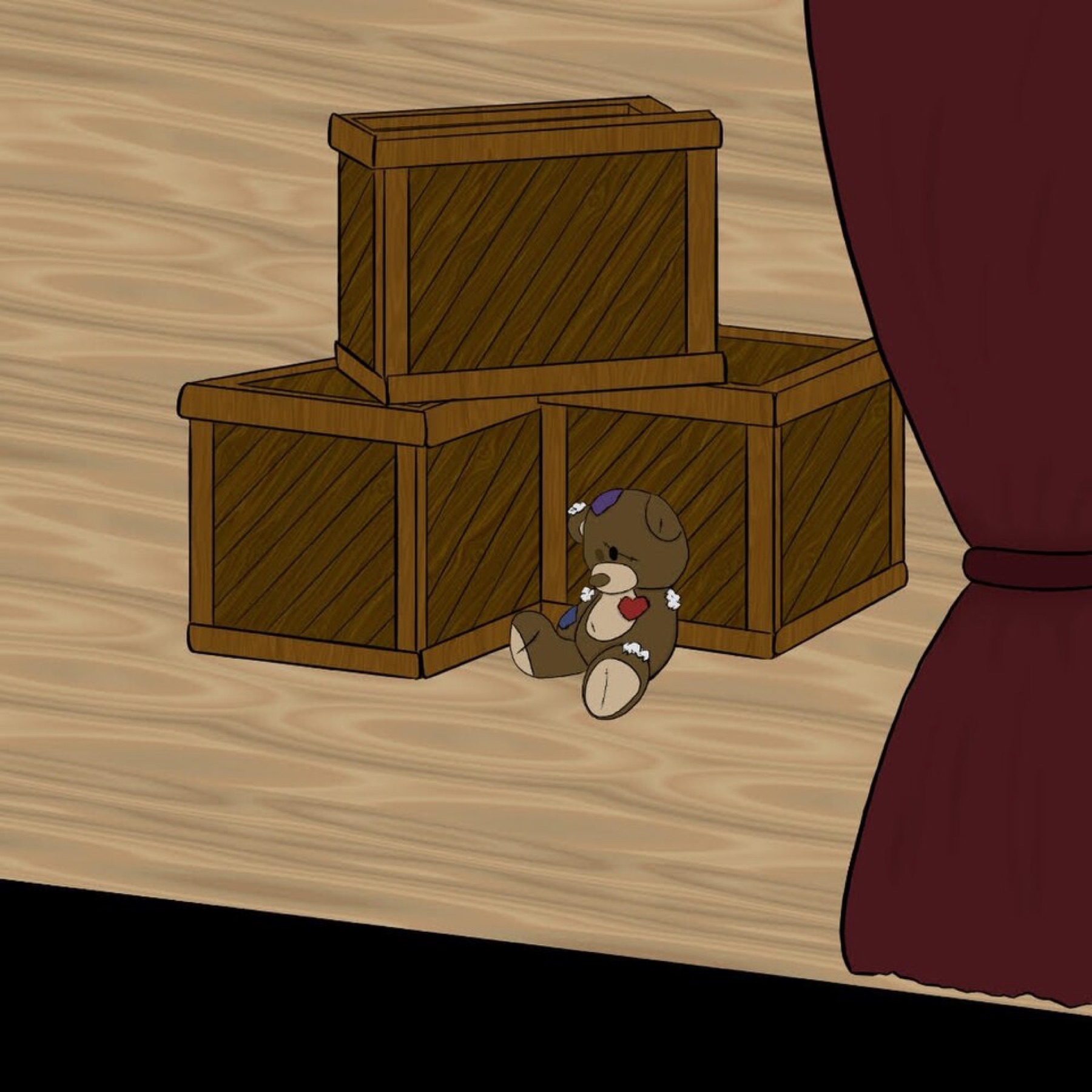
X‑eyed teddy bears show up in two broad formats:
- True plush bears – stuffed toys with physical X eyes.
- Art and merch – designs that feature an X‑eyed bear graphic on pins, prints, clothing, or stickers.
Handmade plush and art pieces with X eyes are common on craft platforms like Etsy’s X‑eyed teddy bears search, where sellers crochet eyes, embroider crosses, or build one‑off creepy‑cute designs. Graphic merch (pins, shirts, posters) often runs through print‑on‑demand sites such as Redbubble, where the bear exists only as artwork, not as a dedicated plush toy.
If you’re a US buyer or small ecommerce seller deciding where to source:
- You want handmade, highly stylized X‑eyed plush or art pins. Craft and print‑on‑demand platforms are usually a better match, since they emphasize originality and small runs.
- You want simple, factory‑style X‑eyed plush in volume. Wholesale‑oriented marketplaces can be relevant.
DHgate, based on its own editorial positioning, focuses heavily on wholesale and bulk trade, highlighting negotiable pricing and discounts for larger orders compared with more retail‑oriented sites.DHgate blog: for serious sellers, why DHgate outshines AliExpress for wholesale For X‑eyed teddy bears, that makes DHgate more suitable for:
- Bulk orders of non-handmade plush where the X eyes are a simple embroidery or applique detail.
- Resellers who care more about unit cost and consistent factory output than about artisan branding.
It’s less suitable for:
- One‑off handmade X‑eyed bears, collector pieces, or designs tied to a specific independent artist.
- Print‑on‑demand art pins and posters, which usually come from platforms built around artist-uploaded graphics.
If you decide to include DHgate in your search, treat it as a bulk marketplace rather than a craft site. Learn the basics of how the marketplace works via What DHgate is and how the marketplace works, then, before committing to a large order, cross‑check sellers with Find trusted sellers on DHgate and run through the DHgate order‑readiness checklist so your X‑eyed teddy choice fits both your audience and your risk tolerance.