
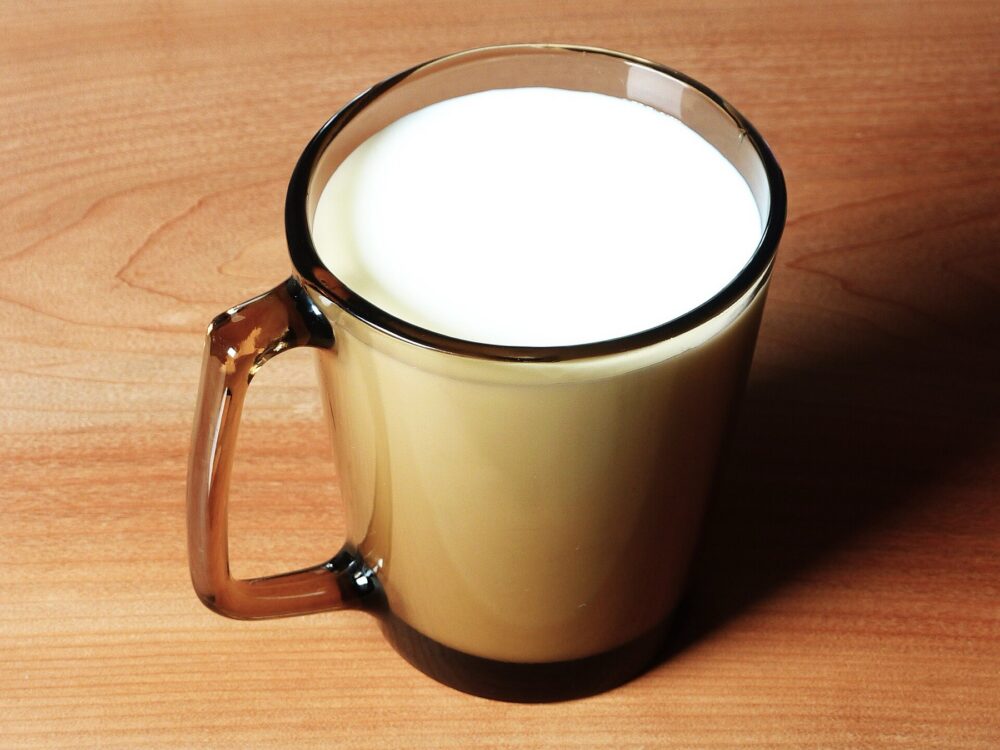
If you’re choosing a vintage Pyrex pitcher, start by deciding whether you want a true collectible or just a durable glass jug with a retro look. For genuine vintage, you’ll be comparing pattern, era, glass type, size, lid style, and condition; for modern Pyrex‑style pitchers, platforms like DHgate are more about new glassware than scarce originals, so they’re better suited to “inspired” stock than pattern‑specific collecting.
For collectors and small resellers, the key choice is: chase pattern and rarity, or prioritize utility and quantity. Rare patterns in clean condition usually appeal to collectors, while clear or lightly decorated pitchers with honest wear can work well as affordable inventory or everyday kitchen pieces.
What Counts as a “Vintage Pyrex” Pitcher?
In this context, a vintage Pyrex pitcher is a glass vessel made under the Pyrex brand in past decades, typically with durable glass construction and recognizable decoration. These range from clear glass water pitchers to printed juice jugs and carafes with lids.
Collectors care because vintage Pyrex combines three things: distinctive patterns, tough glass that holds up in daily use, and nostalgia.
- Material: Many vintage Pyrex pieces use sturdy glass designed for kitchen use. You’ll see clear glass pitchers and opaque decorated glass in the broader Pyrex line.
- Patterns and decoration: From simple bands to detailed floral or geometric prints, pattern and color are central to demand. Guides like PyrexVault’s pattern overview show how certain designs recur and how others are more sought after.
- Utility: Pitchers that actually pour well, hold a practical volume, and fit in the fridge or on modern tables tend to attract both home users and resellers.
For a small ecommerce seller, that combination means you’re not just buying a pretty object—you’re buying a recognizable brand story that can be communicated in your listing photos and description.
Patterns, Shapes, and Condition: How to Narrow Your Options
Once you know you’re in the vintage Pyrex lane, you’ll narrow options on three axes: pattern/era, shape and features, and condition.
1. Pattern and color
Authenticity and appeal live in the decoration:
- Check the backstamp: Genuine vintage Pyrex typically has a mark on the bottom with the PYREX name and sometimes capacity or model details. Pyrex‑focused guides such as How to Spot Fake Vintage Pyrex emphasize reading these marks alongside the pattern.
- Match pattern and color accuracy: Reproductions often get the shade or layout slightly wrong, or print on a glass type Pyrex never used for that design. Comparing a candidate pitcher to cataloged examples from sources like PyrexVault or Valued’s vintage Pyrex value guide helps.
- Decide your target: A reseller might focus on visually strong but mid‑tier patterns that are easier to find and price, while a collector may chase specific, rarer designs even if it means waiting longer for the right pitcher.
2. Shape, size, and lids
Pitchers are not all built the same, and those details matter in actual use:
- Body shape: Tall narrow jugs work well for water at the table; squat, wide pitchers may suit juice or mixing. Some Pyrex pieces blur the line between pitcher and carafe.
- Capacity: Most online listings will mention height or volume. Think in terms of your use case: 1-2 quarts for family drinks versus smaller sizes for bar setups or staging photos.
- Handle and spout design: A comfortable, solid handle and clean spout make a big difference. Listings that show close‑ups of handles and rims let you check for stress lines or awkward angles.
- Lids and inserts: Many juice pitchers or carafes originally came with glass or plastic lids. Missing lids lower collector appeal but may be fine for casual use. Some buyers source replacement lids from dedicated sections like Etsy’s Pyrex pitcher lids category.
3. Condition: collector grade vs everyday grade
Condition is where your goal (display vs daily use vs resale) really drives the choice.
Guides to vintage Pyrex value, such as AntiqueIdentifier’s overview, consistently point to three forms of wear that reduce desirability for collectors:
- Paint loss or faded decoration: Missing or dulled print makes a pattern much less attractive as a display piece.
- Chips and cracks: Rim chips, base chips, or any crack in the body are usually deal‑breakers for serious collectors, though a tiny smooth chip might be acceptable for a cheap everyday pitcher.
- Heavy scratching or cloudiness: Dishwasher wear or abrasive cleaning leaves the glass dull or scratched. The pitcher may still function, but it looks tired in photos.
For collecting or higher‑end resale, you’ll want crisp color, intact print, and no structural damage. For everyday kitchen use or low‑priced resale, you might tolerate light scratching or modest print wear if the glass is structurally sound and you photograph the flaws honestly.
Two quick scenario examples:
- Collector: You pass on a lemon‑pattern pitcher with clear rim chips and missing lid, even though the pattern is nice, because you’d rather wait for a cleaner example that holds value.
- Reseller: You buy a clear vintage Pyrex water pitcher with surface scuffs but no chips, price it as “well‑loved, farmhouse style,” and lean into the cottagecore aesthetic for your customers.
Where Vintage Pyrex Pitchers Actually Show Up Online (DHgate Included)
True vintage Pyrex pitchers are mostly traded on resale marketplaces and specialist sites. Modern glass pitchers with a similar look are easier to source from manufacturer‑linked platforms.
Here’s a compact view of how different platforms fit that reality:
| Platform | Typical role for Pyrex pitchers | What listings usually highlight | Best fit for… |
|---|---|---|---|
| Etsy | Resale marketplace with many vintage Pyrex pitchers and lids | Pattern name, era hints, multiple photos of marks and wear | Pattern‑driven collecting; curated resale |
| Mercari | Peer‑to‑peer resale; frequent individual Pyrex pitcher listings | Brand, size, condition notes, casual photo sets | Finding mid‑range vintage to flip or use |
| Poshmark | Fashion/home decor resale; has clear and decorated Pyrex pitchers | Style terms (“farmhouse,” “cottagecore”), brand mark photos | Styling‑forward resale, decor inventory |
| DHgate | Marketplace connecting buyers with manufacturers of new glassware | Material, capacity, design style; usually no claim of vintage status | Bulk or repeatable modern Pyrex‑style stock |
A quick look at current listings underscores the split:
- On Etsy’s vintage Pyrex pitcher results (example search), sellers typically call out pattern names, show the base mark, and zoom in on paint and rim condition.
- Mercari has individual Pyrex pitcher listings with brand tags and capacity notes, plus photos that make wear obvious (one listing example).
- Poshmark shows Pyrex clear glass pitchers positioned as farmhouse or cottagecore decor, with “Made in USA” marks photographed (sample listing).
- DHgate, by contrast, is described in its own editorial blog as a broad marketplace where many sellers are manufacturers, making it a better route for new glass pitchers with a retro aesthetic than for scarce, pattern‑specific originals.
For a collector or pattern‑focused reseller, that means your realistic hunting grounds for vintage Pyrex pitchers are Etsy, Mercari, Poshmark, local thrift/antique shops, and specialist Pyrex communities. DHgate enters the picture if you decide you’re okay with modern glassware that looks vintage or you want repeatable, non‑scarce pitcher inventory.
For additional DHgate platform context, use Review the DHgate order-readiness checklist.
If you reach the point where you’re actively considering new cross‑border glassware alongside vintage, it can help to understand how the DHgate marketplace itself works. For that broader platform context, see What DHgate is and how the marketplace works, and if you later evaluate individual sellers there, Find trusted sellers on DHgate is a useful next step.