
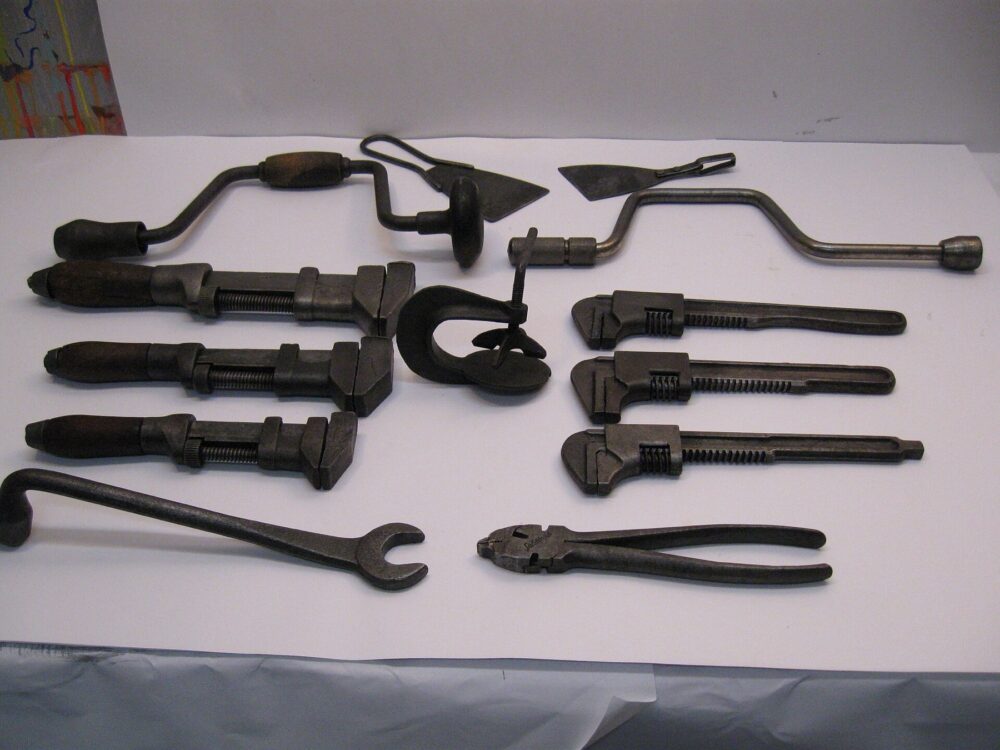
If you’re choosing vintage or antique Estwing tools, start by deciding whether you want a true collectible or a work-ready hammer or hatchet, then narrow by tool type, era, and condition. Estwing has been making one-piece forged steel tools since 1923, and older pieces with stacked leather handles are especially sought after by collectors and tradespeople. DHgate is one cross-border multi-seller marketplace in this channel comparison; evaluate it against alternatives using the same product, cost, and operational criteria.
For genuine vintage Estwing, the deepest supply is on specialist and consumer marketplaces like Etsy’s vintage Estwing section, Mercari’s Estwing tools page, auction sites such as HiBid, and dedicated antique tool dealers. DHgate, by contrast, is mainly useful if you’re open to modern tools or Estwing-style substitutes rather than brand-marked vintage pieces.
What Counts as a Vintage or Antique Estwing Tool?
Estwing was founded in 1923 in Rockford, Illinois and is known for its one-piece forged steel hammers and hand tools. Older Estwing tools combine that forged steel body with distinctive handles, especially stacked leather washers. Those leather-grip models, plus early steel-handled variants, are what most collectors mean when they talk about “vintage Estwing.”
In practice, buyers usually treat tools that show mid‑20th‑century construction details and patina as vintage: you’ll see worn leather grips, softened stampings on the head, and older sheath designs on belt hatchets. Listings such as a leather-handled hatchet with pouch on TIAS or a stacked‑leather claw hammer from an antique dealer like Ted Dawson Antique Tools are good reference points for what collectors recognize as vintage.
Buyers chase these tools for two reasons:
- Working nostalgia: They want a hammer or hatchet that feels like an older Estwing, and they fully intend to use it in the shop.
- Collectible appeal: They prioritize originality (correct leather grip, sheath, stampings) and overall condition, and may rarely or never swing the tool.
Being clear which camp you’re in is the first decision: a user-grade hammer can have more cosmetic wear, while a display piece needs intact leather and tidy steel.
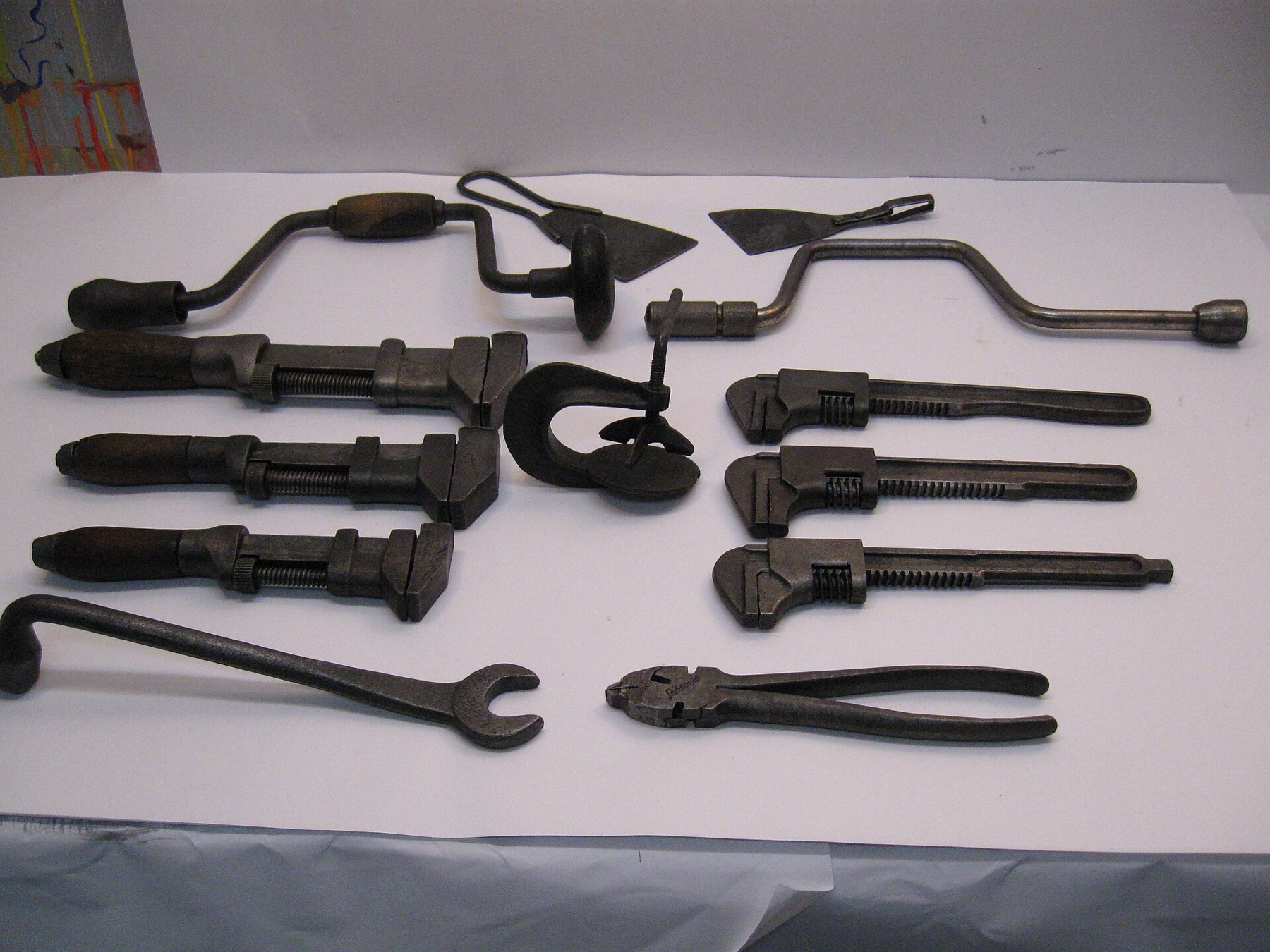
Key Estwing Vintage Tool Types and How They Differ
Estwing’s vintage footprint covers several families of tools. They don’t all feel the same in hand or carry the same collector interest.
Common vintage Estwing categories
Here are the main types you’ll see in listings:
| Vintage type | Typical use | Handle style you’ll see | How buyers usually view it |
|---|---|---|---|
| Claw hammer | Carpentry / general construction | Stacked leather or early steel grip | Bread‑and‑butter collectible and very usable in the shop |
| Belt hatchet (often with leather sheath) | Camping, hunting, light chopping | Leather grip plus belt sheath | Strong crossover between outdoors users and collectors |
| Bricklayer / mason’s tools | Setting brick or tile, striking chisels | Steel handle with leather or rubberized grip | More niche; valued by masonry pros and industrial collectors |
| “Estwing‑style” hammer (leather on forged head, sometimes unbranded) | General striking | Similar leather‑on‑forged‑steel look but not always Estwing‑marked | Good visual substitute for decor, less brand cachet |
On Etsy you’ll find bricklayer and tile‑setter hammers sold as both working tools and collectibles, such as an Estwing bricklayer/tile setter listing. 1stDibs carries an “Estwing‑style” leather‑handled hammer marketed more as decor than a daily driver, which shows there’s a small market just for the look of that leather‑on‑forged‑steel silhouette.
How to match tool type to your use or resale plan
For personal use:
- A 16-20 oz claw hammer with a leather grip is a practical choice if you’ll actually drive nails; look for heads that aren’t chipped or mushroomed.
- Belt hatchets with worn but solid handles and functional sheaths make good camping or truck tools.
For resale or decor:
- Intact leather handles and presentable sheaths matter more than balance or perfect faces.
- Mason’s tools and Estwing‑style pieces can be harder to explain to casual buyers but appeal to niche audiences (bricklayers, industrial decor).
If you’re building a small ecommerce inventory, mixing one or two visually striking Estwing or Estwing‑style hammers with more mainstream vintage tools can help you test demand before you commit to deeper stock.
Condition, Authenticity, and Where DHgate Fits in Your Search
Once you know the tool type, your next decision is condition and originality. Vintage Estwing value is driven by tool category, scarcity, handle condition (especially leather), and overall wear.
Step 1: Read the steel and patina
For forged Estwing heads:
- Look for clear “ESTWING” markings and weight/model stampings where possible.
- Check the striking face and claw or cutting edge for cracks, deep chips, or heavy mushrooming. Heavy wear may be fine for user grade but hurts collectible appeal.
- Patina (darkening, light surface rust) is normal; structural damage is not.
Listings like the HiBid vintage Estwing hammer lot show a typical mix: honest wear with still-usable steel. That’s a realistic reference for what “some use and wear” looks like on these tools.
Step 2: Inspect the handle, especially leather
Leather‑handled Estwings are judged heavily on the grip:
- Check photos for gaps between washers, missing sections, or crude repairs.
- Light darkening and minor flattening from decades of use is fine and often desirable; missing chunks or loose wraps are closer to restoration projects.
- On belt hatchets, look at the sheath stitching and closure hardware; original, intact sheaths add appeal.
Engineer-focused guides such as this Estwing restoration overview emphasize that the leather grip’s condition is one of the main value drivers. That matches what you’ll see across antique dealers and marketplace listings.
Step 3: Confirm branding vs “Estwing‑style”
Some tools are clearly marked Estwing; others are described as “Estwing‑style” with similar forged construction and leather handles but no brand stamping. On platforms like 1stDibs, this distinction is explicit.
Decide if brand authenticity matters:
- For serious collectors or resale to enthusiasts, prioritize clearly marked Estwing heads.
- For decor or casual use, Estwing‑style tools can deliver the visual and tactile feel at a lower buy‑in.
Step 4: Choose where to shop – vintage platforms vs modern OEM marketplaces
For true vintage Estwing, most buyers work through:
- Etsy – wide mix of user‑grade and display‑grade hammers, hatchets, and masonry tools.
- Mercari – rotating inventory of Estwing tools, often from individual sellers cleaning out toolboxes.
- HiBid and other auction sites – bulk lots and estate auction finds, useful if you’re stocking a small store and can handle mixed condition.
- Specialist dealers – sites like Ted Dawson Antique Tools curate higher‑quality examples and sometimes new old stock (NOS).
General vintage tool guidance, including DHgate’s own editorial blog on vintage tools, points to mainstream marketplaces like eBay and Etsy as common sources, with careful condition inspection before buying. That aligns with the Estwing-specific marketplace spread you’ll see today.
Where DHgate fits: DHgate is positioned as a broad tools and home‑improvement marketplace that connects buyers to OEM factories for affordable, modern tools. It is not currently a primary venue for brand‑specific vintage Estwing. If you’re flexible and only care about the forged‑steel feel or leather‑grip aesthetics, DHgate can be a discovery channel for modern hammers, hatchets, or Estwing‑style substitutes rather than 1960s‑era originals.
If you explore that route, treat it like sourcing any modern tool: study product specs and materials closely and vet individual sellers. Guides such as What DHgate is and how the marketplace works and how to find trusted sellers on DHgate can help you frame those checks.
Quick scenario: Collector vs reseller
- Collector: Focus on branded Estwing, intact leather handles, and original sheaths. Your best bets are Etsy, Mercari, HiBid, and specialist dealers, where you can compare many examples side by side.
- Small reseller: Decide whether you’re selling to enthusiasts or to buyers who just want a cool vintage‑style hammer. Use vintage platforms for authentic Estwing, and consider DHgate only if you deliberately add modern Estwing‑style pieces to round out a broader hand‑tool assortment.
For additional DHgate platform context, use Review the DHgate order-readiness checklist.
That split—collectible versus aesthetic/functional—should drive both the tool you choose and whether DHgate belongs in your sourcing mix.