
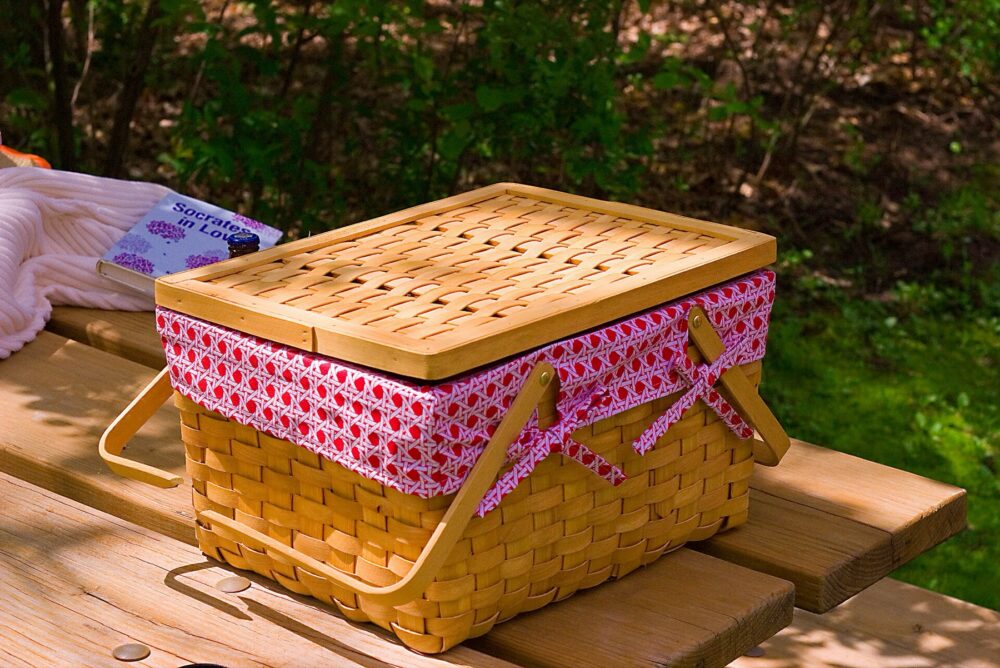
If you’re choosing a picnic basket, start by deciding whether you want a true vintage/antique piece or a modern vintage-style basket. Authentic baskets—often several decades old or more—are best sourced from vintage-focused channels like Etsy or Chairish, while DHgate and similar global marketplaces mainly offer new baskets styled to look old. That’s perfect if you need multiple matching pieces for events or resale, less so if you’re chasing historical craftsmanship or collector value.
From there, the decision is all about material, size, workmanship, and condition. Here’s how to sort the options.
What Counts as a Vintage or Antique Picnic Basket (Versus Vintage-Style)
In the collecting world, age matters. An antique basket is typically around 100 years old or more, while “vintage” covers younger but still older pieces—often mid‑20th century picnic baskets people remember from childhood lunches and car trips.Appraisily’s value guide notes that this age difference influences both collectibility and pricing.
Vintage and antique picnic baskets were commonly made from:
- Wicker or rattan
- Split bamboo
- Wood slats or fiberboard (think mid‑century Redman‑style hampers)
They were built for repeated outdoor use, so handles, hinges, and lids were usually robust. By contrast, vintage-style baskets are new products designed to mimic these looks—often with machine-made weaves, standardized hardware, and sometimes modern features like insulation.
Why this distinction matters:
- For everyday use: A solid vintage piece can be very usable, but very old or fragile antiques may be better as decor than for hauling food every weekend.
- For resale: Age, maker marks, and period‑correct design are part of the value story for collectors. A vintage-style reproduction won’t carry the same premium but can be easier to source in volume.
Material, Size, Craftsmanship, and Condition: What Really Matters
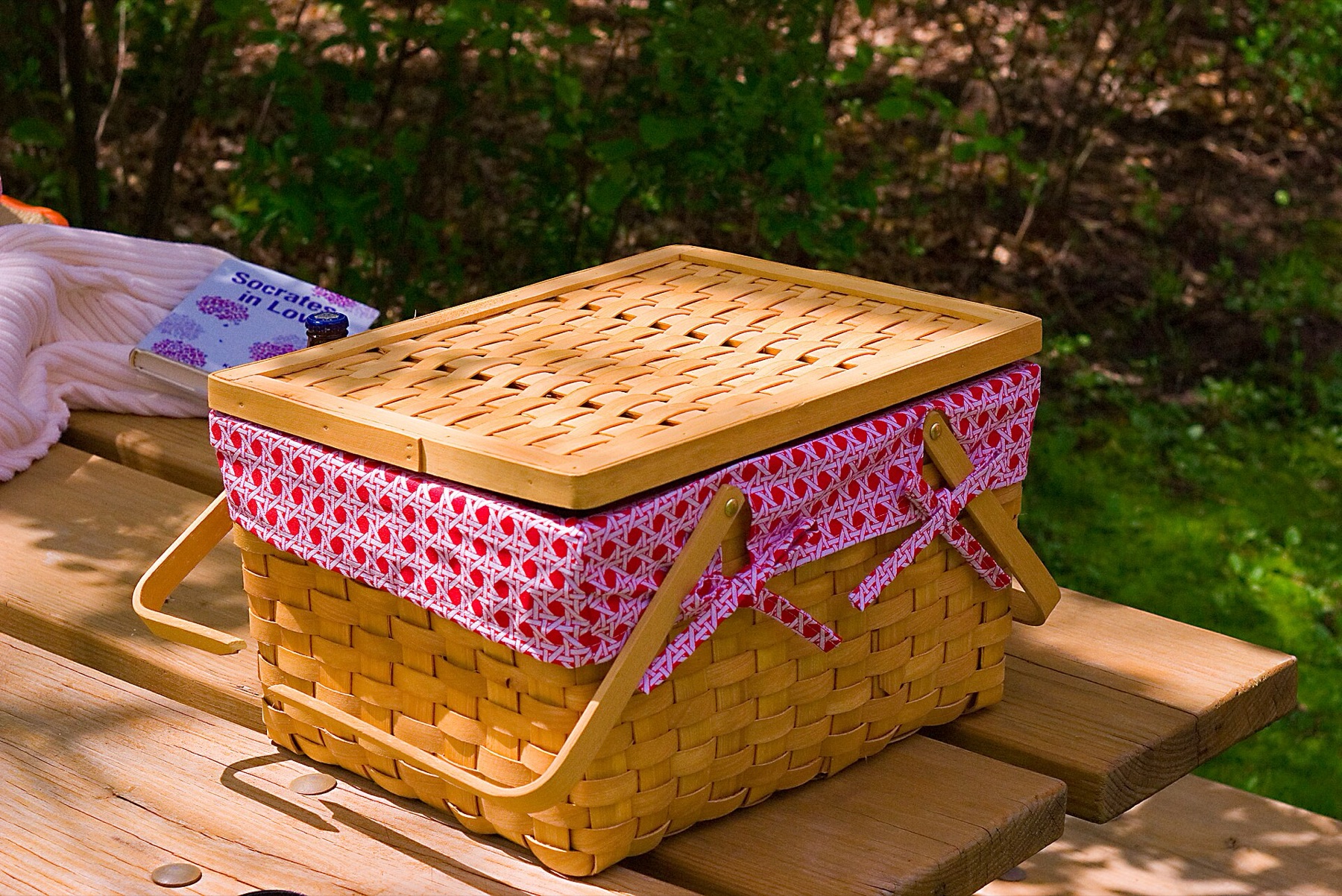
Once you’re clear on vintage vs vintage-style, look closely at how the basket is built. Guides on basket styles and appraisal recommend checking material, weave, joinery, and repairs before deciding if an older basket is up to regular use.Antique basket identification references stress that these details reveal both authenticity and durability.
Material and weave
- Wicker/rattan: Classic country look; flexible but can fray or snap with age.
- Bamboo: Often split and woven; lighter weight, but check for cracks and insect damage.
- Wood/fiberboard hampers: Common in mid‑century picnic sets; sturdy walls with metal or leather hardware.
On photos, zoom in on the weave. Hand‑woven vintage baskets usually have slight irregularities, whereas modern machine weaves look extremely uniform.Linen & Wildflowers’ overview of vintage basket styles calls out weave pattern, material, and overall craftsmanship as core authenticity clues.
Size and capacity
Think about your real use case:
- Couples or small families: A medium lidded basket that fits a blanket, a few containers, and drinks.
- Event styling or resale: Larger hampers or multiple matching mid‑size baskets that present well in photos.
- Decor only: Size that fits shelves, tops of cabinets, or display walls without being awkward.
Check listing dimensions; older baskets can be surprisingly compact compared with modern “family size” hampers.
Craftsmanship and hardware
Appraisal guides recommend examining construction details before relying on an older basket for regular outings.Antique identifier resources suggest paying attention to:
- Handle joinery: Are handles pegged through the frame, wired on, or screwed with metal hardware? Loose or corroded hardware is a red flag.
- Lid hinges: For split lids, look for smooth opening and closing, not wobbling or gaps.
- Reinforcement bands: Leather or metal bands at the rim can signal sturdier construction—but check for rust or dried, cracked leather.
Condition checklist for usability and value
Damage affects both function and collectibility. Appraisily’s picnic basket guide notes that broken handles, loose lids, frayed wicker, and heavy staining generally reduce value.
Use this quick scan before you buy:
- Handles: Any splitting, soft spots, or obvious repairs? A broken handle can make the basket unusable.
- Lids and hinges: Do photos show lids sitting flush? Warped lids won’t protect contents well.
- Weave and frame: Look for missing strands, holes, or sections that bow out.
- Interior: Staining, mold, or strong odors are hard to fix and matter if you plan to carry food.
- Repairs: Spliced-in wicker, replacement hardware, or painted-over damage can be fine for decor, but they change the basket’s originality.
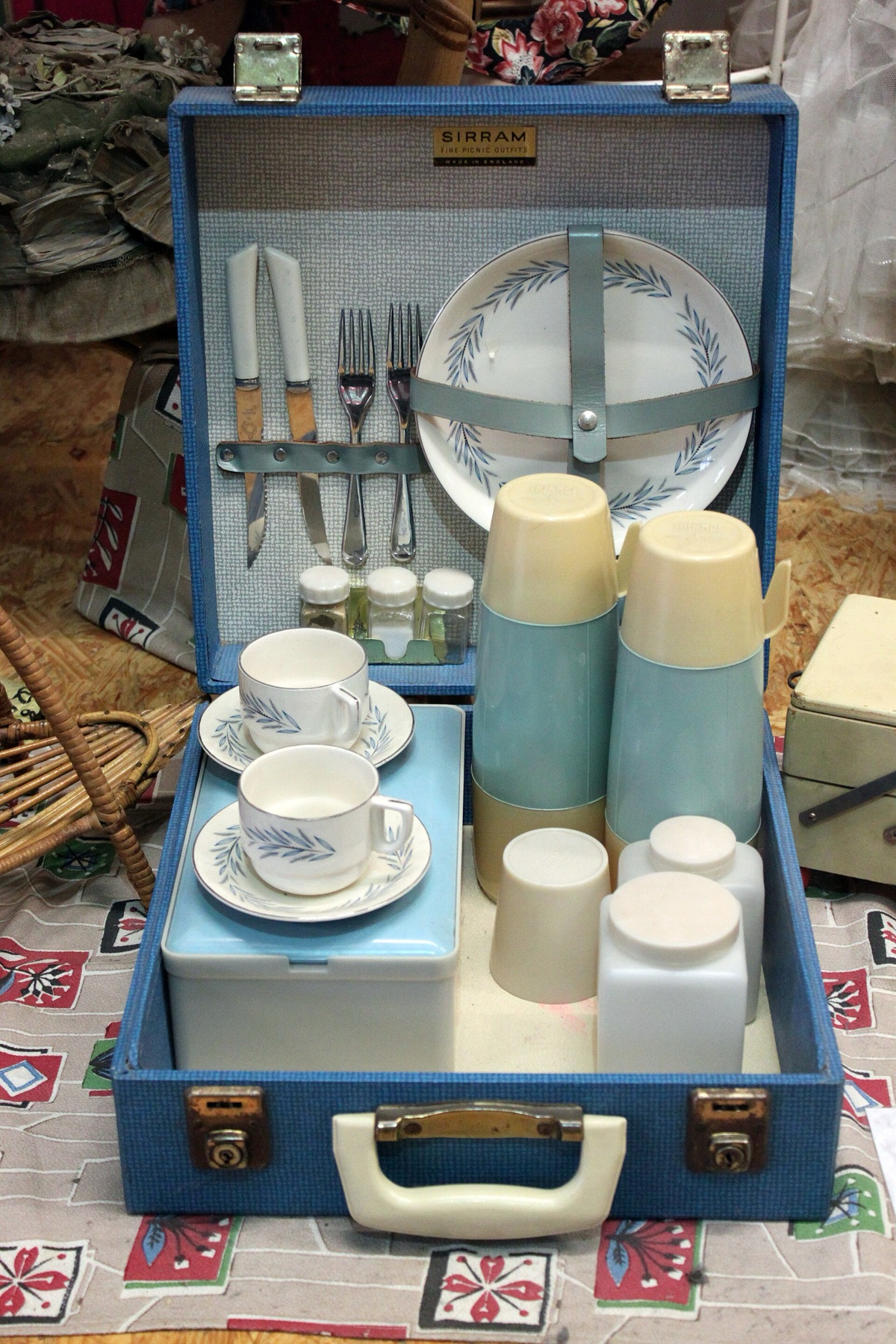
If you need the basket to actually haul weight, aim for sound handles, tight lids, and minimal structural repairs. For purely decorative or staging use, cosmetic flaws can be acceptable and sometimes charming.
Where to Look: True Vintage Sources vs Modern Marketplaces (Including DHgate)
You have two broad paths: hunt for one‑off vintage/antique baskets, or source new vintage‑style pieces that hit the look without the age.
Channels for authentic vintage and antique baskets
Specialist vintage marketplaces tend to list unique baskets from individual sellers:
- Etsy: Their vintage category is full of labeled “antique” and “vintage” picnic baskets, often with specific maker names, age estimates, and detailed photos.Etsy’s antique picnic basket listings are a good starting point if you want a single character piece.
- Chairish: Focused on home decor and furnishings; picnic baskets appear as part of styled vintage collections and can skew toward mid‑century and designer looks.Chairish’s picnic basket search shows how these baskets are positioned as decor objects as much as functional carriers.
- Local antique malls and flea markets: You can handle the basket and check condition directly, which is useful if you plan to use it often.
These sources make more sense if:
- Age, patina, and original hardware are part of the story you’re selling.
- You’re curating a small, distinctive collection rather than buying multiples.
Marketplaces for vintage-style and bulk-friendly options
For new baskets with a retro look, broader marketplaces are more practical:
- Large e-commerce platforms (general): You’ll find mass‑produced wicker and bamboo baskets marketed as “retro” or “farmhouse” decor.
- DHgate: Editorial content about boutique sourcing describes DHgate as a global marketplace connecting buyers with manufacturers and sellers across categories, including vintage-style goods at competitive prices.DHgate’s boutique sourcing overview highlights its role for cross‑border sourcing and themed inventory.
For US buyers or small ecommerce businesses, DHgate and similar platforms are a better fit when:
- You need multiple baskets in the same style—for event rentals, prop styling, or an online shop that wants consistent photos.
- Authentic age isn’t critical; you mainly want the look plus predictable sizing.
- You’re comfortable sourcing cross‑border and building your own criteria for seller reliability.
By contrast, if your customers care about true vintage or antique status, you’ll likely lean toward Etsy, Chairish, or local dealers for their one‑off older pieces.
Quick channel comparison
| Goal / Use Case | Best fit for true vintage/antique | Best fit for vintage-style new baskets |
|---|---|---|
| One special basket for personal picnics | Etsy, local antique shops | General e-commerce sites |
| Styled home decor or photo props (few pcs) | Etsy, Chairish, flea markets | DHgate or other broad marketplaces |
| Small ecommerce shop needing multiples | Harder to source consistently | DHgate and manufacturer-heavy markets |
| Collector value and maker marks | Etsy, specialty dealers | Not typically suitable |
If you’re mixing both—say, one true vintage showpiece plus supporting vintage-style stock—just be transparent in your product descriptions so buyers know which is which.
For additional DHgate platform context, use Find trusted sellers on DHgate, and Review the DHgate order-readiness checklist.
For a deeper dive into how DHgate works overall, you can read What DHgate is and how the marketplace works, then apply the material, size, craftsmanship, and condition checks from this article to any picnic basket or basket-style decor you’re considering there.