
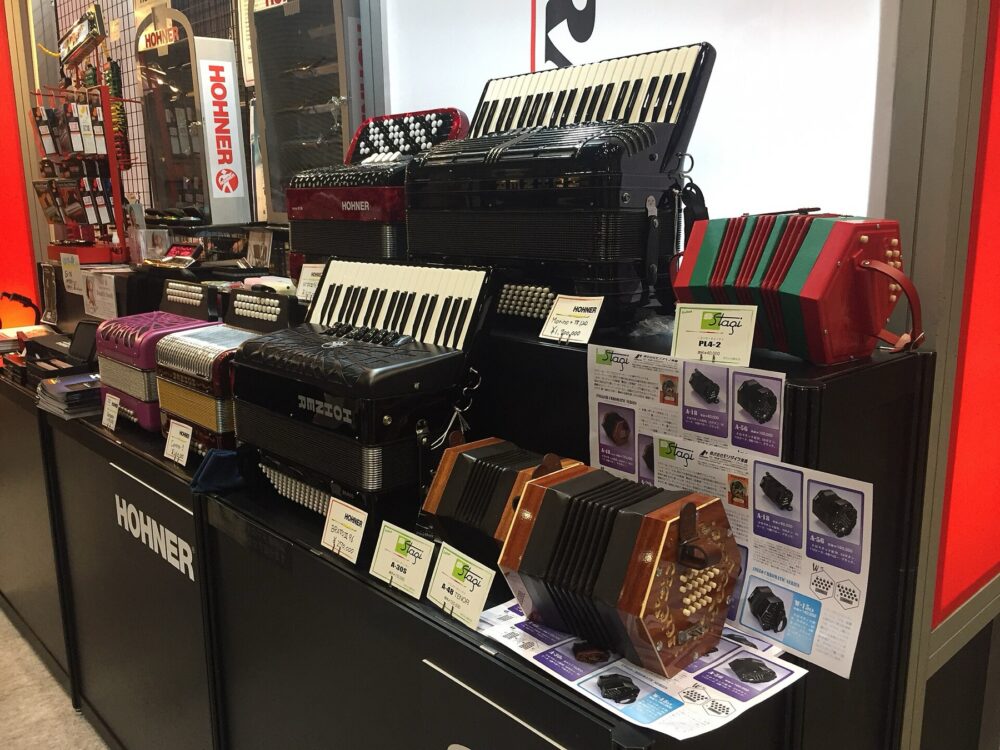
Choosing the right accordion starts with two big choices: piano vs button keyboard, and diatonic vs chromatic tuning. From there, you match reed “voices,” bass button count, size, weight, and tuning to how you’ll actually use the instrument—solo practice, gigs, or resale stock. Only after you know the type and spec that fits should you compare channels like local shops, Guitar Center–style retailers, used instruments, and cross‑border marketplaces such as Alibaba or DHgate.
What an Accordion Actually Is and Who Each Type Suits
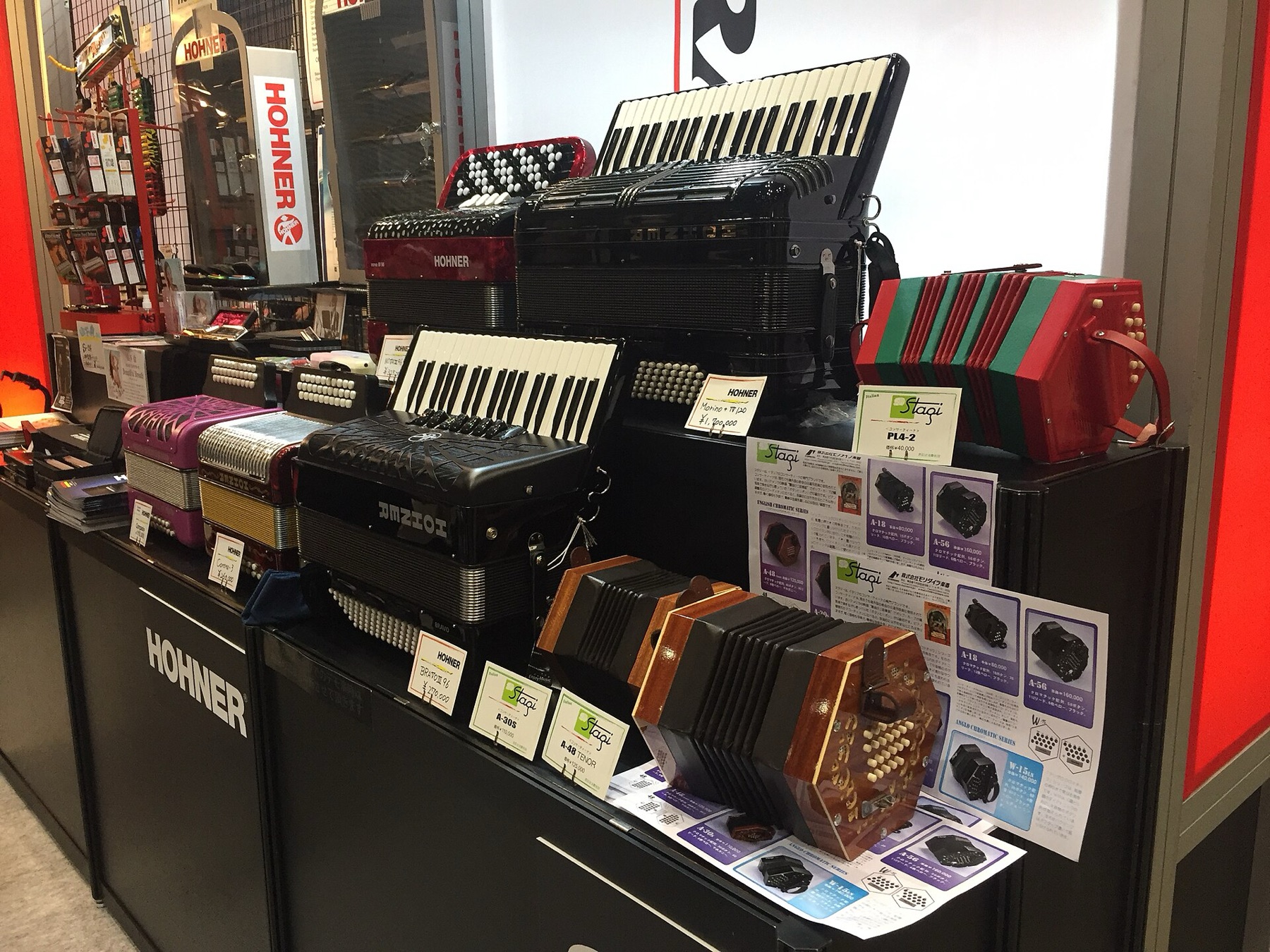
An accordion is a free‑reed instrument: you push and pull the bellows while pressing keys or buttons to open reeds that produce sound. For buying decisions, the first fork in the road is the keyboard side.
Piano accordions have a small piano keyboard on the right hand. They’re a common choice for beginners because many players already understand piano layout, and they work well for broad styles from classical and pop to jazz and folk. Guides like BMA’s overview emphasize that they suit players who want flexible repertoire and a familiar key pattern.
Button accordions use rows of buttons instead of piano keys. They’re lighter and more compact for the same range, but the layout is less intuitive if you haven’t played one before. Button designs split into two main families:
- Diatonic button accordions (often called melodeons or just “button boxes”) are usually tuned to specific keys and change notes when you push vs pull the bellows. They’re widely associated with folk genres—Irish traditional, Cajun, Tex‑Mex, and other regional styles—because they give a punchy, rhythmic feel in a limited set of keys.
- Chromatic button accordions have a layout that lets you play in all keys, and notes don’t usually change with bellows direction. They’re used for richer, wide‑range repertoire similar to piano accordion: jazz, classical, and modern cross‑genre playing.
As Accordionwise points out, you pick type largely by repertoire and learning path. A US learner who wants to play a mix of pop and standards will likely find a modest piano accordion more practical. A player targeting Irish or Cajun sessions specifically might be better served by a diatonic button instrument in the keys those sessions use.
Quick scenario examples:
- Casual learner: piano accordion with a simplified bass side, moderate size to keep weight down.
- Folk enthusiast: diatonic button accordion in common session keys, accepting its key limitations.
- Ambitious student aiming at conservatory repertoire: chromatic or full‑range piano accordion with more voices and bass options.
Specs That Actually Change How an Accordion Feels
Once you’ve picked a type, listings start throwing specs at you: voices, bass buttons, weight, tuning. Those aren’t just marketing—they define how playable the instrument is and how much it makes sense for resale.
Voices (reed ranks)
Each “voice” is a set of reeds tuned to a specific octave or timbre. More voices mean thicker, richer sound and more register switches, but also more weight and complexity.
- 2 voices: often enough for beginners and casual players—one low, one middle, with a simple tone change.
- 3-4 voices: common for intermediate and gigging players; gives more color (musette, dry tuning options) and stronger projection.
Costa’s Berlin shop notes in its accordion FAQ that reed ranks are one of the first questions buyers ask because they directly affect sound and carrying weight.
Bass button count
The left hand usually has bass and chord buttons arranged in a “Stradella” system. Listings highlight this as 12, 48, 72, 96, 120 bass, etc.
- Fewer bass buttons = lighter, simpler instrument with a smaller range.
- More bass buttons = wider harmonic options and better fit for advanced repertoire, but heavier.
Beginner‑oriented guides like TelectronicHub suggest moderate bass counts and lighter weight for new players—a 48-72 bass piano accordion is often a comfortable compromise.
Size and weight
You’ll see listings describe compact vs full‑size bodies. Larger instruments carry bigger keyboards and more reeds but can be tiring to play, especially for younger or smaller players. For a first accordion or budget resale stock, choosing moderate size and weight helps reduce returns and buyer fatigue.
Tuning and key layout
Diatonic accordions are marketed heavily by button count and row layout, such as “34‑button, 2‑row” designs. A guide on MachinistPick about diatonic accordions notes that button count and rows directly set your available notes and overall price bracket, which matters in folk styles where players want specific keys for session compatibility.
Chromatic and piano accordions focus more on tuning style (dry vs musette) and available registers. These aspects influence whether the instrument leans toward folk brightness, classical clarity, or dance‑music richness.
Specs in real‑world scenarios
Here are starting points that fit common scenarios and make spec comparisons more concrete:
| Player / Use Case | Type & Tuning | Voices (Reed Ranks) | Bass Buttons (approx.) | Why This Makes Sense |
|---|---|---|---|---|
| Absolute beginner (home) | Piano, standard tuning | 2 | 48-72 | Enough range without excess weight or complexity |
| Intermediate, local gigs | Piano or chromatic button | 3-4 | 72-96 | More tone options and bass range for varied set lists |
| Folk‑only player | Diatonic button in session keys | 2-3 | Often limited / simple | Lighter box optimized for specific folk repertoire |
| Small ecommerce reseller | Entry‑level piano or diatonic | 2-3 | 48-72 | Accessible spec that appeals to many first‑time buyers |
None of these configurations is universally “best,” but they’re realistic anchors when you compare actual listings.
New, Used, and Cross‑Border Accordion Offers (Including DHgate)
Once you know what you’re shopping for, the sales channel becomes a strategic choice—both for personal buying and for stocking a small store.
Specialty accordion shops and luthiers. These stores (including niche online retailers highlighted in comparison sites that feature accordion categories) tend to carry a focused range, from beginner models to high‑end instruments. Advantages: expert guidance, the ability to try instruments, and often in‑house setup or repair. Drawback: prices may be higher than mass‑market channels, and selection can be narrow geographically.
Used market (local and online). Facebook Marketplace, classifieds, and used gear platforms can be cost‑effective, especially for vintage accordions. The trade‑off is condition risk: reeds, bellows, and mechanics are wear items. You’ll need to ask specific questions about airtightness, tuning, and repairs, or budget for a technician.
Large cross‑border marketplaces (Alibaba‑type, DHgate‑style). Platforms like Alibaba’s wholesale accordion listings show that a wide variety of accordions are offered from overseas manufacturers, often with a focus on low unit cost and bulk or OEM sales. DHgate is another cross‑border marketplace in this space: relevant when you’re exploring lower‑priced or lesser‑known brands, or sourcing unbranded accordions and accessories.
Compared with specialty shops, cross‑border marketplaces typically:
- Offer more factory‑direct or generic models with varied specs.
- Require closer scrutiny of listing details (button count, voices, weight) because hands‑on inspection isn’t possible.
When cross‑border isn’t a good fit:
- You’re buying your very first accordion and can visit a specialty store to try different sizes.
When cross‑border might belong on the shortlist:
- You’re experimenting with inexpensive starter instruments for a classroom or entry‑level online shop.
- You’re open to generic brands and can explain specs clearly to your buyers.
- You’re comfortable doing extra homework on seller reputation and product configuration before you commit.
For additional DHgate platform context, see:
- What DHgate is and how the marketplace works
- How to find trusted sellers on DHgate
- DHgate order‑readiness checklist before checkout
If you start with a clear target spec—say, a 2‑voice, 48-72 bass piano accordion for beginners—you can quickly rule out listings that don’t match, and concentrate on comparing build descriptions and total landed cost across local, mainstream, used, and cross‑border options.