
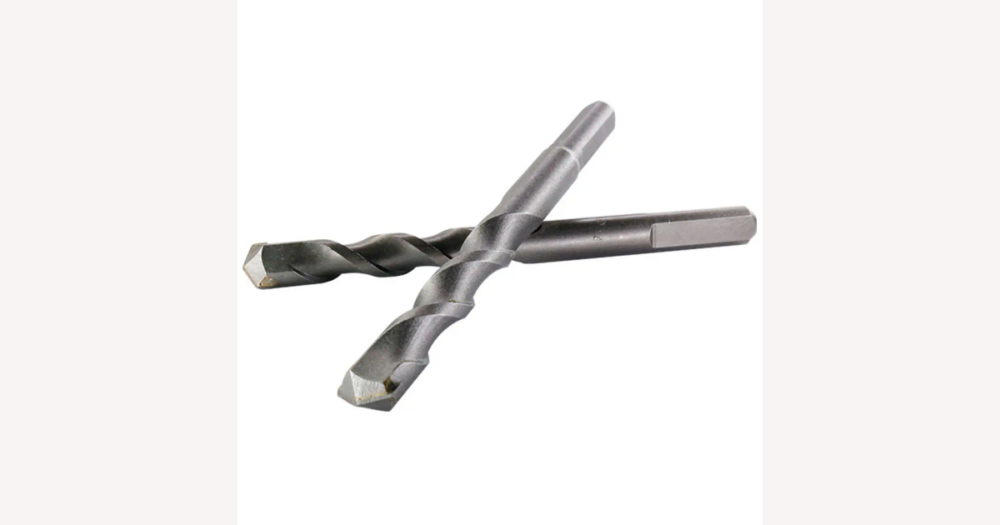
When you search DHgate for a 3mm drill bit, you’re not choosing one universal tool—you’re choosing among designs and materials suited to different workpieces. A 3mm twist bit might be fine for soft wood and plastic, while concrete, brick, tile, or glass call for masonry or diamond‑tipped bits. This guide shows you how to match the bit type to the material, then make a few simple checks on specifications, seller reliability, and order details before placing a safer, better‑informed DHgate order.
Why a 3mm drill bit isn’t one-size-fits-all
On DHgate, “3mm” on a drill bit listing only tells you the diameter of the hole it’s meant to make. It doesn’t tell you what the bit is made of, how the tip is shaped, or which materials it can actually drill. That means two different 3mm bits can behave very differently on the same workpiece.
Most 3mm bits you’ll see fall into a few broad categories. General‑purpose twist drill bits are common and are usually intended for everyday drilling in wood, plastic, and softer metals. Wood‑focused bits, such as brad‑point drills, have a tip that starts cleanly in wood and helps reduce splintering. Masonry bits use a different cutting edge, often with a carbide tip, to cope with concrete, brick, and other hard, abrasive materials. For brittle surfaces like ceramic tile or glass, dedicated glass/tile bits or small diamond‑tipped bits are used to cut without cracking the surface.
Because DHgate listings may all highlight “3mm” in the title, it’s easy to assume any bit of that size will work everywhere. In practice, you need to match the bit type and its stated intended materials to your project, and treat size as just one specification among others. Clear information about bit type and use is more reliable than vague promises that a single 3mm bit will handle every material.
Bit materials, coatings, and what they tell you about use
Once you know that 3mm bits come in different designs, the bit’s base material offers another clue to its suitability. High‑speed steel (HSS) is the standard general‑purpose choice: it handles most wood, plastics, and many metals for typical DIY use. Cobalt‑alloy bits are harder and more heat-resistant, making them useful for tougher metals such as stainless steel when you want the cutting edge to stay sharper under heat. Carbide bits and carbide‑tipped designs are harder still, and are typically used for very hard or abrasive materials that would quickly wear out softer steels. Masonry bits usually combine a steel body with a tough carbide cutting tip shaped specifically for concrete, brick, stone, and similar materials.
Coatings add another layer of information. Black oxide is a common dark finish that offers basic corrosion resistance and slightly smoother drilling compared with bare steel. Titanium nitride (often shortened to TiN) and similar golden or colored coatings are intended to reduce friction and wear so the bit stays sharp longer, especially in metal. For glass, tile, and ceramics, many small bits use diamond or other abrasive tips: instead of cutting like a traditional twist bit, they grind through a hard, brittle surface in a more controlled way.
These material and coating labels are more useful than broad promises in the listing text. A seller might claim a 3mm bit “drills everything” or is “super durable,” but this guide treats those phrases as marketing rather than proven performance. At a small size like 3mm, a plainly described HSS bit is usually enough for light work in soft wood or plastic, while tougher jobs justify cobalt, carbide, or masonry‑style designs. When you read a DHgate listing, look for clear statements of the base material and any coating; if those specs are missing or very vague, it’s a sign to be cautious, especially for demanding materials.
Which 3mm bit to use for wood, metal, plastic, masonry, tile, and glass
| Workpiece material | Recommended 3mm bit type | Typical bit material/coating | Notes on when general-purpose bits are acceptable | Caution on multi-material bits |
|---|---|---|---|---|
| Soft wood | Standard twist drill or brad-point wood bit | HSS, optionally black oxide | A general-purpose 3mm HSS twist bit is usually fine for soft woods if it’s reasonably sharp; brad-point bits give cleaner, more precise holes. | Multi-material bits are acceptable only if the listing clearly mentions wood; broad “universal” claims add little value for such an easy material. |
| Hardwood (e.g., oak, maple) | Brad-point wood bit or quality twist drill | HSS or HSS with TiN coating | A general-purpose HSS twist bit can work for shallow holes, but hardwood benefits from wood-specific brad-point designs to reduce wandering and tear-out. | Combo bits that are not clearly labeled for wood can overheat or tear fibers; avoid relying on “drills anything” slogans for dense hardwoods. |
| Plastics (acrylic, PVC, ABS) | Standard twist drill marketed for plastic or fine-point HSS twist bit | HSS, often uncoated or lightly coated | General-purpose 3mm HSS twist bits are commonly used on plastics as long as you drill gently; most DHgate buyers don’t need a special plastic-only bit. | Multi-material bits may work but can grab or chip brittle plastics; choose them only when they explicitly mention plastic and you accept variable results. |
| Aluminum and other soft metals | Standard twist drill for metal | HSS, sometimes TiN-coated | A general-purpose HSS twist bit is usually adequate for aluminum and other softer metals for light DIY work. | Multi-material bits that list metal among their uses can be a convenience option, but treat them as a compromise and avoid those that only promise vague “super hard” performance. |
| Mild steel and stainless steel | Metal-specific twist drill, preferably cobalt or premium HSS | Cobalt alloy or TiN-coated HSS | A basic HSS twist bit may handle thin mild steel, but for stainless or repeated use it’s safer to look for cobalt or clearly metal-rated bits instead of generic options. | Multi-material bits often struggle in tougher metals; on DHgate, be cautious of any combo bit claiming to drill steel without clear metal-spec labels. |
| Concrete and brick | Masonry drill bit with carbide tip | Steel body with carbide tip, sometimes with specialized masonry coating | General-purpose HSS twist bits are not suitable; they dull quickly and may barely scratch concrete or brick. | Multi-material bits should not replace true masonry bits on concrete/brick unless the listing clearly describes a masonry tip; even then, expect performance to vary by quality and technique. |
| Ceramic tile | Glass/tile bit or small diamond-tipped bit | Carbide-tipped glass/tile design or diamond abrasive tip | Standard twist bits are likely to chip or crack tiles and are not recommended; specialized tile or diamond bits are strongly preferred. | Multi-material bits are risky here unless the seller clearly states tile/ceramic compatibility and shows an appropriate tip; treat “for all materials” claims as marketing, not proof. |
| Glass | Spear-point glass bit or diamond drill/rotary bit | Carbide spear-point or diamond-coated tip | General-purpose twist bits should be avoided on glass; they usually slip and can shatter the surface. | Even if a multi-material bit mentions glass, it is a compromise solution; for fragile glass work, I would prefer a bit explicitly labeled for glass over any broad “combo” option. |
What happens if you pick the wrong 3mm bit
Quick DHgate checks before you order a 3mm drill bit
- Check the size: confirm that the specifications clearly state 3mm, identify the unit as millimeters, and match the hole size you actually need.
- Check the bit material and intended use: look for clear names such as HSS, cobalt, carbide, or masonry, plus a specific list of suitable materials (for example, wood and plastic, or concrete and brick). Treat listings that are very vague or missing this information with caution.
- Inspect the photos: look closely at the tip shape (twist, masonry, glass/tile style) and the shank type (round, hex, etc.) to make sure they match the bit type you decided on earlier and fit the chuck on your drill.
- Review seller history: scan ratings, number of orders, and buyer reviews for obvious complaints about poor quality, wrong size, or mislabeling. Use this as a basic filter rather than proof that performance is fully verified.
- Confirm logistics: check estimated shipping times, shipping costs, and the seller’s return or refund terms so you know what your options are if the 3mm bit arrives and doesn’t match your material or expectations.
- Use DHgate’s payment system: place the order and pay through DHgate itself, not through off-platform messages or external payment links, so you keep access to DHgate’s order records and dispute tools.
- Cross-check claims: compare the listing’s material and type names with standard conventions, such as HSS twist bit for general wood/metal work and masonry bit for concrete. Review several similar listings to spot unusually low prices or inconsistent specifications. Personally, I would prioritize listings with clear, consistent specifications and feedback; choosing the absolute cheapest option with vague details is only a reasonable compromise for light, non-critical tasks on forgiving materials like soft wood or plastic.
FAQ: Using 3mm drill bits across materials and planning your purchase
Can one 3mm drill bit work across several different materials?
A single general-purpose 3mm HSS twist bit can often handle forgiving materials like soft wood, many plastics, and softer metals (such as aluminum) for light tasks. However, it’s a compromise: it’s not ideal for harder metals, concrete, tile, or glass. For those tougher or more brittle materials, a dedicated masonry, glass/tile, or diamond-tipped bit is usually the safer choice. On DHgate, treat any claim that one 3mm bit can “drill everything” as marketing and rely instead on clear statements of material compatibility.
How many 3mm drill bits should I buy for a small project?
For small projects, ordering a few spare 3mm bits is sensible. Small-diameter bits can dull or break more easily, especially in metal or masonry, and having extras saves you from placing another order and waiting for new pieces to arrive. As a rough approach, many buyers choose a small set rather than a single bit—enough that a broken or worn bit doesn’t stop the job. I would treat extra bits as cheap insurance, particularly if you plan to drill metal or concrete.
Are multi-material or “combo” 3mm bits a good option for casual use?
Multi-material or “combo” bits can be convenient for casual users who mostly drill forgiving materials and don’t want to manage several specialized bits. If a DHgate listing clearly lists compatible materials like wood, plastic, and soft metals, a 3mm combo bit may be a reasonable compromise for light, occasional work. They are not guaranteed replacements for proper masonry or glass/tile bits, though, and performance on concrete, brick, tile, or glass can vary a lot. Personally, I would reserve combo bits for non-critical tasks and choose material-specific bits whenever the job or workpiece is important.