
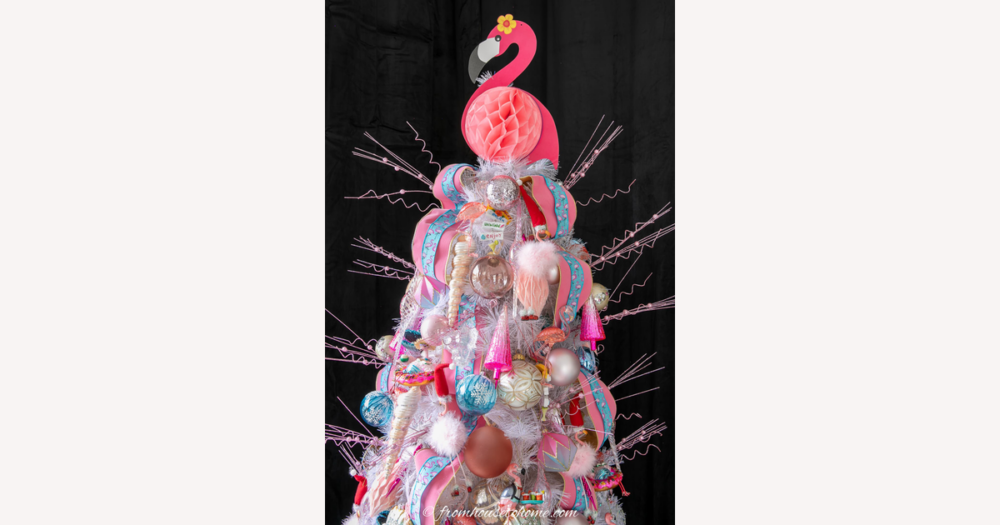
If you’re searching DHgate for the “best” pink flamingo tree topper, the real question isn’t which listing has the loudest marketing—it’s which topper actually suits your tree, your decor, and your comfort level with materials and seller risk. On DHgate, a good flamingo topper is one whose design and color work with your Christmas theme, whose size, weight, and attachment style match your specific tree, and whose listing and seller show clear, basic reliability on shipping, reviews, and dispute options. This guide breaks those dimensions down so you can read flamingo topper listings with a clearer idea of what “best” means for you.
What “best pink flamingo tree topper” really means when you’re shopping on DHgate
On DHgate, there isn’t a single universally “best” pink flamingo tree topper. The right choice is the one that fits your actual tree, suits your room’s Christmas theme, uses materials you’re comfortable with, and comes from a seller whose listing looks reliable enough for you to trust the order, shipping, and refund process.
“Best” starts with visual style and color. Some flamingo toppers lean tropical and bold, others feel pastel and cute, and a few are more minimalist or graphic. On DHgate, you define the best look by how well the flamingo’s shade of pink, overall shape, and details match the rest of your decorations, rather than by any marketing claim that it’s the brightest or most adorable topper on the site.
Tree compatibility is just as important. A topper that overwhelms a small 5‑foot tree or disappears on a very tall one won’t feel “best” once it’s in place. Think about your tree height and the thickness of the top branch, and whether the tree is real or artificial. A heavier or taller flamingo needs a stronger, more stable top branch and a secure attachment style; a lighter piece with a simple clip or cone base may be better for slender artificial tips.
Materials and construction define how the topper feels and how long it will last. On DHgate you’ll see everything from glossy plastic flamingos to fabric-covered bodies with feathers, glitter, or faux fur. Glossy plastics and resin usually hold their shape and resist scuffs better, but can look less plush. Feathered and glittery toppers can look dramatic and fun, but they’re more likely to shed, crease, or snag during a season, especially if you handle them often.
Because DHgate is a marketplace, basic transaction trust is part of what “best” means. A good flamingo topper listing comes from a seller with solid ratings, a history of completed orders, and reviews that mention the actual product—color accuracy, sturdiness, shedding, packaging—rather than just generic praise. Clear shipping time estimates, return information, and dispute options make it easier to feel confident that the topper will arrive roughly as described or that you have a path if something goes wrong.
Personally, if I’m decorating a normal home tree for one season, I focus first on getting the flamingo’s design and size right for my tree and room. I’m willing to accept mid‑tier materials—some plastic, some glitter—so long as the listing photos look consistent and the seller’s ratings and policies seem trustworthy. If I were buying for a large display tree or planning to reuse the topper year after year, I’d flip that priority and put sturdier materials and construction first, even if the pink isn’t a perfect match or the style is slightly simpler. On DHgate, “best” is the balance of style, fit, and reliability that works for your specific tree and your comfort level with marketplace risk.
Materials and construction: how your flamingo topper will actually look and wear
After defining what “best” means, look closely at material and construction: they determine how your flamingo topper will actually look and wear on the tree. Many commercial toppers use hard plastic or resin for the main flamingo body. These materials keep the shape crisp, hold detailed beaks and legs well, and tend to resist light scuffs. The tradeoff is that they can look more rigid or shiny, which may feel less plush or cozy than fabric or feathered options.
Fabric-covered forms sit in the middle. A flamingo made around a core and wrapped in fabric can look softer and more textured, especially in pastel or matte pinks. However, fabric can crease, attract dust, and show wear if it’s folded or stored badly. Stitching quality matters: loose seams, fraying edges, or poorly glued trims are more likely to show up in close-up photos or in buyer reviews, and they’re early signs that the topper may not hold up well beyond a season.
Feathered or faux-fur bodies offer the most dramatic flamingo look. Layers of artificial feathers or fluffy fibers make the topper feel extravagant and whimsical, but they’re the most delicate option. Feathers and loose fibers can shed, snag on branches, or look uneven if the topper is squeezed during shipping. Heavy glitter and sequins add sparkle yet can also flake off over time, especially around high-contact areas like the head and wings. If you choose these finishes, expect to handle the topper gently and accept some shedding as normal.
Underneath the surface, many toppers use foam or other lightweight cores to keep weight down at the tip of the tree. A well-made foam core helps the flamingo sit comfortably on thinner branches, but foam can dent if it’s crushed or stored under heavier items. More solid cores in plastic or resin tend to be tougher but add weight, which increases the need for a sturdy top branch and secure attachment.
Construction details like internal wire frames and attachment hardware affect stability. Wire inside the neck, wings, or legs lets you pose the flamingo slightly and can help wrap or hook parts around branches for a steadier perch. Cone bases, clips, or loops attached firmly to the body keep the topper aligned at the top of the tree; flimsy or loosely fixed hardware makes it more likely to tilt or slide. A heavier flamingo with minimal attachment support will be harder to keep upright than a lighter one with a well-designed base.
For a one-off themed tree, I’d personally accept more delicate materials—feathers, glitter, even lighter foam cores—if they deliver the visual drama I want and the listing doesn’t show obvious defects. For a topper I expect to reuse, I’d lean toward more robust plastics or well-stitched fabric with minimal loose glitter, so it survives storage and handling. On DHgate, you can weigh these tradeoffs by studying close-up photos, reading material bullet points in the description, and checking reviews for mentions of shedding, damage, or wobbly attachments before you decide which construction style suits your tree and your plans.
Flamingo design styles and matching them to your Christmas theme
Design style is what makes a pink flamingo topper feel “right” for your tree on DHgate. Broadly, you’ll see full 3D flamingo figures, flat silhouettes or cutouts, heavily feathered or fluffy versions, and sleek glittered or marble-pattern designs. Each type creates a different mood, so it helps to think about the tree and room you’re decorating before you fall for one dramatic product photo.
A full 3D flamingo figure—standing, flying, or perched—tends to look bold and playful. The body, wings, and legs are usually well defined, and bright pinks or coral tones stand out against green branches. This suits tropical or beach-themed trees with teals, golds, and novelty ornaments, or any bold novelty tree where you want the topper to instantly read as a flamingo from across the room. If your living-room tree already has lots of statement ornaments, a very detailed 3D topper can start to compete with them, so it’s worth considering whether you want that much visual weight at the top.
Flat silhouettes or cutout-style flamingos feel cleaner and more graphic. They may be made from plastic, metal, or layered board and often use solid pinks with simple outlines. These work well on pastel or candy-colored trees where softer colors and simpler shapes keep the overall look light, and on minimalist or modern trees where you want a hint of whimsy without adding a big volume of feathers. If your ornaments are mostly spheres or simple shapes, a flat flamingo can echo that restraint while still tying into the pink theme.
Heavily feathered or faux-fur flamingo toppers are all about fluff and drama. The body can read as a cloud of pink feathers, sometimes with extra plumes or a tail cascading down. On a bold novelty or themed tree—think party setup, bar area, or a display in a shop—this kind of topper becomes the main focal point and looks right at home next to glitter-heavy ornaments and bright lights. On a small or already busy home tree, the same topper might overwhelm the top branches and visually crowd the space, so it’s better reserved for places where you actually want the flamingo to dominate the view.
Glossy glittered or marble-pattern flamingos sit between playful and polished. They often use smooth surfaces with metallic or pearlescent pinks, swirling patterns, or restrained glitter accents. These designs pair naturally with modern, chic trees that use metallic ornaments, glass baubles, and a tighter color palette. Because the shape is usually simpler than a full feathered body, the topper can stand out without shouting; it becomes a stylish accent rather than a costume piece.
The “best” style is the one that feels visually coherent with the rest of your room and ornaments, not the one with the most complex construction. For a typical living-room tree, I’d choose a flamingo that echoes colors already on the tree—maybe repeating the main pink and one metallic tone—and avoid a topper that’s so large or ornate that it drowns out everything below it. For a display or party tree, I might deliberately choose an oversized, flamboyant flamingo with extra feathers or glitter so it becomes the centre of attention.
When you’re browsing DHgate, use listing galleries as a tool rather than just a showcase. Study how the flamingo looks against the sample tree and imagine that same proportion and color next to your existing ornaments and wall colors. If the topper only looks balanced on a very sparse or very dense tree in the photos, adjust your expectations accordingly. Judging the design in the context of your own space—rather than in isolation—makes it much easier to pick a flamingo style that will feel “best” once it’s actually on your tree.
Getting the size, weight, and attachment right for your tree
Once you have a flamingo style in mind, check whether it will physically work on your tree. Size, weight, and attachment determine whether the topper looks proportionate and stays put, so translate vague measurements and product photos into simple checks before you order on DHgate.
Think of topper height and width in relation to your tree. On a small tabletop tree (around 3–4 feet), a flamingo much taller than 6–7 inches can look oversized and may pull the top branch off centre. On a typical 4–6 ft living-room tree, many people find a topper in roughly the 7–10 inch range feels visible without swallowing the top section. Taller display trees above about 7 ft can handle larger toppers, but even there, a flamingo that’s too wide or tall can crowd the upper branches and look awkward. If the listing shows measurements, compare the topper height to the visible top segment of your tree rather than the whole tree; you want the flamingo to be a clear focal point but still leave some green around it.
Weight is usually described qualitatively in listings—light, moderate, heavy—or implied by materials. Rigid resin bodies and dense feather coverings are typically heavier than simple plastic shells or lightly filled fabric forms. Heavier toppers demand thicker, more rigid top branches that won’t bend or twist; lightweight designs are safer for slim, artificial trees and thinner natural tips. If the sample photos show the topper on a very sturdy-looking branch and your tree’s top looks slimmer or more flexible, treat that as a warning sign and favour lighter construction.
Real trees and artificial trees behave differently. Real trees often have stronger, woody tips that can support more weight, but the branches are irregular, so you may have fewer perfect spots to balance a tall flamingo. Artificial trees usually have wired branches and tips that you can bend and wrap around the topper, which makes positioning easier for lightweight designs. However, those bendable branches can droop under heavy toppers, especially near the tip where there’s less support. For a slim artificial tree, I’d choose a flamingo described as lightweight and shown on branches similar in thickness to yours rather than pushing the heaviest option for extra impact.
Attachment style is what keeps the topper aligned. Cone bases slide over the tree’s top tip and work best when that tip is straight and reasonably thick; they’re common on full 3D figures. Clips grab onto one or two branches and can be useful on dense artificial foliage, where you can clip to several nearby branches for stability. Wire or twist ties wrap around the top section, letting you cinch the flamingo body firmly to a bundle of branches; this can be ideal for irregular real trees or for securing lighter toppers on artificial trees. Ribbon or string ties are more decorative but still effective if you can loop them around multiple branches and pull them snug.
In general, cone bases and sturdy clips are easier on dense artificial trees and well-shaped real trees, while wire or twist ties give you the most flexibility on awkward or sparse tops. If your tree has a very thin top branch, look for designs that use clips or ties rather than relying on a wide cone that might wobble. I would personally prioritise secure attachment and sensible proportion over chasing the tallest or most elaborate flamingo; on a tall, sturdy display tree I might accept extra weight and a more complex base for impact, but on a typical home tree I’d keep the topper compact enough that the branches clearly support it.
DHgate listings usually give you three clues: size measurements, any mention of weight or materials, and photos of the flamingo on a sample tree. Use all three. Check the height and width against your tree, note whether the materials imply light or heavy construction, and study how the topper sits on the branches in the photos. If it already looks like it’s bending the sample tree or crowding the top, assume it will behave similarly at home and choose a design that your branches can realistically carry.
DHgate trust checks: judging sellers and listings for flamingo toppers
On DHgate, the first trust signal for any pink flamingo tree topper is the seller’s overall rating and activity. A higher star rating backed by a meaningful number of completed orders suggests the seller has a track record, especially if they regularly sell decor or holiday items rather than only a few random listings. I’d be cautious with toppers from merchants who have very few sales or a rating that dips noticeably below the site average, because you have less evidence about how reliably they fulfil orders.
Buyer reviews and photos help show what the topper is actually like. For flamingo designs, look for comments about whether the pink color matches the listing photos, if the flamingo shape or pose looks as advertised, and whether the topper stayed upright on buyers’ trees. Mentions of feathers or glitter are especially useful: several reports of heavy shedding, bald patches, or glitter covering the floor are a warning sign, while notes that the topper feels sturdy, keeps its shape, and sheds only minimally are reassuring. User-uploaded photos can also show if the flamingo arrived squashed or creased and whether it fluffed out or straightened easily after unpacking.
Listing and policy details round out the trust picture. Check the estimated shipping time and any variability noted for your region so you know whether the topper is likely to arrive before you need it. Make sure shipping costs are clear and that the listing or seller page explains return or refund options if the topper arrives damaged or doesn’t match the description. DHgate’s dispute and buyer protection tools generally allow you to raise an issue if you and the seller can’t agree, but you shouldn’t rely on that alone; it’s better to start with listings that clearly describe how refunds, returns, and communication are handled.
Because this is décor, not a safety-critical product, most risks are about wasting time and money rather than serious harm. Even so, I would personally avoid flamingo toppers where multiple reviews mention breakage in transit, severe shedding, leaning or falling off the tree, or photos that look very different from the main images. A topper that looks perfect in the listing but repeatedly disappoints buyers is unlikely to be worth the hassle, especially when there are other designs whose ratings, reviews, and policies line up more closely with what you expect.
Step-by-step: how to evaluate a pink flamingo topper listing on DHgate
- Step 1: Scan the listing photos, including any lifestyle shots, to see how the flamingo topper looks on a tree and confirm that the pink tone, pose, and overall style match your preferred theme.
- Step 2: Read the material and construction details, noting mentions of plastic, fabric, feathers, glitter, foam cores, or wire frames, and mentally apply the appearance and durability trade-offs you care about.
- Step 3: Compare the listed height, width, any weight description, and the attachment style with your actual tree height and top branch strength to decide whether the topper will sit securely and look proportionate.
- Step 4: Check the seller’s rating, order history, and buyer reviews, focusing on comments about color accuracy, sturdiness on the tree, feather or glitter shedding, and how well the topper was packaged for shipping.
- Step 5: Confirm estimated shipping time, any extra fees, and the stated return or dispute options for damaged or misrepresented items, then decide whether this particular listing offers a sensible balance of looks, fit, and reliability for your tree.
Budget vs. premium flamingo toppers: choosing what’s worth paying for
When you scroll through pink flamingo toppers on a marketplace like DHgate, the main difference between budget and more premium-looking pieces is how much material and care went into the construction. Cheaper toppers often use thin plastic shells, sparse feathers or simple printed fabric, a light dusting of glitter, and basic attachment hardware. They can still look fun on a tree, but up close the shape may be flatter, the color less layered, and seams or glue points more visible.
Higher-end flamingo toppers usually feel fuller and more sculpted: denser feathers or faux fur, more rounded bodies and necks, richer or layered pink tones, and neater stitching or metal hardware that grips the tree more securely. Those upgrades tend to make the topper look more luxurious, shed less, and stay presentable over multiple seasons, though they rarely eliminate all minor flaws.
If I were trying out a flamingo theme for one year or decorating a secondary tree, I’d lean toward budget toppers and accept small imperfections, a bit of glitter fallout, or limited lifespan. If I knew the topper would sit on a large focal tree or come out every December, I’d willingly spend more on sturdier construction and fuller detailing, even if the exact shade of pink or style isn’t a perfect match to the room. Before you shop, decide how much wear, shedding, and minor defects you’re comfortable with, then use listing photos and buyer reviews to judge where each topper sits on that spectrum of budget versus premium.
Common pitfalls when buying pink flamingo toppers on a marketplace
- Misjudged size: toppers arriving much smaller or larger than expected because the listed height and width weren’t compared to the actual tree. Prevent it by checking dimensions against your tree height and the space around the top branch before you order.
- Weight and stability issues: heavier flamingos drooping on thin artificial branches or tilting on flexible tree tips. Prevent it by reading reviews for comments about stability, looking for any weight information, and picturing how that weight will sit on your specific tree top.
- Feather or glitter shedding: decorative materials that shed heavily, create mess, or make the topper look worn quickly. Prevent it by scanning reviews and user photos for mentions of shedding or loose glitter, and by being cautious if the listing emphasizes fluffiness without addressing fallout.
- Color surprises: the topper looking duller, brighter, or a different shade of pink than the listing photos suggest. Prevent it by checking buyer photos for real-world color and reading comments about whether the flamingo matched expectations or looked noticeably different in person.
- Unexpected shaping or assembly: needing to bend wires, fluff feathers, or gently reshape the topper after unpacking. Prevent it by checking the description and reviews for notes about simple assembly, and being ready to spend a few minutes adjusting the flamingo so it sits correctly on the tree.
- In practice, these aren’t safety hazards, but they can mean extra work or disappointment. I personally pay closest attention to size and stability first, then to shedding and color accuracy. If I were decorating a high-traffic display area, I’d be stricter about shedding and finish quality to avoid visible flaws and glitter or feathers ending up on the floor.
Quick checklist before you order a pink flamingo tree topper on DHgate
- Confirm your tree height and how sturdy the top branch is, so you know roughly how tall and heavy a flamingo topper it can support.
- Decide on your overall Christmas theme and preferred flamingo style (full figure, silhouette, feathered, or sleek) so listings that match stand out quickly.
- Choose which material and finish combinations you’re comfortable with for the expected length of use—for example, simple plastic for one season vs. sturdier fabric or feathered designs if you want to reuse the topper.
- Check the topper’s listed measurements, any weight description, and the attachment method (cone, clip, wire, ribbon) against your specific tree type to avoid drooping or wobbling.
- Review the DHgate seller’s rating, order history, and buyer reviews, paying attention to comments about color accuracy, sturdiness, feather or glitter shedding, and packaging quality.
- Note the estimated shipping time, any extra costs such as taxes or fees, and whether the delivery window works with when you plan to decorate your tree.
- Confirm how returns, refunds, and dispute options work for damaged or misrepresented goods on DHgate, and only proceed if you’re comfortable with the protections available for that listing.
FAQ: small trees, reusing your topper, and coordinating flamingo decor
Will a pink flamingo topper work on a small or tabletop Christmas tree?
Yes, but scale and weight matter more on small trees. For a 3–4 ft tabletop tree, look for shorter flamingos (roughly 4–6 inches tall), lightweight materials, and compact bodies rather than big, fluffy designs. Clip‑on or wire‑wrap attachments usually grip thin branches better than wide cone bases, which can wobble on a narrow tip. Measure your tree height and check how thick the top branches are, then compare that to the topper’s listed dimensions and photos to make sure the flamingo won’t overwhelm the tree or pull the tip off centre.
Can I reuse a pink flamingo tree topper for multiple holiday seasons?
Most flamingo toppers can be reused if the materials and storage are sensible. Sturdier plastics or resin bodies, well‑stitched fabric, and minimal loose glitter or very dense feathers tend to survive handling and storage better than very delicate feather clouds or heavy glitter coatings. After the holidays, gently clean off loose debris, reshape any bendable parts, and store the topper in its original packaging or a protective box so the body isn’t crushed and feathers or trims aren’t snagged. If I planned to reuse a topper year after year, I’d choose simpler, more robust construction over the most delicate feathered finish so it stays presentable longer.
How do I coordinate a flamingo tree topper with other pink flamingo decorations from DHgate without clashing?
Treat your topper as the anchor and build the rest of your flamingo decor around a consistent color and finish. Pick a dominant pink tone (soft pastel, bright neon, or coral) and one main finish—matte vs glossy, subtle shimmer vs heavy glitter—and reuse those choices in ornaments, garlands, and other flamingo pieces. When you browse DHgate listings, compare the topper’s photos with buyer images from other items to check that the pinks look similar in real lighting, not just in studio shots. Mixing a few complementary shades is fine, but combining very pale blush flamingos with intense hot‑pink glitter pieces can feel chaotic on a smaller tree. I’d rather own fewer flamingo items that share a cohesive color family than crowd a small room with every possible pink, because the tree looks more intentional and less cluttered.