
From there, narrow specs: measure your room, match desk height to adjustable chair options, and pick a finish (painted steel vs laminate or wood) that fits how you’ll actually work. For a home office, comfort and footprint often matter more than period‑correct details. For a small ecommerce business buying stock, consistency of size and condition and the story you can tell about the pieces are just as important. DHgate is one cross-border multi-seller marketplace in this channel comparison; evaluate it against alternatives using the same product, cost, and operational criteria.
What Counts as a Tanker Desk and Chair Today?
Classic tanker desks are essentially pedestal desks built from heavy steel, with a central knee space flanked by drawer pedestals on each side. They differ from standard modern office desks in a few key ways:
- Construction: traditionally all‑steel shells and drawers, often with a thick top (steel, wood, or laminate). The weight can easily be several hundred pounds.
- Integrated storage: banks of drawers are built in, not modular units you slide underneath later.
- Proportions: deep tops and chunky legs give them a tank‑like presence; that’s where the nickname comes from.
Modern furniture sites sometimes use “tanker desk” as shorthand for any substantial pedestal desk, even if it’s made from lighter materials like particleboard with metal pulls. Guides like AllAboutDesks’ overview of tanker desks make the distinction clear: the original concept is a durable, steel, office‑grade workhorse.
For chairs, a “tanker chair” might mean:
- a matching vintage steel office chair (often with a padded seat and back, sometimes on casters), or
- a modern office chair marketed as coordinating with a tanker‑style desk but built with typical contemporary ergonomics.
Knowing which camp you’re in—authentic, heavy steel versus modern look‑alike—prevents disappointment and helps you pick the right platform to shop on.
Key Specs and Tradeoffs: Vintage Steel vs Modern Tanker‑Style Sets
The way you’ll use the desk and chair should drive your choice. These are the main specs and tradeoffs to look at.
Footprint, work surface, and storage
Desk buying guides like US Discount Office Furniture’s desk guide highlight three practical factors:
- Surface area: Vintage tanker desks often have generous tops suited to paperwork and a laptop, but some are narrower than modern dual‑monitor setups. Check width and depth against what you actually place on the desk.
- Footprint: Heavy steel pedestals and deep tops occupy a lot of floor space. Measure room length/width and plan for chair movement and drawer clearance.
- Storage: If you want built‑in organization, true tanker desks excel; modern tanker‑style sets may rely more on add‑on cabinets.
For a home office, you might accept slightly less storage to get a smaller footprint. For a resale buyer building inventory, larger tops and high storage can be selling points.
Ergonomics and chair pairing
Office‑chair guides such as OfficeStation’s advice on choosing a chair emphasize:
- Seat height adjustment, so you can match chair height to desk height.
- Lumbar support and backrest shape, critical for long sessions.
- Armrest height and width, which affect how close you can sit to the desk.
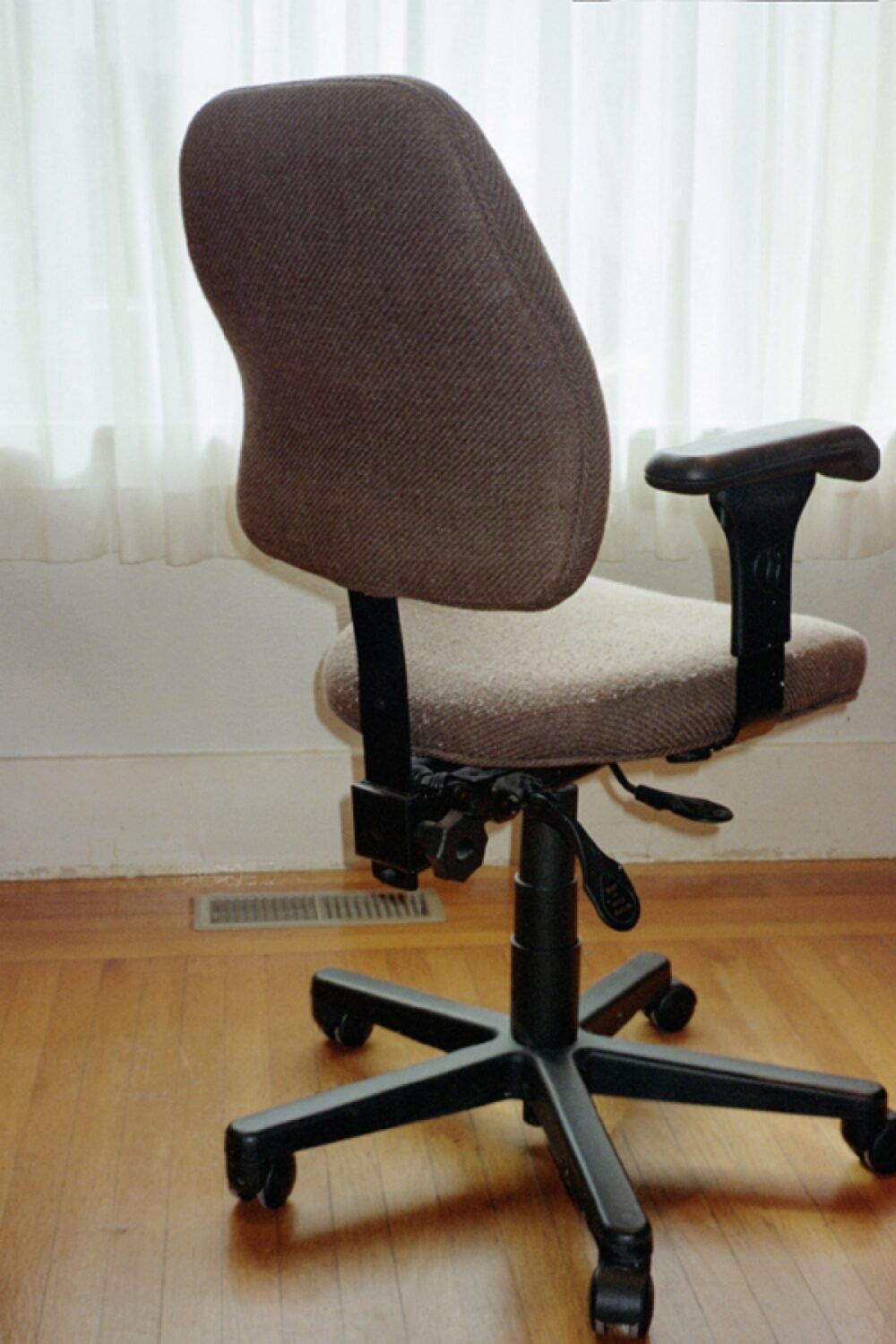
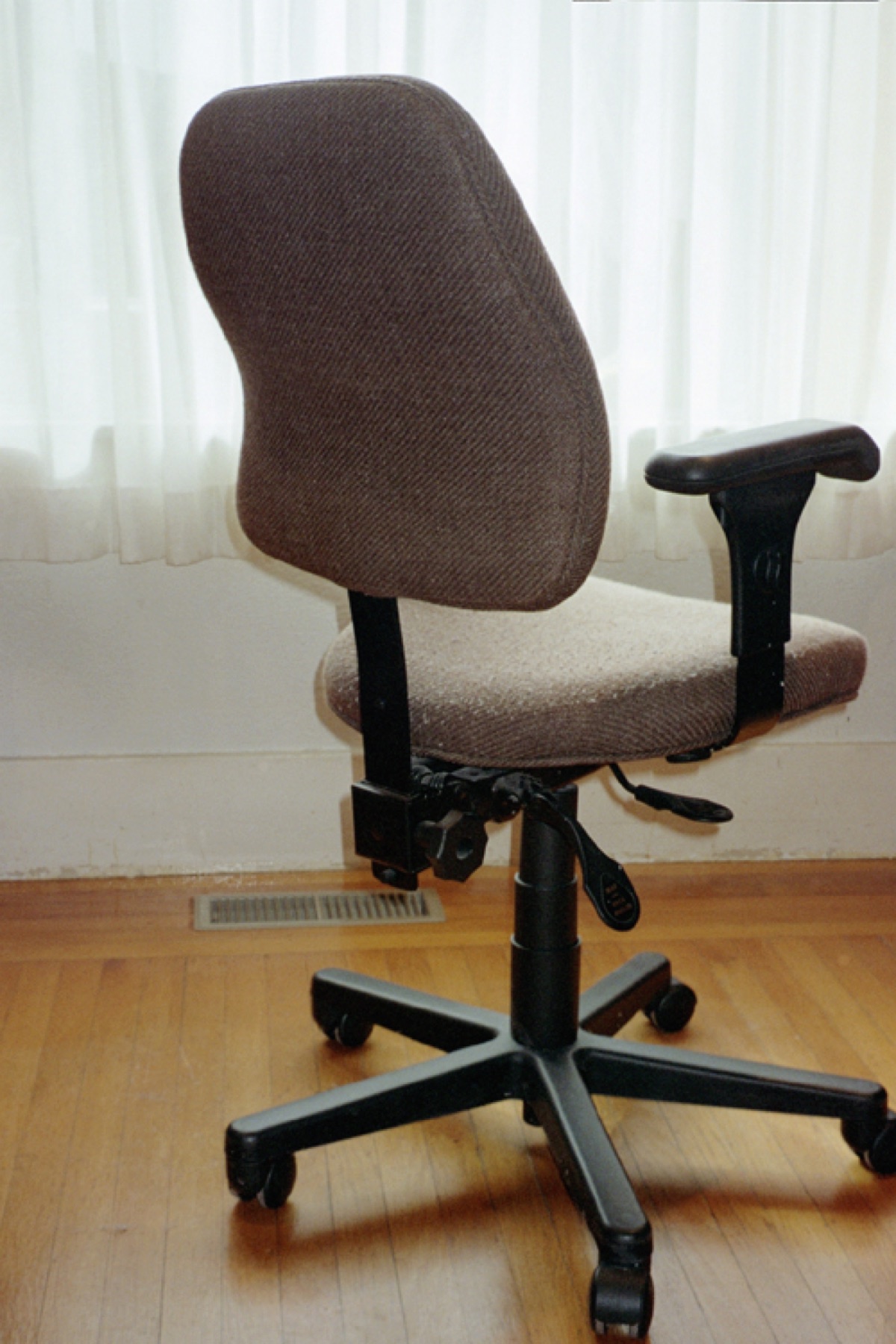
Vintage tanker chairs may have limited adjustments compared with modern task chairs. If you’re using a steel tanker desk daily, pairing it with a contemporary ergonomic chair can be more comfortable than strictly matching era.
For small ecommerce buyers, this split matters: a fully vintage desk‑and‑chair set has visual coherence and collectible appeal, but a mix of a vintage desk with a modern chair may be more attractive to customers who prioritize comfort.
Finish, weight, and maintenance
- Vintage steel: painted or enameled metal that can chip; refinishing means proper prep and durable paint. Weight complicates moves and cross‑border shipping.
- Modern tanker‑style: often laminate or veneered particleboard with metal hardware. Easier to ship, but typically less durable over decades.
For a home office where you plan to stay put, the weight of a steel tanker may be fine. For resellers shipping across the country or importing stock, lighter modern sets cut freight costs and damage risk.
Quick comparison: vintage vs modern tanker‑style
| Aspect | Vintage steel tanker set | Modern tanker‑style set |
|---|---|---|
| Materials | All/mostly steel, heavy | Mixed materials, often lighter |
| Ergonomics (chair) | Limited adjustment, period look | Full ergonomic features common |
| Storage integration | Built‑in drawers in pedestals | Varies; pedestals or separate cabinets |
| Best use – home office | Statement piece, long‑term desk | Practical daily workstation with modern comfort |
| Best use – reseller | Higher story value, potentially higher margin | Easier to ship in volume, more uniform stock |
Choosing a Platform: Vintage Markets, Domestic Retailers, and DHgate
Once you’ve decided on vintage vs modern and nailed your specs, the next decision is where to look.
Where vintage tanker desks and chairs actually show up
Authentic mid‑century tanker desks and chairs are actively traded on specialist and resale platforms. For example, curated vintage marketplace Chairish lists multiple tanker desks, and search results on marketplaces such as Etsy’s tanker desk chair category show both full sets and single chairs. These channels tend to offer:
- detailed photos of wear, color, and drawer function,
- individual, one‑off pieces rather than bulk lots,
- a mix of professionally restored and “as‑found” items.
They make the most sense if your priority is authenticity, design history, or unique resale listings rather than a standardized office rollout.
Domestic office‑furniture and big‑box options
If you want tanker‑style rather than true vintage, large retailers and office‑furniture brands are often simpler. You’ll see:
- modern pedestal desks with “tanker” in the product name or description,
- bundled desk‑and‑chair sets optimized around ergonomics,
- clearer spec sheets for surface area, height, and storage.
Guides like AllAboutDesks’ desk‑and‑chair pairing articles and their computer desk and chair guide echo the idea that these sets are built to work as a pair right out of the box. For a home office or a small team, that convenience can outweigh the charm of a vintage one‑off.
Where DHgate fits for tanker‑style furniture
DHgate is described in its own editorial content as a large online marketplace connecting buyers to Chinese manufacturers and sellers, with a broad range of furniture and office supplies and filters that let you narrow by price, style, and new/used status. Its blog notes that the platform’s inventory spans sofas, chairs, tables, beds and office furniture, and that budget‑conscious or bulk buyers can use search filters and comparative shopping to find lower‑cost options.
For tanker desks and chairs, that positions DHgate as:
- Relevant for: modern tanker‑inspired office desks, metal or laminate pedestal desks, and standard ergonomic chairs you might pair with them, especially if you’re targeting budget sets or need multiple units.
Small ecommerce businesses might use DHgate to source tanker‑style office sets that deliver the look at a lower landed cost, then reserve Chairish, Etsy, and similar platforms for authentic vintage inventory.
For additional DHgate platform context, use Find trusted sellers on DHgate.
For more context on how DHgate operates as a marketplace, you can read What DHgate is and how the marketplace works and, if you move toward checkout, the DHgate order‑readiness checklist to keep your listing checks organized.