
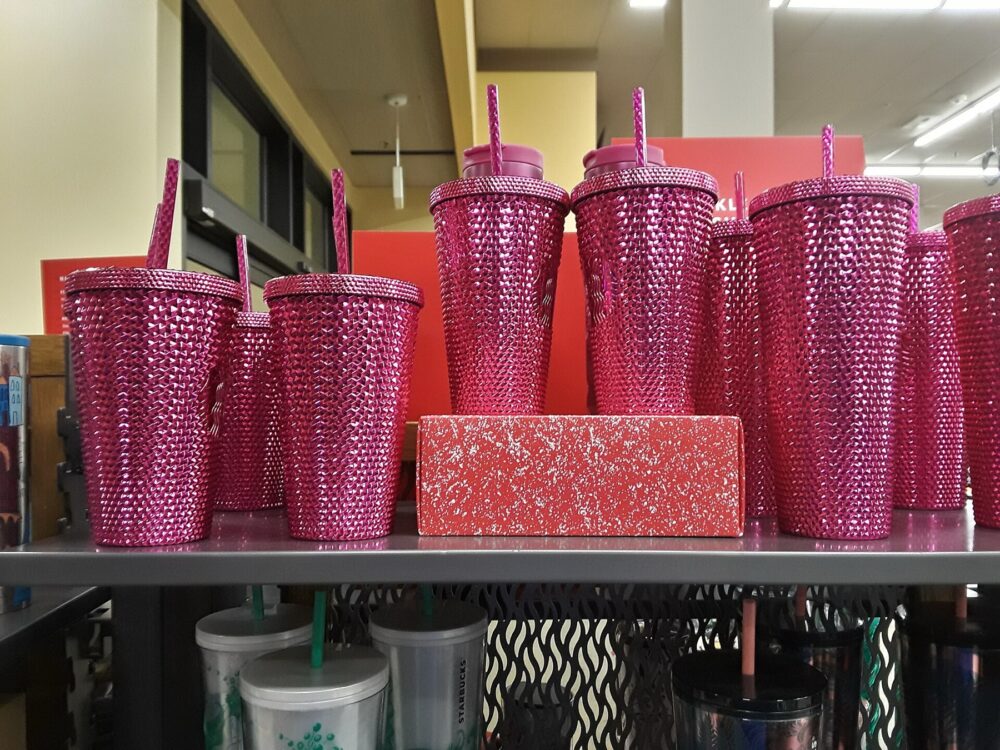
If you care most about the Starbucks logo and collectible value (for yourself or for flipping), focus on official releases and secondhand listings. If you mainly want an on-trend holographic aesthetic at a lower buy-in, treating DHgate-style options as unbranded or inspired drinkware usually makes more sense.
What Counts as a Starbucks Holographic Tumbler Today?
“Starbucks holographic tumbler” is a loose description, not a single official product line. In practice, it covers three buckets of drinkware:
- Official Starbucks-branded holographic or iridescent cups
Starbucks regularly plays with standout finishes—iridescent, metallic, textured, and even glow-in-the-dark cold cups in seasonal drops like Halloween collections.Starbucks’ glow-in-the-dark drinkware is one example of how wild their finishes can get. When a cup combines that type of finish with the siren logo and a cold-cup or tumbler form factor, buyers often call it “holographic.”
- Past-release cups in collector circulation
Once a colorway sells through at Starbucks stores, it often lives on via resale marketplaces. Listings on sites like Poshmark show multi-color studded holographic collections and individual cups labeled as holographic or iridescent.This multi-color studded collection is a typical example of how collectors group and sell them.
- Unbranded or “Starbucks-inspired” holographic tumblers
These are cups with a similar shape and finish—but no official branding. They show up at big-box stores, on generic drinkware sites, and on cross-border marketplaces. They’re best treated as style alternatives, not as Starbucks merch.
Use cases tend to fall into three scenarios:
- Collector/enthusiast: chasing specific drops and colorways, often via resale.
- Everyday iced coffee or tea: wanting a durable cold cup that looks good and works with reusable straws.
- Small ecommerce seller: deciding whether to source official cups for collectors (higher cost, authenticity risk) or generic holographic tumblers as trend-driven, lower-price stock.
Design Types, Sizes, and Materials: Match the Cup to the Job
Once you’ve decided whether authenticity matters, the real choice is design, size, and material. Here’s how the main options line up.
Common design styles
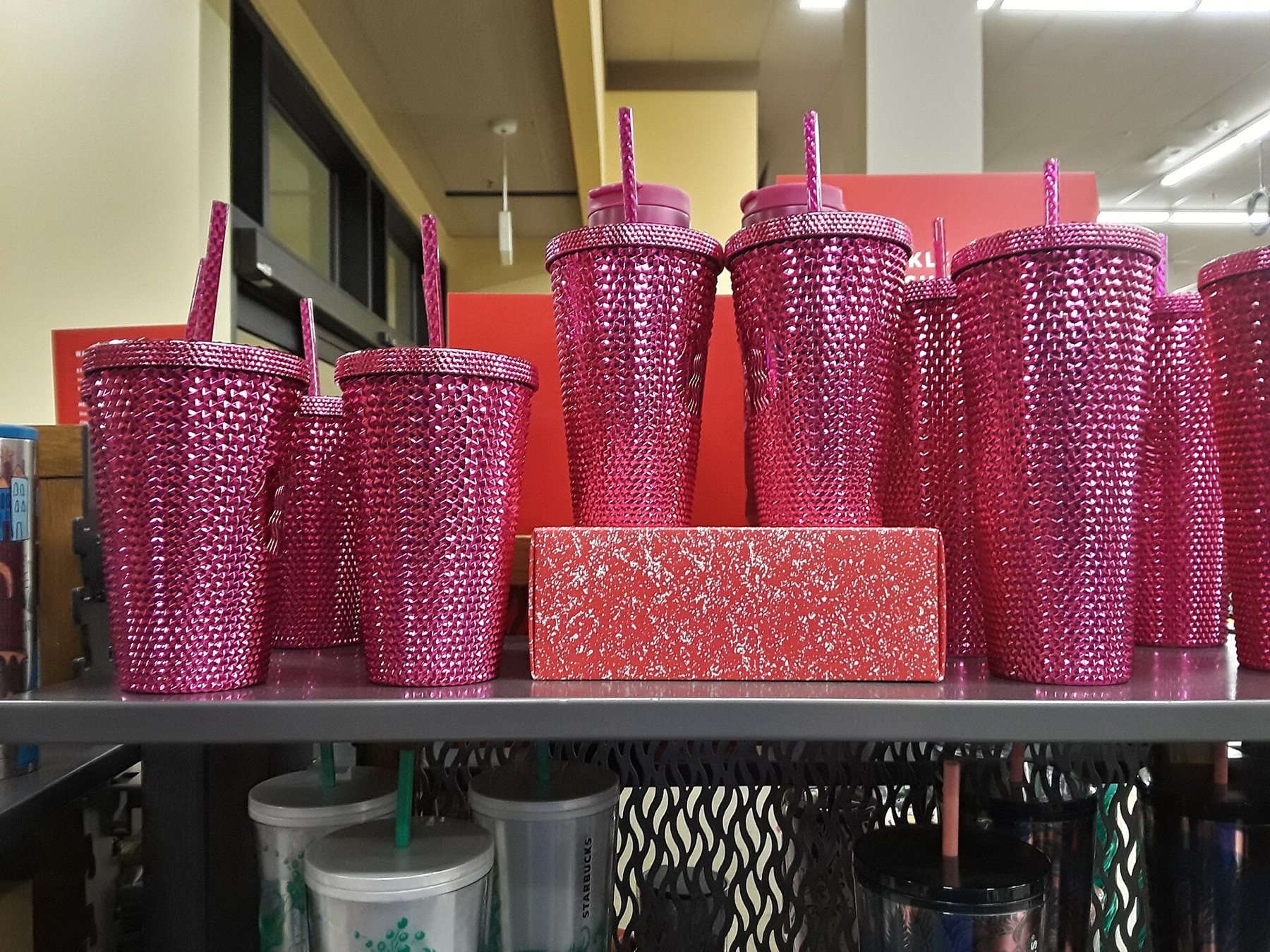
- Studded / textured cold cups
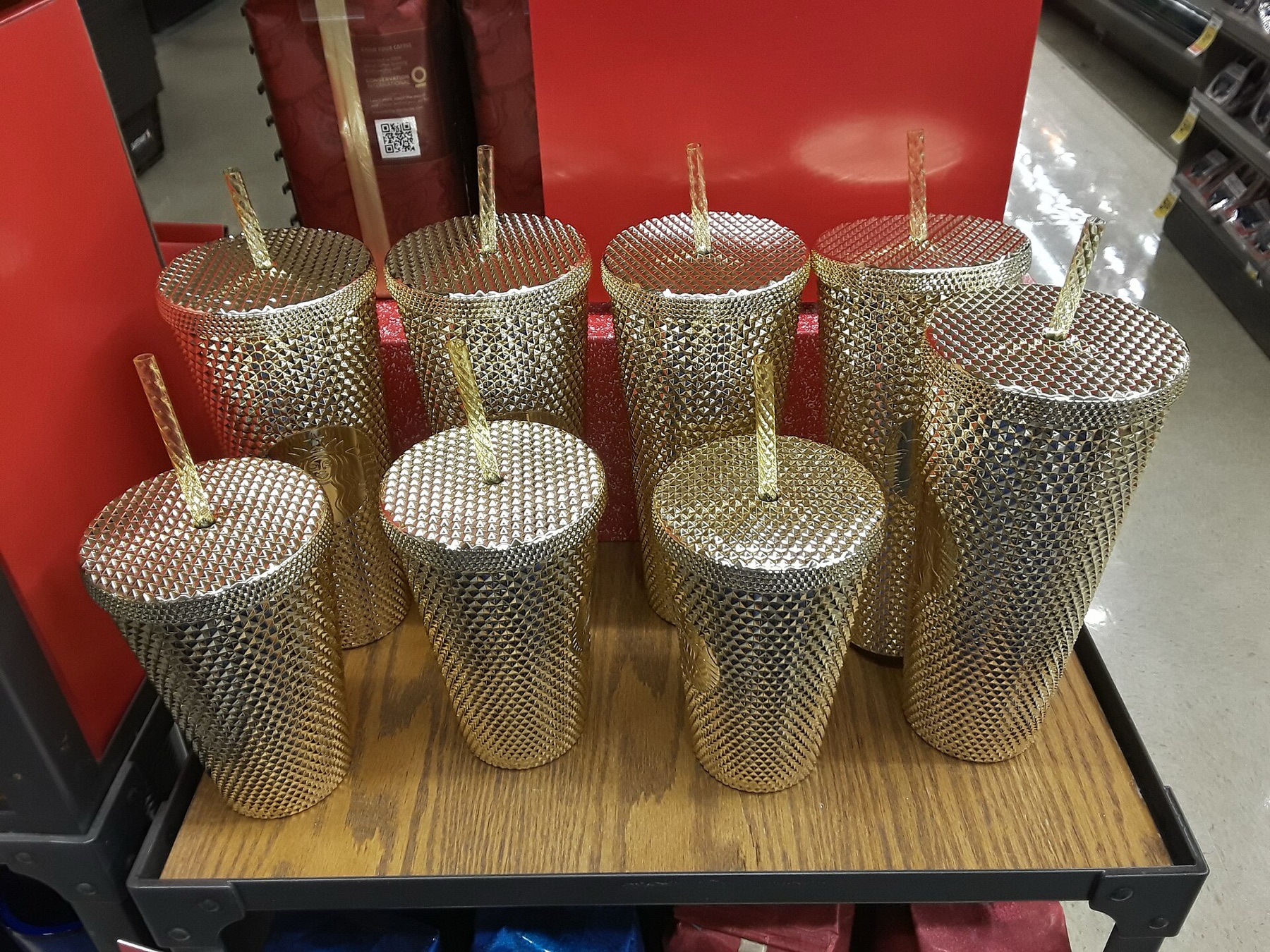
These are the spiky or faceted cups you’ll see all over collector feeds. In holographic finishes, they catch light dramatically and feel more like collectibles or statement pieces than understated office drinkware.
- Smooth, iridescent or holographic finish cups
These look closer to a classic tumbler—smooth walls with a color-shift or metallic sheen. They’re easier to slip into a cup holder and tend to be more practical for daily use.
- Seasonal or collab designs
Starbucks sometimes pairs special finishes with seasonal art or collaborations. For a collector or gift, these can hold value beyond function. For everyday use, they’re still just tumblers—but paying a premium only makes sense if the theme matters to you.
Size and material, with use-case guidance
Starbucks tumblers are generally designed for both hot and cold drinks, but performance depends heavily on material and insulation, and you should always check the care label for exact guidance.This overview of Starbucks tumblers recommends treating each model’s instructions as your guide rather than assuming uniform specs.
Here’s a simple way to match specs to how you’ll use the cup:
| Style / Material | Typical Capacity range | Best for | Collector fit |
|---|---|---|---|
| Plastic cold cup with straw | ~16-24 oz (editorial) | Iced coffee/tea, cold brew, sodas | Good if holographic or seasonal |
| Stainless steel insulated | ~12-20 oz (editorial) | Hot coffee, tea, commuting | Moderate; more about function |
| Textured studded plastic cup | ~24 oz (editorial) | Large iced drinks, display pieces | High; often bought as sets |
| Generic holographic tumbler | Varies | Trendy aesthetics, low-cost gifting | Low; treat as style, not merch |
Editorial capacities are based on typical Starbucks formats and generic tumblers; always check product descriptions for exact ounces before buying, especially if you’re stocking for a café or ecommerce store.
Scenario snapshots
- Daily iced drink person: A 24 oz plastic cold cup with straw and a smooth holographic finish is easy to clean, light, and fits most car cup holders. Authenticated Starbucks branding is optional here; you may be fine with a Starbucks-style holographic cup from a generic brand.
- Collector or gift buyer: Prioritize studded holographic cups, seasonal glow-in-the-dark cold cups, and named colorways. Check photos and descriptions carefully on resale listings to confirm logo placement, bottom markings, and condition before paying collector-level prices.
- Small reseller testing the trend: If your audience cares more about the look than the logo, a batch of generic holographic tumblers in popular sizes (16-24 oz) and straw-equipped lids is usually a safer entry point than paying up for uncertain-branded stock.
Buying Factors and Where DHgate Really Fits Into Your Options
Once you know the style and size you want, zoom out to how and where you’ll buy.
Authenticity and channel choice
If the Starbucks logo and official status matter to you:
- Primary channels: Starbucks stores and official online listings when current-season cups are available; for past releases, established resale platforms like Poshmark and Mercari. Listings on Poshmark show how sellers clearly label cups as “Starbucks studded holographic” or similar, often with close-up photos of logos and texture.This teal-accent studded holographic listing is a useful example of the detail level you should look for.
- Your job as buyer: Examine photos of the logo, bottom stamp, lid and straw design, and overall finish. Because official authentication guides can be spotty and change over time, avoid paying premium prices if the listing’s photos or description feel vague.
If the look matters more than branding:
- You can widen your search to retailers that sell holographic or iridescent tumblers without claiming any Starbucks connection.
- Cross-border marketplaces like DHgate carry a broad variety of tumblers—including holographic finishes and straw-equipped designs—as part of their drinkware catalog.DHgate’s own tumbler buying guide describes this variety but does not position them as official Starbucks merchandise.
For those generic options, treat each listing as its own product. Compare capacity, material (plastic vs stainless), lid type, and finish description, then weigh those against your budget and the level of risk you’re comfortable with on an unbranded item. If you’re using DHgate specifically, it’s worth first understanding how the marketplace works overall via a neutral explainer like What DHgate is and how the marketplace works.
Hot/cold performance and care
Most tumbler guides—Starbucks-focused and otherwise—emphasize that hot/cold performance is model-specific. Some stainless steel tumblers have vacuum insulation suitable for long-duration heat retention; many plastic cold cups are intended primarily for chilled drinks.This overview of Starbucks tumblers suggests checking the product’s printed or tagged care instructions for hot-drink suitability rather than relying on assumptions.
For daily use or resale, make sure you can answer:
- Is the tumbler rated for hot, cold, or both?
- Hand-wash only, or top-rack dishwasher safe?
- Any warnings about microwaves or freezing?
Those details matter more than the finish, especially if you’re promising performance to your own customers.
Environmental and cost angles
Reusable tumblers—Starbucks-branded or generic—are widely recommended as a way to cut down on single-use cups and save money over time.General tumbler buying guides frame reusables as a win for both waste reduction and long-run cost. You don’t need a limited-edition holographic cup to get those benefits, but if a distinctive finish makes you more likely to carry and use the tumbler every day, that’s a practical factor too.
If you’re a small seller, balance trend appeal against durability. A generic holographic cup that feels solid in hand and has clear care instructions is usually a better bet than a flashier design with unknown material quality.
For additional DHgate platform context, use Find trusted sellers on DHgate.
For any cross-border marketplace purchase—especially if you’re stocking inventory—consider reading a neutral checklist like the DHgate order-readiness checklist before committing to a larger order.