
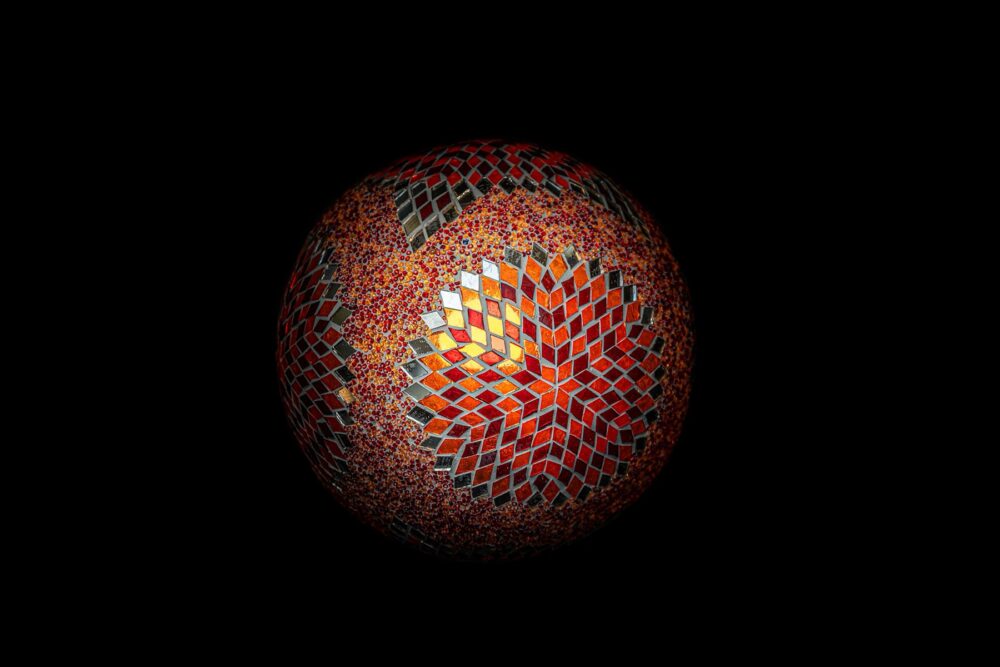
Sphere lamps work in a minimalist living room when the globe shape, material, and mounting match how you actually use the space: floor globes for soft corner light, pendant clusters for a clean focal point, and small table spheres as quiet accents. For Canadian buyers and small ecommerce shops, you’ll narrow choices by light quality (diffused vs more directional), size, and finish, then decide whether to buy locally or explore cross-border marketplaces such as DHgate for broader lighting variety and potentially sharper pricing.
What Counts as a Sphere Lamp in a Minimalist Living Room
A sphere lamp is essentially a globe-shaped shade that surrounds the bulb. That globe might be clear glass, frosted glass, plastic, or metal, and it can sit on a stem, hang from the ceiling, or rest directly on a surface.
Glass globes matter because they change how light behaves. As ASA Glass explains, different lampshade shapes and materials can spread light evenly or make it more directional depending on how they diffuse or transmit the light through the surface of the shade.Glass lampshade shapes and light distribution In a minimalist living room, you usually want:
- Soft, even ambient light without visible hotspots on walls.
- Simple silhouettes that don’t clutter the visual field.
Frosted or opal glass spheres create that soft, even glow and visually read as a single, simple shape. Clear glass or metallic spheres introduce sharper reflections and visible bulbs, which can push the look toward industrial or glam rather than quiet minimalism. So the first decision is whether you want the lamp to disappear into the background or act as a shiny focal object.
Key Sphere Lamp Types and Specs to Compare
Globe lights show up in almost every format: Lunares’ globe lights overview lists pendants, ceiling fixtures, table lamps, and floor lamps, typically with various diameters. For a minimalist living room, four patterns dominate.
Floor sphere lamps (corner and sofa-side)
Sphere floor lamps usually pair a ball-shaped shade with a slim stem or rod. Home Style Cafe’s review of a sphere-and-stem floor lamp highlights that combo as particularly suited to clean, contemporary rooms, because the globe reads as a simple shape while the stem barely registers visually.Sphere & Stem Floor Lamp Review
Use one beside a sofa or in a corner where you’d otherwise put a bulky arc lamp. If your living room is small, a single globe in the 10-14 inch range often feels substantial without dominating the room; larger diameters work when ceilings are high and furniture is oversized.
Table sphere lamps (side tables and console)
Globe table lamps sit on a small base: sometimes a simple disc, sometimes a material accent like a marble block, as shown in Joybuy’s globe lamp guide.Globe lamp style examples These are useful when you want pockets of warm light on a media console or side table without adding ornate shades.
They’re best for minimalist spaces when:
- The base is understated (plain metal, stone, or wood).
- The sphere is frosted or opal glass to avoid bulb glare when you’re seated nearby.
- The overall height stays relatively low so the lamp doesn’t fight the TV or artwork.
Pendant and ceiling globes (center of room or over coffee table)
Globe pendants and ceiling fixtures can either be a single sphere or multiple globes in a linear or clustered arrangement.Globe Lights – Pendants & Ceiling In a minimalist living room, they carry most of the visual weight overhead, which can be cleaner than packing lamps into every corner.
Single pendants suit smaller rooms or minimalist layouts with one main seating zone. Multi-globe pendants work over a central coffee table when you want a graphic, sculptural statement but still crave simplicity—several identical spheres read as one organized shape rather than visual noise.
Multi-globe and cluster lamps (accent or feature)
Joybuy’s examples of 7-light globe pendants show how clusters of spheres turn into decor pieces as much as lighting.Globe lamp style examples These can fit minimalist spaces if:
- The globes are identical in size and finish.
- The structure (rods, canopy) is slim and geometric.
They’re ideal for larger, open-plan living rooms where the lamp becomes a quiet focal point between seating and dining zones.
Specs that actually change how your room feels
Key specs worth reading in listings:
- Diameter of the globe: Smaller (6-8″) spheres are accents; medium (10-14″) handle most living rooms; larger can overwhelm low ceilings.
- Material: Opal/frosted glass for diffused ambient light; clear glass or metal for more sparkle and contrast.
- Mounting/height: Floor and table heights determine whether the lamp throws light into your eye line while seated. Pendants need enough drop to be visible but not intrusive.
- Bulb type and color temperature: LED bulbs around warm to neutral white are usually more forgiving in living rooms than very cool white, especially behind clear glass.
Here’s a quick comparison for minimalist living rooms:
| Lamp type | Best use in living room | Typical globe feel | Minimalist fit strength |
|---|---|---|---|
| Floor sphere lamp | Corner / beside sofa | Medium, soft ambient pool | Very strong (slim stem + orb) |
| Table sphere lamp | Side table / media console | Small pools, accent glow | Strong if base is simple |
| Single globe pendant | Center of room / over coffee table | Broad overhead ambient | Strong; one clean focal point |
| Multi-globe pendant | Feature over main seating zone | Sculptural, layered light | Good if globes are identical |
Buying Criteria and When DHgate Belongs in Your Shortlist
For a Canadian living room—or a small ecommerce assortment—you’ll make better choices if you walk through a few focused checks instead of just “liking the photo.”
1. Match lamp type to your layout
Mini checklist:
- Small room, low ceilings: prioritize floor or table spheres; avoid very large multi-globe fixtures.
- Open-plan or high ceilings: consider a single or multi-globe pendant to define the seating area.
- TV-focused layout: use softer, frosted globes and floor lamps behind or beside seating to avoid reflections on the screen.
2. Decide on light quality and material
Use the light behaviour insight from ASA Glass: materials and shapes alter whether light is even or directional.Glass lampshade shapes and light distribution
- If you want calm, even light, choose opal/frosted glass spheres and avoid very small, clear globes with exposed bulbs.
- If you want a more dramatic, gallery feel, you can accept clearer glass or metallic spheres that create reflections and contrast—but know they’ll visually “loud” up a minimalist space.
3. Check size and proportions
Measure key anchors: sofa width, ceiling height, coffee table size. As a rule of thumb, a floor or pendant globe that’s roughly 1/5 to 1/4 the width of your main sofa usually looks balanced rather than tiny or oversized. Compare globe diameter in the listing against those measurements and sketch the lamp in roughly to-scale boxes on a floor plan or photo to avoid guesswork.
4. Evaluate value vs sourcing channel (including DHgate)
You can find sphere lamps through local Canadian retailers, global decor sites, and cross-border marketplaces that aggregate many lighting sellers.
DHgate’s own editorial blog presents it as a broad lighting marketplace, with categories spanning wall lamps, ceiling lights, and LED bulbs, aimed at giving buyers a wide range of home decor styles and competitive pricing by aggregating many sellers.DHgate lighting variety contextDHgate fabric shade positioning That positioning can make DHgate relevant if:
- You want to see many globe styles (pendants, floor lamps, table spheres) from different manufacturers in one place before choosing a direction.
- You run a small ecommerce shop and are exploring globe lamp styles before investing in inventory or private label designs.
It’s less ideal if:
- You’re looking for a very specific certified electrical standard or brand line that Canadian retailers already carry and support locally.
If you do include DHgate in your shortlist, treat it as a product-discovery marketplace first. Compare the sphere lamp designs and specs you see there with options from other platforms or local stores, then move to seller-level vetting separately. DHgateWiki has independent guides on what DHgate is and how to find trusted sellers on DHgate, plus an order-readiness checklist if you do decide to buy.
The net result: start with your room’s layout and the light quality you want, pick the sphere lamp type and material that support those, then decide whether the extra variety and potential savings of cross-border marketplaces like DHgate justify the added complexity versus buying from Canadian or other regional sources.