
If you’re browsing agarwood incense on DHgate and hoping someone will just name “the” best brand, you’ll get farther by focusing on style and quality clues instead of a single name. Respected agarwood and oud makers range from very subtle Japanese aloeswood sticks to fuller Indian and Arabian blends, and what counts as “good” changes with how natural the scent feels, how comfortably it burns, and whether that style suits your space. This guide uses well‑known off‑platform brands as reference points so you can recognize those traits in DHgate listings and decide which incense types fit your own priorities.
What “best agarwood incense brand” really means
On DHgate, there isn’t a single universally “best” agarwood (aloeswood/oud) incense brand to chase. Good agarwood incense can be very subtle and meditative, or rich and room‑filling, but it consistently feels natural rather than sharply chemical and burns with smooth, gentle smoke instead of a harsh, throat‑catching plume.
Well‑known off‑platform makers simply show how different “good” can look in practice. Japanese houses such as Baieido and Minorien focus on refined aloeswood clarity and structure, while brands like Nippon Kodo, Shoyeido, Kousaido, Asayu Japan, and TOMORI often offer more accessible, sometimes low‑smoke sticks that still lean into nuanced woods and spices. In contrast, Indian and Arabian‑style oud blends from brands like Temple of Incense or Absolute Bliss push toward fuller, sweeter, more perfumed scents, sometimes mixing oud with rose, saffron, or other florals for a bold atmosphere.
When I choose agarwood incense, I care more about a balanced, natural‑feeling scent and a comfortable burn than about sheer strength or elaborate packaging, even if that means a quieter aroma or fewer sticks. Some buyers reasonably prioritize the opposite: strong, room‑filling fragrance at a lower price and are willing to accept more obviously synthetic notes or heavier smoke to get it. Both approaches are valid as long as you’re consciously trading off intensity, naturalness, and comfort.
Price and intensity on their own are unreliable shortcuts to quality. Expensive incense can still lean on generic “premium” wording and sharp, perfumey additives, while a very strong stick may simply be loaded with synthetics. More useful clues—especially when you’re scanning DHgate listings—come from how the materials are described (specific woods, resins, and blends instead of vague “fragrance”) and what the seller says about burn behavior, smoke level, and stick format.
The rest of this guide breaks those ideas into practical pieces: first outlining how agarwood actually smells across different scent ranges, then contrasting major style families like subtle Japanese incense versus richer Indian/Arabian oud sticks, highlighting craftsmanship and ingredient cues, and finally turning all of that into concrete checks you can apply when researching unfamiliar agarwood incense sellers on DHgate.
How agarwood (aloeswood/oud) actually smells
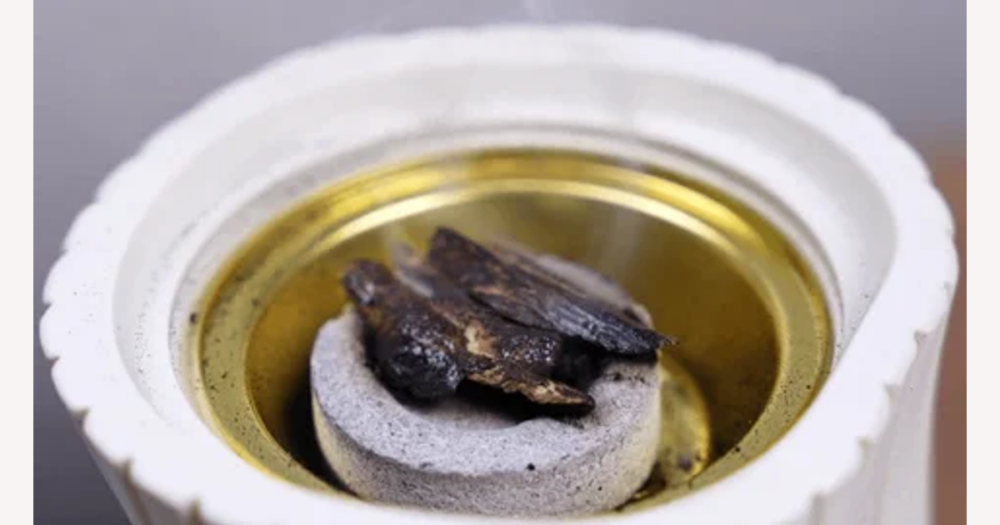
Agarwood—also called aloeswood or oud—is the resinous, darkened heartwood formed when certain Aquilaria trees are infected and respond by producing a fragrant resin. In incense, that resinous wood is often ground and blended with other materials such as sandalwood, spices, florals, or gums, which can push the aroma toward dry woods, smooth resins, or richer perfumed styles.
One major family is dry, meditative, structured woods. These sticks smell austere and cool, sometimes slightly bitter or earthy, with a sense of clear lines rather than soft sweetness. Traditional blends that combine aloeswood with sandalwood and spices often sit in this category: they feel composed and temple‑like, better for quiet focus than for filling a crowded room with fragrance.
Another family is smooth, resinous, slightly bitter‑sweet agarwood. Here the scent feels deeper and more rounded, like resinous woods after rain, with a subtle sweetness wrapped around the core bitterness of the resin. Many Japanese agarwood lines aim for this kind of “wet wood and resin” atmosphere, keeping the smoke relatively gentle while letting the scent feel enveloping but not syrupy.
A third family is rich, sweet oud blends. These sticks are more perfumed and room‑filling, often described with words like creamy, honeyed, or even a little “farm‑y” or animalic. They’re frequently paired with florals and spices—rose, saffron, amber, or other attars—typical of Indian and Arabian‑style oud incense that’s designed to perfume a space quickly and dramatically.
In agarwood discussions you’ll sometimes see people use terms such as barnyard, farm‑y, animalic, or medicinal. Those words describe how some agarwood resins and oud blends develop on the nose: complex, slightly challenging facets that some enthusiasts love and others find off‑putting. They’re style markers, not automatic signs of poor quality; whether they’re attractive or unpleasant depends entirely on your taste.
Before you compare brands or DHgate listings, it helps to place yourself on a few simple axes: subtle versus bold, dry versus sweet, and purely woody versus floral or ambery blends. If you know you prefer quiet, dry woods, you can skip listings promising heavy rose–oud sweetness; if you want a strong, perfumed atmosphere, you might deliberately seek those richer oud blends instead of minimalist aloeswood sticks.
Japanese vs Indian/Arabian oud incense styles
| Style | Typical traits | Scent behavior | Best for | Listing language cues |
|---|---|---|---|---|
| Japanese agarwood incense | Usually coreless sticks with low smoke, focused on balanced, nuanced woods and resins, often from traditional makers or regions such as Awaji Island. | Burns gently and evolves over time, creating a calm atmosphere rather than a punchy, perfumey blast; some people may read it as “weak” if they expect strong perfume-style incense. | Quiet personal rituals, meditation, reading, small shared apartments, and households where heavy smoke would bother you or your neighbors. | “Low smoke”, “Japanese-style”, “coreless sticks”, “Awaji Island production”, “made in Japan”, “subtle/meditative”, “refined aloeswood”. |
| Indian/Arabian oud masala sticks | Hand-rolled masala sticks on bamboo cores with fuller smoke, often blending oud with florals, resins, and spices for a sweeter, more perfumed character. | Gives quick room impact with a strong, perfume-like oud aroma that lingers; in tiny or poorly ventilated spaces it can feel heavy or overwhelming. | Bold room fragrance, group rituals, gatherings where you want guests to notice the scent immediately, and users who enjoy powerful, sweet or spicy incense. | “Hand-rolled masala”, “Arabian oud”, “rose & oudh”, “oud with saffron/amber”, “attars”, “Nag Champa-style blend”, “strong room fragrance”, “big, bold, sexy scent”. |
Common agarwood incense scent profiles (with reference examples)
- Dry, structured aloeswood: Cooler, slightly bitter or earthy woods with a serious, meditative tone that feel more like a quiet temple than a sweet perfume. Think of traditional Baieido-style blends such as Tokusen Kobunboku as a mental reference, not a DHgate recommendation. DHgate descriptions might say “deeply woody and meditative”, “classic temple wood”, or “dry aloeswood for focus”; this profile usually suits experienced users and anyone who prefers austere background scent over sweetness.
- Balanced woody-spice blend: Agarwood combined with sandalwood and classic spices (clove, cinnamon, etc.) for warmth and depth without turning sugary. Japanese woody-spice blends like Baieido Kaiunkoh or Shoyeido-style recipes illustrate this balance. Listings that mention “woody-spicy with traditional temple vibe”, “agarwood & sandalwood everyday use”, or “warm incense with gentle spices” often point here, making this a good middle ground for beginners who want character but not heavy sweetness.
- Rich sweet oud blend: Bold, perfumed incense where oud is wrapped in florals and resins such as rose, saffron, amber, or halmaddi, designed to fill a room quickly. Off-platform examples include Temple of Incense Oudh or Absolute Bliss White Lotus Oudh Saffron, plus blends like Bulgarian Rose & Oudh. DHgate phrases like “Arabian oud with rose, strong room fragrance”, “luxury sweet oud”, or “creamy honeyed oud for parties” signal this profile, which suits people who love statement scent and don’t mind stronger smoke.
- Modern low-smoke Japanese agarwood: Smooth, gentle woods with a slightly bitter-sweet resin note and very little visible smoke, often in slim coreless sticks that develop gradually. Lines like Minorien Fu-in Agarwood, Kousaido Agarwood Supreme, or low-smoke agarwood from Asayu Japan or TOMORI show this approach in other markets. Listings that say “low smoke agarwood, subtle and refined”, “Japanese-style aloeswood”, or “soft agarwood for meditation” likely map to this profile, ideal for beginners in small spaces and anyone who values clean air and understated scent over raw power.
Materials and craftsmanship signs of quality
- Look for listings that name specific woods and resins—such as Vietnamese aloeswood, Mysore sandalwood, cedar, juniper, or hinoki—instead of only generic terms like “fragrance” or “essence”; concrete ingredients usually signal more substance and care.
- When a product is marketed as “natural”, take that more seriously if the description emphasizes woods, resins, and spices rather than leading with synthetic fragrance oils, DPG, or heavy charcoal bases.
- Treat agarwood claims realistically: blended formulas that openly mention agarwood alongside other woods or spices are common, whereas very cheap sticks advertised as “100% pure agarwood” with no supporting detail deserve skepticism about authenticity and quality.
- Notice craftsmanship cues in the stick format: slim, coreless or bamboo‑free Japanese sticks often burn more evenly with less extra smoke from a core, while thicker bamboo‑core masala sticks typically produce fuller smoke and a stronger presence.
- References to traditional incense regions and methods—such as production on Japan’s Awaji Island, watermill grinding, or long‑established incense houses—can hint at a more labor‑intensive, craft‑driven process, but they are still tendencies rather than guarantees of superiority.
- Value concrete specs: clear stick count, approximate burn time per stick (for example, around 25–30 minutes), and any notes about smoke level make it easier to judge how the incense will fit your routine and space.
- Overall, treat specific materials, stick format, burn‑time and smoke details as more reliable quality indicators than poetic adjectives or luxury branding—words like “premium”, “royal”, or “Don Perignon of oud” sound impressive but don’t explain how the incense is actually made.
A practical DHgate checklist for agarwood incense
- Check that the scent style fits your space and preference: use the description to spot whether the incense leans Japanese‑style low‑smoke subtle woods or Indian/Arabian bold oud, and whether it sounds dry and meditative, warmly woody‑spicy, rich sweet oud, or a floral oud blend that suits how and where you’ll burn it.
- Review materials and format: scan for specific woods and resins (agarwood/aloeswood/oud plus sandalwood, spices, florals) rather than only generic “fragrance”, and note whether the sticks are described as coreless, bamboo‑core, low‑smoke, or charcoal‑heavy so you can match the format to your smoke tolerance.
- Confirm burn and quantity details: look for stick count, approximate burn time per stick, and any mention of smoke level; then estimate a rough price per stick and be wary of ultra‑cheap “pure agarwood” offers that don’t back up the claim with ingredients or specs.
- Evaluate photos and packaging: prefer listings with clear images of the actual sticks (thickness, color, visible bamboo core or lack of one) and packaging, and check that these visuals are consistent with the text—for example, “Japanese‑style low smoke” usually aligns with thin, coreless sticks rather than thick, heavily smoking ones.
- Assess seller reputation and reviews: consider seller rating, number of sales, and account age, then read incense‑specific reviews for comments on natural versus chemical scent, smoke level, stick breakage, and mismatched descriptions; repeated complaints about harsh smoke, headaches, or very weak scent are strong negative signals.
- When you weigh everything, give more importance to ingredient clarity, stick format, and detailed review content than to hype about extreme strength or luxury branding; if you mainly want powerful, inexpensive scent you might consciously prioritize strength and price instead, but it’s better to make that trade‑off with your eyes open.
Red flags and unresolved questions in agarwood marketing
What you can (and can’t) know before you burn it
Even when a DHgate listing is well written, there are limits to what you can know about agarwood incense before you burn it. The more knowable details are the concrete ones: how the seller describes the ingredients and whether they’re specific woods and resins rather than generic “fragrance”; whether the stick is coreless or built on a bamboo core, how thick it looks, and any stated burn-time estimate or smoke-level note. You can also check stick count and pack size to estimate a rough price per stick, and review seller metrics and feedback patterns—for example, repeated complaints about harsh smoke or headaches.
What remains largely unknowable in advance are the subtleties: how the aroma will actually develop over 20–30 minutes in your own space, how balanced or edgy it will feel to your nose, and whether you’ll read challenging facets like slightly “farm-y” or medicinal notes as fascinating or intolerable. Exact intensity is also hard to predict from text alone because it depends on room size, ventilation, and how many sticks you burn at once as much as on the recipe itself.
Treat all of this as a way to reduce risk, not to guarantee perfection. Detailed descriptions and glowing reviews can tilt the odds in your favor, but they still reflect other people’s noses and other rooms. A practical approach is to start with modest quantities or mixed sets when possible instead of committing to very large batches of untested incense, and to view your first couple of orders as experiments to refine your taste using the scent-style and quality cues from earlier sections.
Careful pre-checks—ingredients, format, burn specs, seller history, and review content—make it more likely that you’ll receive agarwood incense that fits your preferences, but they can’t remove all uncertainty. The final verdict on any incense only arrives when you light a stick and experience how it behaves in your own space.
FAQ: Start with pure agarwood or a blend?
If I’m new to agarwood incense, should I start with pure agarwood sticks or blended agarwood-based incense, and how does that change what I look for on DHgate?
Most beginners will find agarwood-based blends more approachable than very dry or intense “pure” agarwood sticks. Blends soften the wood’s potentially challenging facets—dryness, bitterness, or slightly farm-y notes—by pairing agarwood/oud with sandalwood, spices, resins, or gentle florals, so the overall scent feels more balanced and easy to live with.
Many incense writers recommend exactly this path: start with well-balanced blends to learn the basic character of agarwood, then explore more austere or concentrated aloeswood once you know you enjoy that core note.
On DHgate, beginner-friendly blends usually:
– List agarwood/aloeswood/oud alongside other materials like sandalwood, temple-style woody spices, or florals such as rose.
– Use language like “balanced”, “soothing”, “gentle”, “everyday use”, or “warm woody-spice” rather than “extreme” or “intense”.
More advanced or purist options typically:
– Emphasize “pure agarwood”, “aloeswood”, or “jinko” with few co-ingredients named.
– Describe deeper, more meditative or challenging profiles—dry, serious woods, resinous bitterness, or complex animalic facets.
Treat claims of very cheap “pure agarwood” with the same skepticism highlighted in the red-flags section: genuine agarwood is costly, so ultra-low prices plus vague ingredients are a warning sign, even for experienced users.
For style preferences, beginners who like subtle, clean scent and lower smoke can lean toward Japanese-style low-smoke blends that mention agarwood with other soft woods or resins. If you already enjoy bold perfumes and strong room fragrance, you may be comfortable starting with a milder Indian or Arabian-style oud blend that mixes oud with florals and spices.
This is guidance, not a hard rule: adventurous newcomers can jump straight to stronger profiles if they accept a higher risk of disappointment. The safest approach is to match your starting choice to your tolerance for smoke and intensity, using the listing’s ingredient list and scent description to keep expectations realistic.