
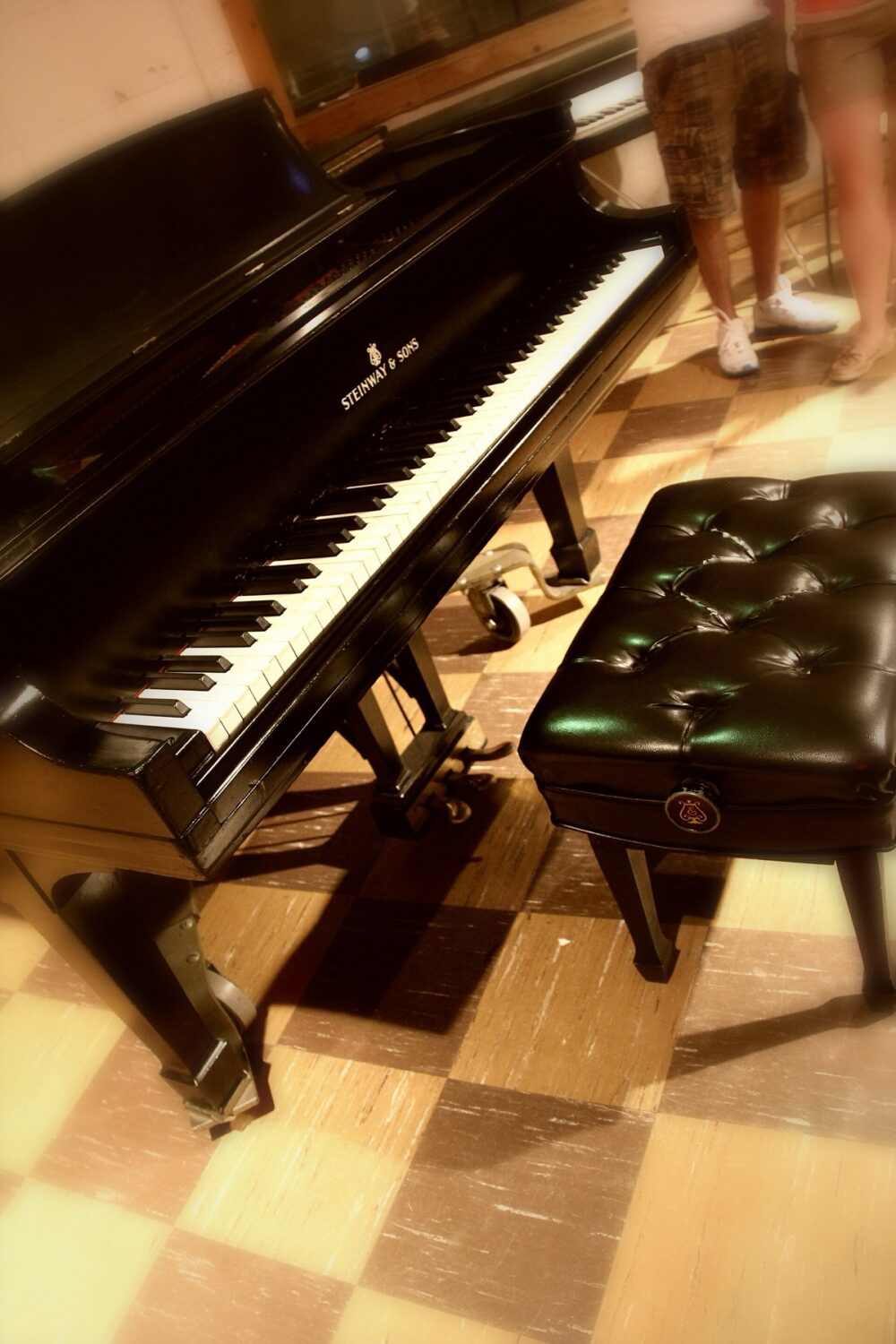
You choose a piano bench or stool by matching the seat type (bench, stool, or chair), height range, width, padding, and storage to your players and piano. For a Canadian household with both kids and adults, an adjustable, padded bench that’s wide enough for two players is usually the safest bet; for a vintage upright in the living room, a round, height‑adjustable stool might look more authentic but is less forgiving for beginners. DHgate can be one of several places to discover budget seating or cross‑border inventory, but specialist music retailers and big-box marketplaces often make it easier to see detailed specs and brand lines.
What Counts as a Piano Bench, Stool, or Chair?
A piano bench is typically a wide, rectangular seat that can fit one or two players side by side. Many modern acoustic and digital pianos ship with a simple fixed bench, while higher‑end models add padding or height adjustability.
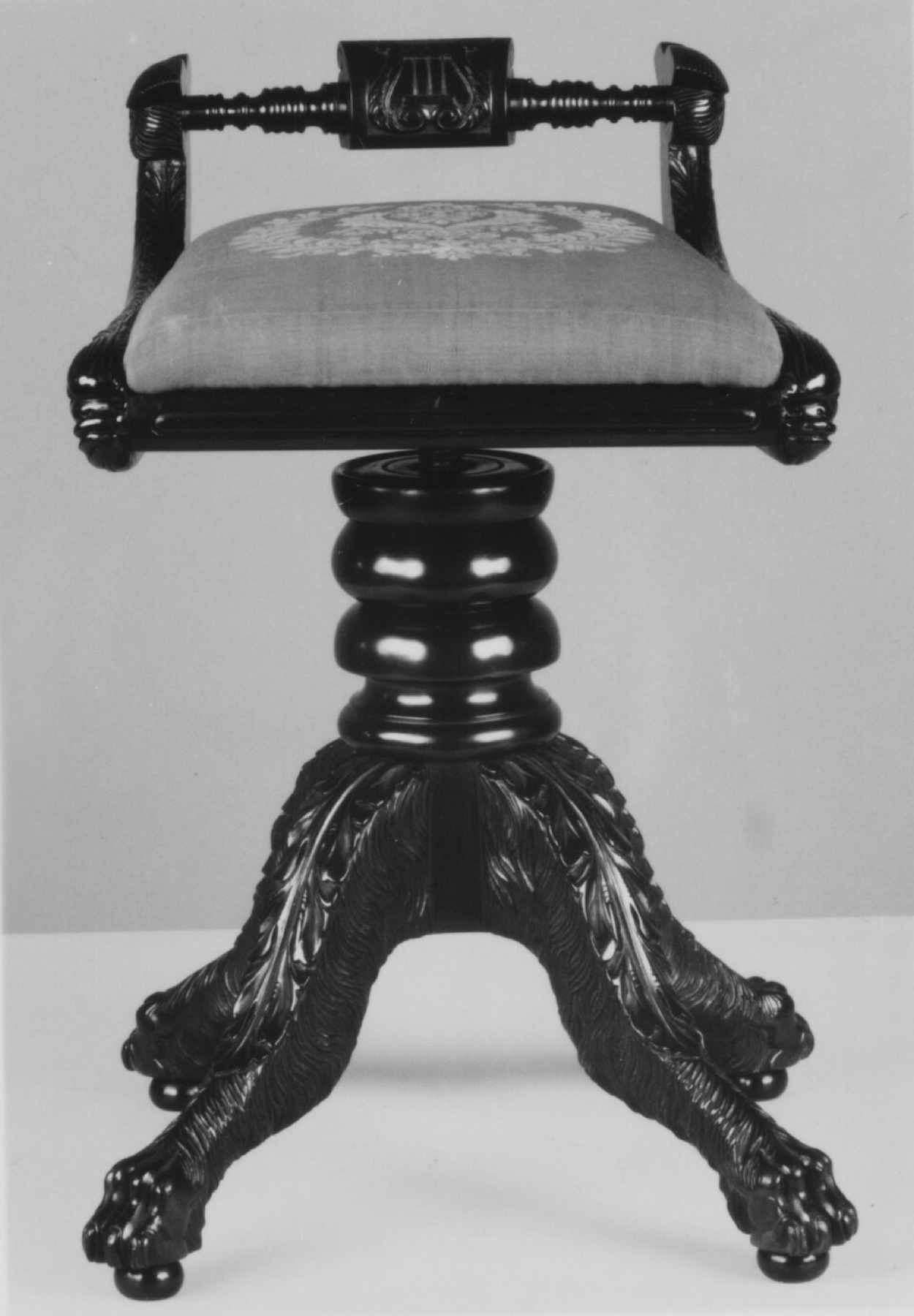
A piano stool is usually narrower and often designed for one player. As sites like Benchoom point out, stools tend to prioritize compact footprint over width. Vintage piano stools — the kind you see with old uprights — are often round, with a screw or mechanical lift that lets you change height, which fits well with antique uprights or parlor pianos and keeps the look period‑correct.
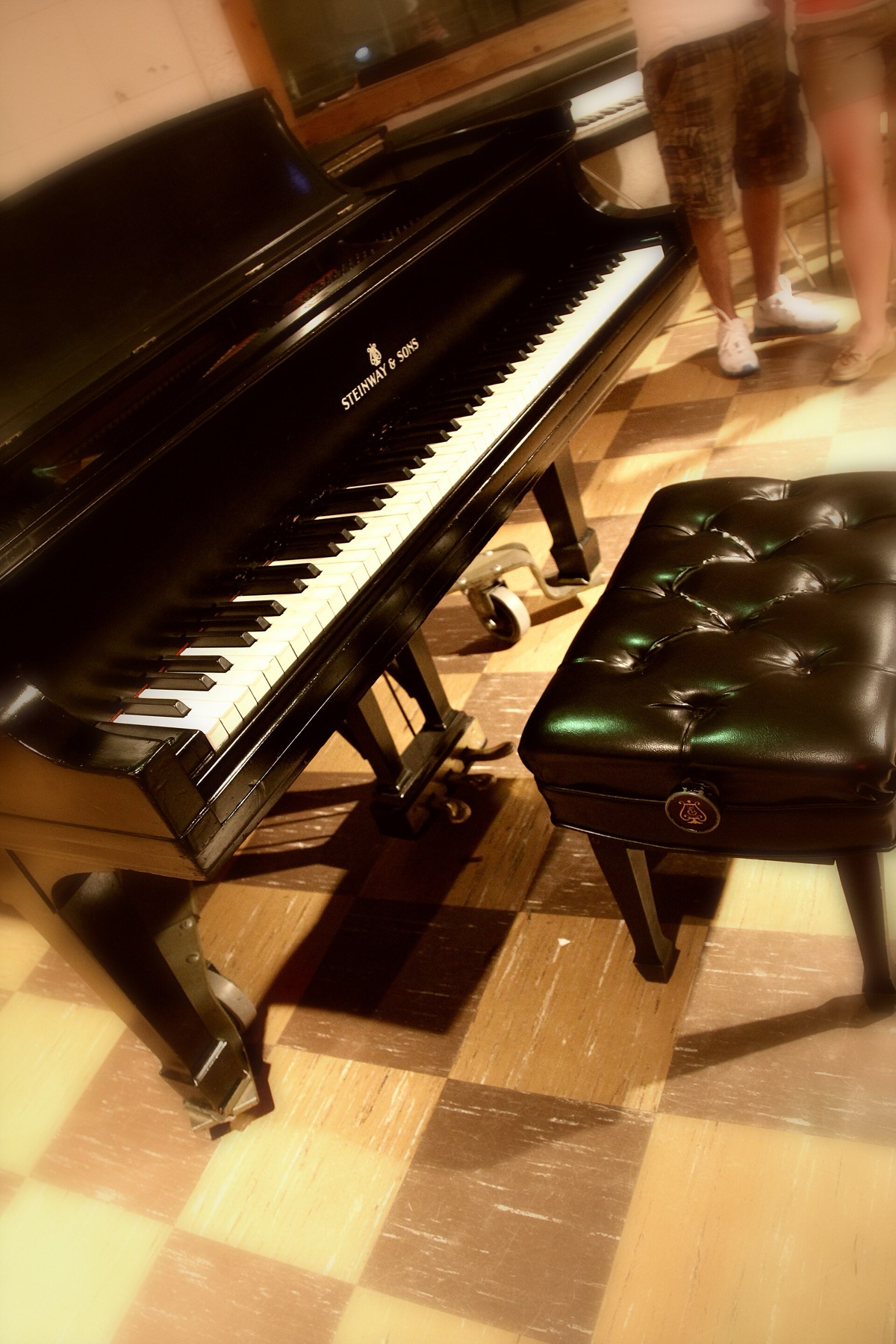
A piano chair adds a backrest. According to Benchoom’s comparison, chairs are popular with learners or players who value support over absolute freedom of movement. They work well near digital pianos in small apartments, where the chair can double as everyday seating.
As a rule of thumb:
- For a grand or wide digital keyboard, a bench gives better side‑to‑side reach.
- For an upright or antique piano in a decor‑heavy room, a round stool keeps the footprint small and the look vintage.
- For young learners or elderly players, a chair or generously padded bench can feel more secure.
Key Buying Decisions: Size, Adjustability, Padding, and Storage
Once you know the seat type, the real work is in picking the right specs. Here’s how the main choices affect real use.
Seat size and height
Most adult players are comfortable when the keyboard is roughly at elbow height with relaxed shoulders. Guides on adjustable benches, like Pianoranked’s review, stress that the ability to raise or lower the seat is crucial when you have growing children or multiple players — you’ll get better alignment of wrists with the keyboard without resorting to awkward cushions.
For quick sizing:
- Width: Single‑player stools can be quite narrow; duet benches from brands in the Stagg benches and stools range are wide enough for teacher and student. If you teach or play duets, aim for a bench that roughly matches the keyboard width between the low and high octaves you use most.
- Height adjustability: Look for clear min/max height specs in centimeters or inches. If a child under 10 and an adult will share, an adjustable model is usually worth the price premium.
Padding and build
Padding is a trade‑off between comfort and control:
- Thin or no padding gives you a firm, stable base that some classical players prefer for fine control.
- Thicker padding suits long practice sessions, teaching studios, or players with sensitive backs or hips.
Brands catalogued on sites like Muziker’s piano benches section often distinguish “concert” or “deluxe” benches (thicker upholstery, heavier frames) from lighter practice stools. Heavier frames tend to feel more solid, but they’re harder to move if you reset your room often.
Storage vs. portability
Storage benches hide an under‑seat compartment for music books and accessories. Stagg’s line of benches and stools includes models with lift‑up seats and internal storage, but they’re typically fixed‑height and noticeably heavier than minimalist stools, which means:
- Great for home or studio use where the bench stays put and sheet music clutter is a problem.
- Less ideal for gigging or moving between rooms; you’ll feel the extra bulk.
Here’s how these choices play out in everyday scenarios:
| Use case | Best seat type | Height feature | Storage need |
|---|---|---|---|
| Single adult at home | Bench or stool | Fixed is often fine | Optional |
| Kids plus adults sharing piano | Adjustable bench | Essential for wrist alignment | Low–medium (books) |
| Teacher with student side by side | Wide duet bench | Adjustable strongly preferred | Useful for books |
| Vintage upright as decor piece | Round vintage‑style stool | Adjustable nice but not mandatory | Low (music elsewhere) |
If you’re buying for resale as a small ecommerce seller, it often makes sense to pick one or two “anchor” SKUs — for example, a standard adjustable bench and a vintage‑style round stool — that cover most of these scenarios and then test demand before adding niche models.
Where to Buy: Specialist Retailers, General Marketplaces, and DHgate
You have three broad channels for piano seating: specialist music retailers, general big‑box or marketplace sites, and broad cross‑border marketplaces like DHgate.
Specialist music retailers (for example, Muziker’s piano benches and stools or Gear4Music’s stool catalog) typically list branded benches and stools with detailed specs: seat width, height range, upholstery material, and whether storage is included. This makes them well suited if you care about matching a known brand to a higher‑end instrument or you’re reselling to musicians who expect recognisable names.
For Canadian buyers, you’ll also find mainstream options through big‑box sites and local marketplaces — some carry generic benches but may be light on technical details beyond “adjustable” or “storage.” That’s fine for casual home use but less helpful if you need exact dimensions.
DHgate sits in a different bucket: it’s a broad online marketplace with a large, budget‑oriented furniture inventory. As described in its own furniture‑shopping editorial, the site offers a wide range of seating and other furnishings, plus filters for price range, style, new vs used, and features, and some sellers offer customization on dimensions, color, or materials for furniture orders.Tips for Furniture Shopping on a Budget explains that these filters are designed to help buyers narrow down large catalogs and request bespoke pieces where offered.
That positioning means DHgate can make sense if:
- You’re sourcing low‑cost benches or stools in bulk for resale and are willing to spend time comparing designs and specs with multiple independent sellers.
- You want to experiment with custom dimensions or finishes that aren’t available from branded music‑store lines.
It’s less ideal if:
- You prefer to see and test the exact bench in person before buying.
For additional DHgate platform context, use Find trusted sellers on DHgate.
If you do explore DHgate, treat it as one marketplace in a wider plan: define your required seat type, dimensions, height range, padding level, and storage options first, then use filters and search terms to see which listings match those specs. For background on how the marketplace works in general, you can read What DHgate is and how the marketplace works, and if you’re moving toward checkout, the DHgate order‑readiness checklist is a useful pre‑purchase sanity check.