
Pedestal vases look high-end when the proportions, material, and finish feel deliberate: the vase and its raised base should match the scale of your table or room, sit stably, and suit your flowers or props. Start by deciding where the vase will live (dining table, console, wedding centerpiece, product photo) and aim for a height that adds presence without blocking sightlines—roughly no higher than mid-chest when you’re seated at a table. Once you know that target, you can compare options from local decor stores, artisan platforms like Etsy, and cross-border marketplaces such as DHgate or Alibaba and see which channel offers the style range you want at a price you’re comfortable with.
What Pedestal Vases Are and Where They Work Best
Pedestal vases are decorative vessels with a raised base or foot that lifts the bowl or cylinder above the surface. Retail descriptions highlight how that extra height gives floral arrangements more presence and sophistication compared with a flat vase on the table, especially in formal rooms or event settings.Walmart’s pedestal vase listings and specialist guides both frame them as a way to elevate centerpieces rather than just hold stems.
Specialist vase guides emphasize proportion and room balance: a pedestal vase should feel like part of the furniture, not a tower on top of it.Find the Vase’s pedestal overview points out that the pedestal and bowl together are the visual object, so you judge their combined height and width against the table and surrounding decor.
For Canadian buyers and small event or ecommerce businesses, pedestal vases tend to make sense in three scenarios:
- Dining or event tables: As elevated centerpieces that keep arrangements above plates and glassware.
- Entry consoles or mantels: Where a bit of lift keeps flowers clear of everyday clutter.
- Product photography: For small ecommerce brands, a pedestal vase can add dimension and a “styled shoot” feel to images.
If your space is low-ceilinged or already crowded, a pedestal vase can look fussy; in those cases, a lower compote or straight vase may be easier to live with.
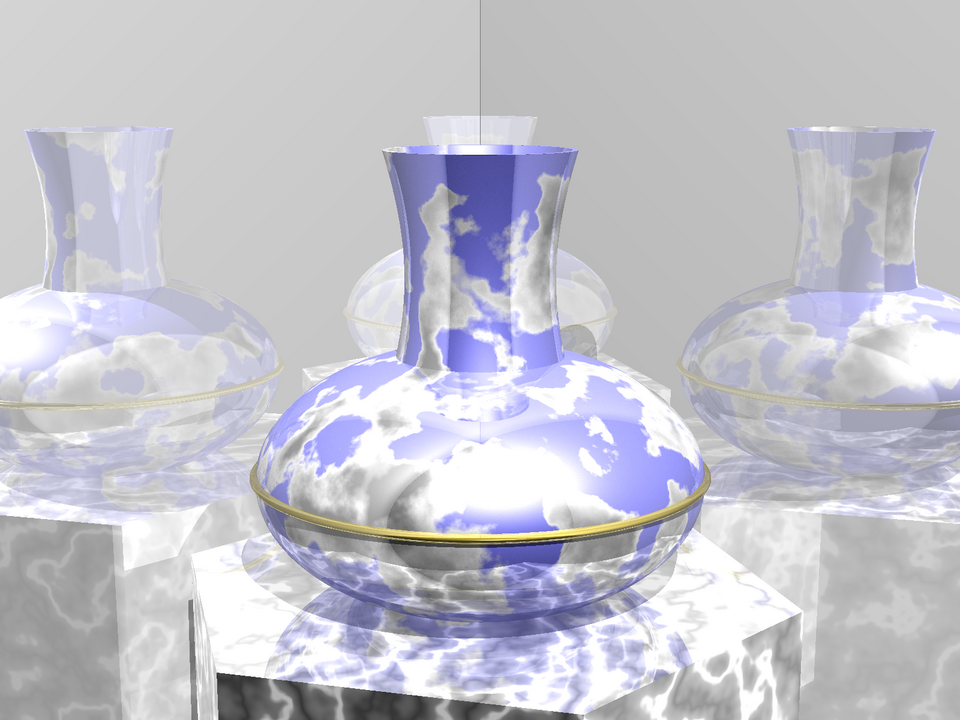
Styles, Sizes, and Materials That Change the Look
Floral decor sources often group pedestal vases with compotes and bowls because the profile and footed base strongly influence how arrangements sit and spill.Afloral’s guide to vases and bowls highlights that difference.
Common pedestal profiles
- Footed compote/bowl: A shallow bowl on a short pedestal. This is the go-to for lush, horizontal centerpieces with flowers spilling over the rim—very popular for weddings and styled tables.
- Tall cylinder or urn: A deeper vessel lifted by a shorter pedestal or plinth. Better for long stems or branchy arrangements and for framing entryways.
- Classical urn on a plinth: Think garden Medici urns—wide, sculptural, and often fluted. These feel instantly upscale but can overpower small rooms.

Floral supply brands sell ceramic pedestal vases specifically for elevated centerpieces, signalling that this category is standard kit for professionals.Camilia Supply’s lotus pedestal vases are one example.
A quick sizing rule for a dining table
For a typical 36-42″ wide dining table, specialist sizing guides and retailer advice generally converge on keeping the total arrangement height around 8-10″ above eye line when seated, or under roughly 10″–12″ of vase plus flowers on an everyday table. For a formal event where guests are seated only briefly, you can push higher, but you still want to avoid a solid visual barrier.
A practical rule:
- Pedestal+bowl height: About 1/3-1/2 of the distance from table surface to a seated guest’s eye level.
- Arrangement spread: No more than 2/3 of the table width so plates and glassware still fit around it.
Materials and finishes that read “high-end”
Floral and decor guides call out material and finish as major mood setters:
- Ceramic/stoneware: Often feels more substantial and artisanal. Smooth satin glazes or gently textured matte finishes tend to look more expensive than overly glossy, bright white glaze.
- Glass: Clear glass can look refined if the pedestal is well-proportioned and the glass isn’t too thin. Cheap glass often shows bubbles or a greenish cast that reads budget.
- Metal: Brass- or bronze-tone pedestals can look luxurious; lightweight, tinny metals feel less convincing. A brushed or antiqued finish typically looks richer than mirror-chrome.
- Resin/composite: Can mimic stone or metal at lower cost. Look for realistic texture and consistent color rather than flat, shiny spray finishes.
If your goal is a high-end look on a budget, ceramic pedestal bowls in neutral tones (bone, warm gray, soft black) are a safe bet. They photograph well, work for flowers or dry branches, and fit many decor styles.
Matching pedestal height and material to use
Buying guides for stands stress that stability and balance matter just as much as aesthetics.Alibaba’s advice on tall wooden pedestal stands highlights the need to match stand height and material to the vase size and weight.
Here’s a compact comparison to keep in mind:
| Intended use | Stand/pedestal height (editorial rule-of-thumb) | Preferred materials (editorial) | Why it works |
|---|---|---|---|
| Wedding table centerpiece | Short (2-6″ under bowl) | Ceramic, metal, sturdy resin | Keeps arrangement elevated but stable and below eye line. |
| Entryway or console | Medium (8-16″) | Wood, stone, heavier metal | Adds vertical interest without feeling precarious near door traffic. |
| Floor display | Tall (24″+ with large urn) | Stone, heavy composite, solid wood | Weight resists tipping; height suits large rooms or outdoor spots. |
These are editorial guidelines, not safety standards, but they mirror the stability and proportion advice in stand-buying resources.
Buying Pedestal Vases Online: Quality Checks and DHgate vs Alternatives
Once you know your style and size, the next decision is where to buy. For Canadian buyers, the main options are local retailers, artisan marketplaces like Etsy, and cross-border platforms such as Alibaba and DHgate.
Because you can’t pick these pieces up in person, you need to lean on a few pedestal-specific checks:
- Dimensions spelled out: Look for separate measurements for pedestal height, bowl depth, and overall height. That lets you test your proportion rules against your actual table or shelf.
- Material detail beyond one word: Listings that say only “metal” or “stone” can mean anything from thin alloy to lightweight composite. Better listings specify ceramic vs porcelain, solid wood vs MDF, or resin vs concrete-like composite.
- Close-up photos of the base: The pedestal foot and connection to the bowl are where cheap manufacturing shows—look for wobble, misaligned joints, or overly thin stems.
How different platforms fit
- Etsy: Strong option for unique, handmade pedestal vases and vintage finds. You pay artisan-level pricing, but you can often see real-life photos and get made-to-order sizes that match your tables or photo setups.Etsy’s pedestal vase category shows how varied shapes and finishes can be.
- Alibaba: More oriented to bulk and business buyers. It’s useful if you’re sourcing dozens of pedestal vases for weddings or resale and are willing to work directly with manufacturers, often with custom dimensions or finishes.Alibaba’s wedding pedestal vase guidance underscores the emphasis on matching vase and stand to the event scale.
- DHgate: DHgate is a global marketplace connecting buyers with sellers offering a wide range of products, including home decor. Editorial coverage of the platform highlights its extensive selection and competitive pricing across categories, which makes it a useful place to discover varied vase and pedestal styles from international sellers at lower unit prices than many retail shops.DHgate’s own shopping-experience overview points to broad range and generally lower pricing as key draws.
For pedestal vases specifically, DHgate can be an exploratory channel: helpful if you want to test several styles or colors for ecommerce photography or event styling without committing to designer-level spend. The trade-off is that you’ll be relying on the listing’s photos and descriptions plus seller history instead of brand reputation.
If you decide DHgate is relevant for your project, it’s worth first understanding how the marketplace works overall at What DHgate is and how the marketplace works. For more structured shopping, you can also review how to find trusted sellers on DHgate and the DHgate order-readiness checklist before checkout so your pedestal vase purchase fits your budget, timing, and risk tolerance.
If your project is a single living-room console or a one-off wedding table, a local retailer or artisan marketplace may be simpler. If you’re styling a catalog or supplying events repeatedly, adding cross-border options like DHgate and Alibaba to your search gives you more pedestal vase shapes, materials, and finishes to work with.