
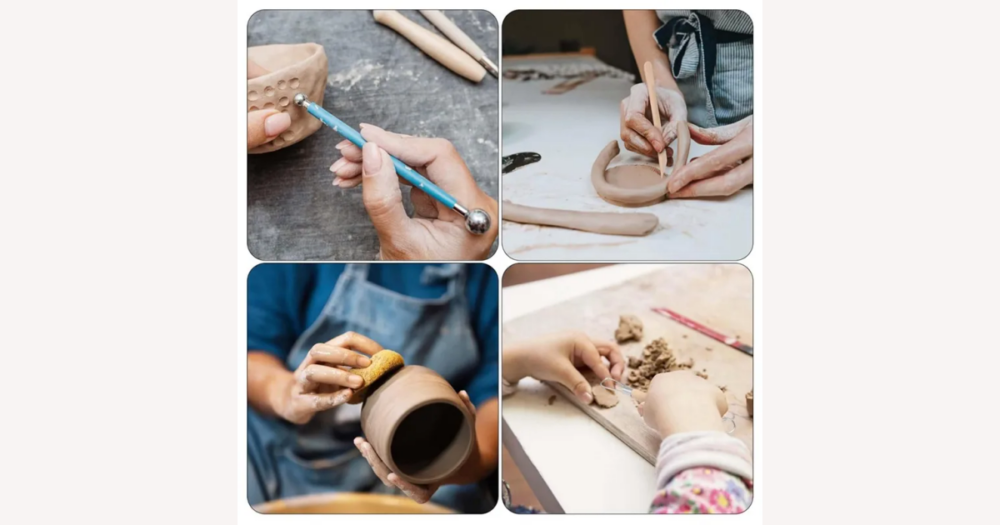
If you’re browsing DHgate for paper clay art and sculpting, use the platform to research and order well-described supplies, then pair those materials with tutorials you trust from listing notes or independent craft resources. This guide explains what paper clay is, how its ingredients and additives affect your projects, and which DHgate listing details deserve the most attention so your first batch behaves predictably instead of feeling like a risky experiment.
How DHgate fits into finding paper clay tutorials and supplies
On DHgate, paper clay art is best approached as a supply search rather than a full tutorial experience. DHgate is a marketplace where you compare and order materials, tools, and kits for paper clay and sculpting, not a dedicated lesson platform.
Listing descriptions sometimes include brief usage notes, step-by-step photos, or links to external videos showing how a particular clay is mixed or applied. Those instructions live inside the listing or off-site, and you still need to judge them on their own—checking whether the steps look clear, realistic for your skill level, and consistent with the materials actually being sold.
The most reliable way to use DHgate for paper clay is to treat it as your supply and seller-evaluation environment: focus on ingredient lists, texture descriptions, and honest photos, then pair any purchase with tutorials you trust, whether that guidance comes from the listing itself or from general craft resources you’ve chosen independently. This keeps your decisions grounded in the quality of the materials and information rather than in marketing promises alone.
What paper clay is and how its materials affect your projects
Paper clay is a sculpting medium built around pulped paper or other cellulose mixed with binders such as glue or flour and, in some recipes, fillers or strengthening additives like joint compound or cement-like powders. Most paper clay is designed to be air-dry and lightweight, forming a firm but workable surface once the moisture evaporates.
Those ingredient choices change how the clay behaves. More fine pulp and smooth binders tend to give a softer feel in the hand and a smoother finish, which suits detailed faces, flowers, or other small textures. Extra fillers or cement-like powders usually add strength and weight, which can help larger forms hold their shape but may increase shrinkage, make sanding dustier, or lengthen drying time. A very lightweight mix can feel pleasant to model but might stay more fragile or flexible unless applied in sensible thicknesses and supported by a good base.
On DHgate, it helps to read every listing as a summary of these traits. Look for material or ingredient lists (pulp, glue type, any powders or fibers), clear claims such as “air-dry,” “smooth for fine detail,” “strong after drying,” or “lightweight,” and basic drying guidance like suggested thickness and approximate dry time. When you’re planning a detailed sculpture or a large batch, favor supplies with this kind of straightforward material breakdown and drying instructions over vague phrases or mysterious “secret formulas,” so you have a realistic idea of how the clay will feel, cure, and perform once it arrives.
Ready-made paper clay vs. DIY ingredients and kits
On DHgate, ready-made paper clay usually appears as blocks, tubs, or pre-mixed pastes. Listings tend to describe these as clay or paste and may include close-up photos of the material, notes on texture (soft, smooth, coarse), available colors, whether it air-dries, and any shelf-life or storage advice. This format is designed so you can open the package and start sculpting with minimal preparation.
DIY-focused listings look different: they may bundle pulp, powders, glue, or other components into a “kit,” or sell individual ingredients you combine yourself. Sometimes the seller provides mixing ratios, preparation steps, and recommended tools; other times the guidance is brief, leaving more guesswork about how to turn the ingredients into workable clay.
Ready-made paper clay is generally the safer choice when you want predictable behavior, especially if you are new to sculpting or planning a detailed piece that needs consistent texture and drying. You trade away some ability to tweak the recipe, but you gain clear expectations about softness, drying time, and finish. DIY ingredients and kits suit buyers who enjoy experimenting with recipes, adjusting strength or texture, or tailoring the clay to specific projects, but they demand more time, mixing skill, and attention to any instructions the seller provides.
Match your choice to how comfortable you are with mixing and uncertainty. For small, casual experiments, a DIY bundle can be a fun way to play with texture. For a large batch or a carefully planned sculpture, I would lean toward clearly specified ready-made clay or a well-documented kit that spells out proportions, recommended tools, and sample photos of finished clay. Be cautious about very cheap ingredient bundles with vague descriptions or no mixing guidance; without ratios, adhesion notes, or finished examples, it’s much harder to know how the clay will actually perform once you’ve done the work of preparing it.
A simple paper clay project workflow and related supply checks
- Define your project and choose a clay type that fits its size, level of detail, and intended use. In DHgate listings, check texture and workability descriptions, confirmation that the clay is air-dry, and any basic usage notes so you know whether it suits fine detail, broader shapes, or decorative pieces.
- Prepare a suitable base or armature, such as cardboard, wire, or found objects. Before ordering, look for any seller guidance on recommended bases or adhesion—phrases like “sticks well to paper or fabric” or notes about needing a primer on smooth plastic help you avoid obvious mismatches.
- Apply paper clay in thin layers or shaped pieces over your base. When choosing supplies, favor listings that describe softness and workability (“soft and easy to smooth,” “holds texture”) so you can match the clay’s feel to whether you prefer gentle blending or crisp sculpted forms.
- Allow each layer, or the entire piece, to dry thoroughly. Use any stated drying times or thickness recommendations as a guide, and plan enough time so you aren’t tempted to rush drying with intense heat, which can increase cracking or warping, especially in thicker areas.
- Refine the surface once the clay is fully dry, using light sanding or careful carving only if the listing mentions that the material is sandable or carvable. If those traits aren’t described, treat the surface gently and test on a hidden area first rather than assuming it will behave like other clays you’ve used.
- Finish with paints or sealers that are compatible with paper-based clay. Check whether the clay listing, or the finishing product’s description, mentions paintability or sealing options, and avoid products that suggest strong solvents or outdoor use without clear guidance, unless your project specifically requires those conditions and you’re prepared to work within their safety instructions.
This video walks through figurative paper clay sculpting, showing how an artist chooses clay, builds up forms in layers, allows them to dry, and refines the surface. Use it as a visual reference for the kind of layering, drying, and gentle surface work described in the workflow, while still following the specific instructions that come with any clay you order on DHgate.
Matching paper clay to bases, additives, and project use
Paper clay usually behaves best on bases that give it something to grip: porous or lightly textured surfaces such as cardboard, heavy paper, some fabrics, or unfinished wood let moisture move and help the clay bond. Very smooth plastics, glossy coatings, or highly flexible materials are more likely to cause lifting or cracking unless you roughen the surface, add a mesh or other tooth, or use a suitable primer between the base and the clay.
Additives change how compatible a clay is with different projects. Cement-like powders or strong fillers can increase strength and potential weather resistance, but they also add weight and may feel less forgiving on delicate or highly detailed pieces. Fibers can improve toughness and reduce breakage while leaving a slightly textured surface that may suit rough, sculptural work more than ultra-smooth finishes. A softer, lighter formula can be easier for fine detail, but may need gentler handling and purely indoor, decorative use.
On DHgate, treat compatibility claims as starting points rather than guarantees. Look for seller notes on recommended substrates (for example, “sticks well to paper or fabric,” “for wood and cardboard”), any mention of indoor-only or decorative use, and simple strength or flexibility descriptions. When you try a new clay or ingredient kit, apply it first to a small sample of the same base you plan for your main piece, let it dry fully, and only then decide whether it adheres, cracks, or feels strong enough for the scale of project you have in mind.
Crafting technique basics and helpful listing or tutorial details
Most beginner-friendly paper clay techniques revolve around patience and thin layers. You typically build up forms gradually over a base, shaping the clay while it is still moist and slightly flexible, then letting it dry thoroughly before adding more. When areas are too thick or dried too quickly, the surface is more prone to cracking or warping, so a steady, moderate drying process is usually kinder to the material.
Different clays offer different working times and drying speeds. Some stay soft longer so you can blend and adjust details; others set quickly and suit small, simple shapes. Listings or tutorials may suggest approximate layer thickness, whether to let each layer dry before adding more, and rough drying intervals. These details help you plan sessions realistically rather than guessing how fast you must work or how long to wait.
When you evaluate DHgate supplies and supporting tutorials, favor practical process information over purely dramatic end results. It is helpful when a listing or seller note mentions workable consistency (“soft and easy to smooth,” “holds sharp texture”), expected drying time, recommended layer thickness, and whether the clay can be smoothed, textured, sanded, or painted after it dries. Pair those notes with general tutorials you trust so you can build a coherent approach, instead of relying on listings that show impressive finished sculptures but offer no guidance on how they were actually built.
Recognizing better paper clay supplies on DHgate
- Prefer listings with clear ingredient or material descriptions—such as paper pulp, specific binders, and any additives—instead of vague claims like “high-quality clay” with no details.
- Look for honest texture and consistency notes that describe how the clay feels to work with, using terms like soft, firm, sticky, smooth, or coarse, and whether it holds fine detail.
- Check for multiple sample photos, including close-ups of the raw clay and finished projects, so you can judge texture, coverage, and how the material behaves on a surface.
- Notice packaging details such as sealed bags, tubs, or jars, plus any mention of shelf life or storage instructions, which suggest the clay is protected against drying out or moisture damage in transit.
- Scan customer feedback for patterns about ease of use, consistency from batch to batch, and whether the clay matches the photos and description; repeated complaints are a warning sign.
- For important or time‑sensitive projects, prioritize clearly documented, honestly described supplies over the cheapest or most decorative-looking listing, accepting looser documentation only when you are casually experimenting.
Using DHgate’s buyer protections when ordering paper clay
When you review DHgate sellers for paper clay and art supplies, treat ratings and reviews as a quick snapshot of reliability. Higher ratings with many completed orders usually indicate smoother transactions, while review comments can reveal whether shipments arrive on time, whether packaging protects materials, and how closely the clay matches its description. Pay special attention to feedback from other craft buyers, who often mention texture, dryness, or damage in transit.
If any material specs, drying instructions, or packaging details are unclear, use DHgate’s messaging tools before you place an order. Ask about ingredient lists, whether the clay is air‑dry, approximate drying time, and how it will be packed. A seller who responds promptly and specifically is a safer choice than one who gives vague answers. Keep payment on DHgate’s secure system rather than agreeing to off‑platform methods, which increase risk and can weaken your protections if something goes wrong.
Shipping and packaging matter more for paper clay than for some other supplies. Clay and liquid ingredients can dry out, leak, or deform if they are poorly sealed or shipped without cushioning. Check estimated delivery times and shipping methods, especially for long‑distance orders, and consider how delays or extreme temperatures might affect the material. Listings that mention sealed containers, inner bags, or protective wrapping give you more confidence that the clay will arrive usable.
Before ordering larger quantities or supplies for an important project, take a moment to familiarize yourself with DHgate’s dispute and refund processes. If your clay arrives damaged, contaminated, or noticeably different from the listing—such as a different texture, color, or quantity—you can document the issue with photos and messages, then open a dispute within the platform’s timelines. I would rather pay a little more to buy from a seller with clear policies and responsive communication than chase the absolute lowest price and risk having no practical recourse if the materials turn out unusable.
Pre-order checklist for paper clay projects on DHgate
- Confirm your project goals: size, level of detail, and whether the piece is mainly indoor decorative or needs to handle more demanding conditions.
- Decide between ready-made paper clay and DIY ingredients or kits based on your comfort with mixing, how consistent you want results to be, and how clear the seller’s preparation instructions are.
- Check ingredient lists, texture descriptions, drying guidance, and any compatibility notes to ensure the clay suits your chosen base or armature.
- Review listing photos and close-ups, packaging information, and other quality signals that show the seller documents the material carefully.
- Look at seller ratings, review patterns, and estimated shipping times, and make sure they match your project timeline and reliability expectations.
- Confirm order quantities and variants (such as color or pack size), and keep payment within DHgate’s secure options rather than off-platform methods.
- Start with modest quantities and plan a small test piece or mini project with the first batch so you can see how the clay behaves before committing to larger amounts or complex sculptures.
Safety, children’s use, coloring, and other common questions
What general safety steps should I follow when using paper clay and related ingredients?
Treat paper clay and its ingredients like other craft materials: do not ingest them, keep them away from food and kitchen prep surfaces, and wash your hands after use. Follow any warnings on glues, joint compounds, paints, or sealers—especially around ventilation and skin contact—and consider simple protection like gloves if a product feels sticky or irritating. Store everything sealed and out of reach of small children and pets so they can’t chew or swallow pieces or open containers.
Are paper clay supplies on DHgate suitable for children’s crafts?
Many paper clays can be used in children’s projects, but suitability depends on the specific product. Check the listing and manufacturer instructions for age recommendations or statements like “non‑toxic” or “safe for kids,” and avoid anything that mentions strong fumes, industrial additives, or outdoor/construction use for young users. Keep tasks age‑appropriate—for example, letting children shape clay while an adult handles mixing, primers, or sealers—and supervise closely so kids don’t put materials in their mouths or use sharp tools unsafely.
How can I safely color or paint paper clay pieces?
Once paper clay is fully dry, common options include acrylic paints, craft pigments, or dyes. Always test your chosen colorant on a small sample piece first, using the same clay and thickness as your main project. After it dries, check for cracking, flaking, changes in texture, or unexpected color shifts. If everything looks stable, proceed to your main piece; if the surface becomes brittle or sticky, try a different paint, thinner layers, or a compatible sealer over the clay instead.
What should I do if the clay I ordered seems unsafe or behaves very differently from its description?
If your clay arrives with unusual odors, visible contamination, or feels excessively soft, crumbly, or otherwise unlike what the listing described, stop using it immediately. Avoid mouth contact and unnecessary skin exposure, especially for children. Seal the material away, take clear photos of the issue, and contact the seller through DHgate to explain what you’re seeing. If you can’t resolve it directly, use DHgate’s dispute or refund options within the platform’s timelines rather than continuing to work with uncertain materials.