
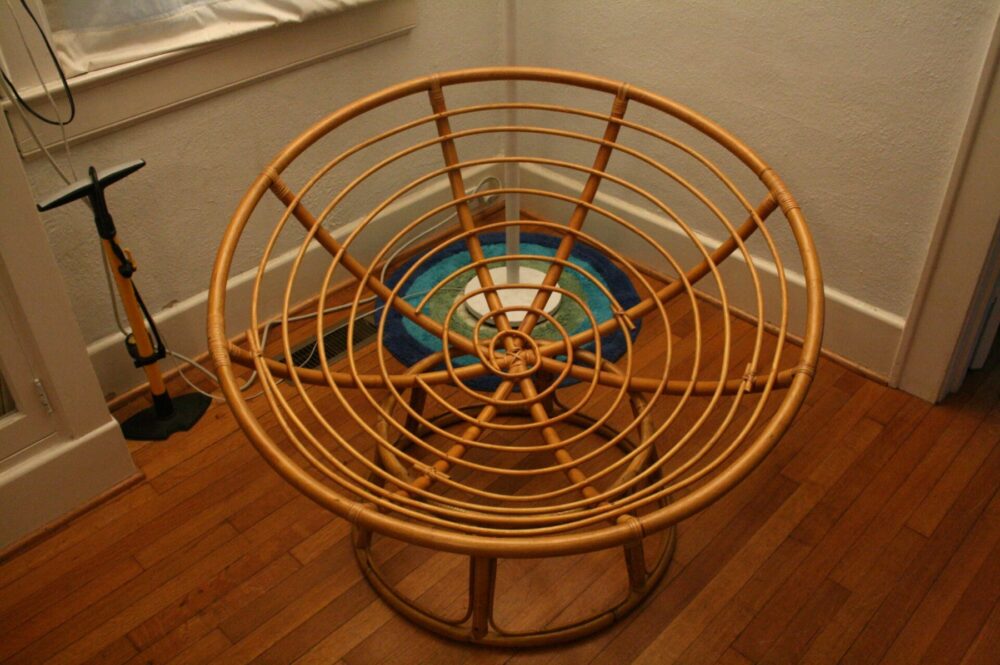
The fastest way to choose a papasan chair slipcover that actually fits and suits a modern living room is to lock in your size first, then narrow fabric and style, and only then decide whether you buy from a Canadian retailer, a craft marketplace, or a cross‑border platform like DHgate. Measure the cushion or the inside of the chair bowl edge to edge for diameter, check whether you have a single or double papasan, pick a fabric that matches indoor or outdoor use and how you like to clean, and compare stretch‑style covers with zippered, strap‑on designs.
For Canadian buyers and small ecommerce sellers, that sequence prevents the usual headaches: covers that won’t go over the cushion, fabric that pills or feels wrong, and shipping options that don’t match your timeline.
What Papasan Chair Slipcovers Are and How They Change Your Chair
A papasan slipcover is a removable fabric cover that goes over the round cushion you already own, rather than replacing the cushion itself. The cover is cut to match the dish‑shape of papasan or saucer chairs, so it wraps around the existing cushion and often cinches with elastic, straps, or a zipper.
That means you can:
- Refresh a worn or dated cushion without buying a new one.
- Switch colours or patterns to suit updated decor.
- Add a washable layer if your current cushion fabric spot‑cleans poorly.
Unlike generic round table or banquet covers, papasan‑specific slipcovers are designed to work with the tufting and thickness of these dome‑style cushions; generic round covers can look baggy or shift around.
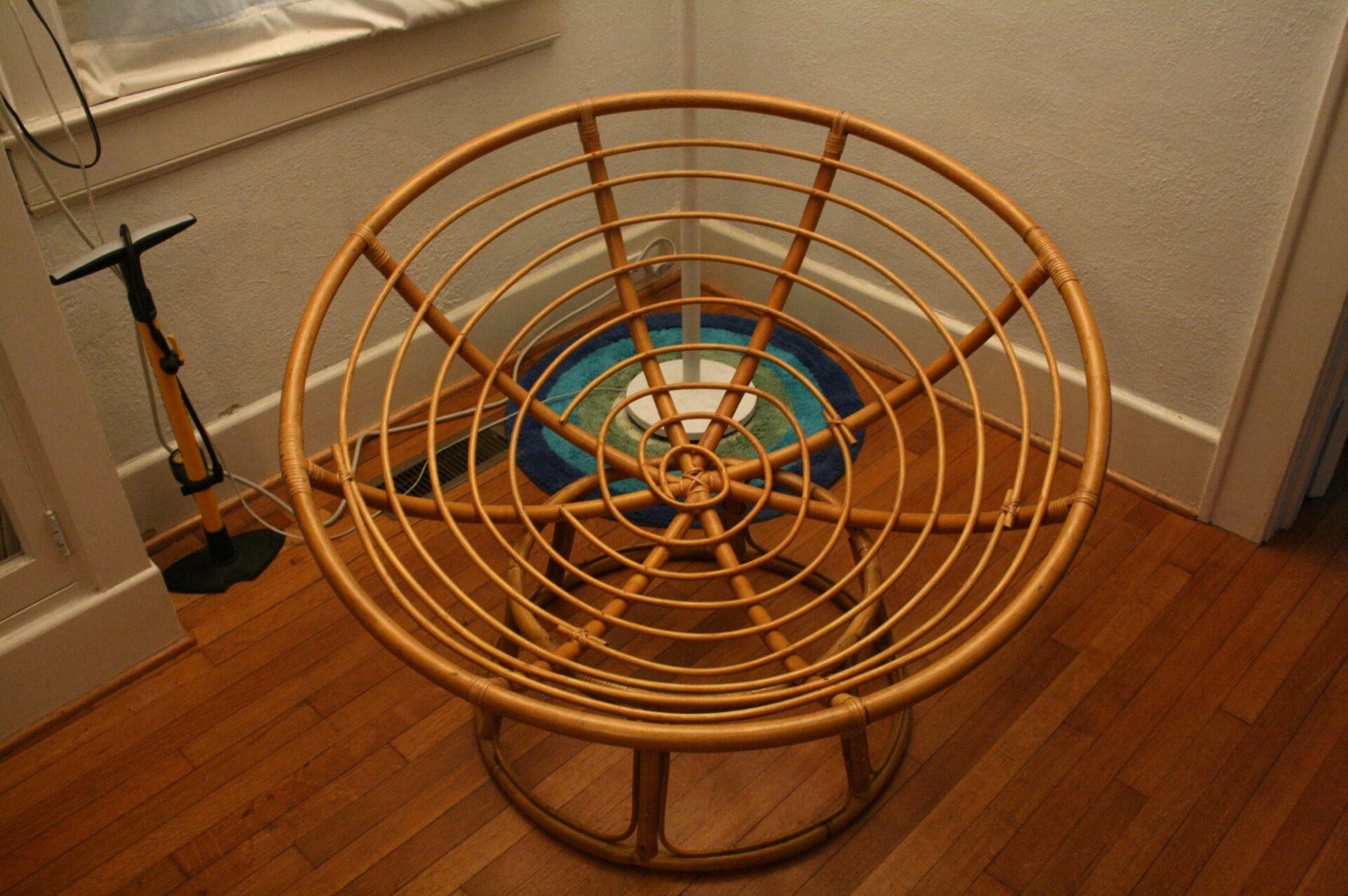
If your cushion is structurally fine but the fabric feels off in your current living room (too boho, too bright, or just tired), a slipcover is usually the cheaper and faster upgrade compared with sourcing a whole new cushion.
Key Papasan Slipcover Types, Sizes, and Fabrics to Compare
You’ll see quite a few different designs described as papasan covers or saucer chair slipcovers. Here’s how to sort them into practical options.
1. Size and chair type: single vs double, bowl vs egg
Start by measuring:
- Diameter: measure across the cushion or the inside of the chair bowl from edge to edge.
- Depth/thickness: some listings ask for cushion thickness to ensure the cover can wrap the full dome.
There is no single “standard” size, so treat diameter numbers on listings as non‑negotiable.
Common chair types:
| Chair type | What to measure | Slipcover details |
|---|---|---|
| Single papasan (round) | Inside bowl/cushion diameter | One round cover; look for elastic or full wrap design |
| Double papasan (oval) | Long and short axis of the seat area | Wide oval cover, often with several straps to secure to the frame |
| Saucer / moon chair | Seat width across the widest point | Round or slightly oval cover; usually stretch fabrics |
Double papasan covers often advertise multiple adjustable straps so they can anchor to different rattan or dish‑style frames. That’s helpful if you’re sourcing for resale and don’t know each buyer’s exact frame.
2. Construction: stretch vs zippered vs strap‑on
Most listings fall into three build styles:
- High‑stretch slipcovers (often polyester or velvet blends): These act like a fitted sheet over the cushion. They’re forgiving if your measurements are slightly off and work well for standard round papasan and saucer chairs. An example on Walmart is a velvet round saucer/papasan cover that stretches over the cushion and is marketed as removable and washable.
- Zippered “cover only” designs: The cushion slides inside like a giant pillowcase, then zips closed. These usually give a cleaner, tailored look and are common for waterproof or outdoor‑labeled papasan covers.
- Strap‑heavy designs for double papasan: Long oval covers with 6-8 adjustable straps that tie around the frame to stop slippage. These can adapt to double rattan chairs, dish chairs, or egg‑style loungers.
If you’re changing decor frequently (e.g., seasonal colours in a storefront or rental), stretch covers are quicker to pull off and on. Zippered covers feel more like a permanent fabric change.
3. Fabric choices: indoor comfort vs outdoor durability
Retail listings for papasan slipcovers show a predictable fabric mix:
- Cotton and cotton‑blend twill: Classic, breathable, usually machine‑washable, good for everyday living rooms.
- Stretch polyester or velvet: Soft handfeel, good elasticity, and popular in solid colours for modern, minimalist spaces.
- Outdoor or “waterproof” labeled fabrics: Typically polyester with coatings, used on covers marketed for balconies, patios, or high‑traffic areas.
Canadian slipcover guidance from Canadian Living emphasizes matching fabric to where the piece will sit and how you plan to clean it. That translates easily to papasan slipcovers:
- Indoor lounge chair in a condo: prioritize comfort fabrics you’re happy to touch daily, and true machine‑wash care.
- Covered balcony or cottage: an outdoor‑labeled fabric can earn its keep if you’re dealing with damp air or occasional spills.
For small ecommerce sellers, it often makes sense to stock one indoor fabric line (e.g., cotton or velvet stretch) and one outdoor‑labeled line, then let customers choose patterns.
Buying Factors and Where DHgate Fits Beside Other Marketplaces
Once you know your size and chair type, you can make more specific calls on what to buy and where to source it.
Fit and comfort come first
A papasan slipcover that’s slightly off in size is more than a cosmetic issue—it can bunch, slip, or expose the old fabric in high‑use areas. Lock in:
- Diameter within the range the listing allows (many stretch covers specify a span, like “fits X–Y inches”).
- Enough depth for the dome; very thin covers on very thick cushions can look overstretched.
- Strap placement if you’re buying for a double papasan frame.
If you’re testing a style for resale, consider ordering one sample in a forgiving stretch fabric first, then moving to tailored zippered covers once you know the most common cushion sizes your customers own.
Care, decor style, and Canadian timing
For Canadian buyers, two practical questions narrow the field fast:
- How do you want to clean it? If you rely on laundromats or building machines, a true machine‑washable cover (no dry‑clean or spot‑clean only) is a safe default.
- How fast do you need it? If you’re staging a unit or refreshing a storefront on a deadline, domestic marketplaces with local warehousing, like Walmart.ca or Wayfair.ca, typically offer clearer timelines on in‑stock papasan slipcovers.
Craft marketplaces such as Etsy papasan slipcovers broaden your design options—handmade covers, custom fabrics, or matching sets—but may involve made‑to‑order lead times.
Where DHgate is relevant
DHgate appears in this mix as a global marketplace with a wide range of cushion covers and competitive prices, including many round and saucer‑style slipcovers that are visually close to papasan designs. If you’re:
- Building inventory for a small ecommerce shop and want access to bulk quantities and lower per‑unit pricing, or
- Comfortable with cross‑border sourcing and flexible timelines,
DHgate can be worth adding to your shortlist for cushion covers, especially stretch and patterned types.
The trade‑off is that you’ll need to do more listing‑level homework: verify that the cover is described for papasan/saucer cushions, confirm the diameter range, and match fabric labels to your indoor/outdoor plans. To understand how DHgate works overall before you add it to your sourcing mix, you can read What DHgate is and how the marketplace works, and if you do choose a seller there, Find trusted sellers on DHgate explains practical checks you can apply.
For additional DHgate platform context, use Review the DHgate order-readiness checklist.
If you’re buying a single slipcover on a tight Canadian deadline, local retail or craft marketplaces are usually simpler. If you’re experimenting with multiple colours or stocking a small shop where margin matters more than speed, cross‑border platforms like DHgate may justify the extra diligence.