
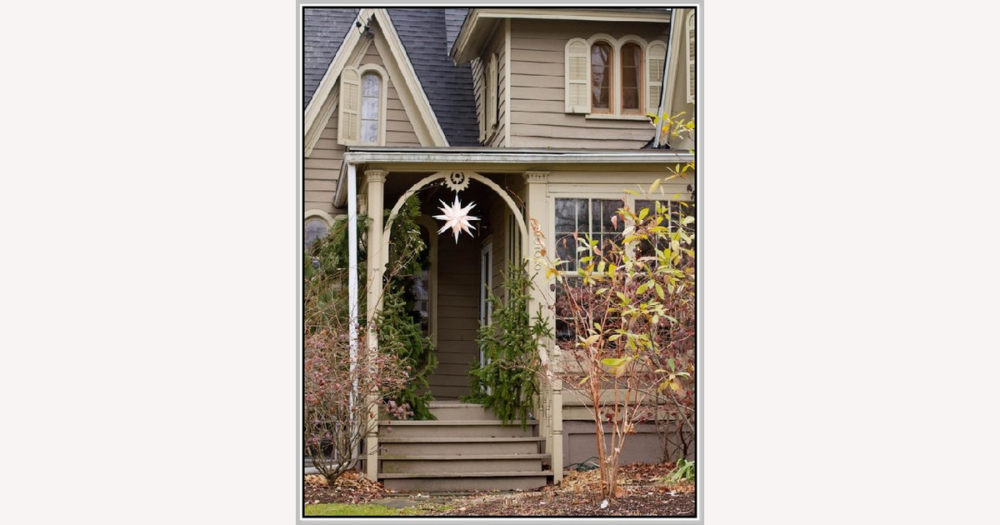
If you want a Moravian star on your porch from DHgate, the safest starting point is a fully outdoor-rated hanging pendant, then adding foldable plastic stars only when they’re clearly labeled for outdoor use and treating decorative glass or paper stars as covered-porch decor at best. This guide explains how to tell these categories apart in listings, what materials and construction details actually survive weather, and which DHgate-specific checks to make before you commit.
Porch-ready Moravian star types: which options actually work outdoors
For porch use on DHgate, most Moravian star lights fall into three practical categories: fully outdoor-rated hanging pendants, foldable plastic decor stars, and more decorative stars that really belong in well-covered areas or indoors.
Fully outdoor-rated hanging pendants are usually sold as porch or exterior fixtures. Listings often mention being “waterproof,” “outdoor,” or “for wet locations,” and may show a metal frame with glass or acrylic panels, a sealed bulb compartment, and a solid hanging chain or downrod. When they’re genuinely built as fixtures, they’re designed to stay up long term, cope with rain and wind, and tie into an existing junction box. On a typical porch, this type works best as the main light above a door or seating area, especially if you want to leave it up year-round.
Foldable or collapsible plastic Moravian stars are more like lightweight decor. They’re often described as “folding,” “collapsible,” or “PVC/plastic” stars, sometimes with battery or plug-in fairy lights inside. Good outdoor versions will say “outdoor decor” or mention weather resistance, but they’re usually meant as accent pieces rather than your only porch light. I’d treat these as low-risk extras: hang a few around the main fixture for holidays or parties, then bring them in if wind or UV exposure is a concern.
Decorative stars made with delicate materials—thin metal sheet, stained glass, paper, or fabric—are typically marketed for windows, indoor corners, or very sheltered balconies. On DHgate, their titles and descriptions may lean heavily on style words and photos but say little about outdoor or weather use. They can still work on a porch that is deeply covered and never gets direct rain, but they demand more maintenance and caution: checking for rust, watching for leaks around glass, and taking them down in storms. I would only choose this category if your porch behaves more like an indoor space and you’re comfortable treating the star as semi-delicate decor rather than a permanent exterior fixture.
Because I’d rather avoid constant repairs, I generally prefer fully outdoor-rated pendants as the main porch star, with clearly labeled foldable plastic stars as fun add-ons. Decorative, more fragile stars are a conditional option reserved for very protected porches and buyers who accept extra upkeep. The big reason these categories feel so different is what they’re made of and how they’re built for weather, which is where material and construction details start to matter much more than the word “outdoor” in a title.
Materials and build quality: what survives on a porch
Once you know which broad category of Moravian star you’re looking at, the next filter is what it’s made of and how it’s put together. Metal, glass, plastic, and acrylic all behave differently on a porch, especially when they’re hit by rain, humidity, and temperature swings.
Metal-framed stars can be very durable if the metal is treated well. Powder-coated or painted finishes and stainless or alloy metals are less likely to rust than bare steel, especially in damp climates. In DHgate descriptions and photos, I look for terms like “rust-resistant,” “anti-corrosion,” or “outdoor metal,” plus close-up images that show a consistent finish without obvious scratches or raw edges. If the frame looks like thin sheet metal with sharp seams and no coating, or the listing doesn’t mention outdoor or weather use at all, I assume it will need a well-covered location and more maintenance.
Glass panels give that classic Moravian sparkle, but they add weight and introduce more places for water to sneak in. A porch star with thick, well-fitted glass and visible sealing at the joints is more likely to cope with weather than one where you can see open gaps or uneven edges in the photos. Listings that mention being “sealed,” “waterproof,” or suitable for “wet locations,” or that show gaskets around the panels, are better bets. Glass stars with loose-looking panels, exposed screw holes, or no mention of outdoor use are best for covered porches only, because a bump, draft, or leak can crack glass or short the lamp.
Plastic and acrylic bodies are lighter and often more tolerant of occasional rain, but they can look cheaper and may fade or become brittle in strong sun. For porch use, I’d rather have a slightly plainer plastic or acrylic star with clearly described outdoor or waterproof features than a complex design with no weather notes. In DHgate photos, check whether edges line up cleanly, seams look tight, and mounting points look solid rather than flimsy. Descriptions that mention UV resistance, “outdoor decor,” or “IP65”–style ratings suggest the maker at least thought about weather, even if you still treat those claims cautiously.
Build quality shows up in the small details. Strong signs include any explicit IP rating (such as IP44 for splash resistance), mentions of outdoor or wet-location use, sealed or gasketed joints, corrosion-resistant coatings, and robust hanging hardware—chains, hooks, and ceiling plates that look proportionate to the star’s size. Multiple close-up photos that show joints, screws, and the cable entry point are also reassuring, because they give you a chance to spot cracks or gaps before ordering.
Negative signals are just as important: visible open gaps around panels, bare untreated metal edges, very thin or twisted hanging loops, fabric or paper shades, and listings that only say “indoor decor” or avoid mentioning outdoor use entirely. When a DHgate listing is vague or silent about outdoor suitability, or leans on generic “waterproof” marketing without any supporting detail, I treat the star as indoor or covered-porch only by default and assume extra risk if I mount it in an exposed spot.
Personally, I’d rather choose a simpler Moravian star with clearly sealed seams, sturdy hardware, and a plain but rust-resistant finish than a highly ornate glass showpiece that might leak or corrode the first winter on an open porch. If your porch is fully covered and rarely gets wet, you might reasonably lean more toward decorative glass and thinner metal, but the more exposure your star will see, the more weight you should give to straightforward materials, solid construction, and clear outdoor language in the listing.
Size and mounting: matching the star to your porch layout
On most porches, the star should be big enough to read as a focal point without crowding the space. As a loose guide, stars around 16–18 inches suit narrow or low porches, around 22–24 inches work on typical medium porches, and 28–30 inches or more belong on deeper spaces with higher ceilings where you stand several feet back. Treat those sizes as reference points rather than rules: if your porch is barely wider than a doorway, stay closer to the smaller end; if you have a wide, high entry with columns, a larger star or a small cluster makes more sense.
Hanging height is the next constraint. The bottom of the star should clear heads, doors, and swinging storm doors—aim to keep the lowest point at least about 7 feet above the floor, and higher if people will walk directly under it. On a low ceiling, that usually means choosing a shorter chain or cord and a more modest star diameter so it doesn’t feel like it’s in your face. On deep porches where the star hangs over a seating area rather than a walkway, you can drop it a little lower for drama, as long as nobody has to duck.
Weight and mounting decide how serious the hardware needs to be. Heavy glass or metal Moravian stars should be treated like real light fixtures: they typically belong on a secure ceiling box, bracket, or beam capable of bearing their weight plus the force of wind. Foldable plastic or thin acrylic stars are closer to holiday decor; they can often hang from robust hooks, existing beams, or light-duty brackets, as long as the hook and surface are rated for the weight and the power cable is safely routed.
On DHgate listings, look for concrete size measurements (diameter or height, not just “small” or “large”), any stated weight, and details about hanging hardware—chain length, type of hook or loop, ceiling plate, or whether no hardware is included. Mentions of “suitable for ceiling box,” “wall mount,” or “suspension wire only” give clues about where it expects to be installed. When a listing is vague or only shows a star floating in space, I’d rather message the seller for dimensions and mounting context or pick another listing with clearer diagrams than guess and end up with something that doesn’t fit.
I strongly prefer mounting options that match the infrastructure you already have. If your porch doesn’t have a hardwired ceiling box, a star that assumes one will be awkward or unsafe to improvise; in that case, I’d lean toward a plug-in pendant that can hang from a sturdy hook or a lightweight decor star instead of trying to create a new electrical mounting point from scratch.
Power options: hardwired, plug-in, battery, and solar
Power choice determines how much work it takes to get your Moravian star glowing every night. Hardwired stars are the cleanest, most permanent option: once installed into an existing porch electrical box, they turn on with your wall switch and hide all cables, but they usually require basic electrical work and, for many people, an electrician. Plug-in stars are easier to live with if you have an outdoor outlet nearby; you hang the star from suitable hardware, route the cord neatly along the ceiling or wall, and control it with a switch, timer, or smart plug. Battery-powered stars are very flexible and useful for seasonal setups or rental porches where you can’t modify wiring, but they demand regular battery changes and often lose brightness as batteries run down. Solar stars can be appealing for energy savings and locations without outlets, yet they depend heavily on where you can place the panel and how much sun your porch actually gets, so performance can vary a lot between products.
Each power type brings predictable pros and compromises. Hardwired fixtures give a tidy, integrated look and consistent brightness but lock you into one location and call for safe, code-aware installation. Plug-in stars strike a middle ground: easier to add or move than hardwired, but you have to accept visible cords and plan cable routes that don’t create tripping hazards. Battery options avoid cables entirely and are great for occasional use or short holiday seasons, just not for a star you expect to run bright for hours every single night. Solar units save on operating cost and avoid outlets, yet they’re only as reliable as their panels’ placement and your climate’s sunlight; shaded porches and short winter days may mean dim or short-lived light.
Marketplace listings often make strong claims about brightness, runtime, or “high efficiency,” especially for battery and solar lights. Treat those as marketing expectations to verify—look for actual wattage, lumen numbers, or battery capacities where available, and skim buyer reviews for patterns—rather than assuming every claim will hold true for your porch.
For a primary porch star that you want to use most evenings, I’d usually choose either a plug-in pendant with a clear power cord and specs, or a well-specified hardwired fixture that matches an existing box. Battery or solar stars make more sense to me as additional decorative pieces or short-term setups around holidays, where it’s less stressful if they dim or behave inconsistently over time.
- Confirm voltage and plug type match your local standards—for example, that the star’s AC voltage range and plug shape are compatible with your country’s outlets or that a suitable adapter is realistically available.
- Check what’s included for that power type: does the listing clearly state if a ceiling canopy, chain, cord, transformer, power supply, or battery pack comes in the box, and whether any extra components are required for installation.
- Look for explicit notes about indoor versus outdoor use for the power components themselves—cables, connectors, and drivers—as well as any stated IP or water-resistance rating, not just a general “waterproof” claim for the star body.
- Treat vague phrases like “easy to install” or “suitable for most places” as marketing, not instructions; if your porch setup depends on specific power details, message the DHgate seller for clarification or pick a listing with clearer specs instead of guessing.
Avoiding indoor-only stars and other porch-safety red flags
DHgate pre-purchase checklist for Moravian star porch lights
- Shortlist a few DHgate listings that look promising based on everything you have learned so far: check that the category, materials, size, mounting style, and power type match your porch and the way you plan to use the star.
- Review each seller’s profile, focusing on their overall rating, number of transactions, and buyer comments. Give extra weight to reviews that mention outdoor use, build quality, or show real photos of the star on a porch or balcony.
- Read the listing text slowly for concrete signs of outdoor suitability: IP or other weather-resistance notes, whether the star is described for covered or uncovered spaces, what materials are used, what mounting hardware is included, and any installation instructions or limits.
- If anything important is unclear—such as whether the star can handle rain, what voltage and plug type it uses, or exactly which mounting parts come in the box—send a DHgate message to the seller and ask those questions directly before ordering.
- Confirm shipping costs, estimated delivery time, and any customs or tax notes so you are not surprised by the total price or by a delivery window that is too close to a holiday or event you care about.
- Before placing the order, read the current DHgate refund, return, and dispute guidelines in the official help pages so you know what documentation you may need and what timelines apply if the star arrives damaged, poorly built, or less suitable for porch use than the listing suggested.
- I would rather spend a few extra minutes on these checks—especially on outdoor rating, wiring details, and seller replies—than deal with the hassle of returning or replacing a star that never really belonged on a porch in the first place.
Reading evidence and reviews: how much can you trust a listing?
On DHgate, the most reliable signs that a Moravian star can live on a porch are concrete, technical details rather than big promises. Look for an explicit IP (Ingress Protection) or water‑resistance rating, such as IP44 or higher for rain‑exposed areas, and phrases that clearly describe outdoor or weather‑resistant use rather than just “decorative” or “holiday.” Mentions of safety or quality marks—like UL, ETL, or CE—can also help, especially when they appear on the product body or power supply in photos, though you should still treat them as claims from the seller, not independent proof from this page.
Specific material descriptions are another strong signal. Listings that name stainless steel or other corrosion‑resistant metals, tempered or thick glass, and UV‑resistant plastic or acrylic give you a better starting point than generic “metal” or “plastic.” Detailed spec sections with dimensions, weight, wattage, voltage, plug type, and cable length usually indicate a more serious lighting product than short, vague feature bullets alone. On DHgate, I pay close attention to whether those specs line up with my porch setup—especially voltage and plug type for my country—before trusting a star as a main outdoor light.
Buyer reviews and user photos can fill in gaps that the listing leaves open. Reviews that mention use on a porch, balcony, or in bad weather, or that show the star hanging outside after rain or over a season, provide informal but useful hints about build quality and sealing. At the same time, reviews can be incomplete, biased, or based on short use, so treat them as one piece of evidence rather than a guarantee. Real‑life photos are particularly helpful for checking color, brightness, and finish against the polished listing images.
Be wary of listings that lean heavily on phrases like “premium quality,” “weatherproof,” “waterproof,” or “long‑lasting” without any numbers, standards, or concrete materials to back them up. On DHgate, I treat that kind of language as marketing that still needs verification, not as a promise that the star will survive an exposed porch.
This page can’t confirm the accuracy of any specific DHgate listing, so all of this guidance is about evaluating evidence in general, not certifying individual products. When the evidence is weak—no IP rating, no clear outdoor language, vague materials, few or no buyer reviews—it’s safer to assume a more limited role, such as use on a covered porch only, unless the seller gives you clear, written confirmation that the star is suitable for the exposure you have in mind.
Balancing style, durability, and DHgate trust
Choosing a Moravian star for your porch on DHgate means blending the look you want with the practical limits you’ve already checked. Decisions about warm versus cool light, soft glow versus bright illumination, and whether you hang one large focal star or several smaller ones all have to sit inside the boundaries of outdoor suitability, materials, mounting, and power. A cluster of smaller stars, for example, multiplies the number of hooks, cables, and connections you need to keep safe and weather‑aware, while a single large star might demand sturdier hardware and more careful clearance above doors.
If your porch is exposed and you dislike maintenance, I’d lean toward simpler, clearly outdoor‑rated designs: metal or durable plastic bodies with stated IP ratings, straightforward mounting hardware, and plug‑in or well‑documented hardwired power. They may not be the most intricate or colorful stars on DHgate, but they’re less likely to become a headache when wind, rain, and temperature changes hit. If your porch is deeply covered and you’re comfortable doing occasional cleaning and checks, more ornate glass stars, complex framing, or multi‑star arrangements can be reasonable, as long as you still see credible outdoor clues in the listing and understand how they’ll be powered and mounted.
The real goal isn’t to find a single “best” DHgate Moravian star; it’s to assemble a combination that fits your porch and risk comfort: category (fully outdoor pendant, foldable decor star, or decorative piece in a covered area), materials, size, mounting, power, and seller track record. I personally prioritize reliability and clear specifications over maximum decorative detail, especially for a main porch light. If your porch is more sheltered or you care most about a dramatic, festive look, you might push that balance further toward style, as long as you stay honest about the evidence you have and how much uncertainty you’re willing to accept.
FAQ: practical porch setups and handling unclear orders
Can I run multiple hardwired or plug-in Moravian stars on the same porch circuit?
You can often run more than one Moravian star from a single household circuit, but only if the total electrical load stays within what that circuit and any extension devices are designed to handle. Add up the wattage of all lights and other devices on the circuit, check that this total stays comfortably within the rating of the circuit and any power strips or timers, and avoid daisy-chaining multiple high‑load items into one outlet. For anything beyond simple plug‑in use—such as adding new hardwired fixtures, changing wiring, or working inside junction boxes—follow local electrical codes and consult a qualified electrician rather than relying on marketplace guidance. DHgate listings are not a substitute for professional electrical advice, so treat them as product information only and get technical help if you are unsure.
Should I leave my Moravian star up year-round or treat it as seasonal decor?
Whether a Moravian star stays up all year or only during certain seasons depends on how exposed your porch is and how much maintenance you are willing to do. In harsh climates with frequent rain, snow, strong sun, or wind, it’s safer to treat more delicate or minimally specified stars as seasonal decor: hang them for holidays or milder months, then bring them inside to prevent corrosion, fading, or damage. On well‑covered porches in moderate climates, sturdier stars with clear outdoor ratings and solid materials can be left up longer, as long as you periodically check for loose hardware, cracked panels, or worn cables and clean off dirt or salt. When you review DHgate listings, factor in your local weather and your appetite for inspections and cleaning before deciding if a star will be permanent or seasonal.
What should I do if my DHgate order arrives without clear outdoor ratings or feels less sturdy than expected?
If a Moravian star from DHgate arrives with no clear outdoor documentation, or the materials and build quality feel weaker than the listing implied, treat it as indoor or covered‑porch decor until you have better information. Avoid hanging it in fully exposed locations, especially where it would be rained on or subject to strong wind. Take clear photos of the product, packaging, and any differences between what you received and what the listing described, and keep copies of the original listing text. Contact the seller through DHgate to ask specifically about outdoor suitability and to raise any concerns, and if the listing suggested outdoor use that the product does not appear to meet, review DHgate’s official refund and dispute policies and consider opening a dispute with your documentation. The platform’s help pages and support channels are the right place to confirm your options; this guide can’t decide individual cases, but it can encourage you to protect yourself by keeping records and pushing for clarification when outdoor claims seem doubtful.