
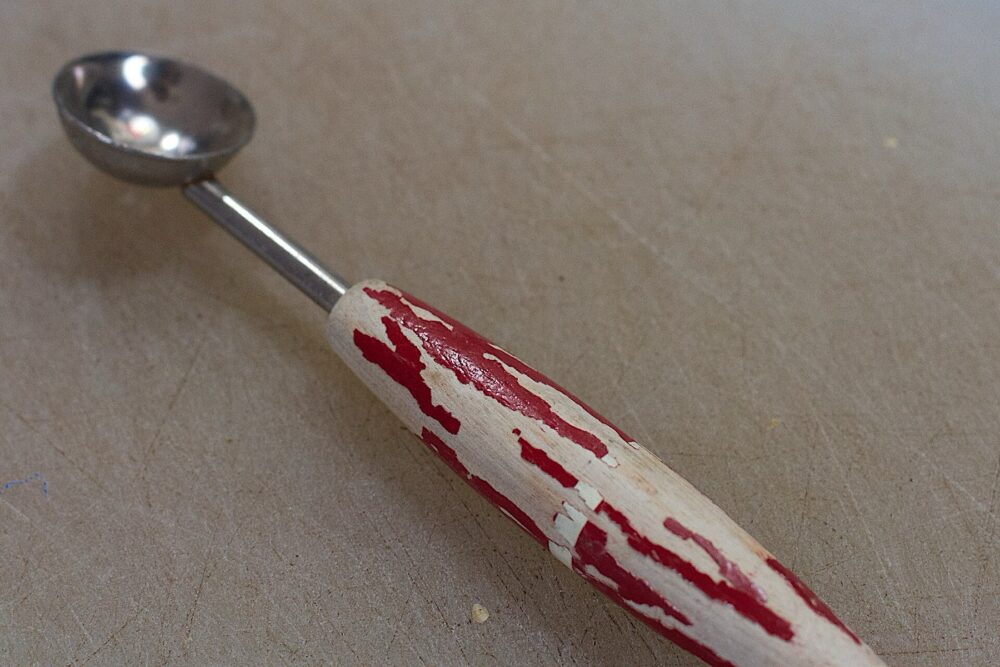
The way to choose a melon baller or melon balls is to start with how you’ll use them. For home salads and kids’ snacks, a simple stainless-steel baller with a mid-size scoop is usually enough. Bars and caterers often prefer double-ended tools with a small scoop for cocktails and a larger scoop for fruit platters, or they buy pre-made balls when speed matters more than freshness. Cross-border marketplaces mainly become relevant if you want a lot of low-cost tools for a bar, catering team, or ecommerce kit bundles, rather than a single utensil for your own kitchen. DHgate is one cross-border multi-seller marketplace in this channel comparison; evaluate it against alternatives using the same product, cost, and operational criteria.
What Melon Ballers and Melon Balls Actually Are
A melon baller is a small kitchen utensil designed to scoop out neat, uniform balls from melons and other soft fruits, so dishes look more polished and portion sizes stay consistent. Dictionary-style definitions describe it simply as a small spoon-shaped tool used to cut or scoop balls of melon or similar soft food, which matches how most home and professional cooks use it.MELON BALLER meaning – Cambridge Dictionary
Melon balls themselves are those little spheres you see in fruit salads, dessert garnishes and drinks. They’re commonly used as a decorative and flavour component in cocktails and composed fruit dishes; the classic “melon ball” drink is named for the garnish.Melon balls in drinks and dishes
In practice:
- Home cooks use melon ballers for entertaining bowls, lunchbox snacks, or to make fruit feel more fun for kids.
- Bars use smaller balls as floating garnishes in cocktails and mocktails.
- Professional kitchens and caterers often use them for buffets, desserts and bar service because consistent size looks better and helps portioning.
Pre-made melon balls, when you don’t make them yourself, are typically supplied through larger fresh-cut produce or hospitality channels rather than standard supermarket shelves, so they’re more relevant to bigger catering operations than everyday home shopping.
Key Types and Specs: Matching Tools and Balls to Your Use-Case
To make a useful choice, you need to look past “melons” and focus on scoop size, tool layout, handle material, and whether you’ll make or buy the balls.
Scoop sizes and what they’re good for
Melon ballers come in a range of scoop diameters. Exact measurements vary by brand, but kitchen guides describe patterns that are easy to apply:What is a fruit melon baller?
- Smaller scoops (on the petite end of the range) suit drinks and fine garnishes. They give you light, compact balls that don’t overpower a cocktail glass or plated dessert.
- Mid-size scoops are general-purpose – ideal for mixed fruit salads and everyday snacks.
- Larger scoops suit hearty fruit salads, brunch platters, and bento-style lunch boxes where you want fewer, more substantial pieces.
Think of it this way: if the balls need to sit comfortably in a rocks glass with ice, choose a small scoop. If they’re going in a salad bowl or kids’ lunch box, mid to large scoops make prep faster and portions feel generous.
Single-ended vs double-ended tools
Common designs include:Best melon baller designs
- Single-ended melon ballers – one scoop on a handle. Simple, easier to store, and usually cheaper. Good for home kitchens that mainly use one size.
- Double-ended melon ballers – a scoop on each end, often in two different sizes. These are popular with professional cooks and serious home hosts, because you can switch between small balls for drinks and larger balls for platters without changing tools.
For a small Australian household, a single-ended baller with a versatile mid-size scoop is usually enough. If you’re stocking a bar, catering business, or you sell party kits online, a double-ended tool is more flexible and reduces how many different utensils you need to keep on hand.
Handle materials and comfort
Reviews of popular melon ballers highlight a mix of common handle materials:Melon baller handle options
- Plastic handles – light, inexpensive, often brightly coloured. Fine for occasional home use, but can feel slippery when wet.
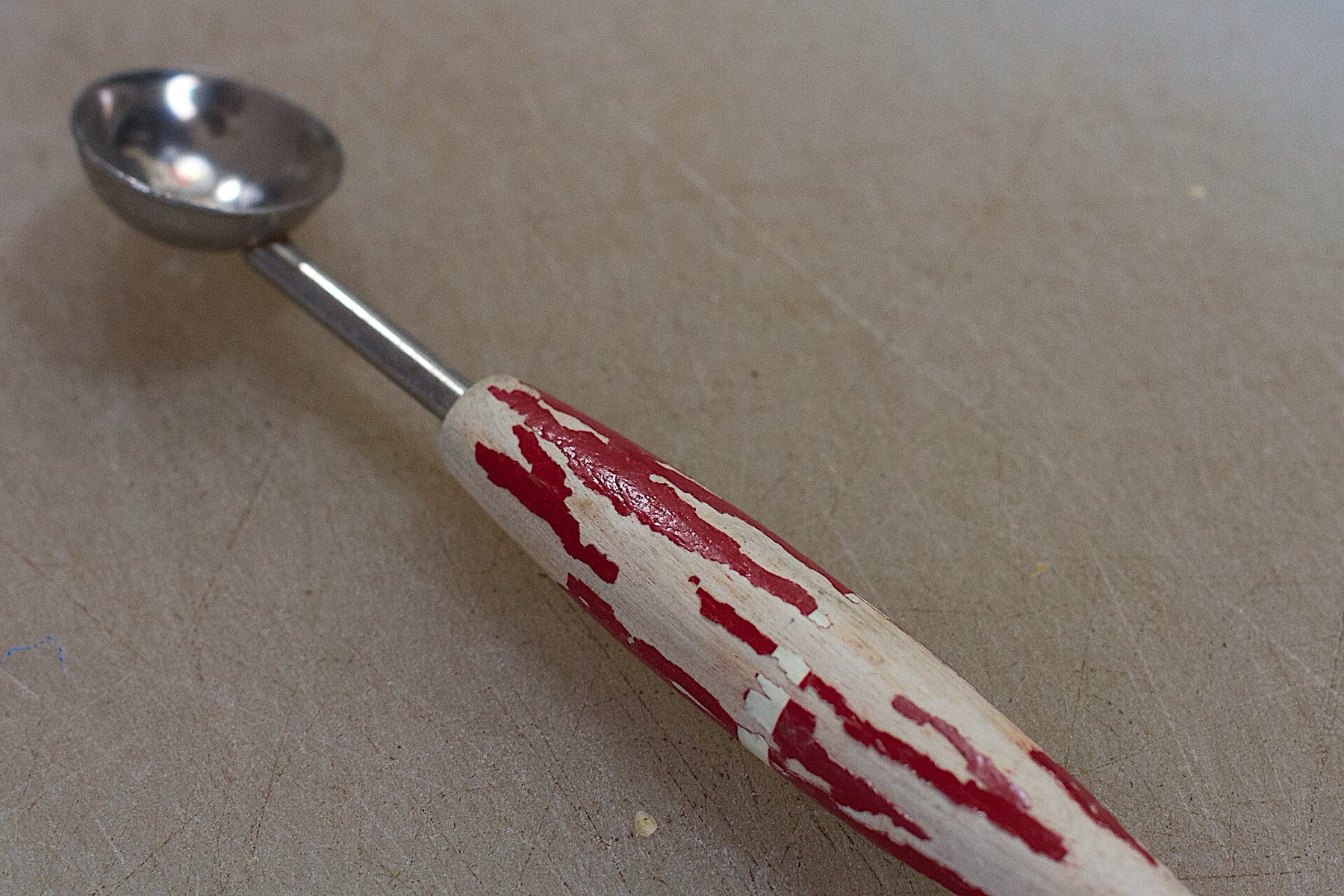
- Wood handles – a bit more traditional, with a warmer feel in the hand.
- Stainless steel handles – durable and often described as easy to clean. Many stainless tools are marketed as dishwasher-friendly, but care guidance can vary by brand.
- Silicone or rubberised handles – designed for grip and comfort, which can matter if you’re prepping trays daily or your staff have different hand sizes.
If you’re buying for a bar or catering crew, prioritise a handle that’s comfortable over long shifts and survives frequent washing. For home use, you can lean more on aesthetics and price as long as the scoop itself is sturdy. For any material, follow the care instructions from the specific brand rather than assuming it is automatically dishwasher-safe.
Home-made vs pre-made melon balls
There are two ways to get melon balls into your menu or product lineup:
- Home-made balls using a melon baller
- Best flavour and texture, because you’re using fresh melons.
- You can control size to match cocktails, platters, or bento boxes.
- Requires labour and a reliable supply of ripe melons.
- Pre-made or pre-cut melon balls
- Supplied by some fresh-cut fruit processors or hospitality wholesalers.
- More common for larger catering operations than for everyday home shopping.
- Save time for big events, but you lose control over exact size and ripeness.
For most Australian home buyers, it’s cheaper and tastier to buy whole melons and use a baller. For catering businesses, the choice depends on labour vs produce cost and your cold storage – you might use a mix (pre-made for very large events, fresh for smaller, higher-margin jobs).
Quick scenario comparison
Here’s how the main tool types line up against common use-cases:
| Use-case | Scoop size focus | Tool layout choice | Handle priority |
|---|---|---|---|
| Home fruit salads & snacks | Mid to large | Single-ended baller | Any, basic comfort |
| Cocktail bar garnishes | Small (plus mid backup) | Double-ended, two sizes | Non-slip (silicone/steel) |
| Catering buffets & desserts | Mid, with some small | Double-ended or set of two | Durable, frequent washing |
| Kids’ lunch boxes / bentos | Mid to large | Single-ended | Light, easy for helpers |
| Ecommerce party kits / bundles | Mid, sometimes small | Double-ended (value add) | Looks + durability |
Use this table less as a rulebook and more as a shortcut: match your main context to a row, then pick the closest scoop size and handle style.
Buying Melon Ballers and Balls: Local Retail vs Cross-Border Platforms
Once you know the specs you want, the next step is deciding where to buy.
Local Australian channels
For single kitchen tools and small quantities, Australian buyers typically use:
- Kitchenware retailers and department stores – both physical shops and local online stores carry branded melon ballers in the fruit/vegetable tool section. Many list diameter and material clearly, which helps you line them up against the scenarios above.
- Hospitality and restaurant suppliers – useful if you run a bar or catering business and want tools built for commercial use. They often carry double-ended ballers and multi-pack utensil sets aimed at professional kitchens.
For most home buyers and small cafes, these channels are the most straightforward route because they keep selection, delivery, and returns within the domestic system.
Cross-border marketplaces and when they make sense
For bulk tooling – for example, equipping several bar stations, buying tools for multiple staff, or assembling ecommerce kits that include a melon baller – cross-border marketplaces can be attractive because they connect you directly with manufacturers and exporters.
DHgate is one such online marketplace: editorial descriptions emphasise that it connects buyers with sellers offering a wide range of products, with options for bulk purchasing and competitive unit pricing for many categories.Smart shopper’s guide to buying on DHgate
In the melon baller context, that makes platforms like DHgate more relevant if you’re:
- Sourcing dozens or hundreds of low-cost tools for a catering operation or bar group.
- Adding a simple kitchen gadget to gift sets or party bundles you sell online and need the per-unit cost to stay low.
They’re less relevant if you only need one or two utensils for your own kitchen or a single venue – domestic retailers will usually be simpler and faster for that.
If you do go down the cross-border route, treat the marketplace as a directory of individual sellers rather than a single store. Compare product images and specs carefully, and ask questions about scoop diameter and handle material so you don’t end up with tools that are too flimsy for commercial use.
If you want a deeper look at how the DHgate platform itself operates or how to vet sellers and prepare orders, you can use internal guidance such as What DHgate is and how the marketplace works, Find trusted sellers on DHgate, and Review the DHgate order-readiness checklist.
For many Australian readers, the practical split is: buy a branded, mid-range melon baller locally if you just want reliable fruit prep; explore cross-border marketplaces only if your business model depends on sourcing a lot of tools at low unit cost and you’re willing to manage the extra complexity of international orders.