
From there, match material, size, and print-run details to how you’ll use the pins: display in a focused collection, resell to fans, or hand out at events. DHgate is one cross-border multi-seller marketplace in this channel comparison; evaluate it against alternatives using the same product, cost, and operational criteria.
What Counts as a Mario Pins Collection Today?
“Mario pins collection” covers two very different worlds:
- Official Nintendo anniversary and reward sets
Nintendo has released limited Super Mario pin sets through My Nintendo and related channels as special rewards tied to specific promotions and anniversaries. These pins are part of structured campaigns, often tied to completing missions or purchases, and are explicitly branded as limited rewards by Nintendo itself.My Nintendo reward page describes one such Super Mario set with that limited nature.
Collectors and Mario merch editors tend to treat these as premium items. Guides discussing Super Mario anniversary pins highlight packaging, artwork continuity across the set, and the fact they come directly from Nintendo as key reasons they sit in a different tier than ordinary enamel pins.Mario merch guide frames these anniversary sets as “ultimate” collectibles within Mario merch.
- Generic Mario‑themed enamel pin runs
These are pins with Mario-style art: characters, power-ups, logos, or mashups. They may be:
- Officially licensed merch from various retailers, or
- Fan-made pins that borrow the theme, often sold on creator platforms.
They’re usually produced in larger runs, with designs that range from simple flat-color badges to intricate, multi-layer enamel pieces. Collectors of enamel pins typically focus on themes, enamel and plating quality, backing types (rubber clutch vs locking), and whether a design is part of a limited series.PinTrackers’ collecting guide calls out these kinds of factors as core to pin-hobby decisions.
For a Mario pins “collection,” you might build:
- A tight set anchored around one official anniversary reward series.
- A mixed board of Mario-style enamel designs from different makers.
- A bulk lot of cute Mario-inspired pins for giveaways, parties, or low-price resale.
Each path pushes you toward different specifications and different marketplaces.
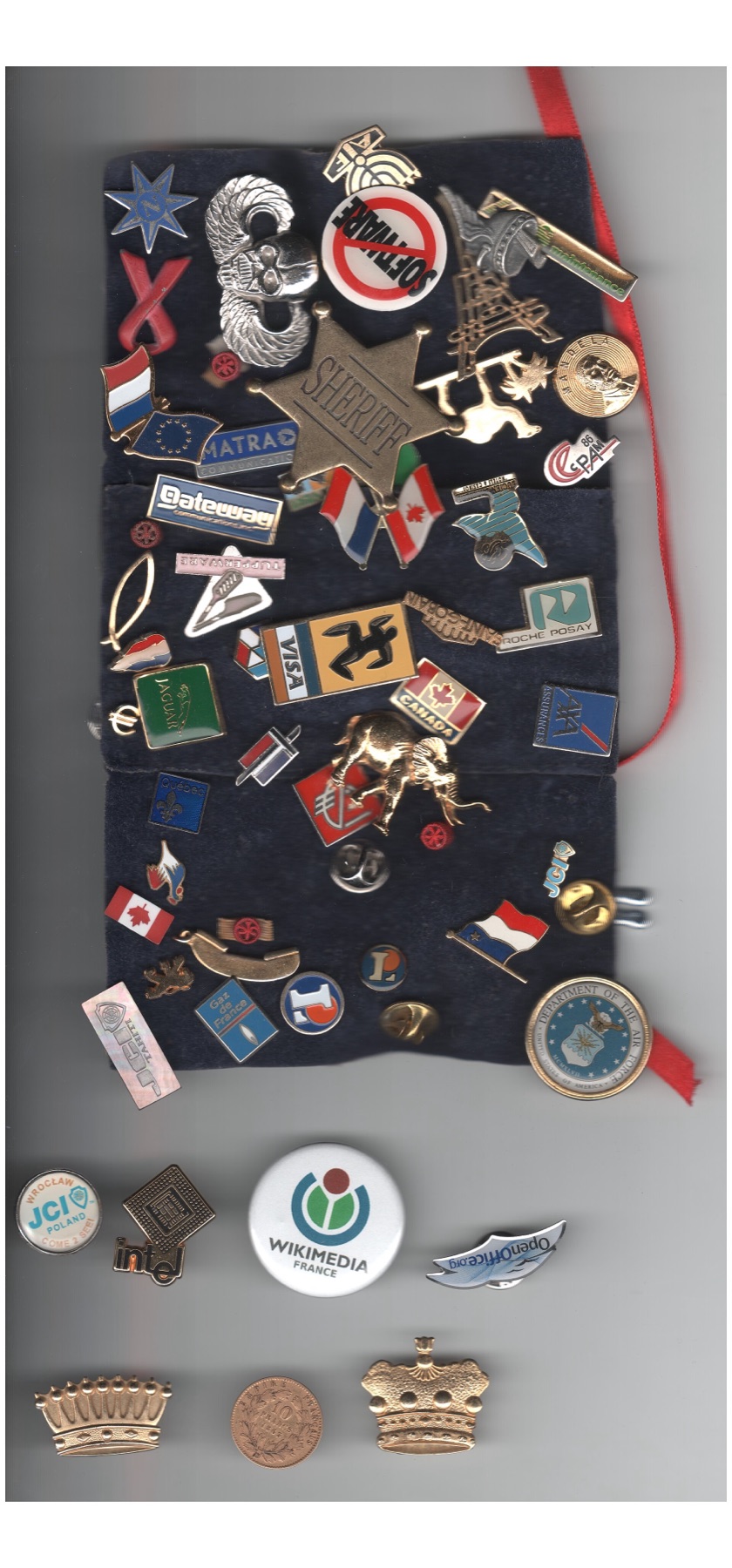
Key Buying Choices: Authenticity, Materials, Size, and Use Case
Once you know which type of collection you’re building, the practical decisions are mostly about authenticity, build quality, and size — and how those line up with what you’re trying to do.
1. Authentic vs “Mario‑style” designs
- If you want official Nintendo pins:
You’re looking for products that clearly state they’re Nintendo rewards or licensed merch and can be traced back to channels like My Nintendo, Nintendo’s own store, or an authorized retailer. You’ll care about:
- Documented origin (e.g., reward confirmation, retailer receipt).
- Matching packaging and artwork to what Nintendo and dedicated merch guides show for that specific set.
- If you mainly want Mario‑inspired enamel art:
Authenticity is more about the maker than the brand license. Pin collectors often organize by artist, series, and edition size, using maker backstamps or cards to track provenance.PinTrackers’ organizing guide leans on themes and series as anchors for organizing sets.
For DHgate and similar cross‑border marketplaces, this distinction is crucial. Listings there are usually about style and bulk quantity, not confirmed Nintendo licensing. Treat them as sources for Mario‑like designs and generic enamel lots, not for rare official anniversary rewards.
2. Materials and hardware quality
Enamel pin hobby norms give you a simple checklist that translates well to Mario designs:
- Enamel type and finish: Hard enamel (flush surface) tends to feel more premium and durable; soft enamel has raised lines and can look more textured. Collectors compare smoothness of fill, color accuracy, and whether the metal lines are crisp — all visible in listing photos.PinTrackers’ collecting guide flags enamel quality and finish as a central consideration.
- Plating color: Gold, silver, black nickel, or themed metals (like “antique gold”) change the look of Mario art significantly. For classic Mario anniversary sets, Nintendo selects plating that matches official artwork. Generic pins may use whatever is economical.
- Backings:
- Rubber clutches: fine for casual wear and low-cost bulk orders.
- Locking backs: better for collectors and resellers who expect frequent handling.
If you’re sourcing party favors or low‑price merch in bulk, DHgate’s value positioning — variety and competitive pricing optimized for larger quantities — can be attractive. Editorial comparisons of DHgate and Amazon describe DHgate as often more cost‑effective for many bulk buyers because of wholesale-style discounts on larger orders, especially for event planners and businesses.DHgate blog comparison frames bulk orders this way. Just keep in mind that with cross‑border bulk, you’ll typically compromise on brand licensing certainty.
3. Pin size and how you’ll use the collection
Think in terms of how the pins will actually be used:
- Display collection (pin boards, shadow boxes):
Medium to large pins show off Mario character art and scene details better. Limited-run sets, like anniversary rewards, often come with coordinated art and packaging that look cohesive when displayed together.
- Resale to fans (small ecommerce shop):
You might want a mix: standout “anchor” pieces (larger or more detailed pins) plus smaller, simpler pins at lower price points. For unlicensed Mario‑style pins bought cross‑border, your margin is driven by how cheaply you can source while staying inside your risk tolerance on IP and quality.
- Giveaways and events (birthday parties, conventions):
Smaller pins are cheaper per piece and easier to hand out. You’ll care more about bright, recognizable Mario imagery and rubber backings that are kid-friendly than you will about perfect enamel fill.
DHgate is most relevant in that last scenario and in low‑tier resale: you’re buying generic, Mario‑inspired pins where cost per unit and variety matter more than licensing or collector prestige.
4. Limited edition and print run
In pin collecting, “limited edition” typically means a specific, stated print run or reward window. Collectors use edition size to judge rarity and long‑term interest across themes.PinTrackers’ collecting guidance points out that collectors often gravitate to limited series.
For Mario:
- Nintendo’s anniversary sets are limited by reward period and campaign rules, not open‑ended production.
- Fan-made Mario‑style pins may state an edition size (e.g., 100 pieces), which can matter to collectors of that artist.
- Bulk generic Mario‑inspired pins from global marketplaces typically don’t advertise a firm edition size; they’re effectively open-run.
If limited status matters to you or your buyers, prioritize official sets and clearly labeled small artist editions. DHgate’s role is almost entirely open-run designs; treat them as consumable merch, not numbered collectibles.
Official Sets vs Generic Enamel: How They Differ
Here’s a quick side-by-side view of the main Mario pin types:
| Pin type | Source channels (typical) | What collectors focus on | Best suited for |
|---|---|---|---|
| Official Nintendo anniversary set | My Nintendo rewards, Nintendo store, official promos | Direct Nintendo origin, reward rules, cohesive art | Serious Mario collections, display |
| Licensed retail Mario enamel pins | Major retailers, specialty game/merch shops | Design quality, brand markings, theme fit | Casual collectors, gifts |
| Fan-made Mario-style artist pins | Creator platforms, small shops, conventions | Artist, edition size, unique take on Mario imagery | Niche collectors, small-batch resale |
| Generic Mario-style bulk enamel | Cross-border marketplaces like DHgate | Visual appeal, unit cost, acceptable basic quality | Party favors, low-cost merch, giveaways |
The first two rows are generally where you’ll find products that clearly sit inside Nintendo’s licensed ecosystem. The latter two rows are where you trade licensing clarity for creative variety and lower cost.
Where Different Mario Pin Types Are Usually Found (and DHgate’s Role)
Your choice of marketplace should follow the type of Mario pins you’re targeting.
- Official anniversary and reward sets:
These originate with Nintendo itself. Historical Super Mario reward campaigns are documented on official My Nintendo pages and restock news from Nintendo-focused outlets.My Nintendo reward announcement and NintendoLife coverage of anniversary pins both treat these sets as limited, time-bound rewards. Once a campaign ends, collectors typically rely on secondary markets and peer-to-peer sales, where provenance (photos of paperwork, close-ups of backstamps and packaging) becomes critical.
- Licensed mass-market Mario pins:
These appear at big-box retailers, game shops, and online merch stores focused on gaming. They’re a middle ground: official imagery, but not necessarily tightly limited rewards.
- Fan-made and artist Mario-style pins:
Creator platforms and niche shops focus on these. Collectors often follow specific artists or themed series, using drops and edition numbers to organize collections.PinTrackers’ organizing guide reflects this theme/series mindset.
- Generic Mario-style bulk enamel lots:
Global marketplaces emphasizing variety and wholesale-style pricing, such as DHgate, generally serve this segment. DHgate’s editorial positioning highlights competitive pricing, direct access to manufacturers, and options for bulk purchasing that lower per-unit cost for many buyers.DHgate’s smart shopper guide frames its value that way. For a US buyer or small ecommerce business, this makes DHgate more of a route for non‑licensed Mario‑inspired pins in large quantities than for rare, official Nintendo collectibles.
If you realize your goal is a focused, high‑prestige Mario collection built around anniversary rewards, keep your shortlist anchored on official Nintendo channels and documented collector resales. If your goal is a bucket of fun Mario‑style pins to hand out at a birthday party or include as cheap add‑ons in an online shop, then DHgate and similar marketplaces can belong in your sourcing mix — as long as you’re clear that you’re buying by design and price, not by licensing label.
For additional DHgate platform context, use Review the DHgate order-readiness checklist.
For readers who want to understand DHgate itself before adding it to that mix, you can get a neutral overview in What DHgate is and how the marketplace works, and a more sourcing-focused look at seller reliability in Find trusted sellers on DHgate. Both are useful context before you place a bulk pin order.