
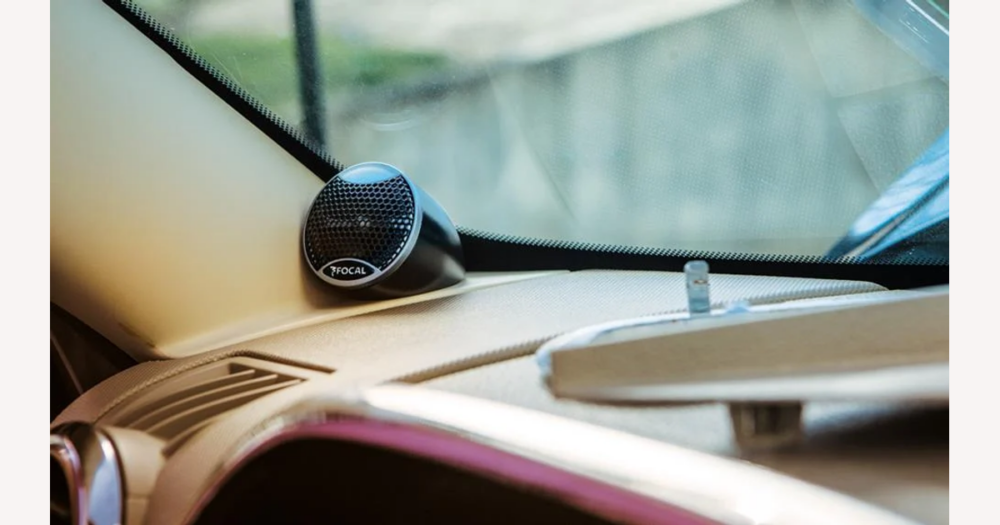
If you’re searching DHgate for Kicker-style tweeters for a small car, the smartest move isn’t to hunt for one “best” model but to match tweeter type, size, sensitivity, and mounting style to your specific factory locations and listening preferences. The important questions are how dome and bullet designs behave in tight cabins, which listing specs matter most for fit and compatibility, and which basic DHgate seller and transaction checks can help you buy with more confidence.
Why there’s no single “best” Kicker tweeter for a small car
There isn’t one universally “best” Kicker tweeter for small cars on DHgate, because every vehicle, audio system, and listener has different constraints and tastes. In a tight cabin, what matters most is whether the tweeter physically fits in the limited factory locations, plays nicely with your existing head unit or amplifier, and sounds comfortable at close range rather than simply being the loudest option available.
For a small car, that usually means paying closer attention to tweeter type and material (for example, silk or other softer domes versus harder composite domes or bullet-style tweeters), the overall size and mounting format, and basic specs like sensitivity and impedance. Kicker-branded and Kicker-style tweeters on DHgate can cover everything from smoother silk domes that are easy to live with to brighter, more aggressive designs that suit people who enjoy very forward highs and are willing to cut or modify panels.
Personally, I would rather choose a tweeter that’s easy to fit and sounds a bit softer and less piercing in a compact interior, even if that means giving up some extreme output. Someone who prioritizes sheer loudness and sparkle, and doesn’t mind reshaping trim or adding larger housings, might reasonably make the opposite trade-off. Use the information here to read DHgate tweeter specs and listing descriptions, then make that fit-and-preference match instead of chasing a single recommended model name.
Tweeter types and materials that work in tight car interiors
Most Kicker-style car tweeters fall into two broad format families: dome tweeters and bullet or pro-style tweeters. Dome tweeters use a small curved diaphragm and are common in component sets and coaxials; bullets and super tweeters are more cylindrical and are often built for very high output. Within those formats you’ll see materials like silk or other textile domes, polymer or composite domes, and metal or metal-coated domes in DHgate listings.
As a general tendency, silk and other softer textile domes often come across as smoother and less sharp at the short listening distances inside a small car. Polymer and composite domes can add a bit more bite and detail, while full metal or metal-coated domes and bullet tweeters tend to sound brighter and more aggressive, especially if they’re mounted close to ear level or aimed directly at your face. In a compact cabin with lots of glass and hard plastic reflecting sound, that extra brightness can easily cross the line into harshness for some people.
These are tendencies, not guarantees; the actual sound you get depends heavily on the crossover design, how the tweeter is aimed, and the rest of your system. Still, they’re useful for interpreting DHgate listing descriptions: if a small car is your daily driver and you prefer relaxed highs, I would lean toward a silk or other soft-dome tweeter and mount it slightly off-axis rather than pointing it straight at your ears. If you enjoy very lively, front-row treble and don’t mind more intensity in a tight space, a harder dome or even a bullet tweeter can make sense, as long as you accept the trade-off in comfort.
Key DHgate tweeter specs and what they mean for small-car fit
| Spec | What it affects in a small car | What to look for in DHgate listings |
|---|---|---|
| Diameter and mounting depth | Whether the tweeter physically fits in factory grilles, mirror triangles, sail panels, or A-pillars without hitting trim or structure. | Check the stated outer diameter and mounting depth against your measured openings and panel thickness. Be wary of housings that are clearly larger than your grille, very deep bodies for shallow panels, or listings that do not show any dimensions at all. |
| Impedance (usually 4 Ω, sometimes 6–8 Ω) | How well the tweeter matches your factory head unit or aftermarket amp, affecting output level and electrical strain. | Look for impedance that matches the rest of your speakers or the range your amp is designed for (commonly 4 Ω in car audio). Avoid mixing very different impedances without a clear wiring plan, and treat vague or missing impedance specs on DHgate as a reason to pause. |
| RMS vs peak power | Realistic continuous power the tweeter can handle and how demanding it is on the amplifier. | Use RMS as the main reference, not the large peak number. In a small car on a stock head unit, a tweeter with moderate RMS demand is usually more sensible than a very high-power model with low sensitivity. On DHgate, focus on honest-looking RMS figures and avoid listings that only shout big peak numbers with no context. |
| Sensitivity (dB at 1 W/1 m) | How easily the tweeter reaches a comfortable volume from limited power, and how intense it can sound at close range. | For small cabins, moderately high sensitivity helps a factory radio drive the tweeters without sounding dull, but extremely high sensitivity combined with bright, hard materials can become harsh. When scanning DHgate specs, aim for balanced sensitivity and be cautious of ultra-high claims paired with aggressive marketing language. |
| Crossover or high-pass filter details | Protection from damaging low frequencies and overall tonal balance with the rest of the system. | Check whether the listing clearly shows an included crossover or inline high-pass (small module or capacitor in the wiring) and whether it states the crossover point. Prefer DHgate offers that show these parts in photos or diagrams and describe how they connect, rather than generic promises of “high power sound” with no crossover information. |
Choosing surface, flush, or angle mounts for cramped locations
- Surface-mount tweeters sit on top of the panel in small pods, usually needing only a screw hole or adhesive. They’re handy for cramped dashboards, mirror triangles, or lease vehicles where you don’t want to cut plastic, but the housings can look bulky or snag knees and cables if you place them in very tight spots. On DHgate, check photos for pod size and height and imagine them on your specific panel before deciding.
- Flush-mount tweeters sit inside a cut hole with a grille at the surface, giving a clean, almost factory look. They work well in existing tweeter locations or sturdy sail panels and A-pillars, but they require enough diameter and depth and clear space behind the panel—no metal bracing or shallow plastic getting in the way. In DHgate descriptions, look for detailed mounting dimensions and note that flush mounts are less suitable if your chosen spot is thin or obstructed.
- Angle-mount tweeters use small pods or brackets that let you aim the diaphragm slightly toward or away from the listener. In a small cabin, that aiming control can soften bright tweeters by placing them slightly off-axis on the dash or A-pillars, but the pods still need a stable, flat area and will be visually noticeable. When browsing DHgate, focus on how the brackets attach and the range of angles shown, and in many compact cars consider a modest surface or angle mount pointed slightly away from your ears as a practical compromise between easy installation and comfortable sound.
Separate tweeters vs coaxial speakers in a small car
On DHgate you’ll see two broad formats under Kicker-style tweeter and speaker listings: component systems and coaxial speakers. A component set splits the woofer and tweeter into separate units, usually with an external crossover, so you can mount the tweeter higher up in the cabin—on the sail panel, A‑pillar, or dash edge—while the woofer stays in the door. A coaxial speaker combines a woofer and tweeter in one basket, designed to drop into a single opening such as a factory door or rear deck location.
In a small car, separate tweeters give you more control over where the highs come from. Careful placement can add detail and a sense of height without needing huge speakers, but it also means more work: you’ll run extra wires, decide on exact mounting points, and may need brackets or to cut into plastic trim. Coaxials, by contrast, usually bolt straight into existing openings, use the factory wiring, and keep everything in one piece. For many compact-car owners using a stock or mildly upgraded head unit, a good coaxial is often enough of a step up without turning the project into a full custom install.
I would treat the choice as a comfort and constraints decision rather than assuming components are always better. If you’re not comfortable drilling panels, removing trim, or routing new wiring, it’s reasonable to focus on well‑specified coaxial speakers that match your factory sizes and impedance. If you enjoy tinkering and your small car has suitable spots for tweeters, then component systems with separate tweeters can be worth considering for more precise placement—as long as you read DHgate listings carefully to confirm which format you’re buying and pick the one that matches your install skills, available time, and cabin space.
Quick measuring routine to match your car to DHgate specs
- Pick the exact spot where the tweeter will live: an existing factory tweeter grille, a door sail panel, dash corner, or another stable surface. Avoid areas where the tweeter pod would block controls or legs in a tight cabin.
- Measure the visible opening or available area with a ruler or simple calipers. Note the approximate diameter you have to work with, then gently feel or look behind the panel to estimate how much depth there is before you hit metal, glass, or structural plastic.
- Check how thick and curved the panel is around that spot. Thin or sharply curved plastic may not hold a flush‑mount cup well, while very thick trim can make surface‑mount pods sit awkwardly. Also note any nearby obstacles like window tracks or mirror adjusters.
- Look up your vehicle’s basic audio specs: factory speaker impedance (often listed in the owner’s manual or common in car‑audio forums for popular models) and whether you’re running only a stock head unit or an aftermarket amplifier. Note the rated power per channel so you have a rough idea of how strong the signal is.
- When you browse DHgate, compare your numbers to the listing specs. Make sure the tweeter’s mounting diameter and depth fit within the space you measured, its impedance matches or is compatible with your system, and its RMS power handling and sensitivity look reasonable for the power your head unit or amp can provide.
- Treat this routine as a quick pre‑purchase fit and compatibility check, not a full installation guide. You’re simply making sure that any Kicker‑style tweeter you consider on DHgate is unlikely to collide with trim or strain your factory electronics before you commit to an order.
Common small-car tweeter pitfalls to avoid
DHgate buyer checklist for Kicker-style tweeters
- Scan seller reputation first. Look at the overall rating, how many orders and reviews they have, and how recent the feedback is. Comments that specifically mention car audio or tweeters are especially helpful, because they show the seller has shipped similar products successfully.
- Judge the listing quality. Favour DHgate listings with clear photos of the tweeter from multiple angles, close‑ups of labels and any crossover parts, and at least one image or diagram with dimensions. A structured spec table that lists size, impedance, sensitivity, and RMS/peak power is a good sign that the seller understands what they’re selling.
- Use DHgate’s secure payment options only. Complete the transaction through DHgate’s checkout instead of agreeing to pay a seller directly or off‑platform, so that your order is covered by DHgate’s protections.
- Read the shipping details carefully. Check the estimated delivery window, shipping cost, and any notes about region or customs limitations. In a project car, longer shipping might be acceptable; for a daily driver, you may prefer more predictable timelines even if the price is slightly higher.
- Find the dispute and refund information before you buy. On the listing or seller page, look for DHgate’s notes on refunds, returns, and dispute resolution, and make sure the policy is understandable and matches what you’re comfortable with in case the tweeters arrive damaged, don’t match the description, or simply don’t fit.
- Treat this checklist as part of making the tweeter upgrade easy to live with. Solid seller history, clear specs and photos, secure payment, realistic shipping, and transparent policies all reduce stress so you can focus on finding tweeters that actually fit your small car and sound the way you want.
Verifying specs and branding claims from DHgate listings
On DHgate, the most trustworthy information in a tweeter listing is the specific, measurable data. Dimensions, impedance, and RMS power ratings can often be checked against official brand datasheets or general car‑audio references. If a tweeter claims to match a known Kicker model, you can look up that model’s published specs on the brand’s site and see whether the numbers in the listing are at least in the same ballpark for size, impedance, and realistic RMS power. When no direct match exists, compare the listing’s specs to typical ranges you see for similar car tweeters rather than assuming unusual figures are accurate by default.
Branding and “Kicker‑style” language need extra scrutiny. Genuine branded products usually show clear logos, model numbers, and packaging photos, and the description states that they are official items rather than just similar in style. On DHgate, treat listings that only use phrases like “Kicker‑style” or “inspired by Kicker” with caution: they may be visually similar but not official products. Even with good photos, authenticity can’t always be fully confirmed from the listing alone, so it’s safer to treat unclear branding as a sign to slow down, ask questions, or consider alternatives with more transparent information.
Exaggerated or vague performance claims are marketing, not hard facts. Phrases such as “massive power from a tiny size,” “studio‑grade perfection,” or “ultimate sound quality guaranteed” don’t tell you anything measurable about how the tweeter will behave in your small car. Give more weight to concrete specs and installation details than to dramatic slogans, and be cautious if strong claims appear without supporting numbers or diagrams.
A practical rule on DHgate is to prioritise listings that combine consistent numbers, clear photos, and specific descriptions. Look for spec tables where diameter, mounting depth, impedance, sensitivity, and RMS/peak power all make sense together, and images that show the tweeter, any crossover parts, and labels closely enough for you to read them. If you see contradictions between text and images, missing key specs, blurred or generic photos, or branding that feels ambiguous, treat those doubtful or incomplete claims as a reason to pause and either contact the seller for clarification or move on to a listing that gives you enough solid information to decide confidently.
Common small-car tweeter questions, answered
Should small-car owners always choose silk or other soft-dome tweeters?
Soft-dome tweeters (such as silk or textile domes) are often a comfortable default in a small cabin because they tend to sound smoother and less sharp at close range. If your priority is relaxed, non-fatiguing highs, I would lean toward a soft dome, ideally mounted slightly off-axis rather than pointed straight at your ears. That said, some listeners genuinely prefer brighter, more energetic sound from harder dome or bullet-style tweeters, especially if they listen loudly or enjoy very forward treble. Material is only one part of the picture—placement, crossover design, and the rest of your system can change the character just as much—so treat soft domes as a safe starting point, not a universal rule.
Is it safe to run aftermarket tweeters directly from a factory head unit when crossover information is limited?
Tweeters should never be asked to play full-range bass content, so some kind of high-pass filtering or inline crossover is strongly recommended, even when you’re using a factory head unit. Many modest car tweeters can be powered by a stock radio if their impedance matches the system, their sensitivity is reasonable, and their RMS rating suits the head unit’s output, but long-term safety and reliability depend on how they’re wired and how well they’re protected from low frequencies. If a DHgate listing is vague about the crossover, I would favour designs that clearly include an inline capacitor or small crossover module and avoid guessing. When in doubt, consult your vehicle documentation or a professional installer to confirm a safe wiring plan for your specific car and tweeter set.