

If you’re choosing funny plant pots, start with the plant, not the joke. Pick a pot that’s the right size, has real drainage, and is stable enough for where it will sit; then layer on the humor with shapes or text that fit the recipient and setting. For Canadian buyers and small ecommerce shops, this usually means comparing handmade and print-on-demand options on sites like Etsy with mass-produced designs on Walmart, Fruugo, TikTok Shop, and cross-border marketplaces such as DHgate, which lists various planters and gardening products but isn’t always the best source for ultra-specific or highly customized gags.
What Counts as a “Funny” Plant Pot and Who Are They For?
“Funny” plant pots are ordinary planters with one extra job: they need to make someone laugh every time they water the plant. Common design types include:
- Human or animal figures – a pot shaped like a person lounging, peeing, or hugging the plant; often resin or ceramic.
- Face pots – containers with sculpted or printed faces where the plant becomes the “hair.”
- Text-based jokes – rude, punny, or sarcastic lines printed on a plain pot.
- Split or gimmick designs – for example, a pot that looks like it’s cracking open, or two halves holding one plant.
These show up both as one-off gifts and as small ecommerce inventory. A single, higher-priced handmade pot might be perfect for a best friend who loves succulents and dark humor. By contrast, a reseller might favor cheaper resin “lazy guy” planters or multi-pack funny succulent pots from channels like business-focused marketplaces, because they’re easier to ship and replace if one breaks.
For plants, smaller funny pots often suit succulents and cacti (they tolerate shallow containers), while taller human-figure or face pots can support trailing plants like pothos. The trick is not letting the joke compromise basics like root space or drainage.

Key Buying Factors: Design, Plant Health, and Practical Details
Most planter guides boil choices down to material, size, drainage, and durability across terracotta, plastic, ceramic, metal, and wood. That all still applies; funny pots just introduce extra trade-offs.
1. Material and how it affects the joke
Here’s a compact way to compare common materials for funny designs:
| Material | Typical funny designs | Pros for plants | Watch out for |
|---|---|---|---|
| Ceramic | Face pots, printed text, character pots | Heavy, stable; good for indoor decor | Can chip; some lack drainage |
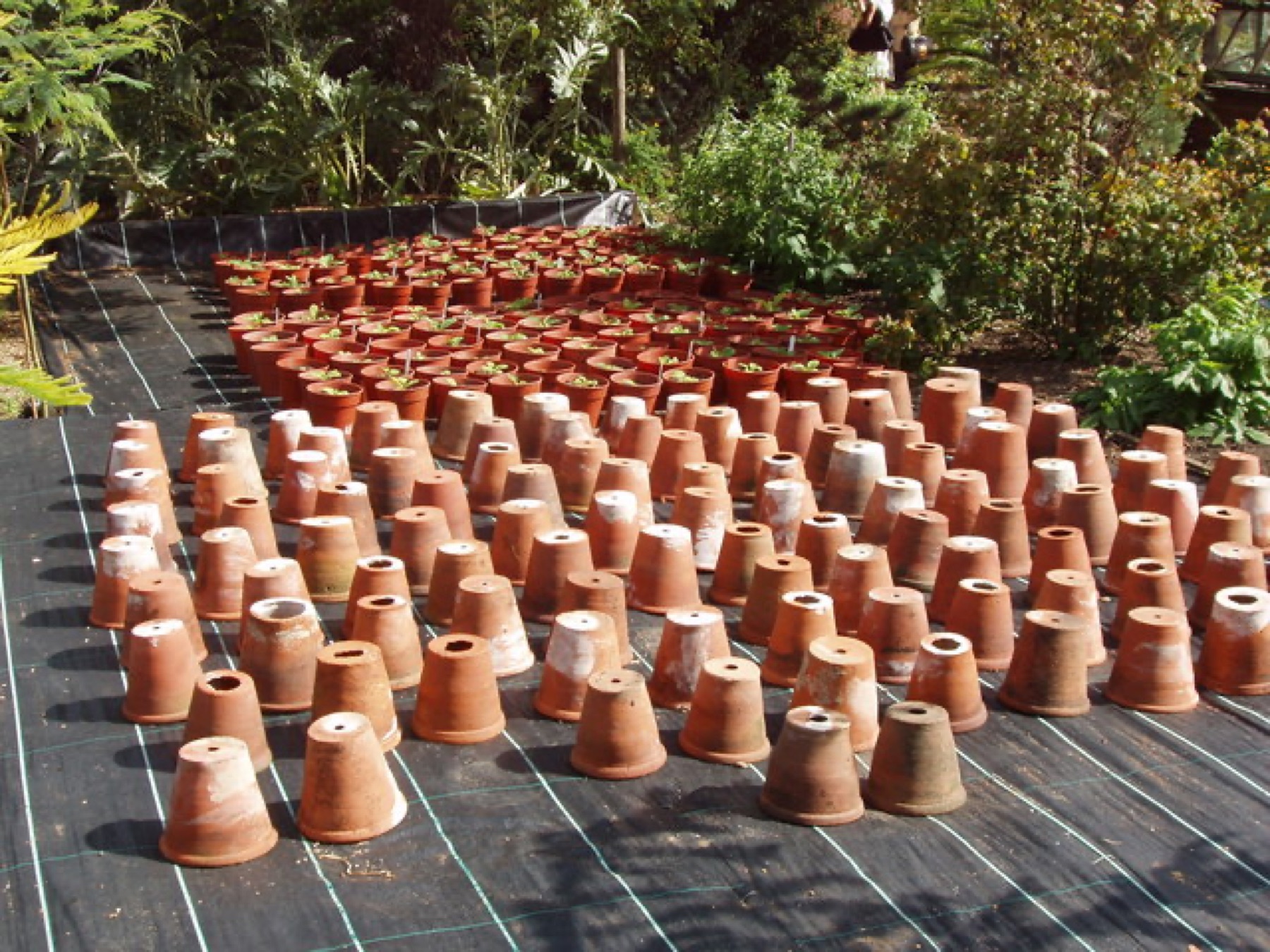
| Terracotta | Less common for jokes; rustic text | Porous, helps prevent overwatering | Breakable; dries soil quickly |
| Resin/Plastic | Human figures, split pots, novelty shapes | Lightweight; cheap for bulk buying | Can fade or warp over time |
| Metal | Minimalist text on buckets or tins | Very durable outdoors | Can overheat roots in sun |
| Wood | Engraved jokes, rustic boxes | Natural look, good for herbs | Needs care to avoid rotting |
Terracotta and ceramic often feature in general planter advice because they balance looks and plant health, but many of the most playful human-shape and split designs online are resin or plastic. That’s a good fit for desk gifts and online resale: the pot is lighter to ship, and if you’re ordering multiples, you’re less exposed when one arrives damaged.
2. Size and shape: match to the plant, not the pun
Guides focused on planter sizing stress that matching pot diameter and depth to the plant’s root ball matters more than decoration.
- For succulents and cacti, shallow 5-8 cm deep funny pots work if they have drainage, because these plants prefer to dry between waterings.
- For herbs or leafy houseplants, go a size up and avoid cramped novelty shapes; roots need room.
- For trailing plants, face or human pots with higher sides give stems room to spill over without tipping.
Check whether the joke compromises stability. A “lying down” resin figure looks cute, but if the cavity for soil is tiny, it may suit only micro-succulents, not a larger plant you want to thrive.
3. Drainage and watering habits
Specialist funny-pot guides consistently stress drainage holes as non-negotiable: without them, water collects at the bottom, and roots can rot. Some decorative pots skip holes entirely to protect furniture.
That can still work if:
- You treat the funny pot as a cachepot and keep the plant in a plain nursery pot inside.
- You choose dry-tolerant plants and water very sparingly.
If you or your gift recipient tend to overwater, pick materials and designs that forgive mistakes—porous terracotta, or clearly drilled drainage in resin planters—rather than solid ceramic cups.
4. Tone of the humor and where it will live
Funny text pots range from gentle puns to outright rude language. Before you buy:
- Home gifts can handle edgier jokes if you know the person well.
- Office or lobby decor usually calls for PG-rated humor; something someone’s manager or client won’t mind.
- Resale inventory needs clear product photos showing both the text and the pot’s interior, so buyers know exactly what they’re getting.
Human-figure pots also carry an implied tone. A “peeing” planter or split crotch design might be hilarious among close friends but a poor fit for a shared workplace.
5. Durability and resale practicality
For personal gifts, one sturdy pot is enough. For small ecommerce, durability affects returns and reviews:
- Resin and plastic novelty pots from channels like business.walmart.com tend to be lighter and less fragile in transit.
- Ceramic text pots sourced from craft-heavy marketplaces may need more protective packaging but photograph better and feel more premium.
If you’re testing a new funny-pot SKU, start with a small batch and favor designs with clear drainage and simple shapes—less to break and easier to explain in listings.
Where Funny Plant Pots Are Sold Online and How DHgate Compares
Funny plant pots are easy to spot once you know the common designs.
- Etsy – strong for handmade and print-on-demand text pots, niche humor, and customized names or phrases.
- Walmart.ca and Walmart Business – carry mass-produced funny planters, especially resin “lazy guy” figures, human-shape pots, and multi-pack succulent pots, useful for Canadian buyers who want straightforward ordering.
- Fruugo and TikTok Shop – often list the same novelty shapes (lying figures, goofy faces) from international sellers, with an emphasis on trend-driven designs.
- Alibaba’s Plantin guides highlight many of these categories and reinforce the usual advice: balance humor with functionality, and look for drainage and adequate size for the plant.
DHgate appears in a slightly different role. Editorial content from the marketplace notes that it hosts planters and pots among broader gardening products, alongside tools and seeds. That makes it one option if you’re already browsing cross-border listings or building a larger gardening order, and you want to add some decorative pots into the mix.
However, DHgate is not a dedicated funny-pot destination. If you need a specific meme phrase, a particular rude joke, or branded customization, you’re more likely to find that quickly on Etsy or a print-on-demand platform. DHgate is better treated as a general marketplace where you might discover inexpensive decorative planters—and occasionally humorous ones—by reading seller descriptions and reviews carefully rather than expecting a polished, curated funny-pot catalog.
For buyers considering DHgate as part of a wider sourcing plan, it can help to understand the marketplace first via What DHgate is and how the marketplace works and then, if you do find a promising planter listing, to apply checks from Find trusted sellers on DHgate and the DHgate order-readiness checklist before checkout.
In short: use funny plant pots where they won’t sabotage plant health, match the joke to the person and place, and treat DHgate as one of several broad marketplaces in your search—not the only answer, and not always the fastest path to the exact gag you have in mind.