
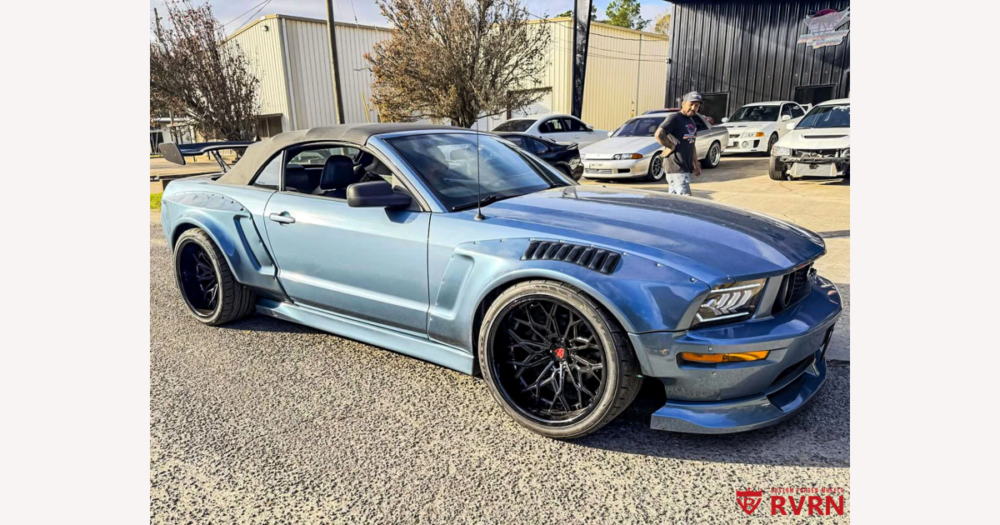
If you’re shopping DHgate for forged or concave rims for your Mustang, your safest choice is the set that matches your car’s exact fitment numbers, uses a construction type that suits how hard you drive, and comes from a listing and seller you can verify. Once you’ve confirmed the bolt pattern, diameter, width, offset, center bore, and brake clearance for your Mustang, you can decide whether forged, flow-formed, or cast rims make sense for your budget and use, then filter DHgate listings to those that document the details clearly instead of leaving you to guess from photos.
Anchor your decision: fitment, construction, and seller clarity
On DHgate, choosing forged or concave rims for your Mustang is a three-part decision: fitment, construction, and seller clarity. The rims must first match your specific Mustang’s fitment numbers—bolt pattern, diameter, width, offset, center bore, and brake clearance—because even a small mismatch can cause rubbing, vibration, or unsafe handling. Only after those basics line up should you decide which construction tier fits how you drive and what you want to spend: forged at the top for strength and potential weight savings, flow-formed as a strong middle ground, and cast as the usual budget option. I care more about getting those fitment and construction fundamentals right than chasing the most extreme concave look or the flashiest forged design, and on DHgate that means insisting on precise, verifiable specs and material descriptions from the listing and the seller. If a rim listing doesn’t clearly document the fitment for your exact Mustang year and brake package, or won’t answer detailed questions, the safer move is to walk away—unless it’s a well-documented brand where independent fitment data for your model is already proven and easy to confirm.
Mustang wheel fitment basics you cannot get wrong
For any Mustang, the bolt pattern is the first non‑negotiable fitment spec. It describes how many lug studs the wheel uses and the circle their holes sit on (for example, many late‑model Mustangs use a 5×114.3 pattern), but you must confirm the exact pattern for your model year and trim using a fitment chart or your manual before trusting a DHgate listing. Wheel diameter and width come next: Mustangs ship with conservative OEM sizes, and owners often move to slightly larger diameters and wider wheels for stance or grip, but the safe ranges depend on generation and brake package, so treat any “fits Mustang” claim as a starting point, not proof.
Offset determines how far the wheel sits inboard or outboard relative to the hub, suspension, and fender. Lower or more aggressive offsets push the wheel outward and often increase visible concavity, while higher offsets pull it in. The same width with a different offset can be the difference between a clean fit and rubbing on fenders or inner suspension arms, so your Mustang’s proven offset range is critical and any new wheel’s offset should be cross‑checked against that range. The center bore is the hole in the middle of the wheel that fits over the hub; for a truly hub‑centric fit the bore must match the Mustang’s hub size. If a wheel’s bore is slightly larger, quality hub‑centric rings can take up the slack, but a bore that’s too small simply won’t mount, and a loose fit can cause vibration.
Brake and caliper clearance is a hard safety limit. The wheel barrel and spokes must physically clear the calipers and any performance brake package your Mustang uses, and spoke shape plus concavity can change how much room you have. Listings that show side views, inner barrel photos, or drawings help, but they still need to be backed by measurements or documented fitment for your exact brake setup. Because all of these specs—bolt pattern, size, offset, center bore, and brake clearance—vary across Mustang generations and trims, any DHgate wheel listing should be cross‑checked against independent fitment guides, community resources, or your vehicle manual before you consider buying. If fitment information is missing, vaguely stated, or contradicts what trusted sources show for your Mustang, treat that as a real risk signal rather than something you can safely overlook.
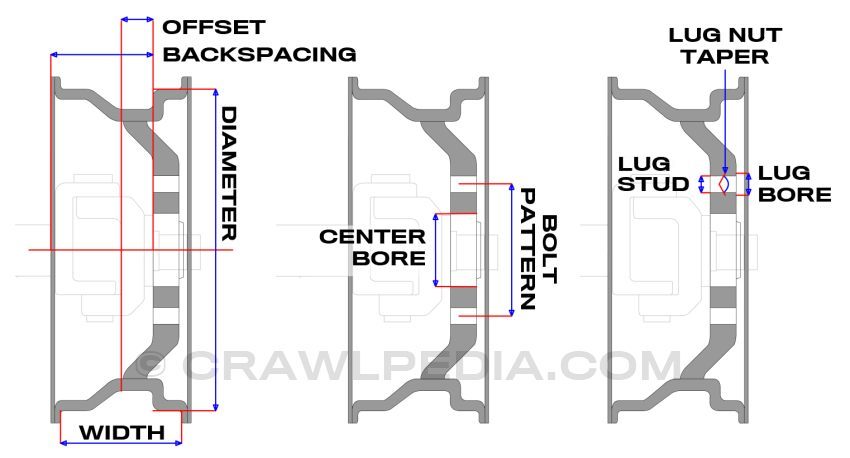
Use this labeled wheel diagram to connect terms like bolt pattern, diameter, width, offset, center bore, and brake clearance to the actual parts of the rim so you can read DHgate listing specs more confidently.
A short video explanation of wheel offset and backspacing helps you see how different offsets move the wheel in or out and why that matters for fender and brake clearance on a Mustang.
Forged, flow-formed, or cast: choosing a construction that fits your use
For Mustang rims, “forged,” “flow‑formed,” and “cast” describe how the wheel is made, not a magic performance switch. A forged wheel starts as a solid metal blank that’s compressed under very high pressure, then machined into shape. This process can produce a wheel that’s relatively light for its size and design and has good strength, but it usually comes with the highest price tag. Actual durability still depends on the specific design, quality control, and how hard the wheel is used.
Flow‑formed wheels sit in the middle. The center of the wheel is cast, but the barrel is spun and compressed while hot to stretch and densify the metal. In practice, that often makes a flow‑formed wheel lighter and stronger than a basic cast wheel of similar design, without reaching full forged pricing. For many street‑driven Mustangs, this “middle tier” construction is where you’ll find a sensible balance of cost, weight, and strength.
Conventional cast wheels are made by pouring molten metal into molds and letting it solidify. They’re typically the most budget‑friendly option, and they can be perfectly adequate when the design and manufacturing quality are good, even if they’re heavier than comparable forged or flow‑formed wheels. Strength and longevity vary a lot between brands and models, so an unbranded or poorly documented cast wheel deserves more scrutiny than a well‑known design with clear specifications and load ratings.
Across these three types, the general pattern is: forged at the top for potential strength and weight advantages at higher cost, flow‑formed as a strong and relatively light middle ground, and cast as the affordable, usually heavier option. Those are tendencies, not guarantees. A poorly engineered forged wheel can still be a bad choice, and a well‑made cast wheel can be entirely suitable for daily use if it meets your Mustang’s fitment and load requirements.
For a daily‑driven or mildly modified Mustang that mostly sees commuting and spirited street driving, I would focus on reputable flow‑formed or solid, well‑documented cast wheels that fit correctly and have clear specs, rather than stretching the budget just to have “forged” in the title. Occasional track days can still be handled by good flow‑formed or proven cast designs if you stay within sensible sizes and keep an eye on tire pressures and impacts. It’s when a Mustang is driven hard on track on a regular basis, with higher speeds and repeated load cycles, that paying extra for forged wheels from a brand with independent, track‑proven fitment and durability data makes more sense.
On DHgate, don’t assume that any rim labeled “forged,” “race,” or “track” is automatically superior. Treat construction type as one factor you decide in advance, alongside your fitment numbers and budget, and then look for listings where the manufacturing method, load ratings, and other specs are clearly described and can be cross‑checked. Choosing a target tier—cast, flow‑formed, or forged—before you browse helps you filter options and keeps you from being swayed by marketing language that isn’t backed by solid information.
Concave styling: balancing aggressive looks with safe fitment
Concave styling describes how far the spokes curve inward toward the hub, creating a “dished” look. That curve isn’t a separate performance feature; it’s mostly a result of the wheel’s width and offset and how the spokes are shaped to connect the hub to the rim. Wider wheels with offsets that pull the hub pad farther inboard can give designers more room to draw the spokes back, which is why deeper concave faces often show up on wide, aggressive‑fitment wheels.
The same width and diameter can sit very differently on your Mustang depending on offset. Lower, more aggressive offsets generally move the wheel outward, which may increase visible concavity but also pushes the tire closer to the fender lip and outer liners. Higher offsets pull the wheel inward, which can reduce concavity and bring the inner barrel closer to suspension arms. Deeper concave designs often rely on these more extreme positions, so they naturally reduce your margin for error on rubbing and clearance.
Brake packages matter as well. Mustangs with larger performance brakes or aftermarket big‑brake kits leave less room inside the wheel barrel. Spoke shape and concavity change how much space you have over the calipers: a very deep, sharply curved spoke can look great but may sweep in toward the hub in a way that clips the caliper if the design and offset weren’t engineered for your setup. Listings that advertise “super concave” or “deep concave” should always be read alongside detailed offset, width, and brake‑clearance information, especially if your car has upgraded brakes.
Because concavity is constrained by the same diameter, width, and offset limits that protect you from rubbing, an extremely aggressive concave look can easily cross into poke (the wheel and tire sticking past the fender) or contact with liners and suspension. I’d rather choose a moderate concave wheel that sits comfortably inside documented safe fitment ranges for my Mustang than chase the deepest possible face and end up with rubbing, stone chips on the bodywork, or questionable clearance over the brakes.
When you’re reading DHgate listings, treat concavity as a style layer that must pass the same fitment checks as any other wheel. Compare listing photos and diagrams with the actual numbers you’ve gathered for your Mustang—diameter, width, offset, and known safe ranges—and don’t assume that a wheel that looks perfect on another Mustang in a photo will fit your year, trim, and brake package. If the concave design only appears in glamorous angles without clear measurements or side profiles, or the numbers don’t line up with proven fitment data, it’s a signal to skip the listing rather than hope the look will work in reality.
Prepare your Mustang wheel plan before you open DHgate
- Write down your Mustang’s exact identity: model year, generation code (for example, S197 or S550), trim level, and whether it has the standard brakes or a performance/big‑brake package. This is what determines which fitment data applies to your car.
- Use independent fitment resources—Mustang wheel fitment charts, reputable community guides, and your owner’s manual—to record safe ranges for wheel diameter, width, and offset, along with the correct bolt pattern and center bore. Put these numbers in a simple note or spreadsheet so you can refer to them later.
- Decide which construction tier you’re targeting: forged at the high end, flow‑formed as a strong middle ground, or quality cast for tighter budgets. Base this choice on how aggressively you drive (daily street, spirited back‑road, frequent track days) and what you’re genuinely comfortable spending, rather than on marketing claims alone.
- Choose your desired concavity level in principle—mild, moderate, or aggressive—and commit to keeping that look within the safe diameter, width, and offset envelope you already noted. Treat deep concave styling as optional, not a reason to ignore proven fitment limits for your Mustang.
- Set a practical budget band that covers the wheels themselves plus shipping and likely extras such as hub‑centric rings, new lug hardware, or valve stems. Don’t chase precise totals; aim for a realistic range that keeps you from stretching beyond what you can afford once you see DHgate prices.
- Keep this written wheel plan close at hand. Having your specs, construction tier, concavity preference, and budget on paper makes it much easier to filter DHgate listings and walk away from flashy, under‑specified rims that don’t match your Mustang’s needs.
Apply a DHgate-specific checklist to each rim listing
- Start by checking the listing for hard specs: bolt pattern, diameter, width, offset, and center bore should all be clearly stated, and it’s ideal if the seller also mentions brake clearance or compatible brake packages. If any of these basics are missing, treat the listing with caution.
- Compare every spec in the listing with the values and safe ranges in your wheel plan and independent fitment charts. Ignore broad labels like “fits Mustang” unless they’re backed by specific model years, trims, and brake packages that match your car exactly.
- Study listing photos and any technical drawings to get a sense of concavity and potential brake clearance, using side profiles and close‑ups over glam angles. Use visuals to support what the measurements already tell you, not as a substitute for real fitment data.
- Review the seller’s ratings, transaction history, and buyer feedback. Prioritize comments that mention wheels specifically—accuracy of specs, whether the size and offset matched expectations, packaging quality, and any reports of shipping damage or defects.
- Check shipping costs, estimated delivery time, and any notes about how the wheels are packed. Read the seller’s stated policies on damage, mis‑description, and returns so you know what they say will happen if the rims arrive bent, incorrectly sized, or otherwise not as described.
- Take a moment to understand DHgate’s general buyer protections, dispute process, and refund mechanisms, so you know how to open a dispute and seek a remedy if the wheels don’t match the listing or arrive damaged.
- Run this checklist against every candidate rim listing instead of buying on appearance alone. The combination of your pre‑shopping plan and these DHgate‑specific checks keeps you focused on verified fitment and transparent sellers, which is far safer than trusting vague claims or glossy photos.
Red flags: when to walk away from a rim listing
FAQ: common Mustang wheel and DHgate issues
Can I run a staggered concave wheel setup on my Mustang?
Yes, many Mustang owners run staggered setups with wider rear wheels and more concavity, but it has to stay within proven safe ranges for width, offset, and tire size for your exact generation and brake package. Use independent fitment charts and community examples for your model to confirm front and rear sizes and offsets, and remember that staggered setups usually reduce or eliminate front‑to‑rear tire rotation options and can change the car’s handling balance. If you can’t verify that a DHgate listing’s staggered sizes match documented fitment for your Mustang, treat it as too risky to buy.
How far can I deviate from OEM wheel diameter and width on a Mustang?
Moderate, well‑documented changes are usually safer than extreme upsizing. Many Mustangs can run slightly larger diameters and wider wheels than stock, but the acceptable ranges depend on generation, suspension, and brake package. Use independent fitment guides and community experience for your specific Mustang to find size and width ranges that are known to work, and keep DHgate choices inside those limits. Large jumps in diameter or width make rubbing, poor ride quality, and handling changes more likely, so if a proposed size is not clearly supported by trusted references for your model, don’t rely on the listing’s “fits Mustang” claim alone.
What should I do if the rims from DHgate arrive damaged or don’t match the listed specs?
Inspect and document everything immediately. Photograph the outer packaging, inner protection, and each rim from multiple angles, including any visible damage. Measure key specs such as diameter, width, bolt pattern, and offset markings and compare them with the listing information you saved. Contact the seller promptly with a clear summary, photos, and your measurements, and ask for a resolution—replacement, refund, or another remedy—within a reasonable timeframe. If the seller is unresponsive or unwilling to fix a clear problem, escalate through DHgate’s dispute and refund processes rather than accepting wheels that are damaged or out of spec.
Should I accept rims that are slightly different from the advertised fitment if the seller offers a discount?
No. A discount doesn’t make incorrect fitment or unclear construction safe. If the actual bolt pattern, offset, width, or other critical specs don’t match what your Mustang’s fitment references call for—and what the listing claimed—you should treat that as a failed order and seek a remedy through the seller and DHgate. Using mismatched wheels can cause rubbing, vibration, or safety issues, and it’s better to insist on either correct replacements or a refund than to compromise on fitment for a lower price.
Do I still need professional installation and balancing if I’ve verified the wheels myself?
Professional mounting and balancing are strongly recommended even when you’ve already checked fitment and specs. A good shop can mount tires correctly, balance each wheel‑and‑tire assembly, and torque the lug nuts to appropriate values, and they may notice obvious clearance issues during a test fit. Their work complements your own spec verification but does not replace it: you’re still responsible for ensuring that bolt pattern, diameter, width, offset, center bore, and brake clearance match the fitment data for your Mustang before you drive on the wheels.