
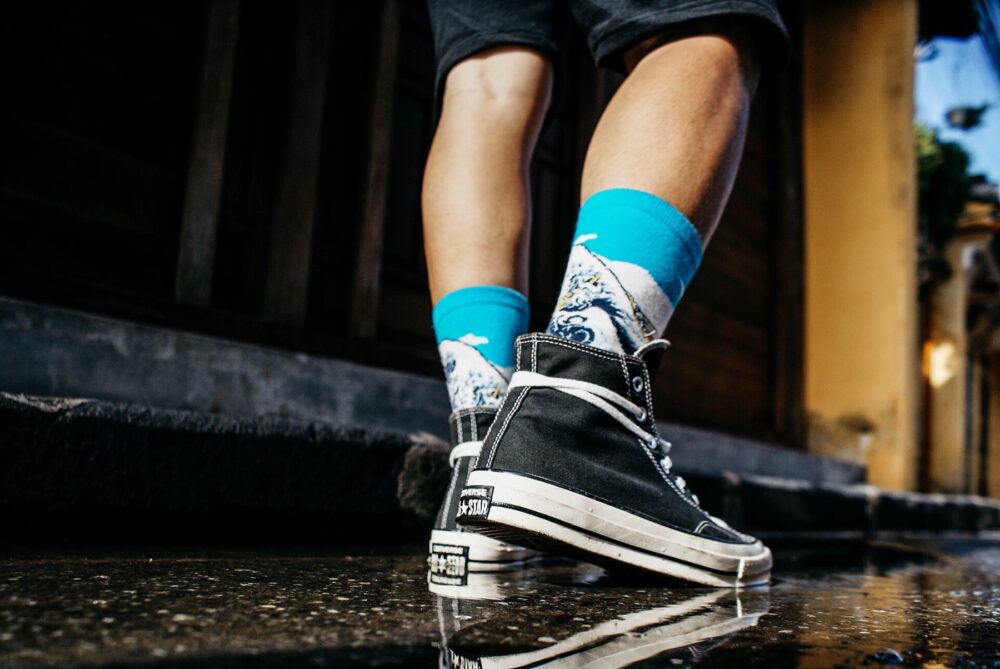
If you want stylish legs-and-feet outfits with dresses or skirts, start by deciding the occasion, then choose shoe style and hosiery specs together. For everyday US workwear, that might mean 40-60 denier matte tights with reinforced toes and closed-toe pumps; for a night out, sheer 10-20 denier nylons and strappy heels. Once you know the exact type, material, and look you’re after, you can compare platforms: DHgate is useful for its huge range of fashion shoes at often lower-than-retail prices, while many US-focused retailers are stronger on specialty and plus-size hosiery.
What Counts as Footwear and Hosiery Fashion for Dress‑Focused Outfits?
For dress and skirt outfits, “footwear and hosiery fashion” usually means a mix of:
- Shoes: pumps, heeled sandals, ankle boots, knee‑high boots, ballet flats, loafers, and dress‑friendly sneakers.
- Hosiery: tights, pantyhose/nylons, thigh‑highs, knee‑highs, and fashion socks.
Work outfits often lean on classic pumps or ankle boots plus tights or sheer hose. Casual looks can pair sweater dresses with opaque tights and combat boots or sneakers. Evening outfits might use sheer black hose and stilettos, or bare legs with statement heels.
Specialty US retailers like Torrid’s hosiery and socks section show how targeted these products can be: fashion‑forward designs, extra stretch, and lengths tuned for plus‑size bodies. That’s a good reminder to think about body type and comfort as much as the trend.

Comparing Shoe and Hosiery Types, Materials, and Specs
You’ll get better results if you compare shoe and hosiery options as a set instead of buying each in isolation.
Key hosiery specs in plain English
Denier is the main technical term that actually matters. Lower denier means sheerer and more delicate; higher denier is more opaque and tends to feel sturdier.
A quick rule‑of‑thumb range, based on guides like Translife’s denier explainer:
| Denier range | Look on the leg | Typical use case |
|---|---|---|
| 8-20 | Very sheer, skin shows | Evening wear, dressy events |
| 20-40 | Semi‑sheer | Office wear where some polish is expected |
| 40-60 | Opaque but not heavy | Daytime workwear, cooler weather |
| 60+ | Fully opaque, thick feel | Winter outfits, fashion tights, casual looks |
Reinforced toe styles add extra yarn or knitting density at the toes. Brands such as Berkshire market reinforced toe hosiery for everyday workwear, which is useful if you’re on your feet all day or switching shoes often.
Color and finish matter too:
- Nude/skin‑tone: Easiest to blend with office dress codes, especially in conservative environments.
- Black/charcoal: Slimming and dressy; pairs well with darker shoes and fall/winter fabrics.
- Patterned/cable or ribbed: More casual or fashion‑forward; great with sweater dresses and boots.
External guides on hosiery color choice, such as Translife’s color and style overview, highlight that you should match depth of color to the formality of the outfit. Deep black lace tights with a corporate pencil skirt will read very differently than matte 30‑denier nude hose.
Pairing tights and shoes for real outfit scenarios
Here are some concrete scenarios to use as a shortcut:
- Short dress + tights for the office: Look for 40-60 denier matte tights in black or a subtle color, reinforced toe, and closed‑toe pumps or loafers. This keeps legs polished but covered.
- Short sweater dress + boots (casual): 60+ denier opaque tights or ribbed/cable hosiery, ankle or knee‑high boots. That’s the look you often see in cable‑knit hosiery outfit ideas such as Berkshire’s city cable styling page.
- Cocktail dress + sheer hose: 8-20 denier nude or black pantyhose, classic pumps or strappy heels. Avoid heavy ribbed tights here—they fight the dress.
Nylons with open‑toe or strappy shoes
US dress codes are less rigid than they used to be, but there are still some unwritten rules around pantyhose and open‑toe shoes.
A style guide like PlasticRanger’s discussion of nylons with open‑toed shoes boils down to a few practical guidelines:
- Sheer, sandal‑toe hosiery works better than reinforced‑toe when toes are visible.
- For formal events, bare toes or perfectly matched sheer nude hose look more polished than obvious reinforced toes peeking out.
- In more casual settings, patterned tights with peep‑toe booties can be a deliberate, edgy fashion choice.
Think about the dress code first: a conservative office or wedding ceremony is usually safer with closed‑toe shoes if you’re wearing visible hose.
Buying Online: Quality Signals, Fit Checks, and Where DHgate Fits
Buying footwear and hosiery online means you’re relying on product specs and photos. To make that work in your favor, focus on details that genuinely affect comfort and durability.
For hosiery, look for:
- Denier listed in the description so you know how sheer/opaque it will be.
- Toe construction (reinforced, sandal‑toe) and whether it matches your shoe plans.
- Fiber content (nylon, spandex/elasthane) and any notes about stretch or plus‑size grading.
For shoes, pay attention to:
- Upper material (real leather, faux leather, textile) and lining.
- Heel height measured in inches, plus platform height if relevant.
- Foot shape notes—some brands and styles run narrow or wide even at the same size.
Where DHgate fits vs. US‑focused sites
DHgate is a large global marketplace that connects buyers with many different sellers and carries millions of fashion items, including shoes. Editorial pieces on its own blog describe DHgate’s shoe category as one of its busiest, with a wide variety of styles and prices that are often lower than typical US retail stores, plus niche designs like wedding or martial‑arts shoes that may be hard to find locally (DHgate fashion overview, shoe trend article). That can make it attractive if you:
- Want to test multiple shoe styles for your own wardrobe without paying full US retail.
- Run a small ecommerce shop and need bulk‑friendly pricing on fashion shoes.
By contrast, most US‑focused hosiery sites are stronger in:
- Size‑inclusive and specialty fits (e.g., plus‑size or tall tights as seen on Torrid’s hosiery pages).
- Detailed photos of denier, patterns, and toe construction; sometimes outfit ideas showing how to style each pair.
For a single outfit, a practical split strategy is:
- Use DHgate or similar marketplaces mainly to experiment with shoe silhouettes and colors.
- Use US specialty hosiery retailers when you need a precise denier, reinforced toe for work, or a specific plus‑size fit.
For additional DHgate platform context, use Review the DHgate order-readiness checklist.
If you do decide to explore DHgate for shoes, read up first on how the marketplace works and how to check seller reliability at the listing level. A good starting point is this DHgate overview and a more detailed guide on finding trusted sellers. Once you’re confident in the seller side, your footwear and hosiery choices will come down to the same specs: shoe type, heel height, materials, and tights or nylons that actually match your outfit and dress code.