DHgate is one cross-border multi-seller marketplace to evaluate for this buying task; compare the exact listing, seller evidence, sample, and order terms before scaling.
Custom cycling jerseys should be chosen around how and where you ride: decide on fit and fabric first, then lock in pockets, zips, and design details, and finally pick a seller that can deliver consistent quality and sizing for you or your whole team.
If you’re organizing kit for a club or just want a jersey with your own design, most of the decisions are the same as for standard jerseys: snug fit, technical fabric, and useful pockets. The custom twist is making sure the artwork prints cleanly, sizes are reliable across many bodies, and you can reorder later without surprises.
Start With Your Riding and Jersey Role
Before you look at design templates or sellers, decide what role this jersey will play.
Ask yourself:
- How do you ride? A race-focused rider who spends long hours in an aggressive position will usually want a tighter, “race” or “pro” fit. A social rider or commuter may prefer a slightly more relaxed cut.
- What conditions do you ride in? Hot, humid summers vs cooler shoulder seasons will drive your choice of fabric weight, sleeve length, and whether you care about sun ratings.
- Team or solo? A one-off jersey for yourself can be dialed to your personal fit and taste. For a club, you need a design and sizing plan that works on different body shapes, plus a vendor who can reproduce it reliably in future runs.
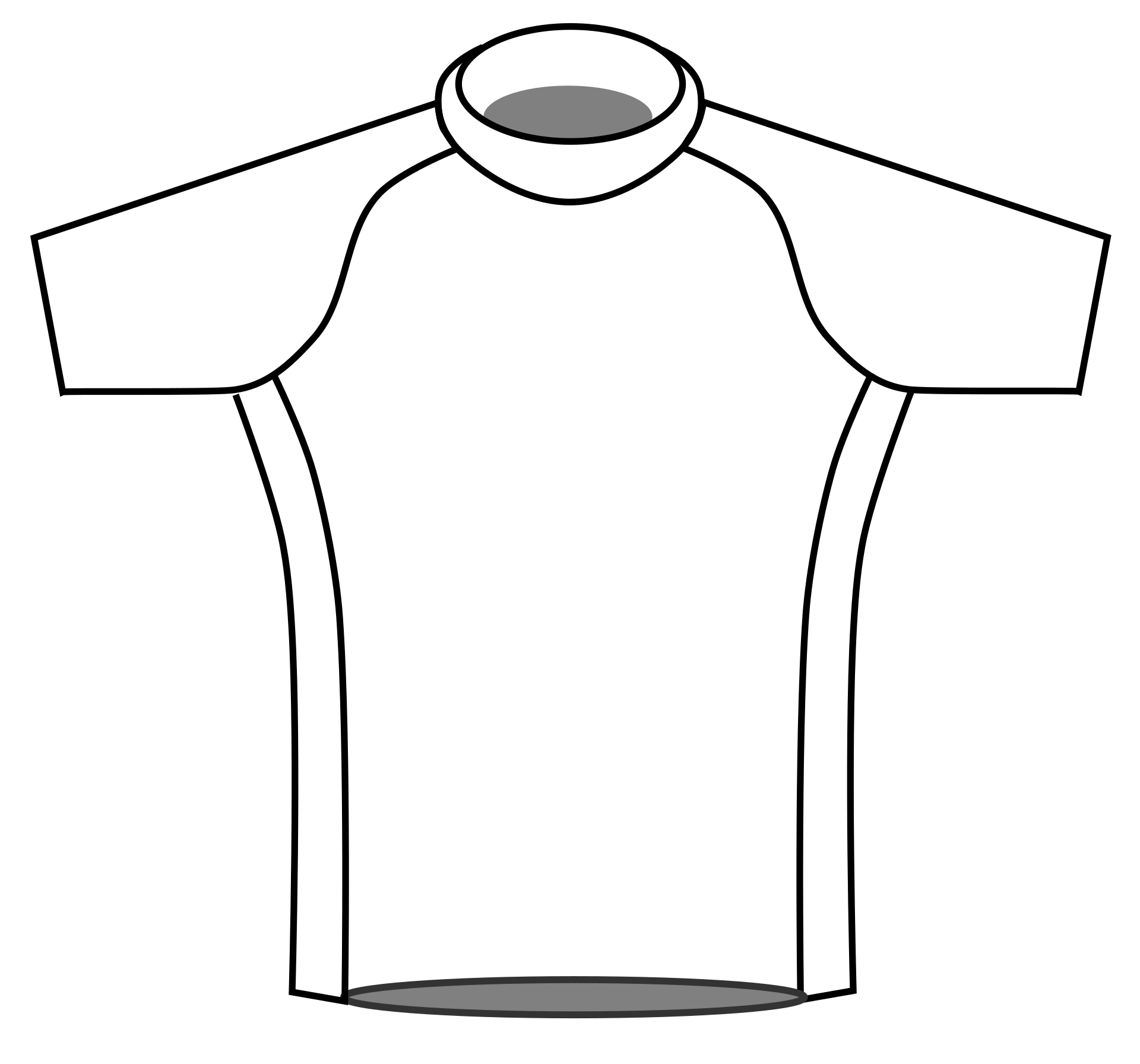
Cycling jerseys are typically cut to fit snugly, with a longer back and shorter front so the fabric doesn’t bunch up when you’re bent over the bars and doesn’t balloon like a T‑shirt in the wind. That basic shape is even more important in custom orders; if your vendor’s “club fit” is very loose, a small rider may feel like they’re wearing a flapping flag with your logo on it.
A practical way to narrow choices:
- If this jersey is mainly for fast group rides, races, or training, prioritize snug fit and lighter, high-wicking fabric.
- If it’s a commemorative event jersey or something your whole family will wear, prioritize easier sizing (more forgiving cut) and durable prints over pure aero performance.
Sleeve length should also match the weather you actually ride in:
- Short sleeves for hot, humid conditions and better ventilation.
- Long sleeves for cooler mornings or riders who prefer more coverage.
Key Fit, Fabric, and Feature Choices for Custom Jerseys
Once you’ve defined the jersey’s role, you can make deliberate choices about the build.
Fit and sizing strategy
For custom jerseys, fit isn’t just about your size; it’s about how a whole group will feel in the same pattern.
Typical options you’ll see:
- Race/pro fit: Very close to the body, shorter in front, quite long in back. Best for riders comfortable in a tight jersey.
- Club/relaxed fit: Still cycling‑specific (no parachute effect) but with more room through the torso.
For a team order, require from the seller:
- A clear size chart with body measurements.
- Notes on whether the cut is race or relaxed.
- If possible, sample jerseys or at least feedback from past buyers about whether sizing runs small or large.
A simple way to manage team sizing is to collect each rider’s chest, waist, and hip measurements and map them to the vendor’s chart instead of guessing based on T‑shirt sizes.
Fabric: why polyester and technical blends dominate
Most reputable guides and brands point to polyester or similar technical fabrics as the default for cycling jerseys, because they’re lightweight, breathable, and designed to pull moisture off your skin instead of holding it like cotton does. External guides such as Tarstone’s cycling jersey fabric overview echo this preference.
Key fabric decisions:
- Avoid pure cotton for riding jerseys. Cotton tends to soak up sweat and odor, which can leave you feeling sticky and heavy on longer rides.
- Look for moisture-wicking polyester or blends described as “breathable” or “quick-dry.” Many custom vendors use names like “micro mesh,” “dry-fit,” or similar.
- Match fabric weight to climate: lighter meshes for hot US states, slightly heavier or brushed fabrics for cooler mornings.
Sun protection and UPF language
Some cycling jerseys are labeled with UPF (Ultraviolet Protection Factor) ratings. Industry materials often mention UPF 30-50 as a typical range when manufacturers add sun-protective treatments or denser weaves. Historical jersey guidance and various brand buying guides note this range as a common reference.
Treat UPF as a feature description, not a medical guarantee:
- If you ride in strong sun and prefer short sleeves, choosing a jersey with an advertised UPF rating may be helpful.
- Lighter, very open-knit fabrics may offer less inherent sun blocking, even if they feel cooler.
- Custom artwork doesn’t change UPF much, but darker, denser prints can feel warmer.
Pockets, zippers, and everyday usability
For custom jerseys, you’re designing a garment you’ll live with, not just photograph.
Typical pocket layout:
- Three rear pockets are common, sometimes four. Historical editorial guidance suggested four for even weight distribution and specific uses:
- Middle pocket: heavier items (mini pump, multi-tool).
- One side pocket: phone, ID, card in a small wallet.
- Another side pocket: gels or snack.
If your group carries a lot of gear on long rides, confirming pocket depth and elasticity in product photos or samples matters as much as the logo placement.
Zippers:
- Full-zip jerseys allow better ventilation and are easier to take on/off without stretching the fabric.
- Partial-zip designs can feel a bit cleaner at the front but limit how much you can open on hot climbs.
For most US riders ordering custom jerseys, a full-length zipper is the safer choice; it works across more temperatures and rider preferences.
Design options specific to custom jerseys
Beyond the technical build, custom jerseys give you control over:
- Colors and logo placement. High-contrast colors help your team stand out and make logos readable at a distance. Design notes from custom-kit blogs, such as Montella’s guidance on name and number readability, emphasize font clarity and logo spacing.
- Name and number personalization. Many vendors can add individual names or numbers, but each customization can affect price and lead time.
- Sponsor visibility. If you’re placing sponsor logos, think about balance: shoulder, chest, and lower back are typical spots that remain visible in photos.
For a cleaner process, prepare your artwork as vector files (e.g., .ai, .eps, .svg) when the vendor requests it. That reduces the risk of blurry logos on the final jersey.
Here’s a compact comparison of common build choices:
| Jersey aspect | Better for performance rides | Better for casual / event use |
|---|---|---|
| Fit | Race / pro, very snug | Club / relaxed, more forgiving |
| Fabric weight | Lightweight, high-wicking polyester | Medium weight, durable feel |
| Sleeves | Short with UPF, or aero long sleeves | Standard short sleeves or simple long |
| Zipper | Full-length for max venting | Full or partial, based on aesthetics |
| Pockets | 3-4 rear, secure elastic openings | 3 rear pockets, easier reach |
| Team sizing | Precise measurements per rider | More forgiving cuts and fewer sizes |
Choosing and Evaluating Custom Jersey Sellers and Marketplaces
Once you know what you want the jersey to be, you need a seller who can reliably produce it.
How custom jersey vendors typically work
Most dedicated custom jersey brands and shops follow a similar flow, described in guides from vendors like Canari’s custom cycling apparel page and several club-focused blogs:
- Initial inquiry: You choose a base jersey style (race vs club fit, sleeve length, fabric type).
- Design phase: You send logos/artwork or use their templates; they build a digital layout.
- Proof approval: The vendor sends a design proof for sign-off before production. This is your moment to catch logo placement, color mismatches, and spelling.
- Production: They batch your order; this can take some time, depending on the shop and season.
- Delivery: Jerseys arrive; you check sizing consistency and print quality.
These vendors often have minimum order quantities (MOQs), especially for fully custom designs. The exact numbers vary, but the concept is consistent: the smaller your run, the harder it is to spread setup costs.
For a club or event, ask vendors:
- What is the minimum order for your chosen jersey style?
- How long do they keep your design on file for reorders?
- Whether they can mix men’s, women’s, and youth cuts in a single order.
Where online marketplaces fit in
Online marketplaces list cycling jerseys from many independent sellers. That can include stock designs, semi-custom options, or fully custom runs, depending on the seller.
A marketplace can be useful if:
- You want budget-conscious jerseys or small runs and are flexible on exact fabric and fit.
- You’re comfortable doing extra homework: checking seller ratings, buyer photos, and detailed descriptions.
But for a large club order with sponsors and a long-term identity, a specialist custom brand or a local shop may be better because:
- They’re more likely to offer hands-on sizing support and physical samples.
- Communication about reorders, cut changes, or fabric updates is often more structured.
If you do explore marketplace listings for custom jerseys:
- Compare at least two or three sellers’ listings for similar jerseys.
- Look closely at fit descriptions (race vs relaxed), fabric weight, and pocket layout.
- Read reviews that mention printing quality and sizing consistency across multiple jerseys, not just one.
Quick buying checklist for a team order
For US club organizers, this is the minimum due diligence that keeps custom jersey projects from going sideways:
- Lock your jersey role first: race kit vs social/event.
- Choose fit and fabric matched to your climate.
- Get a size chart and, if possible, a sample jersey for at least one rider in each size range.
- Prepare clean artwork files and check a design proof carefully.
- Confirm MOQs and reorder terms before you commit.
- Pick a seller whose communication you trust, whether that’s a specialist brand, a local shop, or a vetted marketplace listing.
If you follow this sequence, you’ll end up with a custom cycling jersey that feels good at mile 60, not just in the team photo—regardless of whether you source it from a big-name custom brand, a neighborhood print shop, or a carefully chosen marketplace seller.