
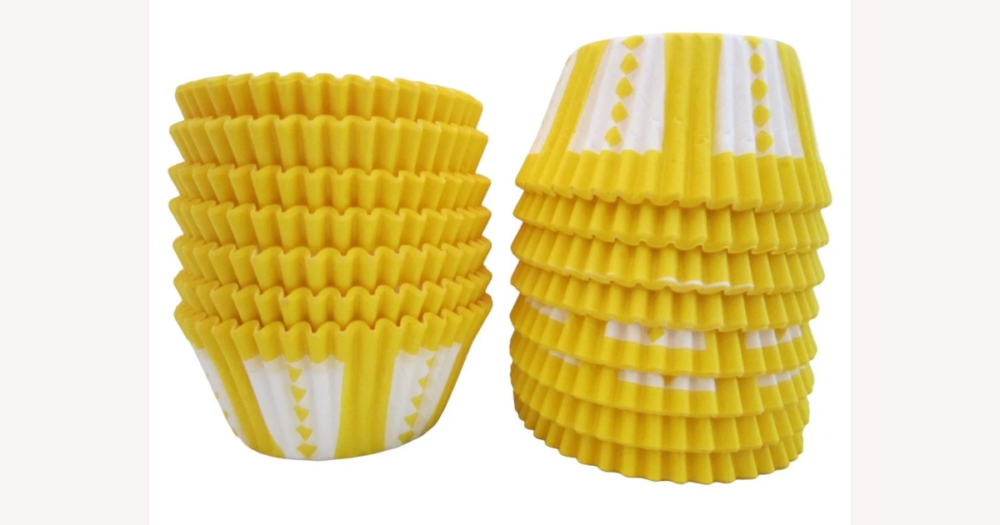
On DHgate, you can find plenty of yellow and colorful cupcake liners and baking supplies, but the safest choices come from how you read each listing, not from the photos alone. By combining targeted search terms with careful checks of size, material, pack count, and seller ratings, you can treat DHgate as a useful marketplace for liners and toppers while still protecting yourself against flimsy cups or unreliable sellers.
Turn your “where to buy” question into a DHgate search-and-check task
On DHgate, cupcake liners and baking supplies aren’t sold by a single store; they’re offered by many independent sellers, so each listing has to earn your trust on its own. Instead of asking just “where can I buy cupcake liners?”, treat DHgate as a marketplace where you search broadly, then narrow down by reading the details on individual product pages.
Start with practical search terms that match what you need, such as “yellow cupcake liners,” “colorful cupcake liners,” “standard cupcake liners,” “mini baking cups,” “silicone cupcake molds,” or “cupcake toppers.” Where DHgate provides filters, you can refine by price range or quantity so you’re not wading through packs that are far too small or far too large for your plans.
The real decision happens on the listing page, not in the search results thumbnails. For each option you’re considering, read the specification area carefully: look for liner size or diameter (top and bottom), height, material type, pack count, and any notes about heat resistance or oven-safe temperature ranges. Then check the seller information—overall rating, number of transactions, and buyer reviews—to see whether past customers were satisfied with what they received.
Personally, when I shop for cupcake liners on DHgate I care more about clear measurements and honest material descriptions than the flashiest product photos. A bright picture can hide flimsy paper or cups that don’t quite match US-standard pans. Even if I were buying for a one-off themed party and was willing to compromise a bit on premium materials, I still wouldn’t skip reading the specs and seller history before I trusted a listing.
In a DHgate-style results page, look beyond the product pictures to the title text, price, quantity information, and seller rating badges. When you click through to a listing, use the specification section for size, material, and pack count, and the seller information area for ratings and reviews; these are the parts of the page that really tell you whether those cupcake liners are a good fit for your pans and event.
Know your liner size, material, and pack specs before you buy
Cupcake-liner specs on DHgate matter because they determine whether the cups fit your pans, hold their shape, and look the way you expect after baking. Listings often use size language like “standard” or “mini,” but those words can vary by seller, especially for US buyers, so it’s safer to compare the measurements directly. A typical standard baking cup is around 2 inches across the top with a height of about 1¼ inches, while mini cups are noticeably smaller. Check top diameter, bottom diameter, and height against your existing muffin pan so the liners neither drown in the wells nor sit awkwardly on top.
Material descriptions are just as important. Regular paper liners are fine for everyday baking but can show grease spots and softer colors. Greaseproof or bakery-quality paper is designed to hold shape better and keep colors brighter after baking, which matters if you want bold yellow or multicolor designs to stand out. Foil liners usually feel sturdier, reflect heat differently, and often hold their form even without a muffin pan underneath, though they can be firmer to peel away. Silicone molds are reusable, typically stand alone on a baking tray, and release cupcakes more easily, but they change the look and feel compared with traditional paper cups.
For any of these materials, look for explicit oven-safe or temperature-range notes when a DHgate seller provides them, rather than assuming every liner can handle the same heat. If a listing mentions a maximum baking temperature, make sure it aligns with the recipes you use most often. Pack count is the final spec that shapes value: some DHgate listings offer bulk packs containing hundreds of liners, while others sell smaller sets. A home baker testing new designs might prefer a modest quantity first, whereas someone planning regular events or running a small bakery could sensibly choose larger packs once they know the size and material work well.
Because size labels and marketing language can differ between sellers, US buyers should never rely on the word “standard” alone. Comparing the listed measurements with your own pans before you order is the simplest way to avoid liners that look great online but end up the wrong fit in your kitchen.
Judge color, print, and finish without over-trusting the pictures
On DHgate, the design of cupcake liners is usually presented through a mix of gallery images and short text descriptions. You’ll often see photos of stacks of liners, close‑ups of the print, and sometimes shots of the cups in a muffin pan or with baked cupcakes. The text may spell out details like “solid yellow,” “rainbow,” “polka dot,” or “metallic gold,” and mention whether the finish is matte paper or shiny foil. Treat those photos and words as the main clues to how the liners will look, rather than relying on a single stylized image.
I pay more attention to listings that show multiple angles and at least one practical photo—liners in a pan, or cupcakes actually baked in them—because that makes it easier to judge how colors and prints read in real use. A listing that only offers heavily edited product shots with no plain, well‑lit images or real‑world context asks you to make more assumptions, which isn’t ideal when you care about how a particular shade of yellow or a themed pattern will appear at your event.
Color is never perfectly guaranteed online. Lighting in the seller’s photos, your screen settings, and variations in printing or dye can all shift how yellow or multicolor liners look in person. On DHgate, it’s safer to treat the images as guidance for the general tone and style—bright vs pastel, simple dots vs busy prints—rather than a promise of an exact Pantone match. If you need a very specific shade, keep expectations flexible or plan a small test order first.
To avoid surprises, read the description carefully for phrases like “single color,” “mixed colors,” “assorted patterns,” or “random designs.” A clear listing should tell you whether every liner in the pack shares one design or whether you’ll receive a mix, and ideally list or show each included style. When review photos are available, compare them with the seller’s images; if most buyer pictures broadly match the colors and prints shown, that’s a good sign. If several buyers mention faded colors or designs that don’t match the gallery, take that seriously.
Personally, I’d rather choose a listing with straightforward, accurate‑looking photos and plain color descriptions than the flashiest mockups with vague wording. For a themed party, I’d be especially cautious with designs that appear to reference well‑known brands or characters: I’d look for any licensing language only if the seller mentions it and otherwise focus on whether the actual colors and patterns shown seem consistent across photos and reviews. Clear visual information and honest expectations about shade variation matter more than the most dramatic product shot.
Use a quick checklist to vet each DHgate cupcake-liner listing
- Confirm size and type. Check whether the listing clearly says standard, mini, or another size, then compare the stated top diameter, bottom diameter, and height with your muffin pans so the liners will sit properly in the wells.
- Verify material and heat use. Look for whether the liners are regular paper, greaseproof or bakery‑quality paper, foil, or silicone, and see if the description mentions oven‑safe use or typical baking temperature ranges that fit your usual recipes.
- Check quantity and rough value. Note how many liners come in a pack and quickly estimate the price per liner or per set so you can compare value across DHgate listings, especially when deciding between bulk packs and smaller test orders.
- Review color, pattern, and finish details. Scan both photos and text for the main color (such as bright yellow or pastel multicolor), the pattern and theme, and whether the pack is single‑style or mixed designs. Favor listings that make this explicit and show liners in a pan or with baked cupcakes, not just mockups.
- Assess seller history. Look at the seller’s overall rating, number of transactions, and the tone of written reviews, paying special attention to buyer photos and any repeated comments about quality, color mismatch, or late shipping. Prefer sellers with steady, positive feedback over those with sparse or worrying reviews.
- Make your final judgment. If size, material, or seller feedback seem uncertain, it’s usually wiser to skip a pretty design than risk disappointment—especially for important events or large orders. For a tight‑budget themed party, you can still follow this checklist and simply accept simpler materials once the specs and seller history look solid.
Read DHgate seller ratings and reviews like a stand-in for brand reputation
On DHgate, cupcake liners and small baking supplies often appear under generic or unfamiliar brands, so the seller’s track record matters more than the name on the listing. Treat overall seller rating, number of completed orders, and review details as your main reliability signals.
Start by reading the overall rating together with how many transactions the seller has completed. A high score backed by a substantial order count usually reflects steadier performance than a similar rating based on only a handful of sales.
Scan buyer comments, especially those with photos, for patterns. Repeated praise for liners arriving in the right size, feeling sturdy rather than flimsy, and matching the described colors and prints is a good sign. Recurring complaints about cups collapsing, colors looking dull or different in person, or orders arriving late suggest you should be cautious.
Notice how the seller behaves in that feedback space. Sellers who answer questions, acknowledge problems, and appear to resolve issues show that they engage with customers; a long trail of unanswered concerns or defensive replies is a warning sign.
When I’m unsure, I would rather choose a plain-looking yellow liner from a seller with strong ratings, many successful orders, and consistent, detailed reviews than a striking design from a seller with sparse or inconsistent feedback. Attractive photos can be replaced; reliable service is harder to find.
Remember that these metrics are indicators, not guarantees. Even a well-reviewed seller can have the occasional problem order, which is why DHgate’s platform-level buyer protections and dispute options still matter for resolving rare issues.
Place and pay for your DHgate order without stepping off the platform
- Log in or create your DHgate account, then add your chosen cupcake liners and any related supplies to the cart.
- Review the cart and order summary carefully: check item titles, sizes and measurements, materials, colors or designs, pack counts, chosen shipping method, and the total cost including shipping and any estimated tax.
- Confirm that the liners’ dimensions, material type, and quantity match what you intended to buy before you move on to payment.
- Use DHgate-supported payment options such as major cards or well-known digital wallets, and keep the transaction inside DHgate’s own checkout flow so it stays covered by platform protections.
- Avoid sending money directly to the seller via external channels or messaging apps, since paying outside DHgate can bypass the marketplace’s safeguards and make it harder to resolve problems.
- I prefer to spend a few extra minutes double-checking the order summary and using official payment methods rather than trying to save a tiny fee with off-platform arrangements that add unnecessary risk.
Match DHgate shipping options to your event timeline
Shipping on DHgate often means cross-border delivery, so cupcake liners and supplies can take longer to arrive than they would from a local store and timing can vary more. Treat the shipping section of each listing as part of your decision: look at the estimated delivery window, any note about processing time before dispatch, and the destination country to understand how long the order might realistically take.
For events, count backward from the date you need the liners and build in a buffer. If a listing estimates two to three weeks, for example, consider ordering at least a few weeks earlier than that so small delays won’t threaten a wedding, birthday party, or large catering job. When you compare options, note the trade-off: cheaper or free shipping often means slower transit, while paid methods may arrive sooner and be more predictable. The best choice depends on how flexible your timing is and how much you want to spend on shipping versus the liners themselves.
Check whether the seller provides a tracking number once the order ships. Tracking lets you see when the parcel leaves the warehouse, clears customs, and moves through local carriers, so you can adjust expectations instead of guessing. I prefer to order earlier and sometimes choose slightly more expensive but clearly described shipping, rather than cutting it close with the slowest option and hoping an international parcel arrives just in time.
Know your options if cupcake liners arrive late, damaged, or not as described
Decide between bulk packs and smaller test orders
On DHgate, cupcake liners and baking supplies are often sold in bulk or semi‑bulk packs, which usually gives you a lower price per liner but raises the stakes if the specs or design aren’t quite right. When you commit to a large lot, any mismatch in size, color, or material is multiplied across hundreds or thousands of pieces.
Bulk orders can make sense for bakeries, catering businesses, or frequent home bakers who use liners all the time. A large pack means better per‑liner cost, fewer reorders, and a steady stock of a design you use regularly—handy if you run recurring themes like a signature yellow or a specific pattern. For stable, repeat events, having a single bulk pack that you know works can simplify planning.
The trade‑off is risk. If the yellow turns out more muted or neon than it looked online, if the pattern feels busier in person, or if the liners don’t sit properly in your pans, you’re stuck with a lot of product you don’t love. The same applies if the paper feels thin or the foil is stiffer than expected: shortcomings that might be tolerable in a small pack can become frustrating with a bulk order.
Smaller test orders work the opposite way. You usually pay more per liner and might need to reorder if you like them, but your total spend and downside are limited. A small lot lets you bake a few batches, check how the liners fit your pans, see whether the colors and prints suit your theme under real lighting, and judge whether the material behaves well with your usual batters before you commit.
Personally, I prefer placing a small trial order from a promising seller whenever I’m trying a new size, material, or design. If the measurements line up with my pans, the review photos look consistent with the listing, and the test batch comes out looking and feeling right, then I’m comfortable moving to bulk. For a well‑reviewed, clearly described standard liner where the dimensions, material notes, and buyer photos all agree, going straight to a bulk pack can be sensible—especially for ongoing use.
The practical rule is to combine your bulk‑versus‑small choice with the spec and seller checks you’ve already learned. When there’s any uncertainty about fit, color accuracy, or material strength, lean toward a smaller test order first. Reserve bulk purchases for listings where you’ve confirmed measurements, read material details, reviewed color and pattern descriptions, and seen enough reliable seller feedback to trust that what arrives will match your expectations across a larger quantity.
Avoid common DHgate cupcake-liner buying mistakes
- Ignoring size measurements and relying only on words like “standard” or on listing photos. Correction: read the actual top diameter, bottom diameter, and height in the specs and compare them with your muffin pans before ordering.
- Assuming the product includes toppers, picks, baking pans, or other decorations when the listing is only for liners. Correction: check the contents list and description carefully and look for each extra item to be explicitly mentioned, not implied by styling photos.
- Overlooking minimum order quantities or “lot” descriptions that change how many liners you receive per purchase. Correction: read the pack or lot description to confirm how many liners are in one unit and how many units are included in the price.
- Misreading mixed‑color or mixed‑design packs and expecting only the design shown in the first image. Correction: review the color and pattern breakdown in the text and any collage photos so you know the full assortment you’ll receive.
- Skipping material notes and ending up with liners that don’t suit your baking style—for example, very thin paper with oily batters or a finish that doesn’t match your presentation needs. Correction: check material type, thickness hints, and any oven‑safe or greaseproof notes before you buy.
- Ignoring reviews and seller information, which can hide patterns like late shipping or inconsistent quality. Correction: scan recent buyer feedback and overall seller rating for signs of reliable delivery times and consistent product descriptions.
- I also avoid assuming that a DHgate listing includes a whole decorating kit just because the photos show coordinated toppers and pans. DHgate often separates products more granularly than bundled retail kits elsewhere, so I make a habit of reading the spec table and contents list closely before deciding what’s actually in the box.
Quick answers: fit, timing, and mixing DHgate supplies with local buys
Will DHgate cupcake liners fit my US-standard pans?
Many DHgate listings use familiar terms like “standard” or “mini,” and typical standard cups are around 2 inches across the top with a height of about 1¼ inches. Still, don’t rely on the label alone. Check the listed top diameter, bottom diameter, and height on the product page and compare those measurements with your own muffin pans to confirm a proper fit before you order.
How far in advance should I order cupcake liners from DHgate for an event?
Treat the estimated delivery window on the listing as a starting point, then add a generous buffer—especially for cross-border shipping. For important events, count backward from the date you need the liners and plan to order well before the earliest end of the estimated window, ideally several extra weeks ahead, so routine delays don’t put your party, wedding, or catering job at risk.
Can I mix DHgate cupcake liners with supplies I buy locally?
Yes. It’s common to use DHgate liners alongside toppers, stands, wrappers, or decorations from local stores. Just make sure colors, patterns, and sizes coordinate: check liner measurements against your pans and compare the shade and style of DHgate designs with what you plan to buy locally. A small test order from DHgate is a practical way to see how the liners look with your existing supplies before you rely on them for a major event.
What if I want to reorder the same cupcake liners from DHgate?
Once you’ve found a liner style and seller you trust, save or bookmark the listing in your DHgate account so you can return to it easily for future bulk buys. Before reordering, quickly re-check the key specs—size measurements, material, pack count—and skim recent reviews to confirm nothing important has changed since your last purchase.