
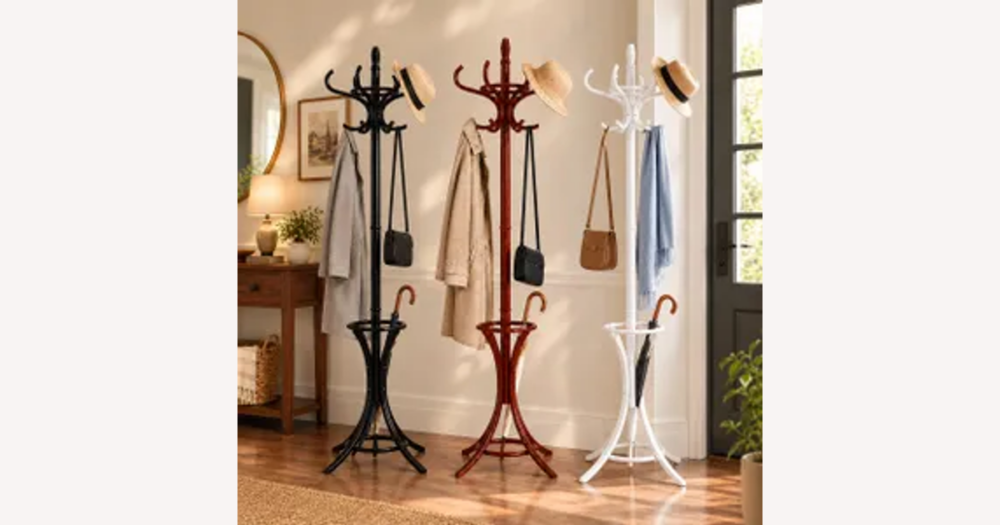
If you’re in Australia and searching DHgate for a “top-rated” coat and umbrella stand under $100, you won’t find a single definitive list—but you can judge each listing using a clear set of criteria. The most useful way to shop is to check whether a stand’s dimensions, capacity, materials and base design fit your space, then use DHgate’s photos, ratings, reviews, seller history, shipping terms to Australia, and dispute/refund information to decide whether it seems stable, durable and reliably delivered.
What ‘top-rated’ coat and umbrella stands under $100 should really mean on DHgate
On DHgate, this guide can’t fetch live inventory or tell you which specific coat and umbrella stands under $100 are “the best”. Instead, think of “top-rated” as stands that meet clear, practical conditions you can check yourself on each listing page.
First, the stand has to suit your space and how many people will use it: the height should keep hooks and umbrella holders within easy reach, the footprint needs to fit beside your door or in a hallway without blocking movement, and the hook and umbrella capacity should cover your household or office without crowding everything onto a few pegs.
Second, the materials and base design have to look genuinely robust. For a budget stand on DHgate, that usually means reasonably thick metal or solid wood parts, secure joints, and a wide or weighted base rather than very thin tubing and a narrow, light base that can tip when loaded. I would personally skip any stand that looks flimsy or top-heavy, even if it’s cheap or stylish, because stability and build quality matter more than saving a few extra dollars.
Finally, the stand should be backed by evidence of buyer satisfaction and a reliable seller: patterns of positive reviews over time, photos from buyers that match the listing, and a seller record that doesn’t show repeated complaints. Generic phrases like “premium”, “high-grade” or “top-rated” are just marketing unless the specs, photos, reviews and seller history support them.
The rest of this guide examines those factors in more detail—specs, materials, configurations, stability cues, ratings and reviews, and a simple checklist—so you can apply your own criteria to DHgate listings instead of relying on external top-10 lists or vague labels.
Key specs that decide whether a stand will actually work in your space
- Height range: for most adults, a stand around shoulder to eye level keeps hooks easy to reach and makes umbrellas visible rather than buried at the bottom.
- Footprint dimensions: width and depth determine whether the stand will fit beside your door, in a narrow hallway or next to office furniture without blocking the walkway or door swing.
- Overall weight: heavier stands, especially with weighted or solid bases, usually resist tipping better than very light designs that can wobble once loaded with coats and umbrellas.
- Number of hooks: check how many hooks are provided and whether they’re arranged at different heights so adults’ coats, bags and kids’ jackets can all hang without piling on top of each other.
- Hook spacing: closely packed hooks may look neat in photos but cause overcrowding in everyday use; more generous spacing helps items hang separately and reduces tangles.
- Umbrella holder size and capacity: look for inner diameter and height figures or clear photos that show how many umbrellas fit and whether long umbrellas sit securely without leaning out.
- Base design or shape: wide, circular or cross-shaped bases, or bases with added weight, generally feel more stable than small, narrow or very thin bases that concentrate weight in a small area.
In a typical Australian apartment entryway or small hallway, a stand that’s roughly at shoulder height keeps hooks comfortable to reach without blocking sightlines, and a compact but not tiny footprint (for example, enough width for coats to hang straight) helps you avoid bumping the stand every time you open the door. In a larger house or office reception, a taller stand with more hooks at varying heights can handle heavier traffic and bulky winter coats without everything sliding onto the same few pegs.
Footprint size and shape are critical for everyday comfort. A stand that matches the space beside your door or between pieces of furniture will feel unobtrusive, while one that’s too wide or deep can pinch the walkway or interfere with door swing. Listing dimensions and photos together should give you a clear mental picture; if you can’t tell how the stand sits relative to a wall or doorway, treat that as a caution sign rather than guessing.
Stability comes from a combination of overall weight and base design. All else equal, a stand with a heavier or wider base will usually stay put when loaded with coats and umbrellas, whereas very light, slim designs are more likely to wobble or tip if someone brushes past them. If the listing doesn’t show the base clearly or skips details like load capacity, it’s safer to assume the stand may be less stable and to favour options where the specs and photos clearly indicate a solid, well-supported base.
When you read DHgate spec tables, compare them to the listing photos instead of treating either in isolation. Clear height, footprint and capacity figures, plus photos that match those numbers, suggest the seller understands the product and how it will be used. Missing, vague or inconsistent specs—especially around size, weight or load capacity—are a red flag for me, and I would rather choose a stand whose documented dimensions and base design obviously support everyday use than chase the smallest or lightest option just to save space or money.
Choosing materials that balance durability, upkeep, and style
| Material type | Typical strength and stability | Moisture and rust behaviour | Maintenance needs | Visual style notes |
|---|---|---|---|---|
| Steel tube | Generally strong with good load-bearing if tubing is reasonably thick; slim profiles suit tight spaces but very thin tubes can flex. | Can resist moisture when properly painted or powder-coated; poor finishes may chip and allow rust, especially around umbrella areas. | Wipe with a damp cloth; check periodically for chipped coating and touch up to prevent rust. | Clean, modern look that works in most hallways and offices; often used for minimalist black or metallic stands. |
| Iron | Robust and weighty, which helps stability; ornate designs may have multiple joints that need to be well-made to avoid wobble. | More prone to rust than stainless or well-coated steel if finishes are thin or scratched, particularly where wet umbrellas rest. | Requires drying after heavy exposure to water and occasional inspection for rust spots; may need gentle rust removal and repainting over time. | Can range from classic, decorative scrollwork to industrial styles; suits traditional interiors when finishes are smooth and even. |
| Wood / wood composite | Solid wood can feel very sturdy, especially with a broad base; composites vary, with some hollow sections that feel lighter. | Less affected by rust but can swell, warp or stain if umbrella water pools on or near wooden parts. | Needs gentle cleaning and avoidance of standing water; occasional polishing or sealing helps protect surfaces in damp entryways. | Warm, homely appearance that blends with furniture; wood-look veneers on composites may mimic this but can chip if knocked. |
| Plastic | Lightweight and easy to move but more likely to bend, flex or tip if heavily loaded with coats and umbrellas. | Unaffected by rust, but constant exposure to water can cause discoloration or mildew if drainage is poor. | Simple wipe-down cleaning; may need more frequent deep cleaning around umbrella sections to prevent mould. | Casual, functional look; can appear less premium but works in very budget-focused or utility spaces where appearance is secondary. |
| Ceramic / heavy base materials | High weight at the base gives excellent anti-tip stability when matched with a sensible overall design. | Not prone to rust; glazed surfaces handle splashes well, though unglazed areas can absorb moisture and stain. | Requires careful handling to avoid chips or cracks; clean with non-abrasive products, especially on glossy finishes. | Often looks premium and decorative, especially in umbrella stands; pairs well with more minimalist metal or wood elements above. |
For budget coat and umbrella stands on DHgate, metals like steel tube and iron are usually my first choice when stability matters, provided the listing shows reasonably thick tubing and clean welds or joints. Photos that reveal how the tubes meet the base and how hooks are attached give you a sense of overall strength; if everything looks very thin or spindly, I would treat that as a sign the stand may flex or wobble once loaded.
Wood and wood composite stands trade a more furniture-like look for different durability considerations. In a dry hallway or office, solid wood with a wide base can feel reassuringly solid, but in areas where umbrellas drip directly into a tray or onto nearby surfaces, you want finishes that are sealed and easy to wipe. Composites or wood-look laminates can be fine for light use, yet edges and corners are more likely to chip if they’re knocked frequently.
Plastic stands and very light materials tend to win on price and ease of moving but lose on long-term stability. They can work in low-traffic spaces or as a secondary stand, though I’d be cautious about using them as the main coat and umbrella hub in a busy household or office. If you see thin plastic walls, narrow bases and no clear indication of weight or load capacity in the DHgate listing, assume the stand may feel flimsy under everyday use.
Ceramic umbrella stands and other heavy bases add valuable weight where it matters most. A sturdy ceramic base paired with a simple metal frame can keep umbrellas upright and resist tipping when someone brushes past. The trade-off is that ceramic can chip or crack if knocked hard, so it suits locations where the stand sits in a stable corner rather than in the middle of a chaotic walkway.
Whatever material you prefer, use the listing details and photos to look for concrete quality cues: tube thickness instead of just “metal”, close-up shots of joints or welds, mentions of anti-rust or anti-corrosion coatings, and clear wording such as “solid wood” rather than only “wood-like finish”. On DHgate, I would lean toward stands that combine sturdier materials with heavier bases, even if they are slightly plainer or cost a little more, rather than chasing the most decorative, lightweight option that might not hold up to regular coats and wet umbrellas.
Picking the right stand configuration for your hallway or office
Once you’ve decided which materials feel right, consider the configuration—how coats and umbrellas are stored together in your space. A common option on DHgate is a free-standing coat rack with an integrated umbrella holder near the base. This layout keeps everything in one footprint and can look cohesive in an entryway or office reception. The downside is that if you have many coats and bags, the hooks and umbrella section can become crowded, so you’ll want enough hooks and a base that clearly supports the combined weight.
Standalone umbrella stands paired with separate hanging solutions give you more flexibility. You might place a ceramic or metal umbrella stand directly by the door so people can drop wet umbrellas as they come in, while coats hang on a wall-mounted rail or another rack a little further inside. This split setup can work well in narrow corridors because the umbrella stand can be slim and tucked in a corner, while larger coat storage is moved out of the main walkway.
For very tight hallways or apartment entry nooks, wall-mounted hooks plus a compact floor stand or umbrella holder can make the most of limited space. Hooks keep bulky coats flat against the wall, and a small stand or drip tray handles umbrellas without needing a wide base. The key is to check that even a compact stand has a balanced design and doesn’t invite tipping when umbrellas lean or when someone brushes past in a hurry.
Under a $100 budget, all of these configurations can be viable, but I would choose based on your actual constraints: narrow corridors benefit from wall hooks and slim umbrella stands, while busier office or family entrances often need taller, multi-hook racks with an umbrella section built in. Whatever layout you pick, favour designs with a solid, well-balanced base over ultra-light, ornate frames, and then reflect that choice in your DHgate searches by focusing on the configuration type you want—for example, searching specifically for a “coat rack with umbrella holder” or a “ceramic umbrella stand” instead of browsing every style at once.
Stability, safety, and common pitfalls to watch for
For stability, start with the base. Wider or heavier bases resist tipping better than narrow, lightweight ones, especially when coats and umbrellas are all on one stand. On DHgate, I would favour designs that clearly show a broad footprint or mention a weighted core in the description, and look for details like non-slip pads or rubber feet that help the stand grip smooth floors and protect tiles or timber from scratches.
Load capacity is the next clue. Listings that state a maximum weight or show a realistic number of coats and umbrellas in the photos give you more to go on than vague claims. If you see the stand pictured fully loaded, check whether it still looks upright and balanced or if the pole leans and the base looks strained. When capacity isn’t stated and photos only show a couple of light jackets, I’d assume the safe load is modest and avoid using it for heavy winter coats.
Umbrella storage adds its own stability and safety questions. A good budget stand will either have a drip tray, a waterproof section, or at least a design that keeps water contained at the bottom instead of running across the floor. In photos and descriptions, look for trays, plastic or metal liners, or wording about water collection, and check whether the tray seems large enough to catch drips from several umbrellas. If the base is open and umbrellas simply rest on the floor, you’ll need a separate mat or tray to avoid puddles and potential slip risks.
Because you can’t handle the stand yourself on DHgate, treat the overall balance you see in photos as a major signal. I would personally choose slightly plainer or heavier designs that look solid and well-proportioned over very thin, ornate frames that seem top-heavy or spindly. If stability features like base weight, anti-slip pads, or load capacity are barely mentioned, or the photos make it hard to see how the base supports the pole, that’s a good reason to be cautious or message the seller for clearer information before you commit.
- Very thin or easily bent-looking metal tubing, especially tall stands with no visible reinforcement, which are more likely to wobble or deform under heavier coats.
- Narrow or obviously light bases that look smaller than the spread of the hooks above, making the stand top-heavy and easier to tip if someone bumps it or loads one side more than the other.
- Hooks clustered too close together, so coats and bags will overlap and pull in one direction, increasing the chance of twisting or leaning and making it harder to use every hook comfortably.
- Umbrella holders with no clear drip tray or drainage solution, where water appears to run straight onto the floor, increasing the risk of slippery patches and damage to timber or laminate.
- Listings with minimal or blurry photos, missing stability-related specs, and reviews that are either very sparse or extremely vague; these patterns don’t prove the stand will fail, but they’re recurring risk signs with budget stands and should prompt you to reconsider or ask more questions before buying.
Reading DHgate ratings, reviews, and seller history with healthy scepticism
On DHgate, the main signals you see are the overall star rating, the number and recency of reviews, and whether buyers have posted photos or detailed comments. A single high rating with only one or two reviews tells you far less than a long trail of recent feedback, so I pay more attention to listings where multiple buyers have taken the time to write about their experience and share images of the stand in use.
When you read reviews, look for patterns rather than reacting to one glowing or one angry comment. Repeated mentions of sturdiness, easy assembly, and a stable base are encouraging; repeated complaints about wobbliness, thin metal, poor finishing, or missing parts are strong reasons to walk away, even if the overall star rating is still above average. Buyer photos that show the stand fully loaded are particularly useful for confirming whether it stays upright and looks as solid as the listing suggests.
Seller-level indicators provide extra context. Where available, consider how long the seller has been active on DHgate, how many transactions they’ve completed, and whether their on-time delivery or dispute performance looks consistently strong. A newer seller isn’t automatically unreliable, but when you’re buying a stand that needs to hold weight safely, I’d lean toward sellers with a visible history of fulfilling similar orders without repeated complaints.
Marketing phrases like “premium”, “best-selling”, or “certified” in the listing description are promotional language unless they’re tied to a recognisable standard or backed by consistent buyer feedback. Treat them as advertising, not evidence. Instead, combine what you see in the specs and photos—base design, materials, load cues—with the review and seller patterns. Prioritise stands where both the physical details and the buyer history point toward solid build quality and stable performance, while remembering that even strong ratings reduce risk rather than guaranteeing a perfect outcome.
A quick checklist for evaluating any DHgate coat and umbrella stand under $100
- Measure your hallway, entry, or office area and compare it to the stand’s listed height and footprint so you’re sure doors can open and people can pass without bumping into it; check hook count and umbrella holder size against how many coats, bags, and umbrellas you actually need to store.
- Check the materials and base design: prefer thicker metal or solid wood over very thin tube or brittle plastic, and favour a broader or visibly weighted base with rubber feet or pads that can handle wet umbrellas without rusting or damaging your floor.
- Look closely at all photos, including close‑ups and any assembly diagrams, to see how joints, screws, and welds are finished and how the stand looks when loaded with coats and umbrellas; avoid listings where key parts are never shown clearly.
- Scan star ratings, how many reviews there are, and how recent they are, then read comments and buyer photos for patterns about stability, wobbling, bending, rust, and assembly difficulty; repeated complaints on these points are a strong signal to move on.
- Review the seller’s information and shipping terms to Australia, including estimated delivery time, shipping costs, and packaging notes, and be cautious of stands that look heavy or fragile but have vague or very long delivery windows.
- Before you commit, confirm which DHgate payment protections, refund options, and dispute processes apply to this order; if any step leaves you unsure about stability or build quality—such as obviously thin materials, a very light base, or mixed reviews about wobbling—either message the seller with specific questions or choose a different stand rather than risking problems for a small saving.
FAQ: Style, assembly, and configuration questions for budget stands
Can a coat or umbrella stand under $100 on DHgate still look premium?
Yes. A budget stand can feel premium if the design is simple, the finishes are even, and the materials work together visually. On DHgate, I would favour cleaner shapes in a single colour or a small set of coordinated tones, rather than very ornate frames with thin parts. A slightly heavier, well-balanced base and consistent paint or wood finish usually look and feel more expensive than a very decorative but flimsy stand. Paying attention to close‑up photos of joints, edges, and base details is often more revealing than the headline price.
How much assembly should I expect for a budget stand from DHgate?
Many coat and umbrella stands ship flat‑packed, so you should expect basic screw assembly—typically connecting the pole sections, hooks, and base with an included tool. On DHgate, I’d check the description and photos for exploded views, assembly diagrams, or mentions of how many parts are included. Reviews are especially helpful here: buyers often comment if holes don’t line up, screws strip easily, or assembly took longer than expected. If several reviewers mention difficult assembly and you’re not keen on fiddly builds, it’s safer to choose a simpler design with fewer pieces.
Is it better to buy a combined coat-and-umbrella stand or separate pieces on DHgate?
It depends on your space and how much flexibility you want. A combined stand with hooks and an umbrella holder in one footprint suits small entry areas and offices where you want a single tidy station, but it concentrates weight and clutter in one spot, so stability becomes critical—I would only choose combined designs that clearly show a solid, well‑proportioned base. Separate pieces, such as wall hooks plus a standalone umbrella stand, give you more control over how you use corners and narrow hallways and can make upgrades easier later. If you’re unsure, I’d lean toward whichever option lets you place weight low and spread out, rather than chasing the most compact or decorative setup at the expense of stability.