
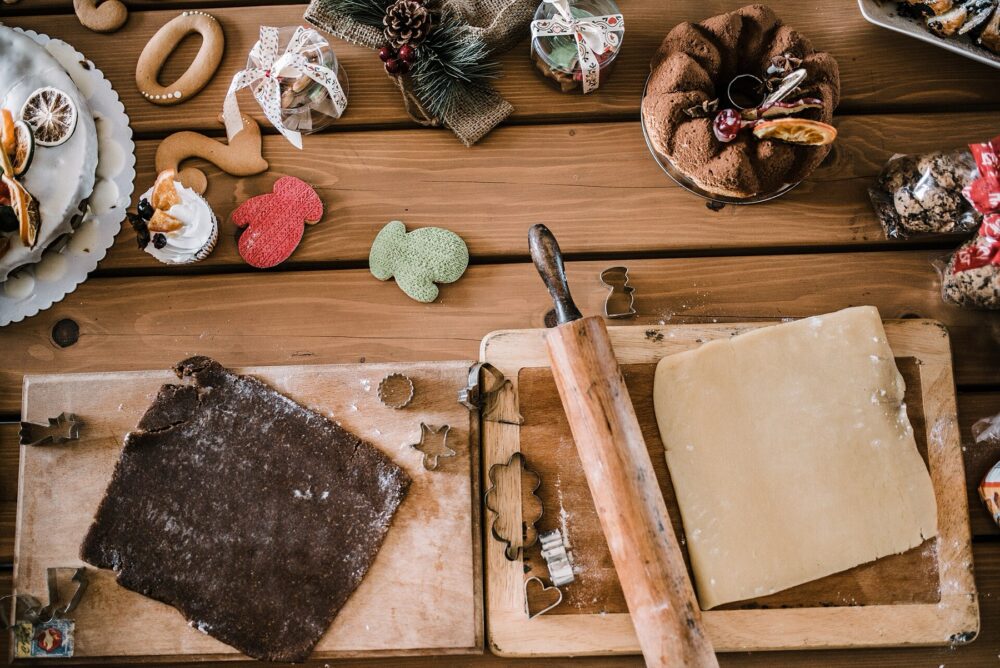
Christmas baking kits fall into two broad groups: edible kits that include mixes or ready‑to‑bake dough plus decorations, and non‑food tool sets with cutters, molds and spatulas. You’ll choose between them based on who’s using the kit (kids, adults, gifting, resale), how much help you want with ingredients, and whether you need food‑safe tools for repeated use. DHgate mainly makes sense on the non‑food side, as a low‑cost source of Christmas‑themed cutters, silicone molds and accessories; for branded edible kits and regulated food imports into Australia, local or regional suppliers are usually the cleaner fit.
What counts as a Christmas baking kit, and who uses them?
A Christmas baking kit is any bundle that gives you most of what you need for a single festive baking project: think cookies, cupcakes, brownies or a gingerbread house. Many kits sold by specialist brands and gift retailers combine a recipe or dry mix with decorations and sometimes simple tools, so you can go straight from box to oven with minimal shopping.
For example, holiday kits highlighted by brands like Baketivity often include pre‑measured dry ingredients, themed sprinkles or icing, and a printed set of step‑by‑step instructions for seasonal cookies. In parallel, tool‑led sets from kitchen retailers and review sites such as Scooks focus purely on hardware: Christmas cookie cutters, silicone molds, piping bags, spatulas and similar items, leaving you to supply your own ingredients.
Two quick scenarios show the difference:
- Family cookie night in Sydney: A parent buys a kid‑friendly cookie kit with dry mix, simple cutters and decorations. The goal is an easy, one‑evening activity with minimal measuring and a high chance of success.
- Gift‑box microbusiness in Brisbane: A small seller curates premium local mixes, but needs affordable Christmas‑themed molds, cutters and pastry bags to assemble repeatable boxes. Here the kit is effectively a tools bundle, not the food.
Understanding which scenario you’re closer to will narrow the kind of kit you actually need.
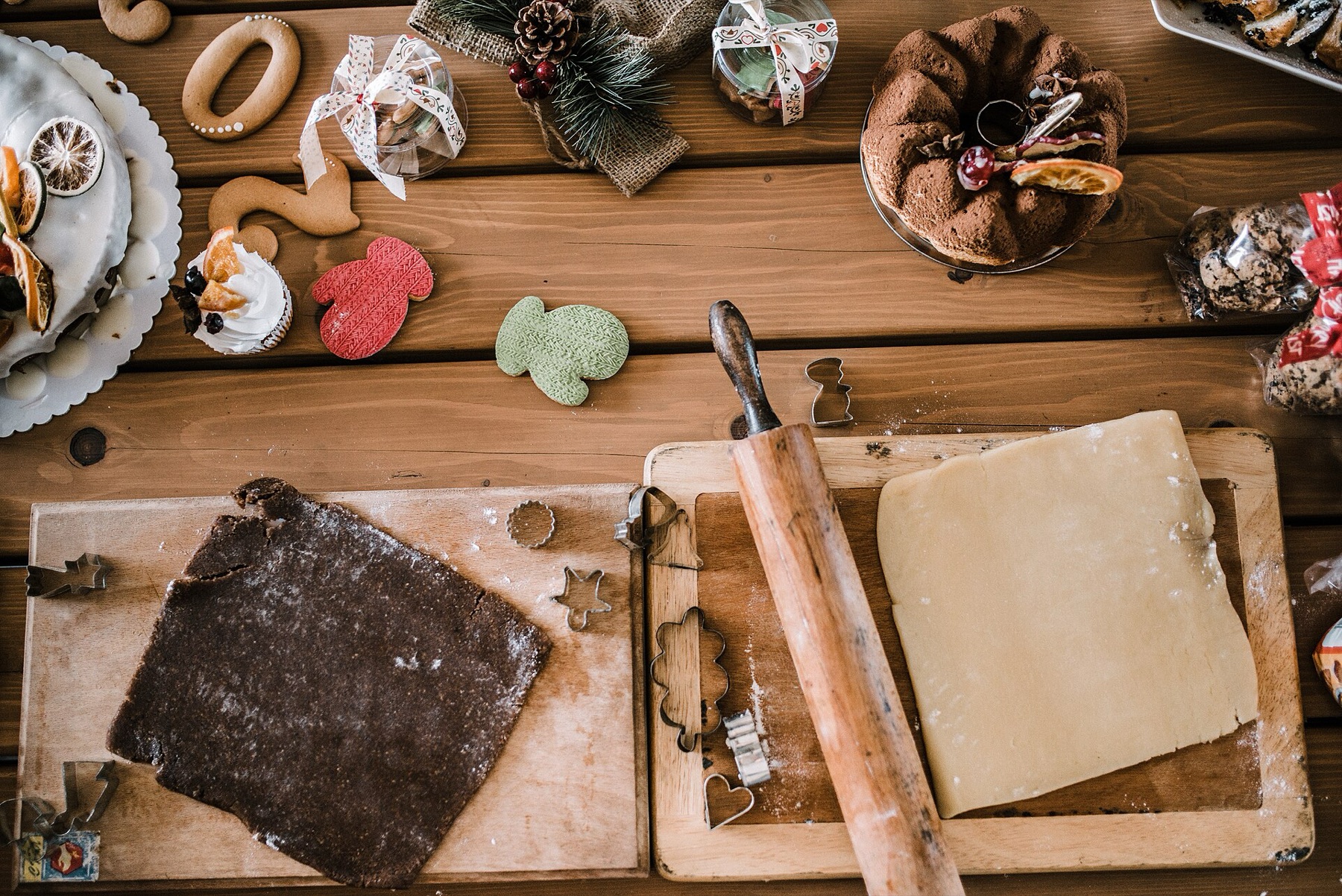
Kit types and specs that really change your experience
You’ll mostly be choosing between three kit types, each with a different set of specs to check.
1. Ingredient‑based Christmas cookie or cupcake kits
These are the classic “open the box and bake” kits with dry mixes, recipes and often decorations.
Key specs:
- Skill and age targeting: Guides from sites like KitchPrep show that kids’ kits skew towards simple shapes, sweeter flavors and larger print instructions, while adult kits lean into more complex techniques or flavor profiles. Look for clear labels like “kids,” “family,” or “advanced home baker” and check the recipe steps in the product photos.
- What ingredients actually come in the box: Some kits include only a base cookie mix and one type of sprinkle; others add multiple icings, colored sugars and edible décor. Product descriptions from brands such as Baketivity illustrate that better kits spell out each dry component so you can see if any allergens or additives are unsuitable for your household.
- Portion sizing and “one session” design: Gift‑style cookie kits reviewed by sites like Top5Best are often designed to cover one family baking session, with packaging and quantities tuned for that single event rather than large‑scale baking. For home use, this is ideal; for a micro‑bakery, you may want either bulk mixes or multiple kits.
2. Decorating‑only kits
Decorating kits assume you already have baked goods, focusing on icings, sprinkles, fondant toppers and sometimes piping bags.
What to compare:
- Format of decorations: Are you getting loose sprinkles, pre‑made sugar shapes, fondant pieces, or a mix? Different formats behave differently on cupcakes vs cookies.
- Tools included: Simple decorating kits might add disposable piping bags and a few tips; others expect you to own piping equipment already. Match the kit contents to what you have so you don’t double‑buy basics like bags and spatulas.
- Display‑friendly packaging: If you’re building gift boxes or selling decorating kits, packaging appearance matters. Some brands use themed tins or illustrated cartons; others are plain sachets. Sites focusing on gift‑ready kits often highlight packaging in product photos—worth paying attention to if you’re reselling.
3. Non‑food Christmas baking tool sets
Tool sets bundle hardware that you can reuse across seasons: cookie cutters, silicone molds, spatulas, pastry brushes, and measuring spoons. Articles reviewing Christmas tool sets (for instance, Scooks) typically highlight a few common patterns.
Specs that matter here:
- Materials for food‑contact safety and durability: Look for stainless steel cutters rather than thin tin, and silicone molds labeled food‑grade and heat‑resistant to typical oven temperatures. This is especially important if kids will handle them.
- Theme breadth: Some sets stick to classic trees and stars, while others add reindeer, snowmen, stockings or lettering. If you’re running a small ecommerce shop, broader theme coverage gives your customers more creative options per set.
- Tool mix vs redundancy: Compare sets that combine cutters plus silicone molds and spatulas against those that are “all cutters” or “all molds.” A mixed set may be better value for a household starting from scratch, while a specialist set suits a baker topping up one category.
Here’s a quick mapping of kit type to primary use and best sourcing style:
| Kit type | Primary use case | Food included? | Better sourced as… |
|---|---|---|---|
| Ingredient‑based cookie/cake kit | One family baking session or gift | Yes | Branded retail/gift kit (local or regional) |
| Decorating‑only kit | Finishing home‑baked goods or gift box | Often yes | Local baking or specialty food retailer |
| Non‑food tools set (cutters/molds) | Ongoing home use or ecommerce resale | No | General marketplace (incl. DHgate) or B2B |
Buying factors for Australian and cross‑border shoppers (including DHgate)
For Australian buyers, the biggest dividing line is food vs non‑food.
Food kits: usually easier sourced locally or regionally
Importing food products into Australia can be more complex than importing non‑food kitchen tools, so many home bakers and small businesses lean on domestic supermarkets, specialty baking brands, or regional online retailers for mixes and edible decorations. That avoids potential customs complications and gives you clearer visibility on ingredient standards and allergen labeling.
Practical checks for edible kits:
- Read the ingredient list and allergen warnings in the listing photos before you buy.
- Confirm the kit’s “serves” or yield matches your use: a one‑session family kit versus multiple batches for events.
- For resale, consider whether the outer packaging works as part of your gift or if you’ll re‑box contents.
Tool sets and accessories: where DHgate can fit
Non‑food Christmas baking tool sets—cookie cutters, silicone molds, spatulas, measuring spoons—are far simpler to import, and this is where broad marketplaces become more attractive.
DHgate is positioned as a low‑cost marketplace with wide variety, making it more suitable for non‑food Christmas items such as decorations and baking tools than for branded edible kits. If you’re in Australia and want to build your own kit around locally sourced mixes, it can be one of the places to look for:
- Bulk or multi‑pattern cookie cutter sets in Christmas shapes
- Reusable silicone molds for chocolates, mini cakes or festive ice cubes
- Basic tools like spatulas or pastry brushes to round out a DIY kit
Because DHgate listings are seller‑created and vary widely, treat it as a broad catalogue rather than a curated baking brand. A few targeted steps help:
- Start with clear search terms like “Christmas cookie cutter set,” “Christmas silicone baking mold,” or “Christmas icing spatula.”
- Prioritize listings that show material details (e.g., “stainless steel,” “food‑grade silicone”) and close‑up photos of edges and thickness.
- For any larger order or resale plan, sanity‑check your readiness using the DHgate overview and, if you proceed, the order‑readiness checklist.
For higher‑risk or higher‑value tool purchases, you may also want to combine DHgate’s breadth with more focused sourcing from kitchenware retailers (similar to those highlighted by John Lewis’ baking tools page) or specialist Australian baking suppliers, especially if you need brand reputation or specific material certifications documented.
How small ecommerce businesses can mix channels sensibly
If you run a small gift‑box or micro‑bakery business in Australia, a hybrid approach usually makes sense:
- Use local or regional food brands for mixes and edible decorations, chosen for ingredient transparency and customer trust.
- Build your own kits by pairing those mixes with non‑food tools sourced from a mix of general marketplaces like DHgate and kitchen‑specialist retailers.
- Standardize on a small number of cutter and mold sets so your photography, instructions and customer expectations stay consistent across boxes.
For additional DHgate platform context, use Find trusted sellers on DHgate.
This way you’re choosing Christmas baking kits not as fixed retail boxes, but as a set of components tailored to your users—kids vs adults, home vs resale—while exploiting DHgate where it’s strongest: low‑cost, variety‑rich accessories that don’t introduce food‑import complexity.