
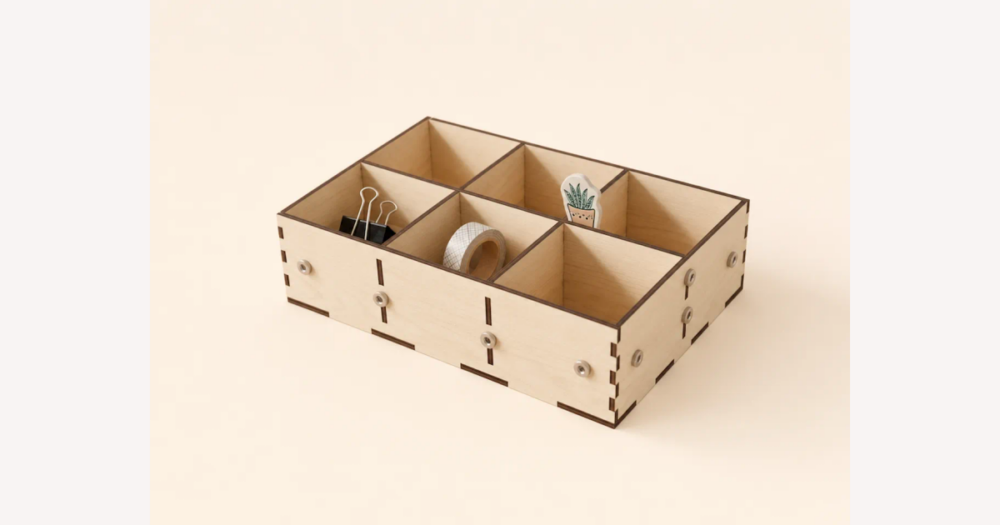
If you’re browsing DHgate for box dividers to tame messy drawers and storage boxes, the most useful choice is the one you can measure, fit, and adapt confidently at home. This guide explains the main divider types and materials, shows how to match them to your boxes, and walks through DHgate‑specific checks on sellers, listings, payment, shipping, disputes, and refunds so you can order with realistic expectations.
Know your main types of box dividers
For DIY storage on DHgate, most box dividers fall into a few practical families you can search for and mix as needed.
Adjustable plastic rails expand or contract to fit the width of a drawer or box, then lock in place. They’re ideal for shallow drawers with mixed items—utensils, office supplies, makeup—where you want quick reconfiguration without cutting anything.
Interlocking grid panels (often sold as plastic or foam drawer dividers or “egg-crate” organizers) slot together to create a custom grid. They suit deep drawers or boxes with lots of small, similar items such as socks, craft beads, or stationery, and they’re good when you want a semi-permanent layout that can still be reshaped later.
Foam or cardboard inserts usually arrive as sheets or pre-scored strips that you cut to size and slot together. They work well for lightweight or delicate items—cosmetics, camera accessories, small gadgets—especially when you care about snug fit and are willing to spend a little time measuring and trimming.
Fabric organizers are soft bins or compartment trays made from fabric or non‑woven material. They’re a good match for clothing, linens, and beauty products in dressers or closets, where you value a gentle feel, quiet movement, and easy lifting in and out of boxes more than rigid structure.
Rigid trays and wooden or bamboo dividers create fixed compartments with a set layout. They feel more decorative and can handle heavier, denser items like tools or kitchen gear, but they don’t resize easily. I would only lean toward these when you have one well-defined drawer or box size and don’t expect to change your arrangement later.
Simple cut-to-size strips—made from cardboard, foam board, or similar materials—let you build your own rails or grids from scratch. They’re best for DIY‑heavy projects where you want maximum control over section sizes and expect to reuse or adapt dividers across different boxes by re‑cutting or re‑slotting pieces.
For most DHgate buyers, modular, adjustable systems—interlocking panels, foam or cardboard grids, and expandable rails—are the safest default because clear measurements and joints make them easier to size accurately and reuse in new boxes over time.
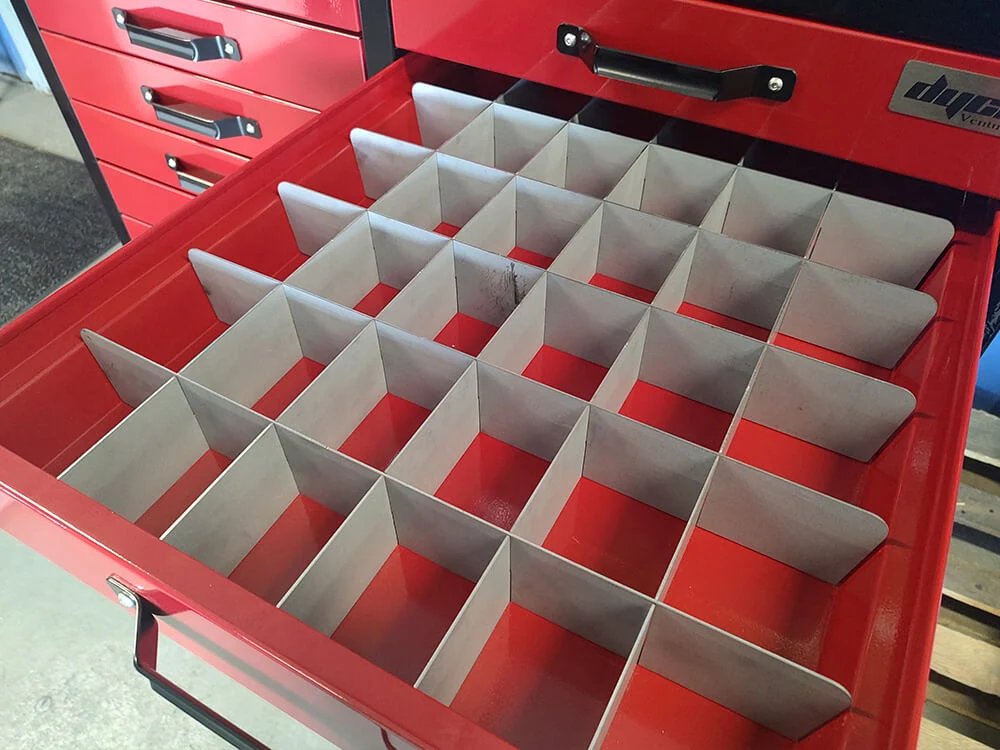
Example of drawer dividers and foam inserts creating separate sections for tools and accessories, illustrating how different divider types look in use.
Choose a divider material that matches how you’ll use it
| Material | Typical durability and sturdiness | Best for heavy items | Best for light items | Ease of cutting or resizing | Moisture and stain resistance | Noise or feel in everyday use |
|---|---|---|---|---|---|---|
| Rigid plastic | Generally sturdy if thickness is decent; holds its shape well under everyday use. | Suitable for moderately heavy, non‑sharp items like kitchen utensils, small tools, and gadgets when walls are thick enough. | Works very well for cosmetics, stationery, and other light pieces that benefit from crisp compartments. | Usually not designed for cutting at home; you rely on adjustable joints or pre‑set sizes. | Resists spills and stains better than cardboard or fabric; a good match for kitchens and bathrooms. | Hard surfaces can click or clack when items move, but glide smoothly in drawers and are easy to wipe. |
| Corrugated cardboard | Adequate durability for light to medium use; can crush or fray over time, especially under weight. | Not ideal for very heavy or sharp items like metal hardware or tools, which can dent or tear it. | A strong fit for lightweight items such as cosmetics, office supplies, and small craft materials. | Very easy to cut and trim with a basic knife or scissors, making it good for custom grids. | Poor moisture resistance; can warp or stain if exposed to spills or humidity, so better for dry rooms. | Feels soft and quiet in use; items slide gently and don’t bang against hard walls. |
| Foam board | More stable than plain cardboard when the thickness is adequate; maintains clean edges and holds its shape. | Can support medium-weight items like camera accessories or small electronics if panels are wide and thick enough. | Excellent for delicate or mixed light items that benefit from cushioned walls and snug sections. | Designed to be cut; you can trim and slot pieces into custom layouts with simple tools. | Better moisture resistance than cardboard but still not ideal for repeated, direct contact with water or oils. | Soft, low‑noise feel; items land quietly and are cushioned compared with plastic or wood. |
| Thin wood or bamboo | Typically the most rigid and long‑lasting when well made; resists bending and wear. | Well suited to heavier items such as cutlery sets, hand tools, or dense kitchen gadgets in a stable drawer. | Works for lighter items too, but the fixed compartments may be overkill if you frequently change contents. | Difficult to cut or resize accurately at home without proper tools; best used in fixed sizes. | Handles occasional moisture better than cardboard, but finish quality matters for stain resistance. | Feels solid and premium; movements can be more audible on hard surfaces but also more stable and structured. |
| Fabric organizers | Durability depends on stitching and fabric weight; sides may be softer and less rigid over time. | Not ideal for very heavy or sharp items that could deform or puncture the fabric walls. | Great for clothing, linens, soft toys, and beauty products that don’t need rigid separation. | You can’t really cut fabric bins to resize; you adjust by folding or swapping bins rather than trimming. | Usually more tolerant of light moisture, but fabric can absorb spills or stains, so check care notes. | Soft and quiet to use; items don’t clatter, and bins lift in and out of drawers smoothly. |
Measure your boxes so dividers actually fit
- Measure the inside of your box or drawer with a ruler or tape: note the internal length and width along the bottom, and the usable height from the base to the lowest point of any lid, rail, or runner.
- Check for hardware, curves, or rounded corners that steal space, such as handle screws, drawer rails, or very rounded edges, and base your measurements on the flat, usable area rather than the outer shell.
- Estimate how many divider pieces you’ll use and their thickness. For rigid plastic or wood, subtract a little space for each wall, then leave a few millimetres of tolerance so rails or panels slide in without bending or forcing.
- Write these numbers down and treat them as your reference when browsing DHgate. Prioritise listings that give clear piece lengths, widths, and heights—and, for interlocking grids, the finished cell size—rather than vague “fits most drawers” claims or only overall box dimensions.
Once you know the internal measurements, think in sections instead of individual items. Group what you plan to store by category or size—short cosmetics in one group, long makeup brushes in another, or narrow utensils separate from bulkier spatulas—and decide how many rows and columns you need for each group inside the measured space.
Use simple examples to test whether your idea is realistic. Equal‑size cells often work for lipsticks, nail polish, or office stationery, while wider slots suit knives, ladles, or camera lenses. Compare each planned cell width and height with a real item: if a mascara tube is 20 mm wide and your cell is only 18 mm, the grid will be frustrating to use even if the dividers technically fit the box.
Sketch a quick top‑down grid of the box or drawer on paper, label the external length and width, then mark out approximate cell boundaries and note their target dimensions. When you check DHgate listings, look for divider systems whose piece lengths and stated cell sizes line up with that plan, and favour adjustable rails or interlocking strips that can be trimmed or re‑slotted if your contents change later.
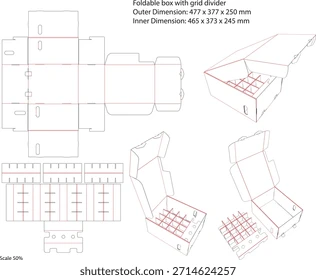
The diagram shows a foldable rectangular box with an internal grid of divider panels. Arrows mark the internal length and width, and the grid overlay illustrates how those measurements translate into evenly spaced compartments.
Simple ways to create or adjust dividers at home
- Cut cardboard or foam board into strips that match your measured box dimensions, then add small slots along each strip so they can slide together into a custom grid. This works well for light to medium‑weight items and can be reshaped later by changing strip spacing.
- For foam or some plastic inserts that are slightly too large, carefully trim the edges on a cutting mat using a ruler and craft knife, shaving off small amounts and test‑fitting as you go until the insert sits flat without bending the walls of the box.
- Use adjustable plastic rails as the main framework inside a drawer, then add simple crosspieces—such as shorter cardboard or foam strips—to subdivide wider sections. This lets you create small cells for items like cosmetics or USB drives without building a full wooden organiser.
- Place basic cardboard dividers inside fabric bins to separate categories of clothing, toys, or supplies. The fabric provides the outer structure, while the internal cardboard keeps stacks or bundles from collapsing into one another.
A short embedded video walks through marking measurements on cardboard, cutting strips with a craft knife, slotting them together into a grid, and test‑fitting the dividers in a box using basic tools.
Avoid common pitfalls when ordering dividers online
- Compare the listing’s measurements with your own internal box or drawer measurements, and be cautious of offers that only give overall outer dimensions or vague labels like “small/medium/large” instead of clear length, width, and height.
- Look for information about material thickness or density, and check close-up photos of panels and rails to judge how stiff they are likely to be; treat very smooth, distant images without detail shots as higher risk for flimsiness.
- Study photos and descriptions for specific adjustability details, such as slot spacing, number of positions, or stated expansion ranges, rather than relying on styled images that simply show different layouts without explanation.
- Scan Q&A and reviews for repeated comments about fit problems, awkward assembly, or joints that pop apart under load. Inconsistent, very vague, or contradictory feedback is a sign to proceed carefully or keep that listing as a lower-priority option.
- Prefer listings that pair lifestyle photos with thorough measurements, material descriptions, and assembly notes. Clear, repeated information lowers the chance of surprises more than images alone, especially when you can’t easily repurpose dividers that don’t fit your boxes.
Read DHgate signals for divider quality and fit
On DHgate, seller and listing signals help you build a cautious picture of how well box dividers are likely to match your expectations. Seller ratings, transaction history, and review counts give a broad sense of reliability and how often past orders have gone smoothly. A seller with steady ratings over many orders has at least shown they can fulfil transactions consistently, even though this doesn’t speak to any single divider design on its own.
When you open the review section, focus on patterns instead of one standout comment. Scan for recurring remarks about fit (too tight, too loose, just right), sturdiness under typical loads, ease or difficulty of assembly, and whether photos and colours matched what buyers received. Consistent themes—positive or negative—are more useful than isolated praise or frustration. It’s also a good sign when multiple listings from the same seller describe materials and dimensions clearly and in a similar way, because it suggests careful cataloguing rather than improvised copy for each product.
DHgate checklist for buying box dividers
- Match listing dimensions to your measurements: check each divider piece’s length, width, height, and any cell size or rail spacing against the internal size of your box or drawer on DHgate before you add it to the cart.
- Confirm quantity, colour, and variant options such as grid size, number of rails, or set configuration so you receive enough dividers in the format you actually planned to use.
- Review the seller’s ratings and transaction history, then skim review patterns for comments about fit, sturdiness, and assembly to gauge reliability without treating any single score as a guarantee.
- Check shipping methods, estimated delivery times, and any listed extra fees or taxes so you have a realistic expectation of when the dividers will arrive and what the total cost will be.
- Use DHgate’s secure payment options only and avoid sending money or sharing card details with the seller outside the platform’s checkout and messaging system.
- Save a copy of the order details, key listing images and text, and any messages you exchange with the seller so you can refer back to them if there is a problem with what arrives.
- Locate DHgate’s buyer protection, dispute, and refund tools in the Help or order centre and be prepared to open a case with clear photos and evidence if the dividers arrive damaged or clearly not as described, recognising that the outcome is decided by DHgate and is not guaranteed.
Imagine dividers in real home storage scenarios
Picture a kitchen utensil drawer where spatulas, whisks, and small tools slide into one crowded pile. A simple interlocking plastic grid or a set of adjustable rails could divide the space into long rows: one strip for flat spatulas, one for bulky ladles, and smaller cells near the front for peelers and bottle openers. Because these systems can be re-spaced, you can tighten the grid if you add more tools later or open it up if you switch to larger utensils.
For a box of beauty or grooming products—lipsticks, brushes, small bottles—a softer insert often feels more practical. Foam or cardboard dividers with cut-out slots can create snug, upright compartments for lipsticks and mascara, with wider sections for brushes and serums. If your collection changes frequently, cut-to-size strips let you trim and rearrange the grid to suit new products without replacing the whole organizer.
In a kids’ craft box or a small tool and repair kit, sturdier materials matter more. Rigid plastic trays or thin wood or bamboo dividers can form labelled sections for markers, glue sticks, screws, and small parts so they don’t spill into each other when the box is carried around. Here, a combination of fixed sections for heavy or pointy items and a few adjustable slots for changing supplies keeps everything contained but still adaptable.
Across these scenarios, modular, adjustable dividers are usually the safest default for drawers and boxes that evolve over time, because you can move rails or swap strips as your utensils, products, or craft supplies change. Rigid decorative trays make more sense when the contents and box size are stable—such as a curated makeup set or a dedicated screwdriver tray—where a fixed, polished layout is worth losing some flexibility.
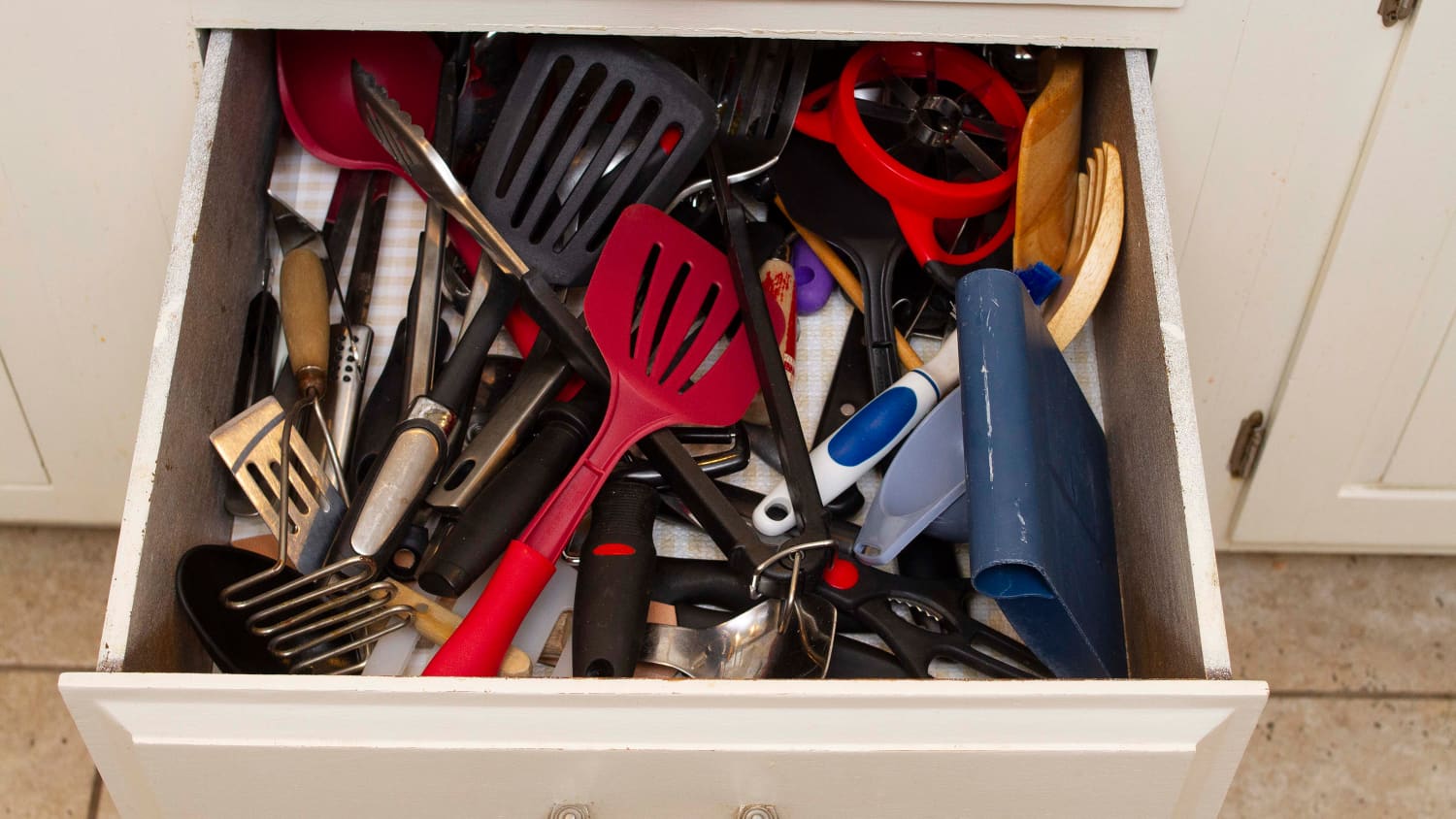
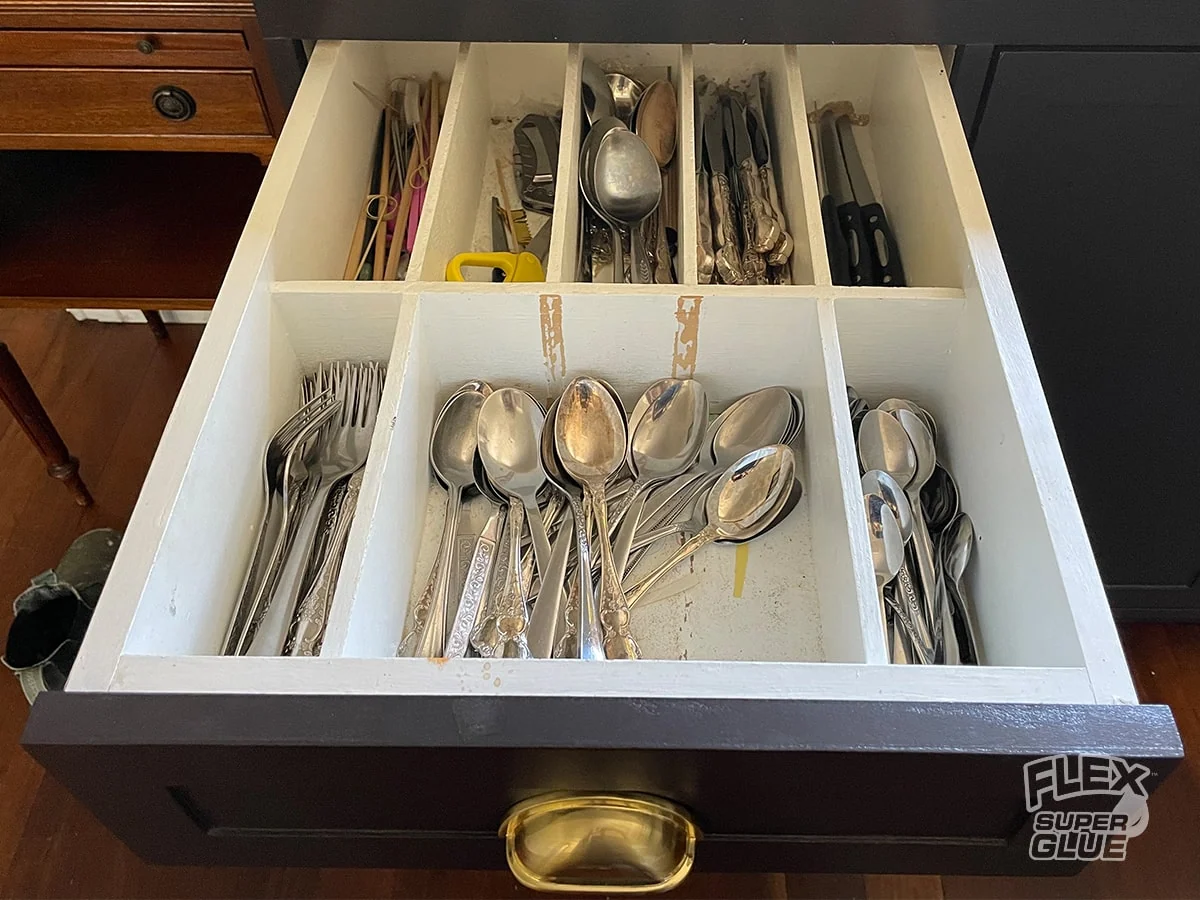
A cluttered kitchen utensil drawer shows how loose tools quickly overlap and waste space before dividers are added.
The same type of drawer organized with box dividers demonstrates clear sections for different utensils and a more efficient layout.
Box divider FAQs for DHgate buyers
Can adjustable or interlocking box dividers be reused in different boxes and drawers?
Often yes, but it depends on how flexible the system is and how different the new containers are. Expandable rails and interlocking grids can usually be re‑spaced or re‑slotted to fit another box as long as the new interior isn’t radically smaller or larger than the original and the rails or panels are still in good condition. Treat reusability as context‑dependent: measure the new box carefully, compare those dimensions with the divider pieces, and accept that some layouts may not translate perfectly to a different container.
How should I care for fabric box organizers so they last longer?
Fabric and non‑woven organizers usually respond best to gentle care. Shake out dust, then spot clean marks with a mild detergent solution and a soft cloth or sponge rather than soaking the whole bin. Avoid heavy moisture, bleach, and harsh scrubbing that can distort the fabric or damage stitching, and let organizers dry fully before putting them back in a drawer or box. For long‑term use, keep them away from repeated spills and very rough or sharp items that could snag the fabric walls.
What is the right way to clean and maintain wood or bamboo dividers?
Wood and bamboo dividers generally just need light maintenance. Wipe them with a slightly damp cloth to remove dust or surface dirt, then dry them promptly with a towel so moisture doesn’t sit on the surface. Avoid soaking them, leaving them in standing water, or using very abrasive cleaners that could damage the finish. If they’re used in areas with splashes, such as kitchen drawers, check periodically for swelling or rough patches and move them if you notice persistent moisture problems.
When is it realistic to trim or modify box dividers after they arrive?
Trimming is most realistic when the material is designed to be cut—such as cardboard, foam board, or some softer plastic inserts—and you only need small adjustments to length or width. Use careful, incremental cuts, re‑measure as you go, and keep enough width and thickness so panels still lock together and stand upright. It is usually not practical to cut rigid plastic rails, wood, or bamboo at home without proper tools, and heavy modification can weaken joints or edges, so treat those designs as fixed‑size and rely on measurement and listing details before ordering.
What should I do if the dividers I receive from DHgate don’t match the listing?
First, document the issue clearly: take photos of the dividers, the packaging, and the part of the listing that shows the expected dimensions, material, or quantity. Contact the seller through DHgate messages to explain the mismatch and see if they offer a solution. If you can’t resolve it directly, use DHgate’s dispute and refund tools from your order centre, submitting your photos and saved listing details as evidence. Outcomes are decided by DHgate based on the case and are not guaranteed, but presenting clear, organised information gives you the best chance of a fair review.