
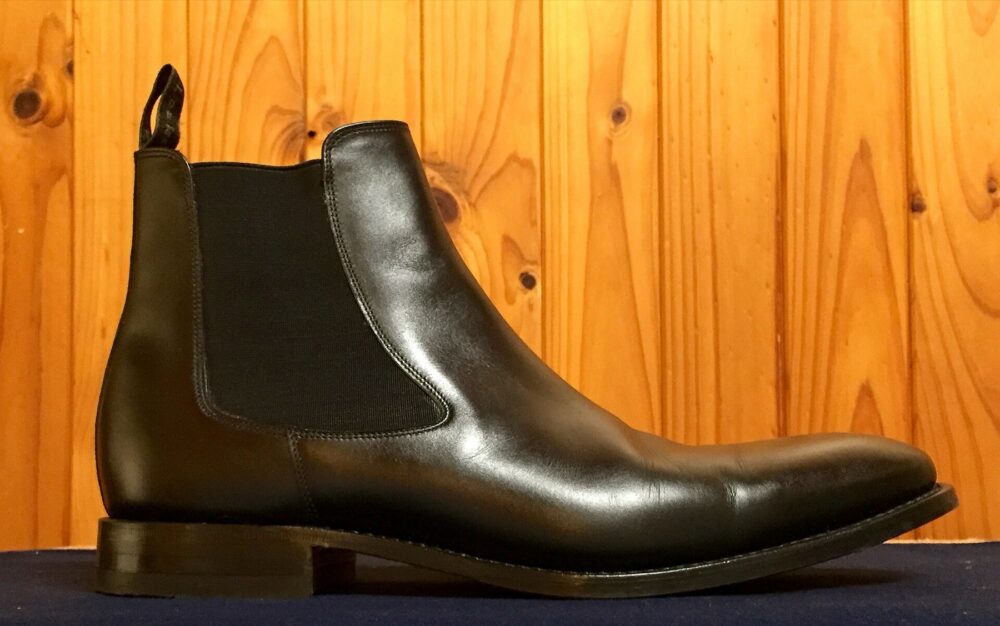
For barefoot Chelsea boots you can actually walk in all day, start by insisting on three things: a genuinely flat (zero‑drop) sole, a wide anatomical toe box, and a flexible construction. Then decide how much ground feel versus protection you want from the sole, choose uppers and linings that suit your climate, and check sizing charts based on foot length and width rather than traditional dress‑boot sizing. DHgate can be one of the marketplaces you compare alongside specialist barefoot brands and platforms like Etsy, but you’ll need to read listings carefully to confirm they really meet barefoot criteria.
What Counts as a Barefoot Chelsea Boot and Who They Suit
A barefoot Chelsea boot is basically the classic slip‑on Chelsea shape rebuilt with minimalist footwear principles. Guides from barefoot‑focused sites such as Barefoot Universe stress three non‑negotiables:
- Zero‑drop sole – heel and forefoot are at the same height.
- Anatomical, wide toe box – your toes can spread naturally, not taper into a point.
- Flexible sole and upper – you can bend and twist the boot easily by hand.
That gives you the dressed‑up look of a Chelsea with a feel much closer to being barefoot.
Barefoot Chelsea boots typically suit:
- People who spend many hours on their feet and want more natural movement than a standard heeled boot.
- Buyers transitioning from sneakers to smarter footwear but who don’t want stiff, narrow dress boots.
- Small ecommerce shops exploring minimalist footwear as an add‑on to lifestyle or outdoor ranges.
They are not a magic fix for foot pain, and they can feel odd if you’re used to heavy cushioning and heels. If you’ve never worn barefoot shoes, plan a gradual break‑in period and avoid jumping straight into full‑day city walking.
Key Barefoot Chelsea Boot Variations and How They Feel All Day
Within that barefoot definition, you’ll see meaningful variations that change how the boot feels over a long day.
Toe box shape: generous vs just‑wide‑enough
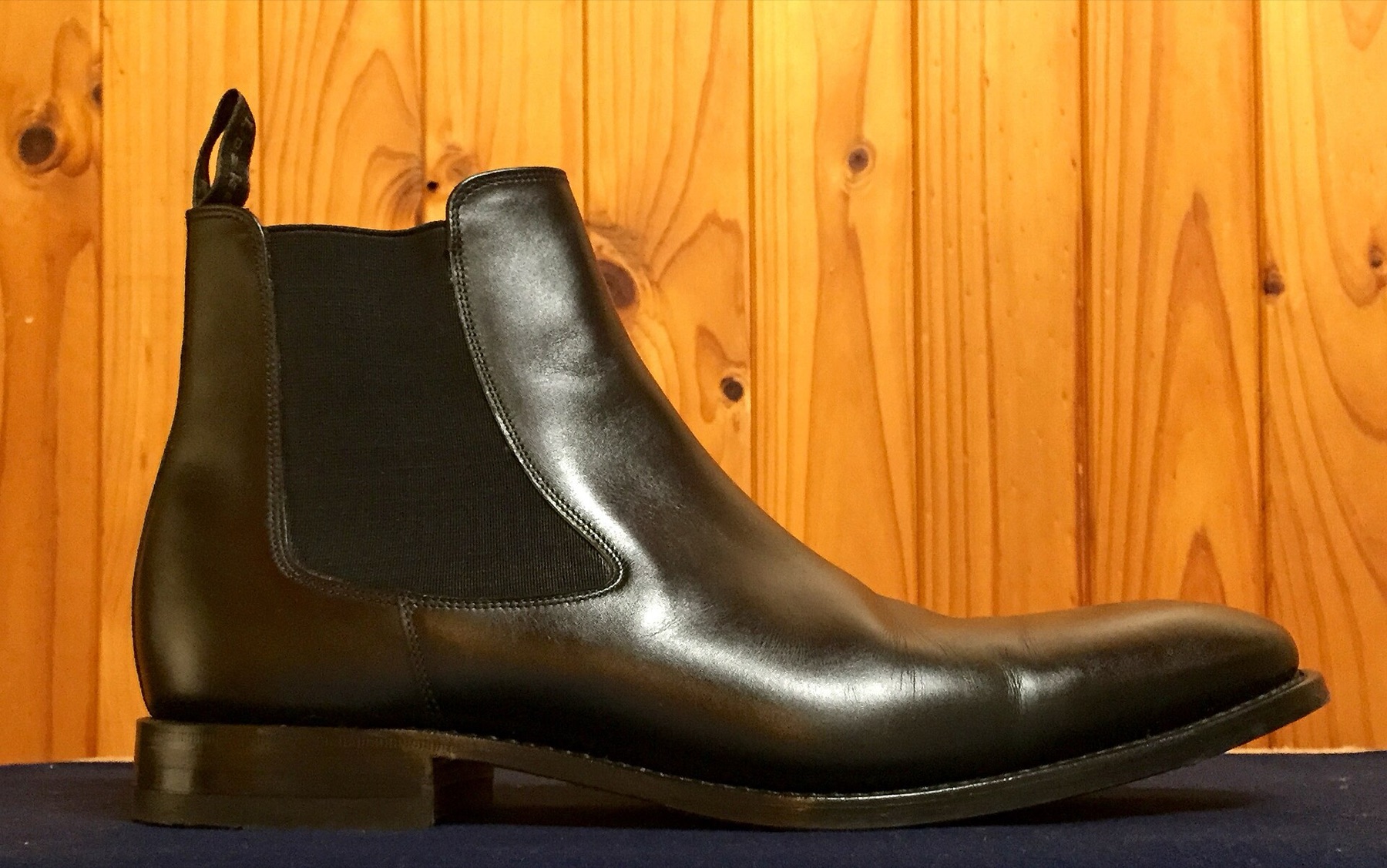
Specialist barefoot brands highlight an anatomical toe box – the widest point at the big‑toe joint, then following your actual toe line. Some fashion‑leaning “minimal” Chelseas are only slightly wider than regular boots.
For all‑day walking:
- Pick shapes that look almost a bit “duck‑footed” from above; they’re usually the ones that allow real toe splay.
- If you have wide or square forefeet, avoid aggressively tapered styles that merely market “wide fit.”
Looking at product photos from barefoot retailers like Bespoky Shoes, the true barefoot designs clearly show a rounded, full forefoot instead of the classic Chelsea almond.
Sole thickness and flexibility: ground feel vs protection
Barefoot Chelseas range from very thin soles (around a few millimetres of rubber or leather) to slightly thicker minimalist soles that add insulation.
Editorial guides emphasise that:
- Thinner, very flexible soles maximise ground feel and natural movement but can be fatiguing on hard pavements if you’re not used to them.
- Moderate‑thickness soles (still flat and flexible) trade some sensory feedback for more comfort on rough or hot ground.
Brands like Aintap offer barefoot Chelsea boots with, for example, a 6 mm rubber sole in some models, illustrating that modest thickness can still be marketed and used as barefoot while giving more protection than ultra‑thin leather soles.
Upper materials: leather vs suede vs synthetics
As Bespoky Shoes and similar retailers show, barefoot Chelseas come in:
- Smooth calf leather – more formal, generally more durable, better at shedding light rain.
- Suede or nubuck – softer flex and a casual look, but can show wear faster and need more care.
- Occasional textile or mixed uppers – lighter and more breathable; good for mild Australian climates.
The trade‑off is simple: tougher, more structured leather versus slightly softer step‑in comfort and texture from suede. For long walking, prioritize how easily the upper flexes over your instep rather than just appearance.
Lining and in‑boot climate
Lining options matter if you’re in Sydney summer heat versus a cooler Melbourne winter:
- Unlined or thinly lined leather keeps the profile slim; fine for mild days but can feel clammy if you sweat.
- Textile or wool linings add softness and warmth – good for cooler months or indoor work in air‑conditioned spaces.
If you plan to offer these in a small Australian shop, consider carrying a warm‑lined option and a lighter, more breathable one to cover both ends of the season.
Buying Barefoot Chelsea Boots: Fit Checks, Listing Details, and DHgate vs Alternatives
Once you know your preferred feel, you’re choosing between niches and big marketplaces – and that affects how much work you need to do on each listing.
Quick fit checklist before you buy
Specialist barefoot retailers and editors consistently recommend measuring your feet and prioritising toe room over your usual boot size. A practical mini‑checklist:
- Measure foot length and width standing on paper at the end of the day; mark heel and longest toe, then measure in millimetres.
- Compare to each brand’s size chart – barefoot brands often list internal length and sometimes width ranges.
- Aim for 10-12 mm of extra length in the boot for toe splay and swelling.
- Check photos of the toe box straight from above; if the outline cuts inward at the small toe, it’s probably too tapered.
- Look for product copy explicitly mentioning zero‑drop, wide toe box, and flexibility – those phrases are common on sites like Barefoot Universe.
If a listing uses generic fashion language (“sleek silhouette,” “elegant pointed toe”) without technical barefoot terms, treat it as a regular Chelsea even if the sole looks flat.
What listing details matter most
Because barefoot design lives in small details, focus on:
- Sole specs – material, thickness, whether it’s marketed as zero‑drop.
- Toe box description/imagery – any mention of anatomical shape, wide forefoot, or foot‑shaped design.
- Flexibility claims – photos of the boot bent, or wording about natural movement.
- Materials and lining – leather type, suede vs smooth, textile lining for breathability.
Here’s a simple comparison of how these details typically show up across different channels:
| Channel / listing type | Barefoot criteria spelled out? | Sizing detail level | Typical use case for buyers/resellers |
|---|---|---|---|
| Specialist barefoot brands (e.g., Barefoot Universe, Bespoky) | Very explicit: zero‑drop, toe box, sole thickness, flexibility | Often millimetre‑based, with foot length guidance | Best for buyers who want guaranteed barefoot design and clear fit info |
| Craft / niche marketplaces (e.g., Etsy search for barefoot Chelsea boots) | Mixed: some makers give full barefoot specs, others are vague | Varies; many use standard EU/US sizes but may add foot length | Good for unique or handmade styles; requires more listing vetting |
| Large general marketplaces | Often general fashion descriptions; barefoot features may or may not be detailed | Usually standard size runs; detailed foot measurements are less common | Useful for price‑sensitive buyers or resellers, but you must verify that a “flat boot” is truly barefoot |
This is editorial judgment based on current examples like Etsy’s barefoot Chelsea boot category and mainstream boot listings.
Where DHgate fits compared with other options
DHgate’s own boot‑focused editorial describes the platform as a diverse marketplace with many boot styles, competitive pricing, global reach, and item‑level reviews for winter and high boots. That can be attractive if you’re:
- A budget‑conscious buyer trying to find a minimalist‑looking Chelsea that’s cheaper than specialist barefoot brands.
- A small ecommerce business experimenting with lower‑cost, fashion‑leaning minimal boots to test demand before investing in premium barefoot labels.
But DHgate is not a dedicated barefoot footwear hub. Many listings emphasize style and price rather than zero‑drop or anatomical toe boxes, so you should:
- Treat any “flat Chelsea boot” as non‑barefoot by default unless the listing explicitly describes barefoot features.
- Use close‑up photos to judge toe shape and flex, and scan reviews for comments on stiffness or narrowness.
- If a seller doesn’t provide internal length/width measurements, assume sizing will feel like regular fashion boots.
For anyone who already knows they need strict barefoot specs and reliable sizing, specialist brands and some high‑detail Etsy makers will generally provide clearer information than a mass marketplace listing. DHgate makes more sense for fashion‑forward, price‑driven experiments where you’re prepared to weed out non‑barefoot options yourself.
Scenario snapshots: casual wearer vs ecommerce reseller
If you’re a casual wearer in Australia who wants one pair for commuting and weekends:
- Start with a specialist barefoot brand to lock in true barefoot fit and then, if you like the feel, you can hunt for more budget‑friendly or style‑driven options on larger marketplaces.
- Prioritize ground feel and toe room over sharp silhouettes; you’ll notice the difference on long CBD walks.
If you’re a small ecommerce reseller:
- Use barefoot‑specific brands or makers as your benchmark for toe box shape, sole spec, and description detail.
- When you browse DHgate or similar platforms, only consider boots whose listings you can clearly position as “minimalist” or “barefoot‑style,” and expect some trial‑and‑error with samples.
In both cases, the best decision is the one that matches your feet, your walking pattern, and how much product‑research time you’re willing to spend per listing.
Sources
For additional DHgate platform context, use What DHgate is and how the marketplace works, Find trusted sellers on DHgate, and Review the DHgate order-readiness checklist.
- Barefoot Chelsea boot feature and sizing guidance: Barefoot Universe
- Material and sole trade‑offs for barefoot Chelseas: Bespoky Shoes editorial on barefoot Chelsea boots
- Marketplace channel example for handmade barefoot Chelseas: Etsy search page for barefoot Chelsea boots
- DHgate boot marketplace context: brand editorial blog on winter/high boots (Affordable high‑quality boots, DHgate) at DHgate blog