If you’re choosing a clawfoot oak table, start by deciding whether you truly need an antique or mainly want the clawfoot look. Real antiques are usually 100+ years old, built with solid oak and hand-cut joints, and show era-specific carving and wear. Reproduction tables (including most clawfoot-style options on marketplaces like DHgate) offer a similar silhouette in new materials but usually don’t carry documented provenance. That choice—history vs look and budget—should come before you compare leg styles, leaves, and size.
Once you know which side you’re on, you can narrow to formats that fit your home or resale niche: round pedestal dining tables, drop-leaf kitchen tables, or extension tables with leaves. Curated antique platforms and local dealers are where you’re more likely to find authenticated clawfoot oak pieces, while cross-border marketplaces are better for new clawfoot-style furniture or parts.
What Counts as an Antique Clawfoot Oak Table and Who It Suits
An antique clawfoot oak table is typically a late‑19th or early‑20th century piece with solid oak construction and legs carved as animal or ball-and-claw feet. Identification guides highlight three big signals:
- Construction methods. Authentic antiques often use hand-cut joinery such as mortise-and-tenon connections and dovetailed rails, rather than visible metal brackets or mass-produced fasteners. You’ll also see solid boards rather than veneered particleboard, and an overall feel of weight and density.
- Carving and motifs. Claw feet may resemble animal paws clutching a ball or a more stylized talon, and carving depth and irregularities suggest hand-work rather than uniform machine production.Antique tables specialists emphasize leg form as a key style clue.
- Wear and finish. Honest age shows as softened edges, finish variation around handles and chair contact points, and occasional shrinkage cracks that align with the grain.
These tables make sense for:
- Collectors and design-forward homeowners who care about original period work, want a focal piece, and are comfortable living with some patina and quirks.
- Small ecommerce sellers focusing on vintage and farmhouse decor, where a genuine antique can anchor a higher-priced “hero” listing.
If you mainly need durability, predictable dimensions, or a uniform finish for staging rentals or flipping inventory, a clawfoot-style reproduction is often more practical. You’ll get the silhouette, typically lighter weight, and less worry about historic finishes, even if the table isn’t a documented antique.
Quick authenticity note: valuation guides stress wood species (oak vs softer woods), leg design, leaves, and condition rather than any single age claim.Appraisals of clawfoot tables rely on the whole picture, not just a seller’s description.
Key Style, Size, and Construction Choices When Comparing Table Options
For both antiques and reproductions, the way the table is built will dictate how well it works in real life.
Base type and room fit
- Round pedestal clawfoot tables: A single central column ending in 3-4 claw feet. Common as antique dining tables on curated sites like Chairish and 1stDibs. Good for seating flexibility in modest dining rooms.
- Trestle or four-leg designs: Legs at the corners or connected by stretchers. Often more stable for long rectangular tops and heavy daily use.
Top shape and leaves
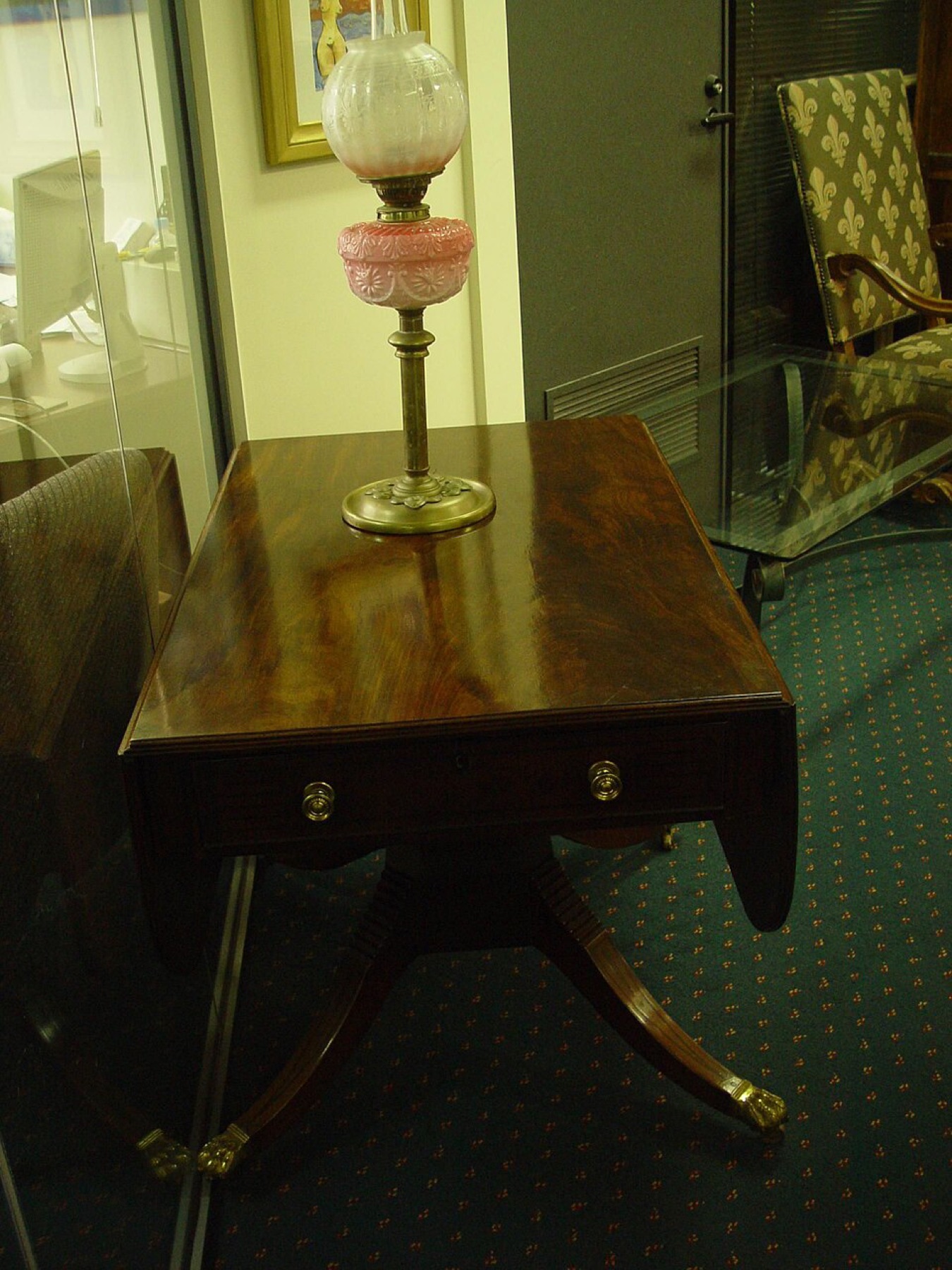
Examples across antique listings show a few recurring patterns:Chairish’s antique clawfoot oak table example is typical.
- Round extension tables with center leaves: Compact most of the time, but the pedestal base can support extra leaves for gatherings.
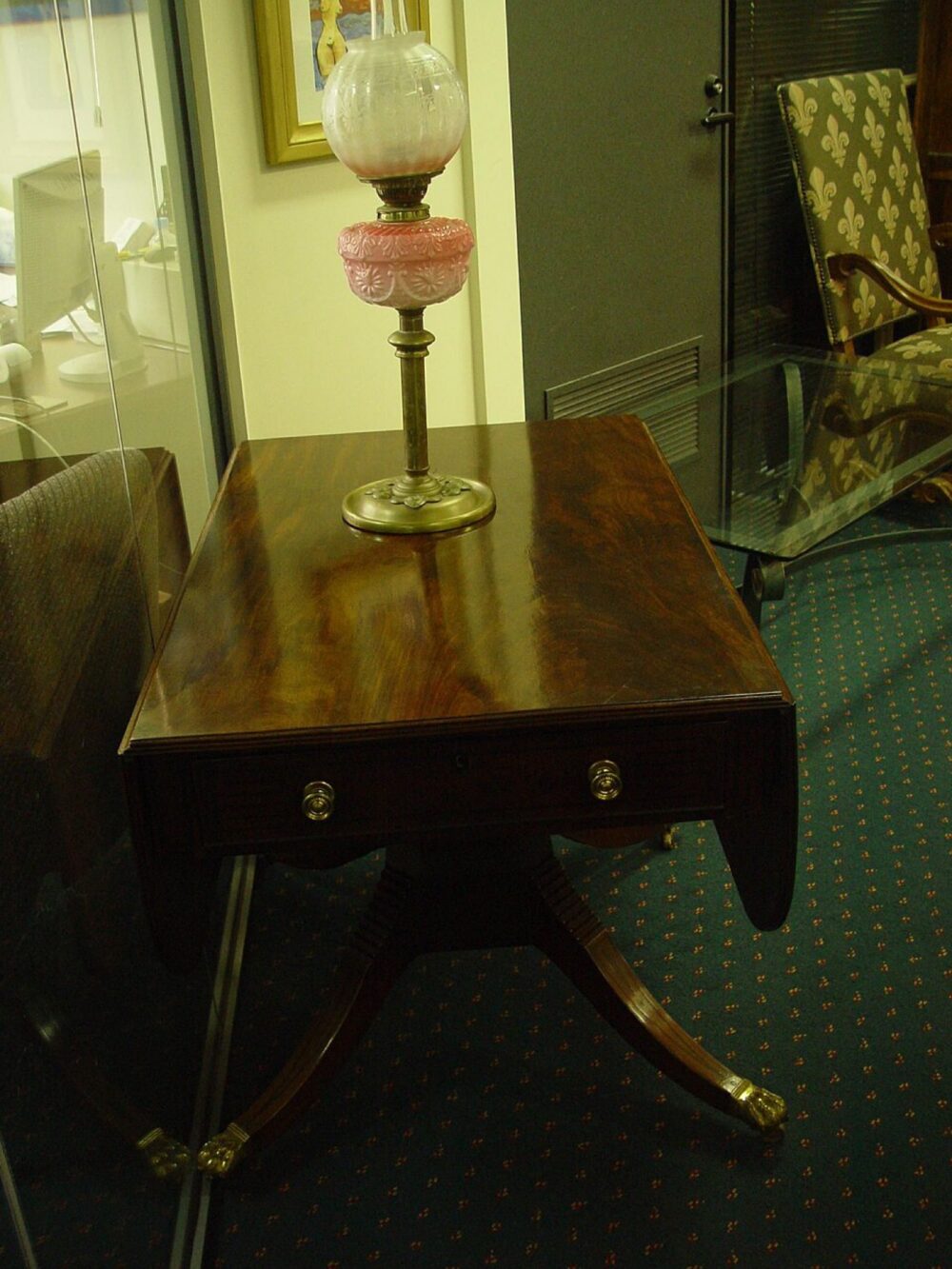
- Drop-leaf kitchen tables: Two hinged leaves that fold down, ideal for small apartments or breakfast nooks. Antique clawfoot drop-leaf tables appear frequently on Etsy and local classifieds.
- Fixed tops: No leaves; simpler mechanics and fewer moving parts to maintain.
If you’re furnishing a tight urban kitchen, a clawfoot drop-leaf table can deliver antique character without permanently consuming floor space. For a reseller, extension tables broaden your buyer pool because they work in both small and large rooms.
Construction signals that affect usability and authenticity
Antique furniture construction guides point out several practical details:Campbell Vintage’s overview is a good reference.
- Joints and supports: Look underneath. On older tables you’ll often see wooden pegs, mortise-and-tenon joints, and heavy stretchers; on newer reproductions, you’re more likely to see uniform machine screws, brackets, and composite blocks.
- Top material: Solid oak tops feel cooler and denser, and grain continues through the thickness of the edge. Veneered tops may show a different material on the underside or at chips.
- Finish and repairs: An original or sympathetically restored finish will show age; a thick, glassy polyurethane coat is more typical of recent refinish work or new manufacture.
For daily use, don’t romanticize construction: an antique with tired joints can wobble, while a well-made modern reproduction can be mechanically solid. Instead, use construction details as signals—solid oak and traditional joints suggest authenticity, while modern hardware points toward reproduction or heavy restoration.
Mini in-person inspection checklist for antiques
If you get to see the table before paying:
- Run your hand along the apron and legs to feel for crisp vs softened carving; overly sharp, perfectly identical claws can indicate recent machine carving.
- Check under the top for mixed materials, obvious replacement screws, or newly added support rails.
- Test the leaves or drop mechanisms several times to see if they slide smoothly and sit level with the main top.
- Look for structural cracks across joints rather than along the grain; joint failures are harder to fix than surface checking.
Antique vs Reproduction: Where DHgate and Other Marketplaces Fit
Once you know the format and construction you want, you can match that to sourcing channels.
Where true antiques typically surface
Curated platforms like Etsy’s vintage section, Chairish, and 1stDibs regularly feature round pedestal clawfoot oak tables, drop-leaf variants, and large extension tables. Listings often highlight wood species, leg style, leaf configuration, and condition, plus some narrative about origin or prior ownership. That’s useful if you’re:
- Building a collection with documented age and style.
- Reselling into a vintage/farmhouse audience that expects genuine antiques.
Local antique dealers and estate auctions add the benefit of in-person inspection using the checklist above.
Where DHgate fits into clawfoot-style options
DHgate presents itself editorially as a budget-friendly marketplace with a wide range of new furniture—tables, chairs, beds—plus filters for style, price, and customization.Its furniture shopping guide notes that buyers can sort by furniture style, used/new status, and even request bespoke dimensions from some sellers.
That makes DHgate more relevant for:
- Clawfoot-style new tables: Oak or oak-look pieces with claw or ornate legs but without antique claims.
- Parts and decor: Carved legs, hardware, or accessories to refresh an existing table or stage a space.
- Budget-conscious projects where look and size matter more than provenance.
If you decide to explore DHgate for clawfoot-style oak furniture instead of true antiques, treat it like any broad marketplace:
- Use style and material filters to zero in on clawfoot or carved-leg tables that match your target dimensions.
- Read listing descriptions carefully for materials (solid wood vs MDF, veneer, metal), hardware type, and assembly requirements.
- Apply general marketplace due diligence before checkout; DHgateWiki has step-by-step guides on how DHgate works and how to evaluate sellers, such as What DHgate is and how the marketplace works, Find trusted sellers on DHgate, and the DHgate order-readiness checklist.
Here’s a compact way to think about your options:
| Option type | Best source types | Suits buyers who… |
|---|---|---|
| Documented antique clawfoot oak table | Local antique dealers, Etsy, Chairish, 1stDibs | Want age, craftsmanship, and resale or heirloom value |
| Lightly restored antique | Curated marketplaces, restoration shops | Like antique character but prefer improved usability |
| New clawfoot-style oak table | DHgate and other large furniture marketplaces | Prioritize look, budget, and custom sizing |
| Hybrid (old base, new top/finish) | Small makers, refurbishers, DIY builds | Need sturdy daily use with some antique flair |