
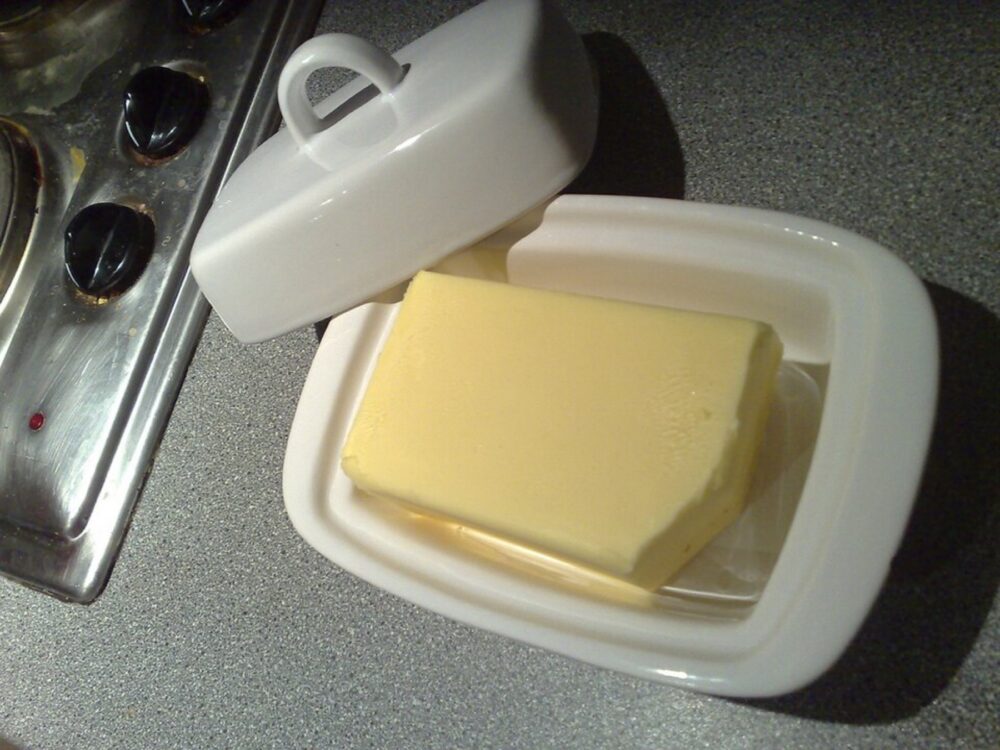
If you’re choosing an amber glass butter dish, start by deciding how much butter you actually keep out, then match that to a style and sourcing channel. Single-stick dishes work for most U.S. kitchens; larger double-stick or portioning designs suit heavy bakers or hosts. Vintage amber and carnival glass pieces are far more likely on sites like Etsy, while modern ribbed or minimalist amber dishes come from mass retailers, fast-fashion platforms, and cross‑border marketplaces such as DHgate, which are better for new, non-collectible stock than one‑off antiques.
What Amber Glass Butter Dishes Are and Who They Suit
An amber glass butter dish is simply a covered butter keeper made from warm brown‑gold glass, usually with a base tray and a matching lid. Glass is a common butter dish material because it’s visually appealing and lets you see how much butter is left without lifting the lid; many buying guides highlight glass alongside ceramic and plastic as popular options for everyday use.
For home buyers, amber glass is mainly about aesthetics: it adds a vintage, boho, or mid‑century feel to the counter while keeping butter covered and spreadable. For small ecommerce sellers, it’s a niche decor category that can target customers who like “old‑world” or retro kitchenware—either with true vintage pieces or with modern designs that mimic that look.
Amber dishes also bridge functional and decorative use. A smooth, low‑profile amber dish works like any standard butter keeper. More ornate designs, especially carnival glass or cut patterns, can double as table decor for brunches and holiday spreads.
Key Styles, Sizes, and Features to Compare
Amber glass butter dishes fall into a few clear style and spec buckets. Comparing these will tell you if a listing fits your kitchen or your product lineup.
Styles: Vintage vs Modern Amber
Retail listings show three big aesthetic directions:
- Ribbed boho amber – Think of the IBSPOT amber ribbed dish: vertical ribs, rounded corners, and a lid that feels retro but is clearly new production. Often marketed as “boho” or “vintage‑inspired.”
- Smooth minimalist amber – Clear, flat sides, often rectangular with a simple knob or handle. These pair well with contemporary kitchens and focus on the amber tint rather than heavy decoration.
- Decorative carnival glass and true vintage – Listings on Etsy show iridescent amber carnival glass and older patterns originally produced by brands like Tiara or Indiana Glass. These are sold as vintage, sometimes with elaborate pressed motifs.
Modern amber dishes tend to be standardized in shape and easier to buy in multiples for resale. True vintage pieces are more unique, with small variations, and usually appear as single listings.
Size and Capacity: Single vs Double Stick
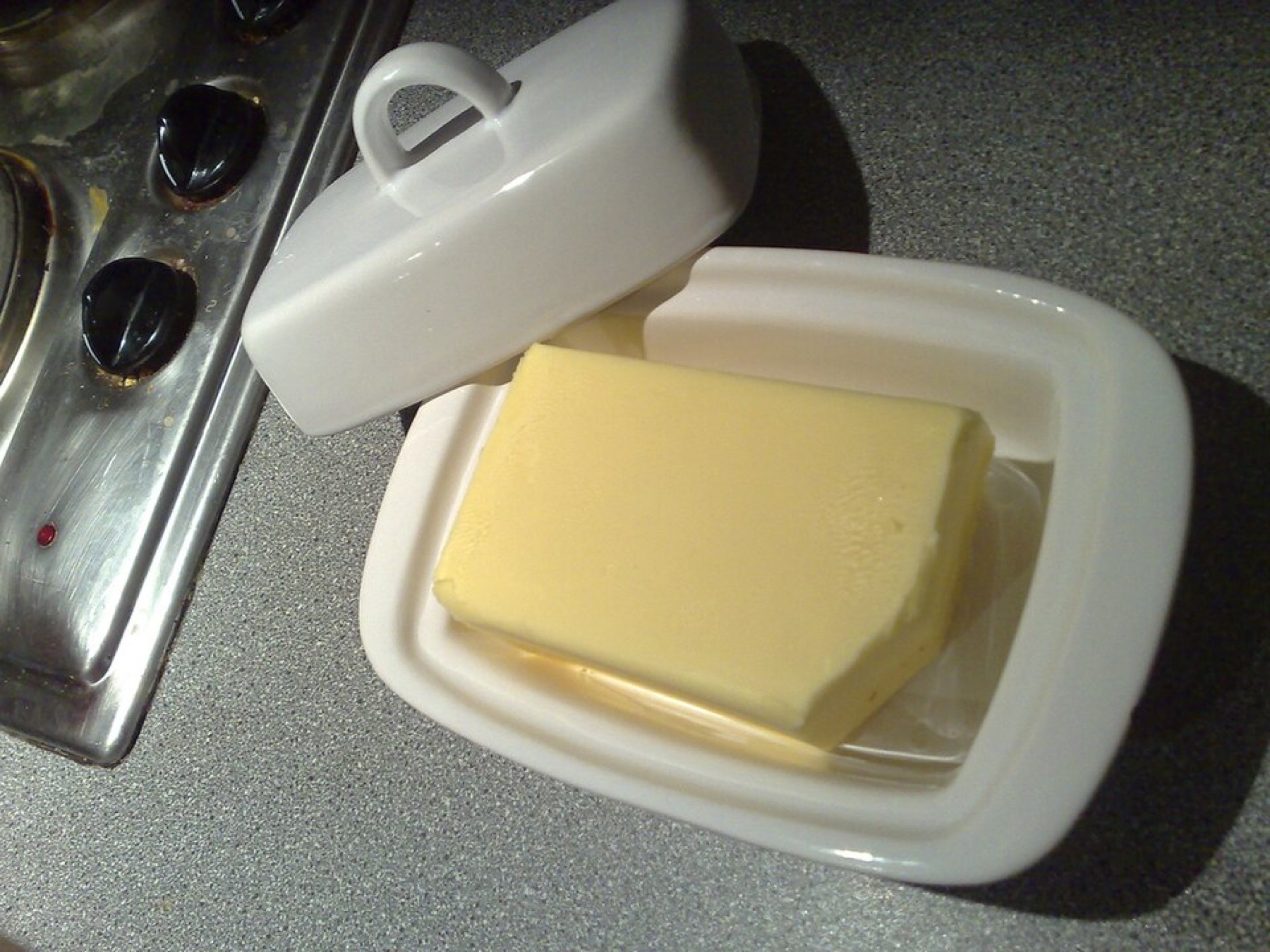
Most guides distinguish between butter dishes sized for a standard U.S. stick and larger designs. A typical single‑stick dish has a footprint just big enough for one stick laid horizontally. Larger dishes either:
- Hold two sticks side by side, like the amber ribbed example that “fits 2 sticks,” or
- Offer extra room for a block of European‑style butter or portioned pats.
Here’s how capacity lines up with real use cases:
| Butter capacity type | Typical footprint & shape | Best for home use | Best for resale inventory |
|---|---|---|---|
| Single standard stick | Compact rectangle, low lid | Everyday family use; limited counter space | Broad appeal, easier to ship and stock |
| Double‑stick (2 standard) | Wider base, taller lid | Heavy butter users, frequent bakers | Upsell as “large” or “entertaining” size |
| Portioning/extra‑room dish | Similar base, but more interior air space | Soft‑spread butter or European blocks | Niche listings with spec‑focused shoppers |
For U.S. buyers, single‑stick size is usually the safest bet unless your household goes through butter quickly or you host often.
Functional Features: Lid, Knob, and Cleaning
Beyond looks and capacity, quality butter dish comparisons highlight three practical checks:
- Lid security – You want a lid that sits snugly on the base so it doesn’t slide if the dish is bumped. Some glass dishes rely on weight and fit; others use a deeper lip to keep the lid anchored.
- Knob or handle design – Ball knobs, loops, or sculpted handles are common. A ball knob, as seen on Shein‑style amber listings, is easy to grip but takes vertical space; lower handles are better if your dish lives in a crowded fridge shelf.
- Ease of cleaning – Smooth glass walls are simpler to wipe down. Deep ribs or intricate carnival patterns trap butter and require more scrubbing. If you’re planning to resell, simpler shapes may reduce customer complaints about cleaning.
If you’re sourcing for ecommerce, it’s worth checking listing photos closely for interior corners and seams; these show how easy the dish will be to keep hygienic.
Buying Factors and Where DHgate Fits Among Sourcing Channels
Vintage authenticity vs new-production glass
On Etsy, you’ll see many amber glass butter dishes described as “vintage” or “carnival glass,” often with specific maker names or era notes. These are aimed at collectors or decor‑focused buyers who want character and don’t mind minor wear.
By contrast, mass retailers and fast‑fashion sites (Walmart’s marketplace, Shein, etc.) lean heavily toward new‑production amber glass: clear photos, repeated SKUs, and often generic brand names. Their amber dishes mostly fall into ribbed boho or smooth minimalist styles rather than one‑off antiques.
For U.S. home buyers:
- Choose Etsy or similar vintage‑oriented platforms if you care most about uniqueness and age.
- Choose new‑stock retailers if you want a simple, inexpensive amber dish and don’t need history attached to it.
Cross-border sourcing and DHgate’s role
Cross‑border marketplaces like DHgate typically focus on factory‑made, bulk‑friendly homeware, including modern glassware. That makes them relevant if:
- You’re a small ecommerce business wanting repeatable amber glass inventory with similar specs across units.
- You’re comfortable sampling a design, then ordering in volume once it matches your size and style requirements.
However, DHgate is not structured around one‑off vintage finds. If your goal is true antique or carnival glass with verifiable age, platforms that specialize in individual vintage listings (Etsy, eBay, curated shops) are usually a better match.
Because DHgate policy details aren’t covered in this article, treat it like any large marketplace: look closely at individual sellers’ product photos and descriptions, ask questions about capacity (single vs double stick), and confirm whether the amber tone and ribbing match what your audience expects. For a deeper explanation of how DHgate works in general, you can read What DHgate is and how the marketplace works.
Matching your use case to a sourcing channel
For home use:
- Want a decorative conversation piece? Prioritize carnival or pressed‑pattern amber on vintage‑leaning sites.
- Want a reliable counter dish that fits current decor? A new ribbed or smooth amber dish from a mass retailer or cross‑border marketplace will be easier to replace if broken.
For small ecommerce resale:
- Building a boho or modern kitchenware line: focus on new‑production amber dishes with clear size specs and consistent shapes, from bulk‑friendly marketplaces and wholesalers.
- Building a vintage or thrift‑style catalog: source distinctive amber and carnival glass from vintage marketplaces, estate sales, and local thrift shops; each listing becomes its own SKU.
For additional DHgate platform context, use Find trusted sellers on DHgate, and Review the DHgate order-readiness checklist.
In short, decide first whether you’re buying an everyday tool or a character piece. Then pick the capacity and style, and only then choose between vintage platforms and cross‑border sites like DHgate based on whether you need uniqueness or scalable stock.