
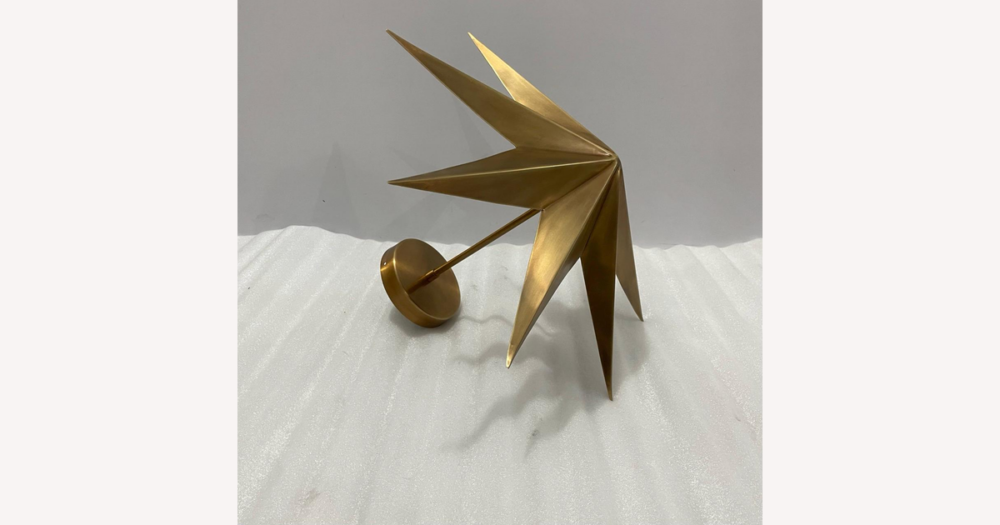
If you’re browsing DHgate for an affordable starburst wall sconce, the hardest part is knowing which listings are actually a good fit for your wall, wiring, and budget without anyone pointing to a single “best” product. This guide walks you through the style cues, materials, dimensions, bulb and wiring details, and DHgate‑specific seller protections that matter most, so you can turn a vague idea into a clear checklist and feel more confident judging options on your own.
What this guide can (and can’t) do for your starburst sconce search
On DHgate you won’t see me point to one “best” starburst wall sconce or drop direct product links, because site policy doesn’t allow recommending specific listings or guaranteeing how any single order will turn out. Instead, this guide shows you how to judge any starburst-style sconce you find on DHgate (or similar marketplaces) using the details that actually matter: size, wiring, materials and finish, bulb type, and basic seller signals.
If you’re starting from a vague idea like “an affordable starburst sconce for my hallway,” the goal here is to help you turn that into a clear checklist—what the fixture should look like, roughly how large it can be, how far it should project from the wall, whether it needs to be hardwired or plug‑in, which bulbs it uses, and what kind of seller history and policies make you more comfortable placing an order.
I care more about helping you get a sconce that fits your wall, works safely with your home’s wiring and bulbs, and doesn’t feel flimsy up close than about chasing the absolute lowest price. In practice, that usually means being willing to pay a bit more for solid materials, clear wiring descriptions, and decent seller feedback, and only cutting corners on things like ray density or extra decorative flourishes when you truly need to keep costs down.
Recognize starburst sconces and choose a style that fits your wall
A true starburst wall sconce starts with a central hub—often a small round or polygonal base—and sends rods or rays outwards so the whole fixture looks like a stylized sun or star. Most designs use metal for the rays and body, and many borrow from mid‑century modern lighting, with slim arms and a mix of matte or brushed finishes. Sellers might call these pieces “starburst,” “sunburst,” or simply “star” sconces, but the defining feature is that radiating structure rather than a plain plate or single arm.
These fixtures are usually decorative accent lighting rather than the main source of light for a room. You’ll often see them in living rooms, hallways, entryways, or above consoles, credenzas, and fireplaces, where the burst shape becomes a focal point. Some versions soften the look with rounded ray tips, mixed metal finishes, or small decorative caps on the ends of the rods; others keep the arms straight and sharp for a more graphic, modern feel. As long as the design has that central hub with rays spreading outward, you’re looking at a starburst‑style sconce rather than an ordinary wall light.
- Minimal vs. dense rays: Sparse bursts with fewer, slightly thicker arms feel cleaner and less busy, and they typically use less material, which can help keep the price down and make them easier to place on smaller walls. Dense bursts with many thin rays create a dramatic, spiky look that stands out as wall art, but they usually need more wall space, can look cluttered in tight hallways, and may sit in a higher price band because of the extra complexity.
- Single‑light vs. multi‑light designs: A single central light or a small number of bulbs keeps the fixture simpler and is often more affordable, but it also produces softer, more focused light—good for mood and accent lighting. Multi‑light arms or several sockets around the burst increase brightness and can better light a larger area, yet they add cost, visual busyness, and more decisions about bulb type and wattage.
- Vertical bar vs. round burst layouts: Tall, vertically oriented designs work well between doorways, along narrow columns of wall, or in hallways where you don’t have much width; they read like a stylized torch or spine of rays. Round or nearly circular bursts feel more like a sun or star and suit focal placements over sofas, consoles, or fireplaces, where you have enough width for the rays to spread out without crowding nearby decor.
- For a tight budget and easier placement, it’s usually wiser to start with a simpler shape—moderate ray density, a single light, and either a compact round burst or a slim vertical form that clearly fits your wall—before moving up to large, dense, multi‑light statement pieces that demand more space and money.
Pick materials and finishes that look rich without blowing your budget
Most affordable starburst wall sconces you’ll see on DHgate use plated steel or other base metals dressed in a brass, gold, or black finish. You’ll also find painted metal, lighter aluminum, occasional resin elements, and the odd mixed‑metal design where the rays and backplate use different tones. Solid brass is less common in budget listings because it costs more and weighs more, but when it appears it usually signals a higher price band and a more substantial feel.
Solid brass tends to feel denser in the hand, and over time it can develop a patina that suits vintage or mid‑century interiors. By contrast, brass- or gold‑colored finishes over steel or another base metal can still look convincing if the plating is even and the color isn’t too orange or yellow, but poor finishing can show seams, thin spots, or chipping at edges and screw holes. Painted finishes—especially matte black or white—can be a smart budget choice as long as the paint looks smooth and consistent rather than streaky or overly glossy.
Because many budget starburst designs use thinner‑gauge metal for the rays, those rods may flex a bit if you bump them. For a decorative sconce tucked above a console or in a rarely used guest room, that light flex is mostly a cosmetic issue and may be an acceptable tradeoff for a lower price. In busy hallways, near doors, or anywhere kids might brush past, I’d prefer sturdier construction and shorter rays so the fixture is less likely to bend or feel fragile.
I’d reserve heavier metals and more refined finishes for eye‑level placements in main rooms where people will see and touch the sconce up close—living room feature walls, entries, or over a fireplace. For secondary spaces, temporary staging, or a quick refresh, I’m more comfortable choosing lighter construction, painted metal, or mixed‑metal designs as long as the overall look works with the room. Whatever your budget, it’s worth zooming in on listing photos to inspect welds, where rays meet the hub, and the sheen of the finish; clean joints and an even surface usually signal a nicer piece than fuzzy welds and patchy color, even when the materials are similar on paper.
Check the key specs so your sconce fits and lights the space properly
- Overall height and width: Note the full dimensions of the starburst, not just the backplate, and compare them to your wall so the rays don’t crowd ceilings, trim, artwork, or nearby furniture. On DHgate listings, check any dimension diagram carefully and sketch the outline on your wall with painter’s tape if you’re unsure.
- Projection from the wall: Look for how far the fixture sticks out, including bulbs. In narrow hallways, near doors, or beside stairways, a deep projection can feel intrusive or become a bump hazard, so favor slimmer profiles where space is tight.
- Weight: Use the listed weight to gauge how demanding the installation might be. Heavier, mostly metal sconces put more load on the junction box and anchors, while ultra‑light fixtures may signal thinner materials. If a design seems heavy for your wall type, plan on sturdier anchors or professional installation.
- Bulb base and number of bulbs: Confirm the bulb base (commonly E12 candelabra or E26 medium for wall sconces) so it matches bulbs you can easily buy, and count how many sockets the fixture has. More bulbs usually mean more light and more bulb cost, so factor both into your budget.
- Maximum wattage and total output: Check the maximum wattage per bulb and multiply by the number of sockets to estimate brightness. Many decorative sconces cap each socket around 40W equivalent; for mood lighting that may be enough, but for functional light you might want higher‑output or higher‑efficiency bulbs within the fixture’s stated limits.
- Voltage and region: Verify that the listing specifies voltage compatible with US homes—typically 110–120V. If the description only mentions higher international voltages without a range, treat the listing cautiously unless it clearly supports your region.
- Included bulbs and features: Note whether bulbs are included and, if so, what type they are. Even if bulbs come in the box, you may want to replace them with dimmable options or warmer color temperatures for softer, decorative light, as long as both the fixture and your bulbs are rated for dimming.
- Measure your wall first: Before you browse too far, measure the actual wall area, ceiling height, and clearances around doors or furniture, then keep those numbers next to you while reading DHgate specs. Many affordable sconces look larger or more dramatic in photos than they are in real life; dimensions are the reliable way to avoid surprises.
Match wiring and installation to your home and comfort level
Wiring style is one of the biggest practical differences between starburst sconces on DHgate. A hardwired sconce connects directly to an electrical box inside the wall and is usually meant to replace an existing fixture; the wires from the light tie into household wiring behind a backplate so no cord shows. A plug‑in sconce, by contrast, has a visible cord that runs down the wall and plugs into a standard outlet, which can be easier to add where no junction box exists but gives a more casual look.
Many starburst designs are hardwired only, especially those with larger metal backplates and multiple arms. If you don’t already have a wall junction box in the spot you’re considering, or you’re not comfortable turning off power and handling electrical connections, it’s safer to either choose a plug‑in style where the listing clearly says so or budget for a licensed electrician to install a hardwired model.
Listing descriptions and photos usually mention key mounting components such as a backplate, mounting bracket, screws, and sometimes wire connectors. Before you order, check that a mounting plate or bracket is included and that the description doesn’t assume you already have special hardware. If a sconce looks heavy or has long rays that project far from the wall, that’s another sign you’ll want secure mounting and possibly professional help so everything stays solid and level.
This guide isn’t an installation manual, and electrical work has to follow local codes and safety requirements. If you’re unsure how to connect wires safely, aren’t certain whether your wall box is suitable, or plan to add new wiring where none exists, hiring a licensed electrician is the more cautious choice.
When you read DHgate listings, scan both the text and photos for wiring diagrams or phrases like “hardwired only,” “requires junction box,” or “plug‑in with cord.” Be wary of vague or inconsistent wiring and mounting descriptions, especially if you aren’t confident troubleshooting on your own; it’s better to pick a listing with clear instructions and components than to gamble on a cheap starburst sconce you’re not sure how to install.
Follow a budget-first sequence for choosing a starburst sconce on DHgate
- Set a realistic budget per fixture, including the cost of bulbs and any electrician or installation help you might need, so you’re comparing listings on a true total cost rather than headline price alone.
- Choose a preferred finish and general ray density that suit your room’s style—for example, a simple black or brushed brass starburst with fewer rays for a minimalist space, or a denser, more dramatic design for a feature wall—and decide where you can simplify the design to save money.
- Shortlist only DHgate listings that match those style and finish preferences, then immediately compare their height, width, and projection against your wall measurements to rule out pieces that would overwhelm the space or stick out too far.
- Confirm bulb base type, maximum wattage, number of bulbs, and whether bulbs are included, and factor the price of buying compatible bulbs into your overall budget so a seemingly cheap fixture doesn’t become expensive once it’s fully lit.
- Check the wiring description and mounting style to make sure the sconce suits your home setup and your comfort level with installation, choosing plug‑in or planning for an electrician if the fixture is hardwired and your skills are limited.
- Review seller feedback, buyer photos, and DHgate buyer protection cues such as ratings, order history, and stated shipping expectations before placing an order, and if two listings seem similar, let clearer wiring details and better evidence of reliability outweigh a small price difference.
Avoid common pitfalls with cheap starburst sconces
- Check the actual height, width, and projection in the listing instead of judging by photos alone, especially when the sconce is shown without anything for scale.
- Look closely at close‑up photos of the rays and edges; very thin rods, rough welds, or sharp tips can bend easily or feel hazardous in hallways and other high‑traffic spots.
- Study the bulb and wattage details so you can anticipate brightness: many clear, high‑wattage bulbs can create harsh glare, while strict low‑watt limits or a single low‑output bulb may leave the sconce dimmer than you expect.
- Slow down when descriptions are very short or vague about materials, dimensions, or wiring, or when return and refund terms mention high return shipping, restocking fees, or other restrictions in fine print.
- Read buyer reviews that mention weight, build quality, packaging, and how closely the sconce matches the photos, and treat listings with few photos, recycled stock images, or inconsistent details as higher risk.
- When a price looks far lower than similar DHgate listings, factor in the hassle and potential cost of returns or disputes before ordering instead of assuming the cheapest option will still feel like a bargain.
Use DHgate buyer protections and seller cues to reduce risk
DHgate typically shows marketplace signals such as seller ratings and feedback scores, how many orders a seller or item has completed, customer reviews with photos, estimated shipping times, and short summaries of refund or dispute options. Taken together, these give you a rough sense of how often that seller has successfully delivered what they advertise.
For budget starburst sconces, favor listings where the seller has consistently high ratings, a solid history of completed orders, and detailed reviews that mention packaging, build quality, and whether the fixture looks like the listing photos. Reviews with buyer images are especially useful for checking color, finish, and how large the sconce appears on a real wall.
Treat sparse, generic, or very mixed feedback as a warning sign, particularly when the price is much lower than comparable options. A few polished photos can still accompany a higher‑risk listing if little real buyer evidence exists.
Buyer protections on DHgate can help if a sconce arrives damaged or clearly not as described, but they don’t guarantee outcomes or remove all hassle, especially if evidence is unclear. Before you place an order, take screenshots or notes of key listing details—such as dimensions, stated materials, finish description, and any claims about bulbs or wiring—so you have a clear record to reference if you ever need to open a dispute.
Checklist: traits of a good-enough affordable starburst sconce
- Must-have: Overall height, width, and projection that fit your measured wall. Compare listing dimensions to your tape measurements so the rays don’t hit trim, doors, or furniture and the sconce doesn’t stick out where people walk.
- Must-have: A projection (how far it comes off the wall) that won’t block movement. In narrow halls or near door swings, favor shallower designs or mount them higher so shoulders and bags won’t bump the rays.
- Must-have: A material and finish you’re comfortable seeing up close. Plated or painted metal is fine at this price, but avoid finishes described in vague terms only; look for clear color notes (for example, warm gold, matte black) and photos that show the texture in real light.
- Must-have: Clearly stated bulb base and maximum wattage that match your current or planned bulbs, plus any voltage note. Check that the base (such as E12 or E26) and wattage fit what you can easily buy locally and that the listing mentions the correct voltage for US use.
- Must-have: Transparent wiring description—hardwired vs plug-in. Listings should say how the sconce connects, whether a wall box is required, and if a cord is visible; if wiring details are vague or missing, slow down, message the seller with questions, or skip to a clearer listing.
- Must-have: Basic seller reliability. On DHgate, favor sellers with solid ratings, a history of completed orders, and reviews—ideally with photos—that mention build quality, packaging, and whether the sconce looks like the listing pictures.
- Nice-to-have: Adjustable arms or angles so you can tweak the spread or direction of the rays and light. These add flexibility and a more tailored look but typically cost more than fixed designs.
- Nice-to-have: Dimmable compatibility if you plan to control brightness. Look for listings that mention dimmable bulbs or working with a dimmer switch so the starburst can shift from bright task light to softer mood lighting.
- Nice-to-have: Higher-quality metal or thicker rods for a more substantial feel. Heavier, thicker rays usually look richer and bend less easily but come with a higher price and sometimes higher shipping cost.
- Nice-to-have: More refined finishes, such as brushed, antiqued, or two-tone metal, that better match your existing hardware. These subtle upgrades can make a budget sconce blend in with more expensive fixtures elsewhere in the room.
- Bottom line: Lock in fit, safety, and clear descriptions first—size, projection, wiring, bulb compatibility, and seller reliability—then only pay extra for adjustable features or upgraded finishes if your budget can comfortably stretch.
FAQ: placement, quantity, and mixing finishes
Where do starburst wall sconces typically look best in a room?
They work best as accent pieces around a focal point: flanking a bathroom or hallway mirror, framing a bed headboard, highlighting a sofa or console table, or marking an entryway. When you picture your wall, decide whether the sconce is the main visual focus or a supporting accent—that helps you choose how bold the ray pattern should be and whether you need one statement fixture or a more subtle pair.
How many starburst sconces should I use in a hallway or around a focal point?
Around a focal point like a mirror, bed, or artwork, buyers usually order two sconces for symmetry—one on each side—so check that your wall is wide enough for a pair without crowding doors or trim. In a hallway, two to four sconces spaced along the length can work; think in terms of evenly spaced dots that feel balanced rather than strict measurements, and use your wall size and budget to decide whether a single feature sconce or a small run of multiples makes more sense.
At what height should I plan to mount starburst sconces?
For most living areas and hallways, mounting the center of the sconce around eye level—roughly the mid‑wall area where you naturally look—keeps the rays visible without feeling too low or too high. In tighter spaces, you may nudge them higher to keep rays away from shoulders and bags. Use your room layout and nearby furniture as a guide and choose dimensions that still look balanced at that height in the listing photos or diagrams.
Can I mix a brass-tone starburst sconce with black or chrome hardware and still have the room look intentional?
Yes, mixed finishes can look deliberate as long as each finish appears more than once. A brass‑tone starburst can sit with black door hardware or chrome faucet if you repeat brass somewhere else—like a frame, lamp, or another small accent—and echo black or chrome in other pieces. When choosing a sconce finish on DHgate, think in terms of a “family” of metals you already own and pick a tone you’re willing to repeat at least once more in the room.
How should my existing furniture and wall size influence the starburst sconce I order?
Use nearby furniture and architectural features as a visual frame: the burst should sit comfortably within the width of a sofa, console, or bed and not extend into trim or doorways. If your wall is narrow or your furniture is slim, choose a smaller diameter or simpler ray pattern; if you have a wide, open wall over a substantial piece, you can safely order a larger, denser burst without it feeling oversized.