
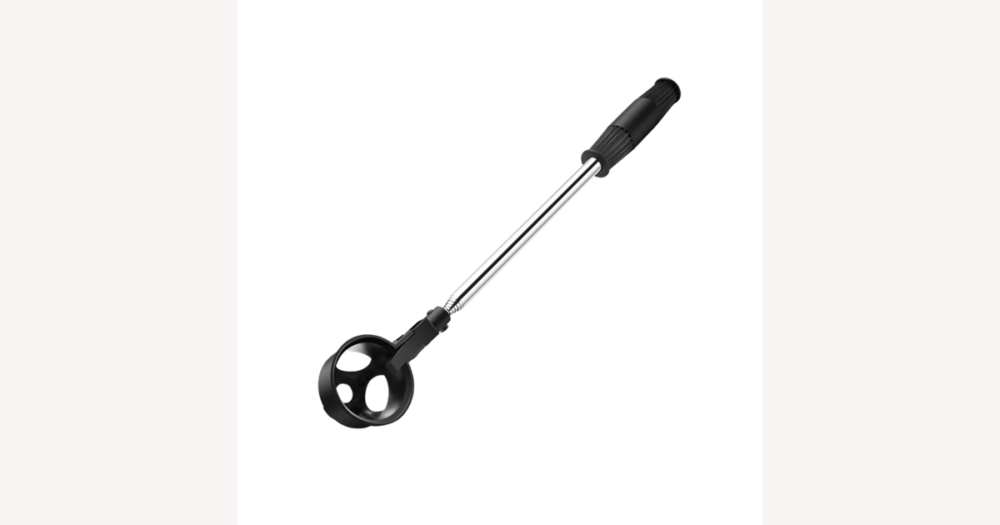
On DHgate, the most sensible budget choice for a frequent golfer is a mid-length telescopic golf ball retriever with roughly 12–15 ft of reach, a sturdy aluminum or stainless shaft, and a simple scoop or spring-ring head. Because many listings use unknown brands, it’s safer to focus on these core specs and basic seller feedback than on logos or marketing claims.
The sweet-spot specs for a budget golf ball retriever that actually works
On DHgate, the most cost-effective golf ball retriever for a frequent golfer is a mid-length telescopic model with about 12–15 ft of reach, a metal shaft (usually aluminum for lighter weight or stainless steel if rust is a concern), and a simple scoop or spring-ring head. Telescopic designs are common on DHgate, pack down small so they sit neatly in your bag, and their specs are easy to compare even when the brand names are unfamiliar.
Very short pocket-sized retrievers may look cheap and convenient, but they rarely reach typical water hazards or thick rough, so the savings can disappear along with the balls. At the other extreme, ultra-long poles (around 18 ft or more) sold at bargain prices often use very thin tubing and many sections, which flex and wobble and can feel flimsy or even buckle when fully extended.
Because DHgate listings often feature little-known brands, I would lock in this spec profile—mid-length reach, solid metal shaft, and a basic scoop or ring head—and then check seller feedback rather than trusting logos or marketing language. I’d personally accept a slightly heavier no-name aluminum shaft if the joints and locking collars look sturdy, and I’d avoid any retriever that combines an ultra-long reach with an ultra-low price, since frequent use will expose weak construction quickly.
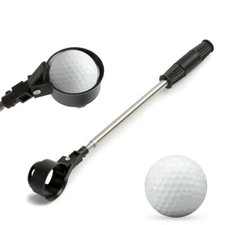
A mid-length telescoping golf ball retriever with a metal shaft and scoop-style head, illustrating the typical proportions of the recommended sweet-spot design.
How length, size, and weight change how a retriever feels on the course
Longer maximum reach lets you scoop balls from deeper water or further into rough, but every extra foot adds flex, wobble, and weight in budget models, especially when the shaft is made from thin tubing. Chasing the longest reach at the lowest price on DHgate is a warning sign: those ultra-long, ultra-cheap retrievers are usually harder to control and more likely to bend at full extension.
Collapsed length determines how easily the retriever fits in or on your golf bag. Shorter collapsed sizes (around 18–20 in or less) tuck neatly into most bags and are less likely to snag during transport, while longer collapsed sections can stick out, feel awkward to carry, or end up left in the car because they are inconvenient.
Weight is another trade-off. A heavier retriever can feel tiring to use repeatedly and may twist in your hand, but an ultra-light tool built with very thin shafts can bend or snap when fully extended. Shaft diameter and the number of telescoping sections drive this feel: fewer, thicker sections generally feel stiffer and more secure, whereas many very thin sections create more flex and more potential weak points.
For frequent golfers who deal with hazards most rounds, a slightly heavier, sturdier mid-length retriever is usually the better budget choice than the longest reach at the cheapest price. If you only play occasionally or mostly on dry, open municipal courses, you can reasonably pick a shorter, lighter, cheaper retriever—sometimes under 10 ft of reach—accepting its limited range to save money and bulk.
Choosing a head mechanism that actually grabs the ball
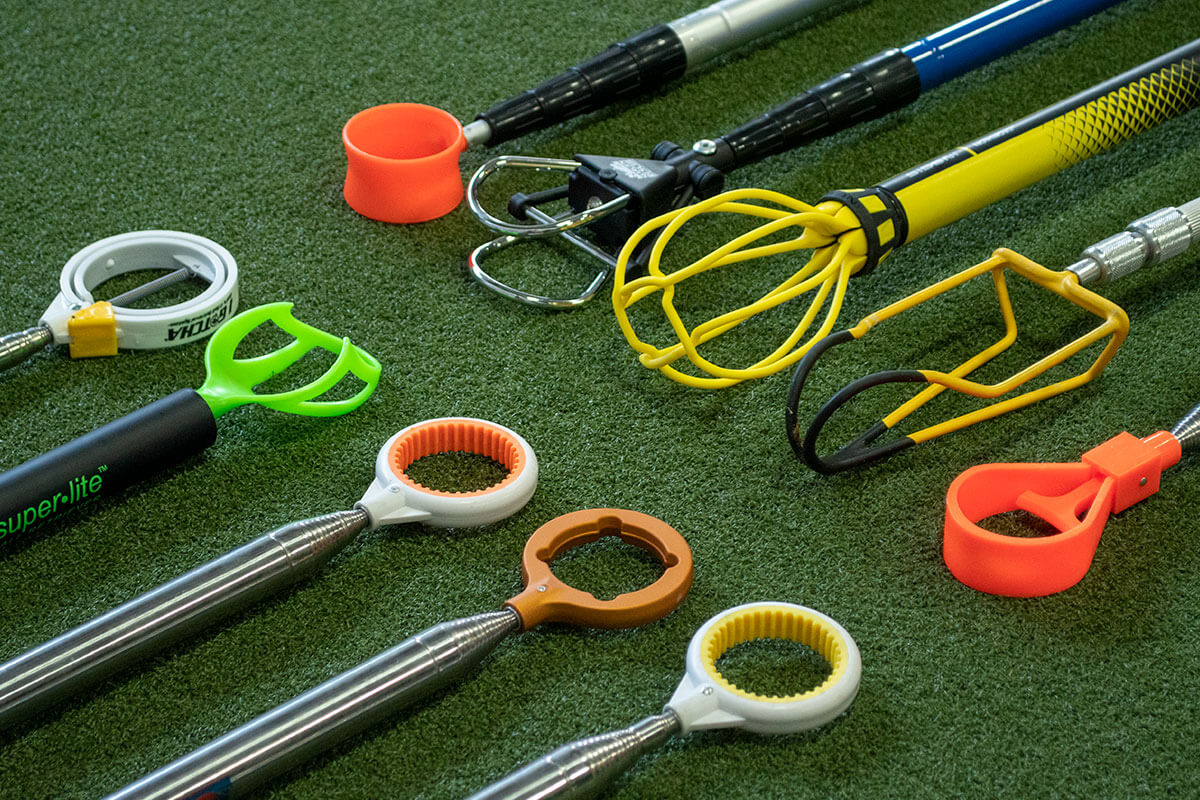
Head design matters as much as length when you’re trying to grab a ball quickly. Scoop or cup heads are simple frames that cradle the ball as you slide the retriever underneath; they shine in shallow water, moderate rough, and on firm ground because you mostly guide the ball into the cup and lift. Spring-ring or jaw-style clamp heads use a flexible ring or hinged “jaws” that open as you push over the ball and then snap snugly around it. When the ring is made from decent metal or reinforced plastic, this style holds the ball securely in both water and rough and is easy to trust for frequent use.
Umbrella or cage-style mechanisms surround the ball when opened, which can work well in deeper water or uneven spots, but they depend on several moving prongs or hinges. On cheaper builds those parts are more likely to bend, jam, or lose tension, especially if you regularly extend the shaft to full length. Suction-cup and putter-end caps are a different idea entirely: they attach to or replace your putter grip so you can pick up dry, clean balls near the hole without bending over, but they offer almost no reach into hazards and don’t help much in mud, algae, or thick grass.
Across common situations, scoop and spring-ring heads usually give the best balance of reliability and price. In shallow to moderate water and typical rough, a sturdy scoop or ring has fewer parts to break and is easier to see and aim than intricate cages or multi-prong gimmicks. On DHgate, listings sometimes glamorize unusual head shapes; for a budget buy, it’s safer to focus on clear photos of a solid-looking scoop or ring, avoiding very complex designs paired with very low prices. Specialized heads can make sense if you mostly fight one type of hazard—such as deep rocky water where a cage might help—but for general play I’d rather carry a simple scoop or ring that I can trust round after round.
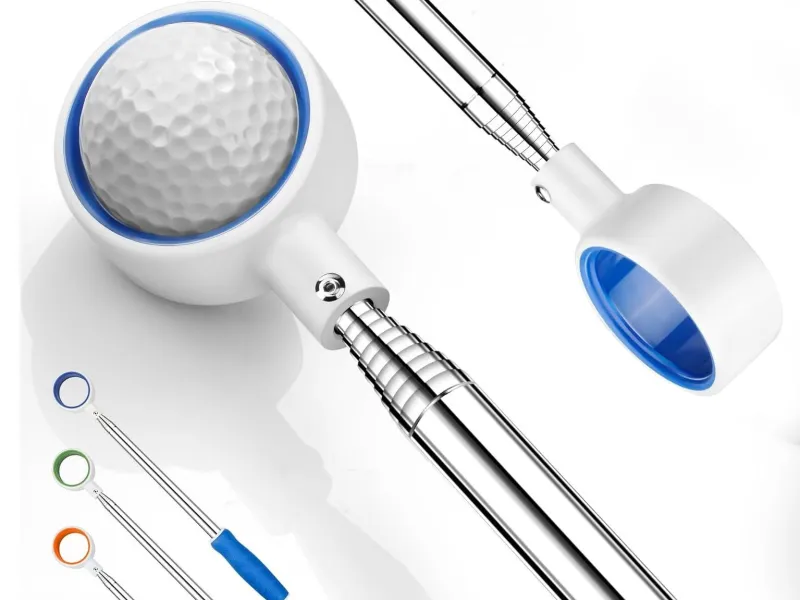
A scoop-style golf ball retriever head cradling a ball, showing the simple cup shape recommended for most budget buyers.
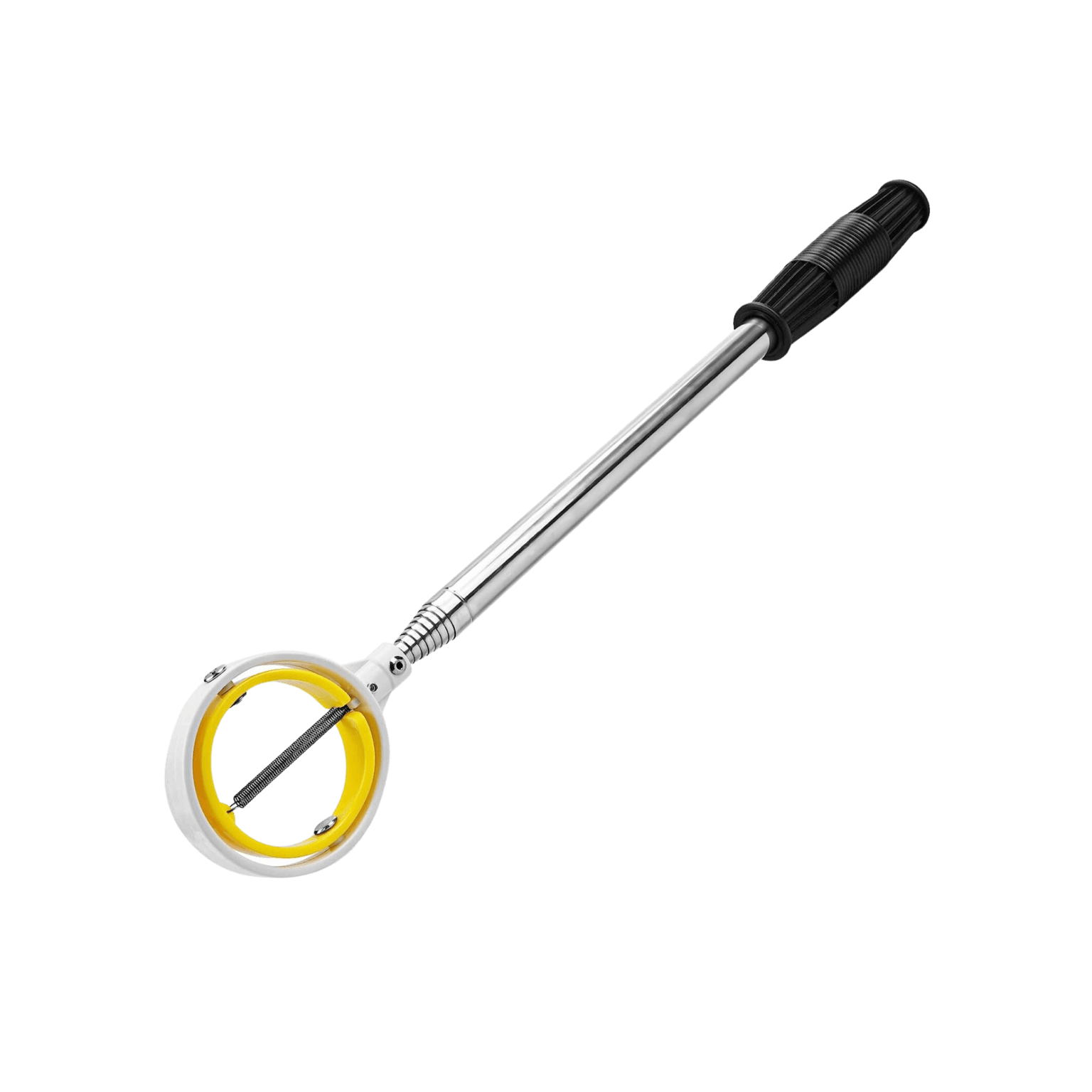
A spring-ring retriever head clamped around a ball, illustrating how the ring flexes and grips securely.
Reading DHgate photos to judge shaft materials and build quality
On DHgate, most golf ball retriever shafts are described simply as aluminum, stainless steel, or a generic metal or fiberglass alloy. Aluminum is light and, with decent joints, strong enough for most frequent golfers; stainless steel tends to weigh more but resists corrosion better if you often fish balls out of water. By contrast, very thin fiberglass or unspecified “metal alloy” tubes in budget listings can feel whippy or brittle at full extension, especially when paired with many narrow sections.
Use the photos and text to judge how solid the build looks. Zoom in on the area near the head: a thicker tube at this end usually means more strength where stress is highest. Count the telescoping sections—fewer, slightly thicker sections generally feel sturdier than a lot of very thin ones—and look for visible metal collars or locking rings where each section meets the next. Collars that sit snugly and appear well-machined signal better construction than bare, pencil-thin tubes with vague joints.
Joint and lock details are your best clue to overall durability. Close-up photos that show tight, reinforced joints and clear locking mechanisms suggest a retriever that will stay straight and extended instead of collapsing or twisting. If you see gaps, loosely fitted parts, or flimsy-looking collars, treat that as a warning sign, even if the listing claims strong materials. Handles follow the same logic: a simple rubber or EVA grip is perfectly fine, whereas shiny, brittle plastic, rough mold lines, or a grip that looks tacked on at an angle hint at corner-cutting.
Text phrases like “stainless steel,” “anti-rust,” or “corrosion resistant” are worth noting, but no shaft is maintenance-free; if you regularly use the retriever in water, you’ll still want to rinse and dry it after the round. Personally, I’d rather choose a no-name aluminum telescopic retriever on DHgate with thicker tubes and solid-looking joints than a longer, ultra-thin model that’s clearly built to a lower standard. Comparing several listings side by side and zooming into the shaft, joints, and grip helps you pick the sturdiest construction your budget allows.
Close-up of a telescopic golf ball retriever with thick shaft sections, metal collars at the joints, and a simple rubber grip, illustrating sturdy construction cues to look for on DHgate.
Red flags: how cheap retrievers usually fail (and how to spot it)
Weighing DHgate seller reputation and buyer protection
Once several DHgate retriever listings look similar on paper, seller reputation and buyer protection should guide your choice. Start with overall seller rating: you don’t need a perfect score, but a consistently high average suggests the seller delivers what they promise. Check how many orders the store has completed, both on that specific retriever and across other items, to see whether it looks established rather than newly created for a quick sale.
Detailed reviews and buyer-uploaded photos are especially valuable for a low-cost tool like a golf ball retriever. Photos that show the actual shaft, joints, and head give extra confirmation that the product matches its listing and help you verify that it doesn’t look flimsier than the official pictures suggest. If one listing is slightly more expensive but comes from a seller with solid ratings, meaningful order history, and clear buyer feedback, it is usually a safer choice than the absolute cheapest option with little or no track record.
Shipping and buyer protection also matter, even for a small accessory. Choosing a tracked shipping method can be worth a modest extra cost because it reduces the chance of delivery disputes and gives you visibility on the parcel. DHgate has dispute and refund mechanisms if something goes wrong, but resolving issues can take time and effort, which is frustrating when you’re trying to save money. That’s why it’s better to avoid listings with vague descriptions, no feedback, or confusing terms in the first place. Personally, I would rather pay a little more to buy from a seller whose profile looks clear and trustworthy than risk hassle with a sketchy listing that only looks good on paper.
A quick DHgate checklist for choosing a golf ball retriever
- Decide your target maximum reach and collapsed length based on how often you face water or rough and how much space you have in or on your golf bag. For frequent hazards, aim around the 12–15 ft mid-length range; for mostly dry, casual play, a shorter retriever can be enough and cheaper.
- Pick a simple head type for most DHgate listings: a scoop or spring-ring design is usually the best budget-friendly choice. Only pay extra for more complex cage or specialty heads if you regularly deal with specific tricky hazards that genuinely require them.
- Check shaft material and structure in the description, looking for aluminum or stainless steel and favoring fewer, thicker telescopic sections over many very thin segments. This balance helps the retriever stay sturdy at full extension instead of feeling whippy or fragile.
- Scan listing photos for solid joints, visible locking rings or collars, and a decent grip. Avoid images that show very thin tubes near the head, flimsy-looking all-plastic joints, or locks that are hard to identify, as these are common weak points in cheap retrievers.
- Review seller ratings, order history, and buyer reviews with photos. Pay attention to repeated comments about bending, collapsing, rust, or balls dropping out of the head—these patterns are stronger warnings than one-off complaints.
- Confirm shipping cost, estimated delivery time, and basic refund or dispute terms so you understand the total cost and DHgate’s protection before you order, instead of being surprised by fees or slow delivery on a low-priced tool.
- Run through this checklist whenever you compare DHgate retriever listings so you can buy one durable, budget-friendly tool that suits your game, rather than saving a few dollars upfront and then replacing flimsy retrievers after a few rounds.
Matching your retriever to your typical course conditions
If you regularly play courses with frequent water hazards—ponds, streams, or marshy areas—it usually makes sense to choose a retriever toward the higher end of the mid-length range, closer to 15 ft. Pair that extra reach with corrosion-resistant shaft materials such as stainless steel or well-finished aluminum, and a secure scoop or spring-ring head that can grip the ball confidently in water. On DHgate, this scenario is where paying a bit more for sturdier construction and a trustworthy seller is justified, because you’ll use the retriever often and stress it at full extension.
On tree-lined or rough-heavy courses, control and maneuverability matter more than pure reach. A mid-length retriever that still fits easily into your bag, with a compact scoop or ring head that can slide between branches and into thick grass, is usually more practical than a very long pole. I would rather carry a retriever that feels stable and precise in tight spots than chase maximum reach that only makes the shaft wobble and catch on obstacles.
For mostly open, dry municipal courses where balls rarely end up in deep water or inaccessible rough, a shorter, simpler retriever—around or even below the 10–12 ft range—can be perfectly adequate. Here you can trim budget by choosing a basic metal shaft and straightforward head design, and some occasional players may decide that a small putter-end accessory or even no retriever at all is acceptable if lost balls are rare. Matching your retriever to these conditions helps you avoid both over-buying a heavy-duty tool you barely use and under-equipping yourself on hazard-heavy courses, while staying aligned with the earlier sweet-spot guidance for frequent play.
FAQ: Compact retrievers, carrying one at all, and other edge cases
Can a putter-grip or suction-cap retriever replace a full telescopic retriever?
No. Putter-grip and suction-cap retrievers are handy for picking up balls around the cup or on dry ground without bending, but they offer almost no reach into water, deep rough, or awkward lies. On DHgate they’re best treated as low-cost add-ons for comfort, not full replacements if you regularly face hazards—frequent players still benefit from a telescopic retriever with real reach.
How many golf balls can a retriever realistically pick up at once?
Most retrievers are practically used for one ball at a time. Some scoop or cage heads can hold multiple balls, but stacking several in a flimsy or budget head makes drops more likely and puts extra stress on joints and locks. For control and long-term durability, it’s safer to retrieve one ball at a time, even if the design can technically carry more.
If I only play a few rounds a year, do I need a golf ball retriever at all?
Not necessarily. Very occasional golfers, especially on dry municipal courses where balls rarely end up in water or deep rough, can often borrow a partner’s retriever, choose a very basic short model, or skip the purchase entirely. The decision should match how often you face hazards and how many balls you typically lose—if that’s rare, saving the money and keeping your DHgate budget for more essential gear is reasonable.