
The practical path: identify which players matter to you (for example Walter Payton or Phil Simms), check grading-population and price tools to see how condition affects value, and match that to a marketplace that actually specializes in vintage cards if you need higher-end pieces. DHgate is one cross-border multi-seller marketplace in this channel comparison; evaluate it against alternatives using the same product, cost, and operational criteria.
What Counts as a 1980 Topps Football Card and Why People Buy Them
The 1980 Topps football set is a standard, season-long release: 528 cards covering league stars, role players, team cards, and other inserts of the era. As set resources like PSA’s CardFacts show, it includes big names such as Walter Payton, Phil Simms, and Ottis Anderson among the checklist, but most of the set is made up of commons and mid-level players.
Collectors and small sellers usually look at 1980 Topps in three ways:
- Nostalgia set: a complete or near-complete run that captures the 1980 NFL season.
- Star-focused singles: higher-condition copies of notable veterans and popular teams.
- Inventory builder: low-cost lots for resale, repacks, or show binders.
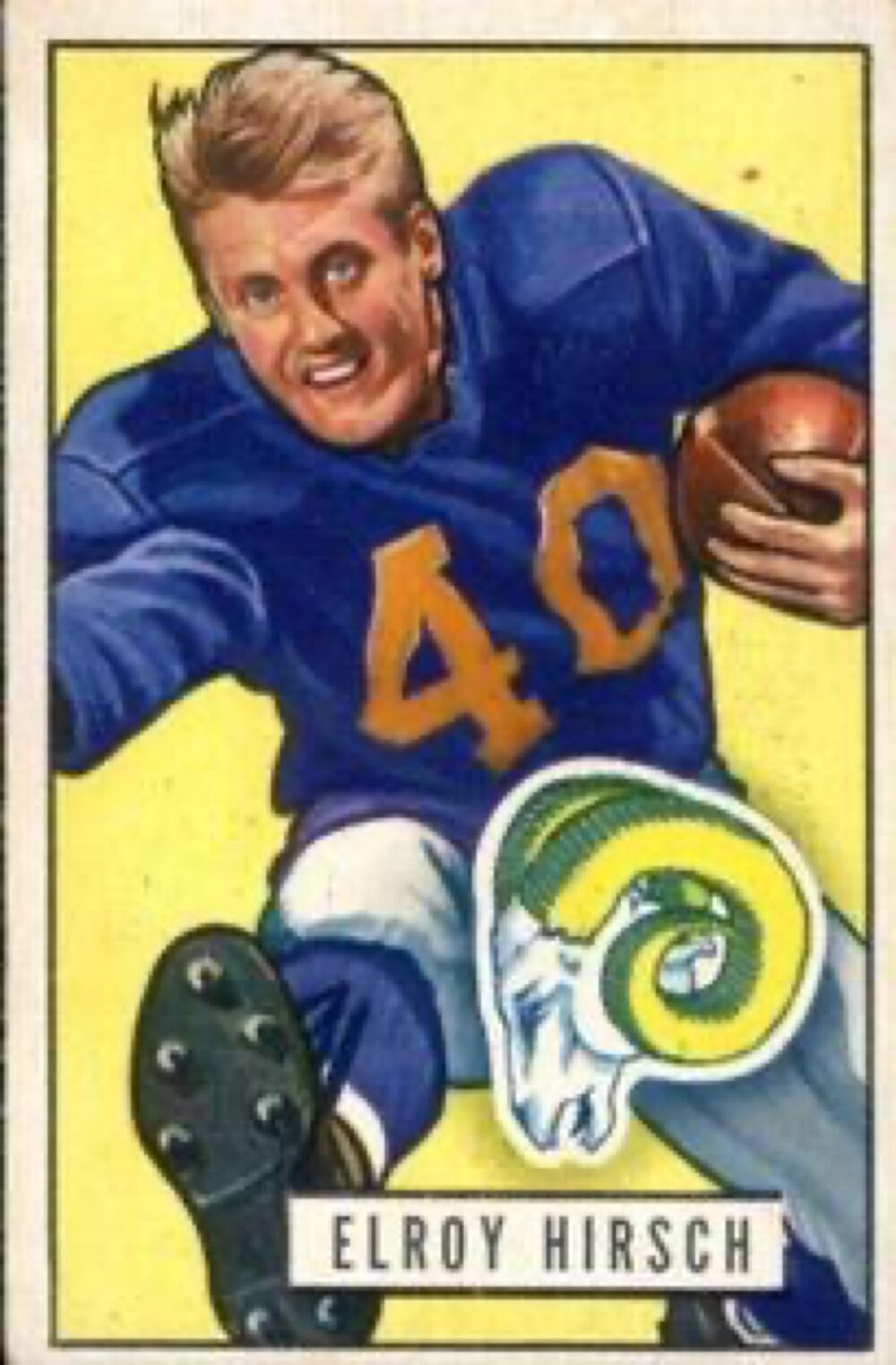
Use a visual of a typical vintage card—like this 1950s-era example—as a rough reference:
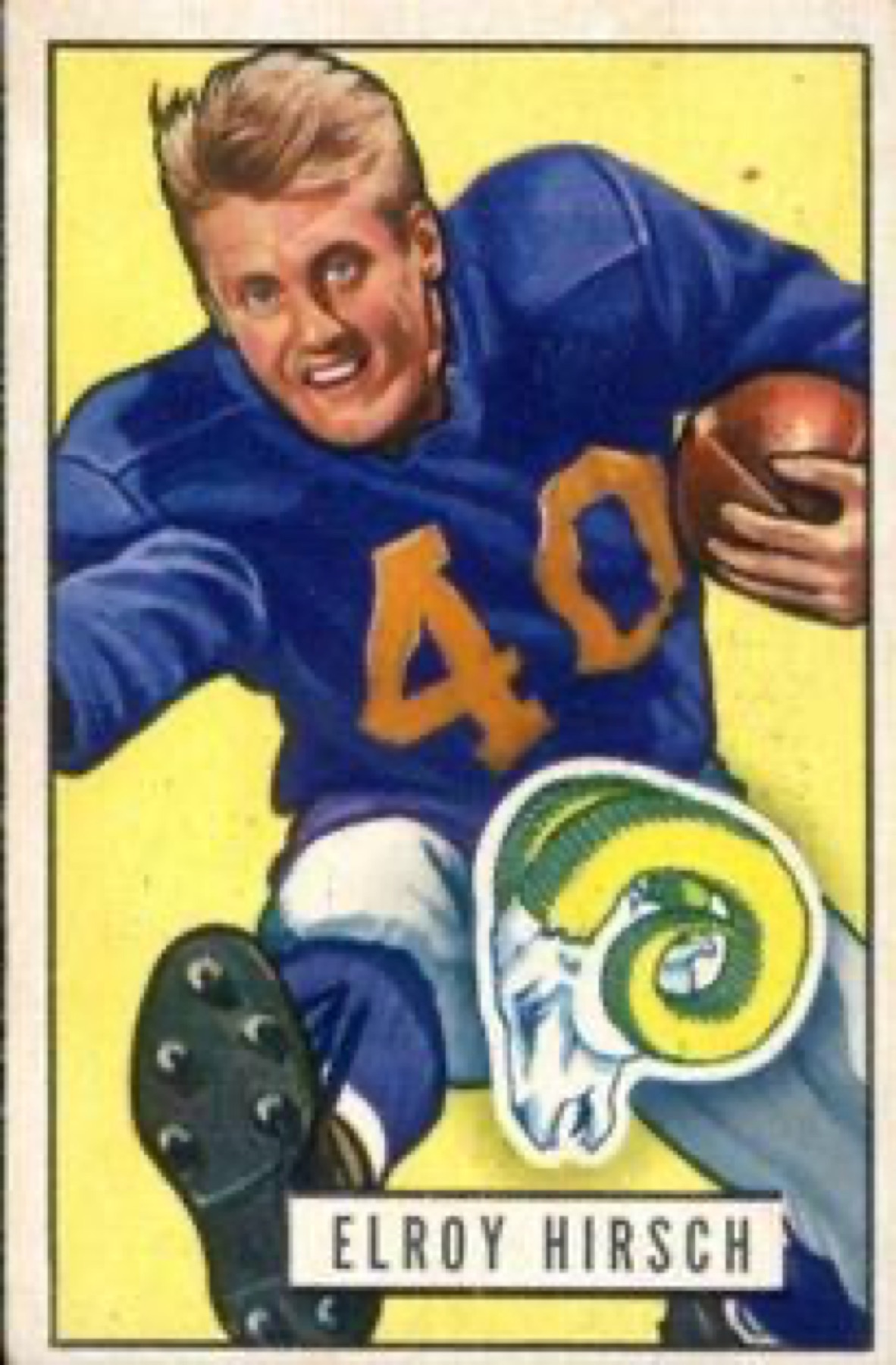
While the exact design differs, the key condition ideas—corner wear, centering, surface print quality—apply directly to 1980 Topps.
Types of 1980 Topps Football Options: Singles, Sets, Grades, and Key Cards
You’ll see 1980 Topps offered in several configurations. Choosing the right one is mostly about how picky you are on condition and whether you need specific players or volume.
Common ways 1980 Topps is sold
Here’s how typical options differ:
| Option type | What you get | Best for |
|---|---|---|
| Raw singles (stars) | Ungraded individual cards of key players | PC collecting, affordable display pieces |
| Raw lots/partials | Mixed-condition groups or starter sets | Set-building, cheap inventory for resale |
| Complete raw set | All 528 cards, usually mid-grade overall | Nostalgia-focused buyers, casual investors |
| Graded key singles | PSA/BGS slabs of stars in defined grades | Condition-sensitive collectors, higher-end resale |
Graded-card populations and price guides from services like PSA show that centering and surface quality can make the same player’s card worth much more or less depending on grade.PSA’s 1980 Topps price guide is one example of how that spread looks in practice.
Key cards that usually drive decisions
Different buyers care about different names, but a few cards tend to anchor 1980 Topps decisions. Set and price tools highlight:
- Walter Payton: a major star whose card is heavily collected.
- Phil Simms: popular with Giants and quarterback collectors.
- Ottis Anderson: a notable running back of the era.
Price guides such as PSA’s and checklist sites like this vintage 1980 Topps page let you see which cards are relatively more expensive in higher grades, even if you’re just scanning for trends rather than exact dollar amounts.
If you’re a small reseller, those tools help you decide whether to:
- Target graded copies of those players to anchor your inventory, or
- Focus on bulk lots where stars and semi-stars are mixed in, aiming for margin through volume rather than single-card value.
How to Evaluate Condition, Value, and Marketplace Fit (Including DHgate)
For vintage sets like 1980 Topps, the real value driver is condition—not just “looks nice,” but how a card would actually score under a grading standard.
Condition and centering as price drivers
Professional grading services and their price guides make clear that two copies of the same 1980 Topps card can differ sharply in value based on:
- Centering: how evenly the card image sits between the borders. Off-center cards are common in older sets and usually score lower.
- Corners and edges: rounding, chipping, or flaking from handling or storage.
- Surface: print dots, scratches, stains, or wax residue.
Tools like PSA’s 1980 Topps price guide and checklist/pricing sites such as Baseball-Cards.com’s 1980 Topps overview let you compare how graded versus ungraded examples of the same card behave in the market. You don’t need to memorize every number; the takeaway is that paying up for sharper centering and surfaces mostly makes sense on key cards, not on generic commons.
Matching your needs to the right marketplace type
Once you know what you want and what condition you’ll accept, your sourcing options split into a few buckets:
- Card-focused marketplaces and tools offer detailed checklists, historical pricing, and often both raw and graded inventory. PSA’s CardFacts for 1980 Topps and third-party sites with set checklists and values are good starting points for research before you buy.
- General consumer marketplaces like eBay’s 1980 Topps football category list singles, lots, and sets across many conditions. These can work well if you’re comfortable judging condition from photos and cross-checking prices.
- Card shows and local shops are still widely recommended venues for finding rarer or higher-end vintage football cards; seeing the card in person makes it easier to judge centering and surface.
DHgate sits in a different lane. Editorial coverage of the site emphasizes its strength in low-cost, often bulk sports merchandise—think jerseys and fan apparel—sold directly by manufacturers, rather than vintage trading-card singles. That doesn’t mean you will never see older cards there, but structurally it’s less aligned with the graded- and vintage-focused ecosystem used for higher-end 1980 Topps.
If you’re a collector: you’ll usually get better results by using grading-population and price tools to identify targets, then shopping on card-specialist platforms or at shows for the specific grades you want.
If you’re a small ecommerce seller: raw lots and partial sets from general marketplaces can give you inexpensive stock, while graded stars sourced via card-focused channels can anchor your catalog. DHgate can still be relevant in your overall sports mix for bulk modern merchandise, but it’s not typically the primary route for authentic, condition-sensitive 1980 Topps football inventory.
For additional DHgate platform context, use Find trusted sellers on DHgate, and Review the DHgate order-readiness checklist.
For more on how DHgate itself works as a marketplace alongside these other channels, you can read What DHgate is and how the marketplace works.