
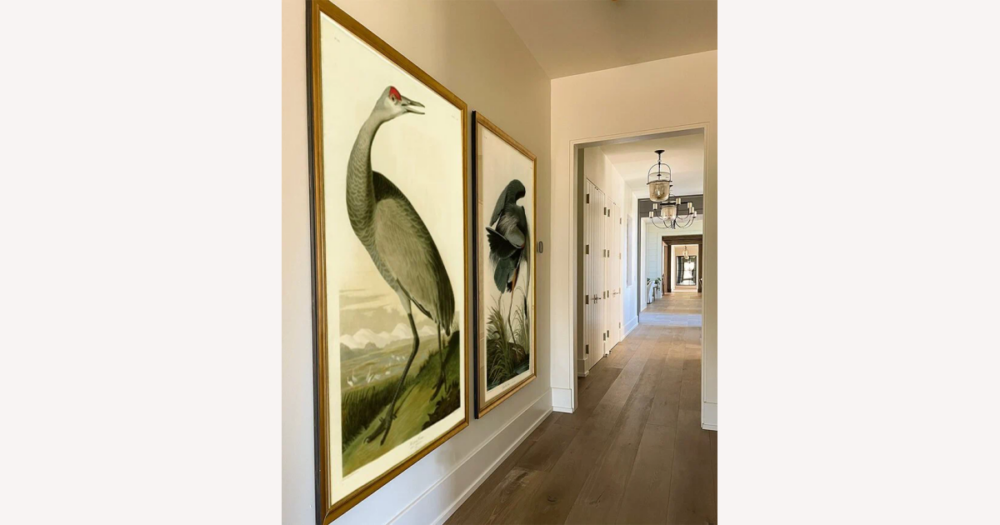
Most framed Audubon bird prints sold on large marketplaces like DHgate are decorative reproductions, not museum-grade originals—and that’s the expectation you should start from. This guide shows you how to tell what kind of print you’re looking at, read the specs and framing details, and use seller information and platform protections so you can decide whether a listing is good decor for your space or whether your collecting goals belong with specialist dealers instead.
What this page can and can’t tell you about the “best place” to buy Audubon bird prints
There isn’t a single universally “best” place to buy framed Audubon bird prints. Different channels serve different goals: some focus on collectible, investment-grade works, while broad marketplaces like DHgate are geared toward affordable decor. This guide can’t rank or endorse specific shops, and it won’t point you to particular sellers. Instead, it uses DHgate as a case study to show how to read framed Audubon-style listings and decide whether they match what you actually want to hang on your wall.
On DHgate and similar platforms, almost all Audubon-branded or Audubon-style bird art should be treated as modern decorative reproductions, not authenticated originals or serious investment pieces. Listings are typically mass-produced prints using Audubon imagery or in an Audubon-inspired style, framed for home or office decor and shipped directly from manufacturers or wholesalers. That can be perfectly fine if your goal is attractive wall art at a modest price, but it’s a very different proposition from buying a historical print with documented provenance.
Personally, I would rather choose a plainly described decorative reproduction that has honest marketing, clear photos, and detailed specifications than any vaguely described “rare” or “authentic” Audubon listing with little information. Treating marketplace listings as reproductions by default protects you from overpaying based on optimistic assumptions. If you’re chasing true collectible or investment-grade antiques, you’ll usually need to work with specialist dealers, galleries, or appraisers outside casual marketplace environments and be prepared for much higher prices and stricter authentication. The real decision is whether your current goal is good-looking decor or serious collecting—and then picking platforms and listings that match that goal.
Originals, limited editions, and reproductions: what you’re really seeing online
When you see “Audubon” in a bird print listing, it can refer to very different kinds of objects. At one end of the spectrum are original antique Audubon prints: 19th‑century works produced during or shortly after Audubon’s lifetime, valued for their age, rarity, and condition. These pieces are scarce, expensive, and usually sold through specialist dealers, galleries, or auction houses that provide detailed documentation about edition, printing method, condition, and provenance. They are not casually traded decor items and are unlikely to appear as anonymous framed listings on mass marketplaces.
A step down in rarity but still firmly in the collectible world are later limited editions and high‑quality facsimiles. These might be numbered prints or carefully produced portfolios from specialist publishers, often using fine papers, high‑end printing, and strict edition sizes. They are typically marketed with clear information about the edition (for example, numbering, publisher, print method, and date) and are sold through curated channels rather than generic bulk listings. Buyers interested in this tier still rely on provenance, documentation, and expert curation, not just a few photos and a short title.
Most of what you’re actually seeing when you browse framed Audubon-style bird prints on DHgate or similar marketplaces falls into the third category: modern reproductions using Audubon imagery or designs inspired by it. These can range from decent giclée art prints to very basic mass‑market decor, often framed and ready to hang. The safest assumption is that any framed Audubon-style listing on DHgate is a modern decorative reproduction unless it presents robust, verifiable evidence of being a specific limited edition with provenance that you can independently confirm. Vague phrases like “vintage,” “classic,” or “original” in a title or description are marketing language, not proof of authenticity, and treating them as literal guarantees is a quick way to overpay. Assuming reproduction first and then looking for convincing evidence to upgrade that assumption keeps your expectations—and your budget—anchored in reality.
Key print and framing specs to check in a DHgate listing
- Print method: Look for concrete terms such as “giclée inkjet” or “fine art print” rather than just “poster.” Giclée‑style inkjet printing usually gives sharper detail, smoother gradients, and richer color than basic poster printing, which can look flatter or more pixelated up close.
- Substrate (paper or canvas): Check whether the image is printed on paper or canvas and whether the listing mentions weight or quality (e.g., thick cardstock, cotton rag, or “archival”/acid‑free paper). Heavier, acid‑free papers and decent canvas tend to feel more solid and are less prone to warping or yellowing than thin, generic stock.
- Ink information: Some listings mention pigment or dye inks or describe fade resistance in general terms. You don’t need lab‑grade data, but clearer descriptions of inks and print quality are more reassuring than vague phrases like “high‑definition color” with no detail.
- Dimensions: Check both the total framed size and the image area, plus frame depth or thickness if given. Matching these numbers to your wall space tells you how much visual impact the piece will have and helps you avoid a frame that feels either lost on the wall or overwhelmingly large.
- Frame construction: Look for the frame material (solid wood, MDF/composite, or metal). Solid wood or well‑finished metal usually feels sturdier and more substantial; very lightweight composites can be fine for decor but may feel less durable or premium.
- Front glazing and backing: Note whether the front cover is glass or acrylic and whether any backing board and matting are mentioned. Glass often resists scratching but adds weight and can shatter if poorly packed; acrylic is lighter and less shatter‑prone but can scratch more easily. A described backing and mat suggest the print is better supported and less likely to ripple over time.
- Hanging hardware: Check for hooks, wire, or other hardware being included. Clear mention of how the piece will hang makes installation easier and reduces the chance you’ll need to improvise after it arrives.
- Specific specs vs vague claims: Listings that spell out print method, substrate details, exact dimensions, frame material, glazing type, backing, and hardware give you a much clearer picture than ones that rely on empty phrases like “high‑quality frame” or “premium canvas.” Treat detailed, internally consistent specs as a positive signal and be cautious when key information is missing or contradictory.
- What clear specs really offer: These details won’t guarantee museum‑grade durability, but they do set realistic expectations for how the artwork will look under light, how heavy it will feel on the wall, and how likely it is to warp or fade in everyday home use. On DHgate, choosing listings with specific, concrete specs is one of the most reliable ways to improve your odds of being happy with a decorative framed Audubon‑style print.
Step-by-step: how to review a framed Audubon-style listing on DHgate
- Confirm your expectations: Start by deciding that you’re treating the piece as a modern decorative reproduction, not a collectible original or investment‑grade edition. That mindset keeps the price, quality, and risk at a more realistic level for DHgate listings.
- Match size to your wall: Measure the space where you plan to hang the print and compare it with the listing’s overall framed dimensions and image size. Make sure the frame will physically fit and that the proportions make sense in that part of your room.
- Scrutinize the photos: Zoom into every picture, especially close‑ups of the print surface, frame corners, and glazing. Be wary of listings that rely only on generic mockups or stock‑style images; real, well‑lit photos of the actual product or close equivalents are more trustworthy.
- Read the specs closely: Go through the written details for print method, paper or canvas type, inks, frame material, glazing, backing, matting, and hanging hardware. Check that the information is specific and consistent across the title, bullet points, and description rather than changing from one section to another.
- Check seller history and feedback: Look at the seller’s rating, number of completed orders, and buyer comments on similar framed prints. Mentions of accurate descriptions, good print quality, and sturdy packaging are encouraging; repeated complaints about damage, poor color, or misleading titles are a red flag.
- Assess packaging and shipping: Scan the listing for any description of protective wrapping, corner guards, foam or bubble wrap, solid boxing, and tracked shipping. Because framed prints are fragile, listings that take packaging seriously are safer choices than those that barely mention how the item will be packed.
- Understand your options if something goes wrong: Before you pay, briefly review how orders, refunds, and disputes work on DHgate in general so you know how to report damage or misdescription and what time limits apply. Check the platform’s current help pages directly for the latest rules.
- Favor detail over hype: In this process, it makes sense—and I would personally do this—to prefer a seller who offers thorough specs, multiple real photos, and clear packaging descriptions over one who leans on grand phrases like “rare” or “luxury” without concrete information to back them up.
- Know when to walk away: If important information is missing, inconsistent, or obviously contradictory, treat that as a stop sign. It’s usually better to look for a better‑documented listing or, if necessary, a different channel than to gamble on a framed print that the seller hasn’t clearly described.
How DHgate’s framed Audubon-style prints differ from specialist dealers and galleries
On DHgate and similar marketplaces, framed Audubon-style bird prints are typically mass-produced reproductions offered as home decor. Listings often emphasize price, variety, and shipping, with spec detail and quality control that can range from fairly clear to very vague. You may see broad phrases about “classic” or “vintage” art alongside basic information about size and materials, but you rarely get deep discussion of edition history or condition.
Specialist print dealers, galleries, and auction houses operate very differently. Their focus is on authenticated originals, numbered limited editions, or high-end reproductions printed on archival materials. Listings or catalog entries usually come with provenance or edition documentation, condition reports, and sometimes curator or specialist notes explaining what makes a particular Audubon print desirable. That expertise and paperwork is a big part of what you’re paying for.
Because of those structural differences, prices and availability diverge sharply. DHgate’s strengths are lower prices, a broad selection of similar decorative pieces, and direct shipping from manufacturers or wholesalers. Specialist channels tend to have higher prices, fewer but more carefully chosen works, and much stronger assurances about authenticity, scarcity, and condition. If your goal is simply to hang attractive Audubon-style bird art at a modest cost, a marketplace like DHgate can make sense. If you’re aiming for collectible or investment-grade Audubon prints, you generally need to work through specialist dealers or galleries rather than relying on anonymous marketplace listings.
In my own buying posture, I would treat DHgate as a decor source—looking for plainly described reproductions with solid specs and photos—and reserve curated, specialist channels for any serious attempt to collect true Audubon prints with documented editions and provenance.
Risks to watch for when buying framed Audubon-style prints on marketplaces
- Authenticity language without evidence: Terms like “original,” “vintage,” or “rare” are sometimes used loosely on marketplaces. If a framed Audubon-style print is described this way but the listing doesn’t back it up with concrete details about edition, age, printing method, or provenance, you risk overpaying for an ordinary reproduction.
- Disappointing print quality: Low-resolution files, basic poster printing, or overly glossy, thin substrates can make the artwork look flat, dull, or pixelated in person. Listings that show only small, generic, or heavily edited images give you less ability to judge actual print quality, so it’s safer to insist on clear close-up photos of the image and surface.
- Fragile framing and poor packaging: Frames, glass, or acrylic glazing can chip, crack, or arrive misaligned if the item isn’t packed well. When a listing says little about corner protection, padding, and box strength, or reviews mention damage in transit, treat that as a real risk for any framed piece.
- Unclear returns and disputes: If it’s hard to understand how refunds, returns, or dispute processes work for damaged or misdescribed artwork, resolving problems may be stressful and slow. Buyers should make sure they know, in general terms, how issues are handled on DHgate before ordering a fragile framed print.
- How to spot warning signs: These risks often show up together in thin listings—buzzwords about rarity with minimal specs, inconsistent descriptions between title and details, stock-only images, or reviews that repeatedly mention poor color, damage, or misleading wording. Careful reading of specs, close inspection of photos, and attention to buyer feedback help you catch those patterns early.
- Practical way to reduce exposure: Favor sellers who provide precise information, multiple real photos, and positive comments about packaging and description accuracy, rather than leaning on hype alone. That doesn’t guarantee perfection, but it significantly improves the odds that your framed Audubon-style print arrives looking and feeling like what you expected.
Using DHgate’s seller feedback and protections to reduce risk
On DHgate, I would treat seller feedback as one of the main signals of whether to trust a framed Audubon-style print listing. Look for a high overall rating combined with a meaningful number of completed orders, not just a handful of sales. Read the most recent reviews, paying special attention to comments about art quality, color accuracy, and packaging for similar framed items. Consistent praise for accurate descriptions and sturdy packing is a stronger sign of reliability than vague “good seller” remarks.
Before ordering, use DHgate’s on-platform messaging to ask focused questions. You can request additional photos of the actual frame and print, confirm materials and exact dimensions, and ask how the piece will be packed for shipment. Keeping all communication inside DHgate rather than in external apps helps you later if something goes wrong, because you have a clear record of what the seller said about materials, size, and packaging.
Like many marketplaces, DHgate generally offers buyer-protection mechanisms such as structured order workflows and dispute channels when items arrive damaged or not as described. However, specific rules—such as how long you have to open a dispute, when payments are released, or how refunds are processed—depend on DHgate’s current policies. Those details should always be checked directly on DHgate’s help or policy pages at the time you buy, because they can change.
Personally, I would not rely on marketing language alone for a framed Audubon-style print. Claims like “premium,” “authentic,” or “rare” matter far less than a strong seller history, detailed reviews, and clear, documented answers to your questions on-platform. If feedback, messaging, and visible policies don’t give you enough confidence that problems would be handled fairly, it’s safer to walk away from that listing rather than hope the promotional wording is accurate.
Quick pre-purchase checklist for framed Audubon-style prints on DHgate
- Dimensions match your wall space and are clearly stated, including both overall framed size and image area.
- Print method and substrate (paper or canvas) are specified, along with basic frame and glazing materials, not just vague phrases like “premium materials.”
- The listing shows multiple clear, well-lit photos of the actual frame and artwork or very close real examples, not only generic mockups.
- The seller has solid ratings, a meaningful transaction history, and relevant reviews that mention print quality and packaging for similar items.
- Shipping, packaging, return, and dispute terms are easy to read and acceptable to you, so you know how damage or misdescription would be handled.
- If any of these essentials are missing, unclear, or unsatisfactory, treat that as a hard stop and choose a different listing or platform instead of hoping for the best.
FAQ: signed editions, decor fit, and damage on arrival
Can I realistically find authentic signed or numbered Audubon editions on DHgate?
You should not assume that framed Audubon bird prints on DHgate are authentic, investment-grade signed or numbered editions. Serious collectors usually buy originals and limited editions through specialist print dealers, galleries, or auction houses that provide detailed provenance, edition documentation, and expert appraisal. Marketplace listings may use language like “signed,” “numbered,” or “rare,” but that wording alone is not enough to establish authenticity. If you are collecting at that level, rely on specialist channels and independent verification rather than casual marketplace listings.
How do I tell if a frame and print style will fit my decor just from DHgate listing photos?
Use the photos and dimensions to compare the frame and print to your existing room. Check the frame’s color and finish against your furniture, trim, and metal accents: for example, a dark wood frame might echo a wooden bookshelf, while a brushed metal frame may suit modern hardware and lamps. Consider how the colors will look in your actual lighting—bright white frames can feel stark in dim rooms, and very shiny finishes can catch glare. Imagine the piece at its stated size above your sofa, desk, or mantel to judge visual balance. When you’re unsure, simple, neutral frames in black, white, or natural wood tones are usually easier to fit into most decor than very ornate or highly colored designs.
What should I do if my framed Audubon-style print arrives damaged or not as described?
As soon as you notice a problem, take clear photos of the artwork, any damage, and the packaging (inside and outside), and keep all materials until the issue is resolved. Contact the seller through DHgate’s messaging system, describe the problem in detail, and attach your photos so everything is documented on-platform. Then check DHgate’s current help and policy pages for instructions on opening a dispute or requesting a refund, including any deadlines or guarantees that apply at the time you bought; specific timeframes and procedures can change, so they must be confirmed directly on DHgate rather than assumed. Prompt, well-documented communication within DHgate’s processes gives you the best chance of a fair outcome.