

Honda Pilot headlights are available in two broad flavors: genuine Honda OEM assemblies and bulbs, and aftermarket replacements. In the US, OEM units are easiest to source through Honda dealer parts sites, dedicated OEM retailers like HondaPartsNow, and marketplaces such as eBay’s Honda Pilot OEM headlight category. Aftermarket assemblies and bulbs are widely stocked by collision-part catalogs (for example, NationalAutoBody’s Pilot listings) and general auto-parts chains.
If you care most about perfect fit, factory look, and minimal hassle, starting with OEM part numbers and Honda-focused sites usually makes the decision clearer. If you’re stretching budget or building small resale inventory, mixing reputable aftermarket brands with selective used/OEM buys from marketplaces and salvage yards can work, as long as you stay strict about model-year and trim matching.
What Honda Pilot headlights include and why fitment matters
On a Honda Pilot, “headlights” usually means the full headlamp assembly: the plastic housing, lens, reflector or projector, and often the internal wiring and bulb sockets. You may also be shopping just for bulbs (low beam, high beam, or DRL) or smaller components like brackets and seals.
Honda builds the Pilot in generations and trims, and each combination can use a different headlamp design:
- The first generation (early 2000s) uses relatively simple halogen reflector units.
- Later generations introduce projector-style lamps and, in higher trims, LED elements or different internal layouts.
- Even within one model year, the housing, light source, wiring, and equipment package can differ by trim.
Because of that variation, you can’t just search for “Honda Pilot headlight” and assume any assembly will bolt in and align correctly. You need either:
- Your exact model year and trim, or
- The Honda OEM part number from your VIN or existing lamp.
OEM-oriented sites and dealer portals structure their catalogs around this reality. A dealer parts page will typically ask you to choose year, model, and trim before showing headlamp components. Similarly, Honda-focused retailers such as HondaPartsNow group Pilot headlight assemblies by year range from roughly 2003 through current models.
If the original design includes features such as LED elements, daytime-running-light wiring, or other electronics, a mismatched assembly may not preserve every function. Confirm the VIN-linked part number and any required calibration or installation procedure with Honda service information or a qualified repairer.
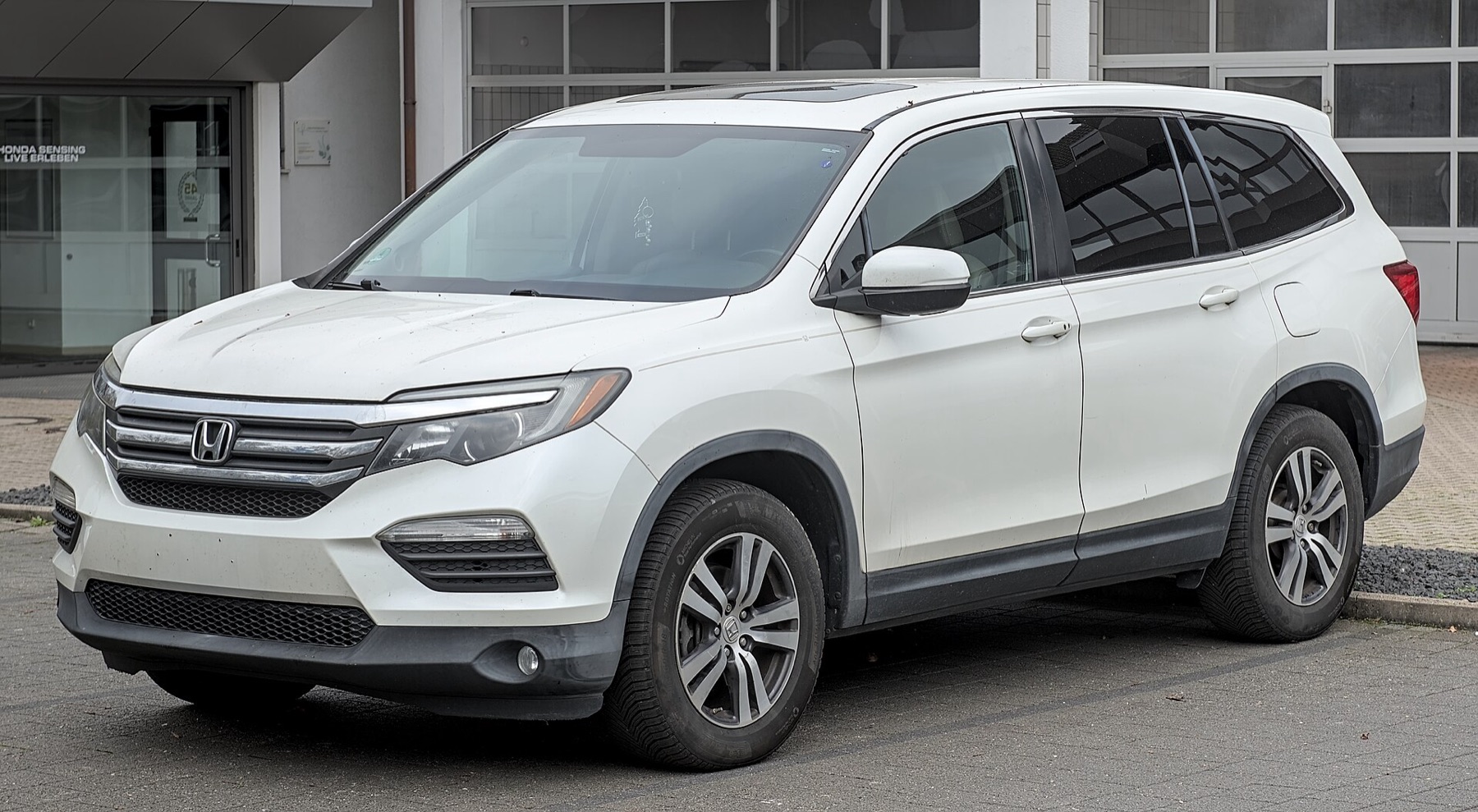
OEM vs aftermarket options by generation
Honda Pilot headlight choices break down along two axes: the generation/year range, and whether the assembly is genuine OEM or aftermarket.
How OEM assemblies are sold
OEM assemblies are the same part design Honda used on the production line. They’re typically listed by part number and year range. A Honda-focused retailer such as HondaFactoryParts, for instance, has a left headlight assembly for 2012-2015 Pilots identified by an OEM part number (33150-SZA-A11). That part fits that specific range of years and side of the vehicle.
Sites like HondaPartsNow’s Pilot headlight catalog show multiple assemblies across roughly 2003-2025 model years. Each listing is tied to particular years and sometimes trims, making it easier to avoid generic “fits all Pilots” claims.
For late-model Pilots (third and fourth generation), you’ll often see separate part numbers for halogen vs LED-equipped variants or for specific trims like Elite or Touring. Matching the part number before buying is the cleanest way to ensure fit.
How aftermarket assemblies are positioned
Aftermarket headlights are built by third-party manufacturers to mimic OEM fit and appearance. Collision-parts catalogs such as NationalAutoBody’s Honda Pilot headlight page usually:
- Organize listings by model year range (for example, 2006-2008 Pilot).
- Reference the original Honda OEM number to signal compatibility.
- Offer brands including TYC and other common collision suppliers.
Forum discussions among Pilot owners on sites like Piloteers.org frequently mention TYC as a known aftermarket brand, alongside reports of buying replacement units from marketplaces and salvage yards. These are anecdotal experiences, but they reflect how owners actually source non-dealer lights.
From a practical standpoint, aftermarket units are often cheaper and easier to find in bulk for older generations where OEM stock may be limited or expensive. The trade-offs can include small differences in lens clarity, projector quality, or long-term resistance to hazing.
OEM vs aftermarket: practical differences
Here’s a compact way to think about the choice by generation and use case:
| Use case / generation | OEM assemblies (dealer/OEM sites) | Aftermarket assemblies (catalogs/parts stores) |
|---|---|---|
| 2003-2008 (early Pilot) | Best for factory look and hassle-free fit; may cost more than vehicle value just for aesthetics. | Widely available; brands like TYC via collision catalogs; good for budget repairs and resale. |
| 2009-2015 (second generation) | Available by specific part numbers (e.g., 2012-2015 LH 33150-SZA-A11). Useful when factory specification and exact fit are priorities. | Common in catalogs with OEM cross-reference numbers; verify the manufacturer and exact fitment. |
| 2016+ (third/fourth generation) | Strong choice where LED/trim-specific differences matter; dealer/OEM sites give precise fitment by trim. | Available, but you must be very careful with trim and lighting type; using OEM numbers is essential. |
For bulbs alone, use the size and technology specified for the exact year, trim, and original headlamp assembly. Do not infer fitment from another Pilot model year or from a broad marketplace title.
Where to buy Honda Pilot headlights: mapping channels to buyer types
You have a relatively short list of real-world sourcing channels in the US. Each suits a different combination of budget, risk tolerance, and volume.
Dealer parts sites and Honda-focused OEM retailers
Dealer parts portals and Honda-specific online retailers are the most straightforward path for genuine-fit headlights:
- Dealer sites require you to pick year, model, and trim before showing headlamp components, which helps avoid mis-orders.
- Honda-focused sites like HondaPartsNow’s Honda Pilot section present multiple OEM assemblies across the full model-year span.
These channels fit:
- Owners repairing a late-model Pilot who want a VIN-matched factory part and have confirmed any warranty or insurance requirements with the relevant provider.
- Small resellers who want to offer “genuine Honda” replacements and are willing to carry higher-cost inventory with clearer fitment.
Online parts catalogs and auto-parts chains
Collision and body-part catalogs, plus brick-and-mortar auto-parts stores, are the main route for aftermarket assemblies and bulbs. A catalog like NationalAutoBody’s Honda Pilot headlight listings will show:
- Headlight assemblies grouped by year range.
- OEM reference numbers so you can match the part to Honda’s original design.
- Aftermarket brand codes (including TYC and similar suppliers).
These channels work well if you:
- Need a cost-effective replacement for an older Pilot.
- Are a small ecommerce seller building a catalog of compatible lights using OEM cross-reference numbers.
For bulbs, major chains and online parts stores typically let you select your Pilot by year, then show compatible low-beam and high-beam bulb types. That’s useful if your assemblies are fine and you’re just dealing with burnt-out lamps.
Marketplaces and used/OEM sourcing
Large marketplaces like eBay’s genuine OEM Honda Pilot headlight category aggregate listings from dismantlers, dealers, and individual sellers. You’ll find:
- Used OEM headlights pulled from salvage vehicles.
- New-old-stock OEM units.
- Some aftermarket assemblies described as OEM-style.
Pilot owners on Piloteers.org often mention eBay as a practical source, especially when dealer pricing is high or local stock is thin. Marketplace buying makes sense for:
- Individual owners willing to spend extra time checking photos, part numbers, and seller descriptions for signs of genuine OEM.
- Small resellers looking for opportunistic lots of used or surplus OEM assemblies to recondition and resell.
Because these listings come from many different sellers, you’ll need your OEM part number or exact year/trim handy and cross-check it against the listing description instead of trusting broad “fits 2003-2025” claims.
Salvage yards and recyclers
Local and national salvage yards round out the sourcing picture. Forum anecdotes show owners having success pulling complete OEM headlamp assemblies from donor Pilots, especially for older generations. This path can be attractive where:
- OEM new parts feel overpriced relative to vehicle value.
- You’re comfortable inspecting used parts for damage, hazing, or broken tabs.
For a small reseller, building inventory from salvage can be viable if you specialize in a few specific year ranges and can quickly test and clean assemblies.
Matching channels to scenarios
To make this concrete, here are two common buyer scenarios and the channels that usually fit.
Individual owner with a 2018 Pilot needing one replacement headlight
- Start by pulling the OEM part number from the existing lamp or a VIN-based lookup.
- Check a Honda OEM parts retailer (such as HondaPartsNow or a dealer portal) for a new assembly that matches the part number and trim.
- If that price is out of reach, cross-reference the OEM number in an aftermarket catalog and compare those assemblies, then optionally look for used OEM units on a marketplace using the same number.
Small ecommerce seller building a Pilot lighting category
- Choose specific year ranges (for example, 2006-2008, 2012-2015) and gather the OEM headlight part numbers for those years.
- Use collision-part catalogs and wholesale-friendly sites to source aftermarket assemblies that cross-reference those OEM numbers.
- Supplement stock with carefully selected used OEM headlamps from salvage yards or marketplaces, labeled clearly by year range and part number.
In both cases, the deciding factor isn’t just price—it’s how confident you are that the assembly matches your exact Pilot. Starting with OEM part numbers and year/trim fitment, then layering in your budget and channel preferences, keeps your headlight purchase from becoming a guessing game.