
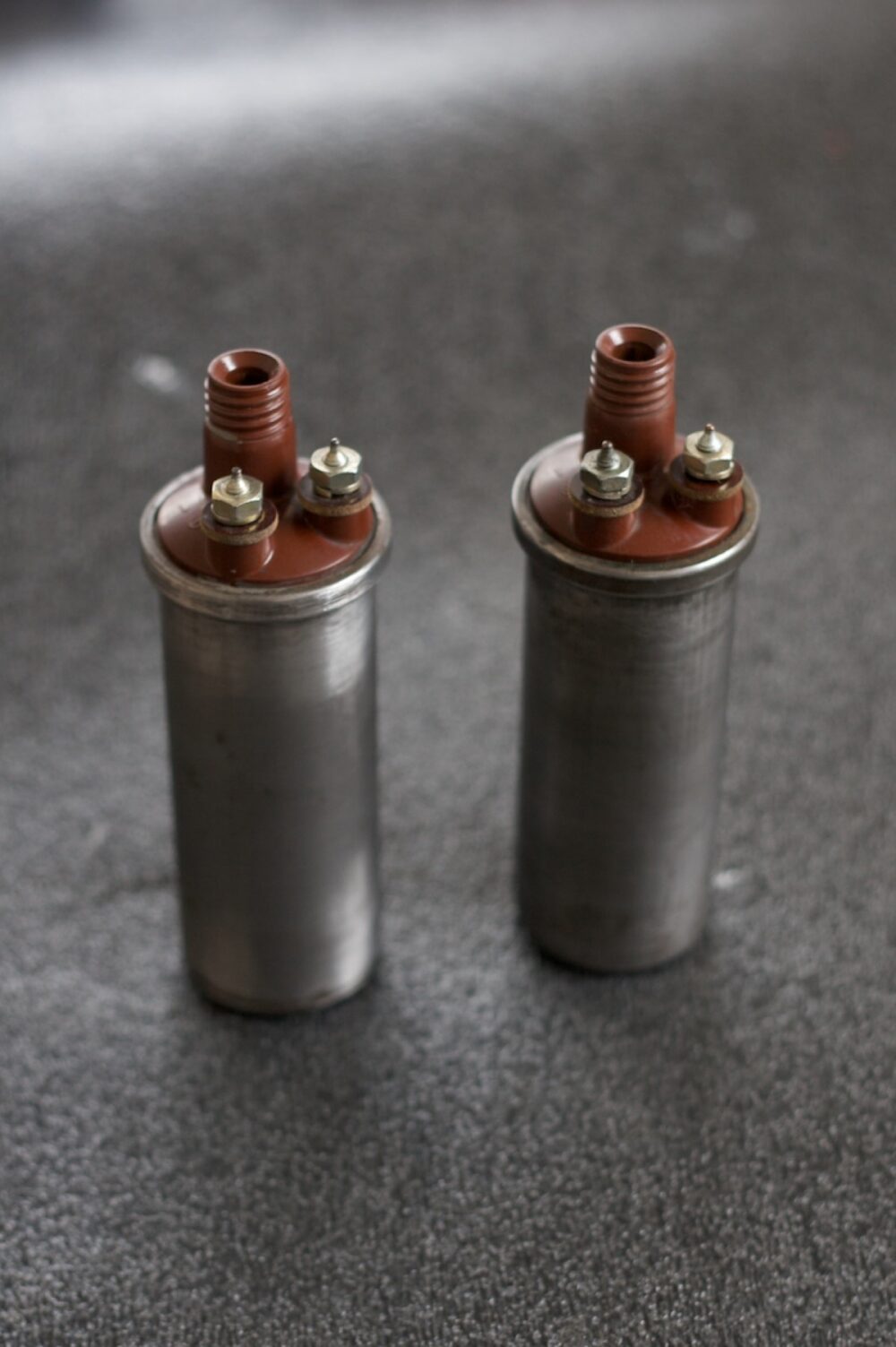
Honda Civic ignition and distributor coils are fairly easy to buy online, but the parts are not interchangeable across years. Older Civics with B- and D-series engines use a distributor with an internal coil, while newer Civics use separate ignition coils (often one per cylinder). Your first step is to match the coil or distributor type to your exact model and engine, then decide between OEM-style, general aftermarket, and performance-focused parts. From there you can compare domestic auto parts retailers, brand sites, and marketplaces by price, fitment details, and seller reputation before deciding whether a cross‑border order makes sense.
If you’re in the US, most of the examples and channels below will be directly relevant. Wherever you’re based, treat them as patterns for how to search and compare ignition parts online. Because ignition problems can overlap with other engine issues, it’s sensible to have a mechanic confirm the diagnosis before you start buying components.
How Honda Civic ignition and distributor coils work, and when you need them
The ignition coil is a small transformer that takes 12V battery power and turns it into the high voltage needed to fire your spark plugs. On many older Hondas, that coil lives inside the distributor housing. On newer Civics it’s part of a coil pack or a set of coil‑on‑plug units mounted directly on top of each spark plug.
You normally replace a coil or distributor when the engine starts misfiring, idling rough, hesitating under load, or turning on the check‑engine light with misfire codes. In some cases a failing coil can cause hard starting, stalling, or poor fuel economy. Distributors can also develop issues with internal sensors and caps/rotors, so owners often replace the whole unit rather than just the internal coil.
Small ecommerce sellers look at these components as consumable service parts: they wear out on high‑mileage cars and are a steady demand item. There’s also an upgrade market—performance coils promise more consistent spark at high RPM or under boost, which matters for tuned turbo Civics.
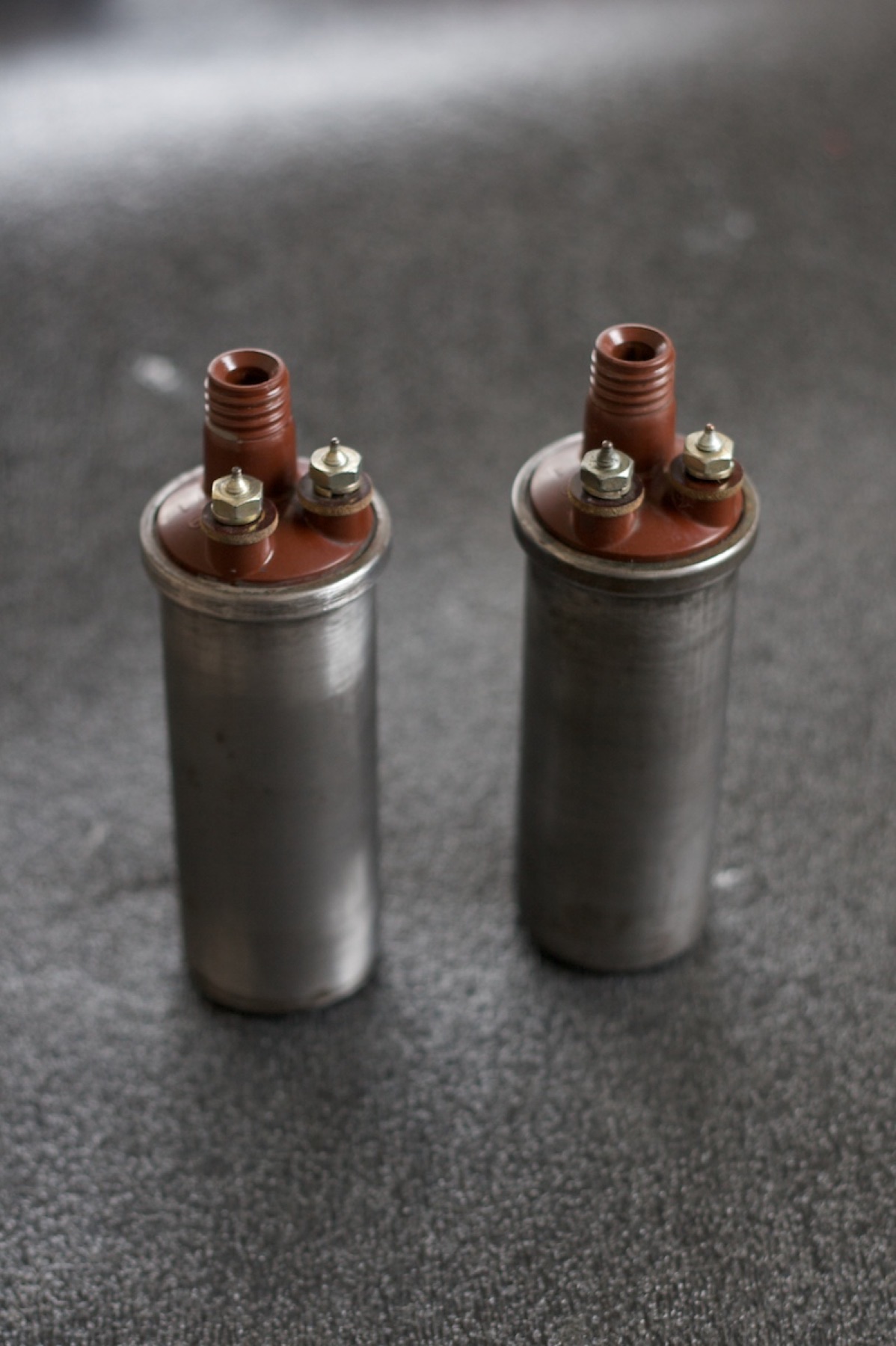
Matching coil and distributor types to your Civic’s year, engine, and use case
Honda used different ignition layouts across Civic generations, so you can’t just buy a generic “Civic coil” and expect it to fit.
Distributor-based Civics and internal coils
Many B- and D-series Honda engines use a distributor with an internal coil. For these, the replacement part may be sold as a standalone distributor coil or as part of a complete distributor assembly. Retailers specializing in Honda tuning and maintenance sell OEM‑style internal coils that explicitly call out compatibility with B- and D-series distributors, such as units listed for D- and B-series engines on sites like JHPUSA’s Honda ignition coil page.
If your Civic falls into that era and still runs its original distributor, you’ll need to match the distributor code and engine series, not just the model name. For small resellers, stocking a few common B/D‑series distributor coils can serve the 90s enthusiast market but you’ll want clear fitment notes to avoid returns.
Coil-on-plug and coil pack Civics
Later Civics moved to individual coils per cylinder. These are often sold as:
- Single coils for a given cylinder
- Multi‑packs (e.g., sets of four coils for a four‑cylinder Civic)
Large auto parts retailers in the US, such as listings in AutoZone’s Honda Civic ignition coil section, show coils and coil packs across multiple Civic model years and engines. You’ll see different brands and part numbers tied to specific years and displacements.
Online marketplaces also carry multi‑packs. For example, Amazon has listings for four‑piece 3‑pin ignition coil sets explicitly described as compatible with certain mid‑2000s Civics, like this YHTAUTO 4PCS coil pack example. These sets appeal to DIY owners and small shops because you can replace all coils at once and simplify inventory.
OEM-style, general aftermarket, and performance coils
You’ll typically see three broad categories:
- OEM-style / genuine-equivalent: Branded as matching original specifications, often at higher cost. Good for daily drivers where reliability matters more than marginal performance.
- Economy aftermarket: House brands from major retailers or generic brands on marketplaces. These are cheaper and popular for budget repairs but can vary in durability.
- Performance coils: Targeted at late‑model Civics, often marketed to tuned or track cars. For example, performance brands like Mishimoto sell single ignition coils specifically for 2016-2021 Honda Civics, as shown on their 2016-2021 Civic ignition coil product page. These focus on high‑quality materials and stable spark under demanding conditions.
If you’re running a stock engine, OEM-style or solid midrange aftermarket coils are usually sufficient. Performance coils make more sense for modified cars, but they’re still a replacement option for owners who want brand-name assurance.
Where to buy Honda Civic ignition and distributor coils online and how to judge value
You have several distinct online channels for Civic ignition parts. Each has different strengths for price, fitment confidence, and breadth of options.
Common online channels for Civic ignition parts
Here’s an overview of where coils and distributors show up online:
| Channel type | Typical examples | Strengths for Civic ignition parts |
|---|---|---|
| Auto parts retailers (US-focused) | AutoZone ignition coil listings; NAPA ignition/engine management categories | Structured fitment by year/engine, known brands, organized component groups |
| Performance / brand sites | Mishimoto 2016-2021 Civic ignition coil | Performance-focused designs aimed at specific modern Civic applications |
| General marketplaces | eBay ignition systems for Honda Civic; Amazon multi-pack coil sets | Wide variety of coils, distributors, and bundles from many sellers |
| Specialist Honda tuners | JHPUSA B/D-series distributor coil listings | Deep knowledge of older Civic engines and OEM-style distributor parts |
US‑oriented retailers like AutoZone group Honda Civic ignition coils under dedicated pages where you can filter by year and engine, helping you avoid mis‑orders. Parts networks such as NAPA also organize Civic ignition and engine management components into model‑specific categories, as seen on NAPA’s Civic ignition & engine management section.
Marketplaces such as eBay’s Honda Civic ignition systems & components area show everything from individual coils to distributors and wiring, often with multiple brands and conditions (new vs used). That breadth is useful if you’re chasing rare or older parts, but it also means you must pay close attention to fitment notes and seller history.
Practical value checks for individual owners
For single‑car buyers, value is mainly about avoiding repeat repairs and mis‑ordered parts:
- Use year/engine filters on retailer sites and double‑check the engine code or VIN.
- Prefer listings that clearly list compatible Civic years and engines, not just “fits Honda”.
- Check whether coils are sold individually or as a set; a full set may save labor if the car has high mileage.
- Treat ultra‑cheap, unbranded coils with caution—ignition electronics that fail early can create misfires and damage catalytic converters.
If your Civic is stock and you don’t track the car, midrange aftermarket from a structured retailer usually balances cost and reliability. Performance or boutique brands make more sense once you’re tuning or pushing the engine harder.
Sourcing paths and risk control for small resellers
Small ecommerce businesses reselling Civic ignition parts have a different calculus: you care about margin, repeatability, and minimizing complaint rates.
A practical starting pattern is:
- Identify a narrow fitment niche. For example, mid‑2000s Civic coil packs or 90s B/D‑series distributor coils. This makes SKU management and listing descriptions much tighter.
- Anchor on at least one reputable domestic source. Use auto parts retailers or specialist Honda tuners to validate part numbers and physical design before considering cross‑border purchases of similar parts.
- Test sample batches before scaling. If you move into cross‑border sourcing for economy coils, buy small quantities and watch for early failures and customer feedback before committing.
- Invest in clear fitment information. Returns often stem from buyers ordering coils for the wrong engine or year. Mirroring the year/engine structure you see on retailers and marketplaces helps reduce that risk.
Because ignition components are critical to drivability, your reputation depends heavily on quality. A slightly higher wholesale cost on reliable coils can be cheaper than dealing with misfire complaints, returns, and negative reviews.