
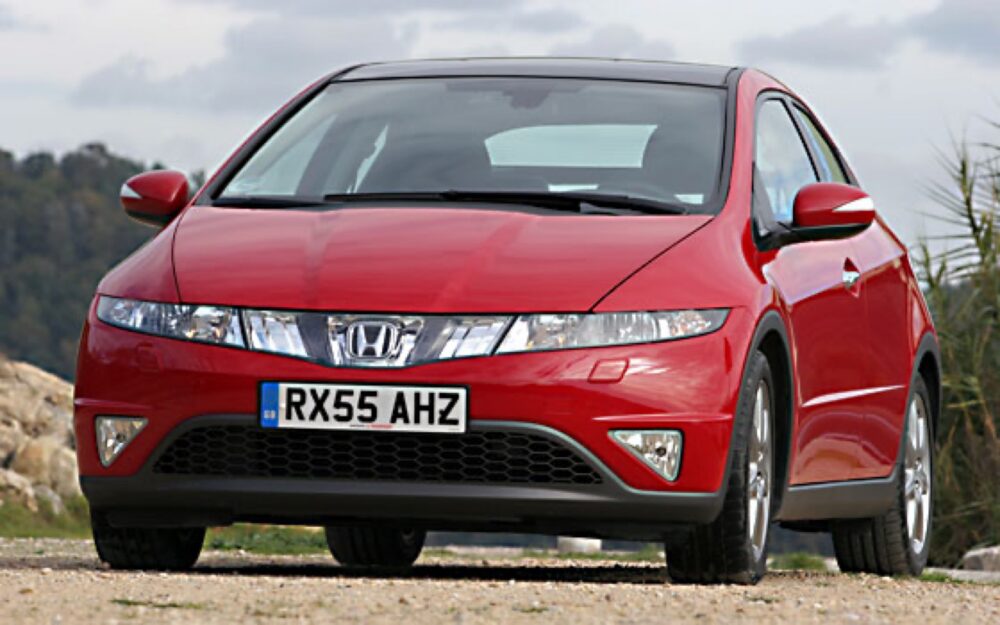
Honda Civic front and rear bumpers are sold through Honda dealers, mainstream US parts retailers, big marketplaces, and niche tuning sites. OEM-grade bumper covers that match a specific trim and color are usually tied to Honda’s parts catalog and dealership inventory, while aftermarket and styling options appear more broadly online. For a typical late-model Civic (roughly 2022-2026 model years), you’ll pick between OEM replacement covers, primed aftermarket covers you paint to match, or more aggressive styling/performance pieces sourced from specialty vendors.
What a Civic bumper actually includes and why fitment is strict
On a modern Honda Civic, “front bumper” and “rear bumper” usually mean the outer plastic bumper cover plus related trim. Underneath that cover is the impact structure and energy-absorbing components, which you normally don’t replace unless the car had more serious damage. Retail parts listings for new vehicles often describe bumpers as body-color pieces with specific trim accents or contrasting inserts, showing how styling and trim level are baked into the design from the factory.kengarff.com
Fitment is generation- and trim-specific. Civic generations run in multi-year blocks, and retailers group parts by those ranges. Large US stores list accessories and parts labeled for “Honda Civic 2022-2026,” which signals support for the current Civic generation rather than a single year.walmart.com For bumpers, small changes in body style, sensors, or exterior packages can mean a different part number, so you need:
- Exact model year
- Body style (sedan, hatchback, performance variant)
- Trim level and any driver-assistance or parking sensor packages
Dealer sites built around selling new Hondas and related services connect that trim information to OEM parts catalogs.tempehonda.com That’s why many owners or shops go through a Honda parts counter when they must match the car exactly.
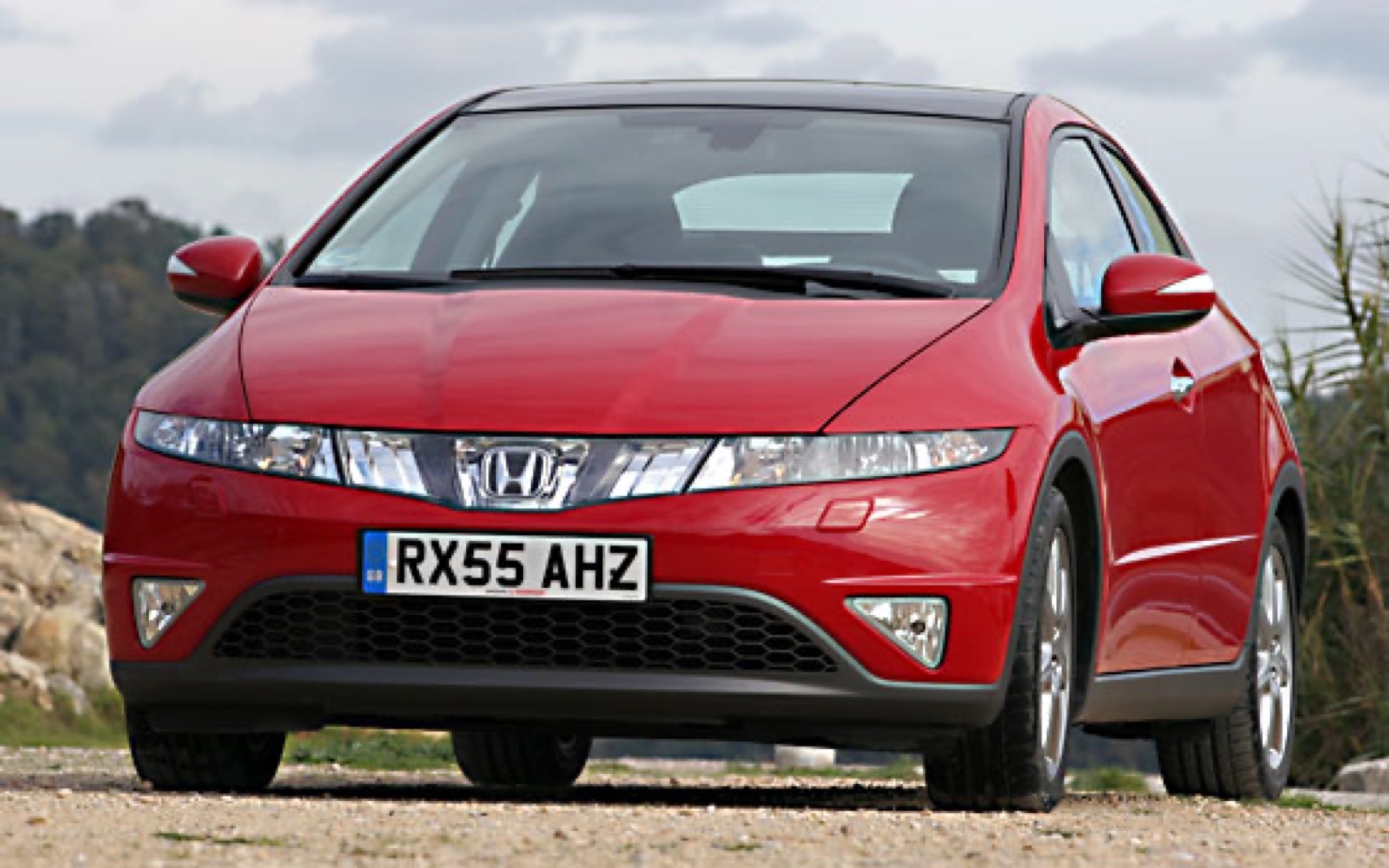
OEM, aftermarket, and styling bumpers: how they differ
For a Civic owner or small seller, bumper options fall into three broad buckets. Here’s the practical comparison:
| Bumper type | What it usually is | Who it suits best | Typical tradeoffs |
|---|---|---|---|
| OEM replacement cover | Honda part number, factory-style cover matched to VIN/trim | Insurance repairs, late-model daily drivers | Highest fit confidence, higher cost |
| Aftermarket replacement | Primed, ready-to-paint cover copied from OEM shape | DIY repairs, budget-conscious shops | Lower cost, variable fit/finish |
| Styling/performance bumper | Redesigned cover or add-on lips/diffusers, hardware kits | Enthusiasts, niche resellers | Unique look, may alter clearance/sensors |
OEM bumper covers are the closest thing to a guaranteed match. A dealer parts department looks up your Civic by VIN and pulls the cover that corresponds to your exact build. This route is common for insurance jobs and newer cars where preserving factory appearance matters.
Large marketplaces list “primed, ready-to-paint” Civic front bumper covers as direct replacements for OEM designs.amazon.com These aftermarket covers are built to bolt up to stock mounting points but are usually shipped unpainted; you (or a body shop) paint them to your car’s color. Fit and plastic quality can vary between manufacturers, so you’re trading price for a bit more risk and prep work.
Styling and performance options go further. Enthusiast-oriented vendors sell rear hardware kits and other components specifically for 2016-2025 Civics, backing up that these generations have strong aftermarket support.blackopsautoworks.com Full bumper conversions and aggressive lips or diffusers change the look and may tweak aerodynamics, but they often require extra brackets, hardware, and sometimes trimming.
If you’re a small ecommerce seller, OEM-equivalent aftermarket covers and popular styling pieces tend to be more practical than OEM parts. True OEM parts are typically sourced one-off per VIN and don’t make sense to stock in bulk, whereas aftermarket covers and styling kits can be sold to any owner within a generation range.
Painting, hardware, and installation dependencies
Most replacement Civic bumper covers—OEM or aftermarket—do not arrive pre-painted unless you’re buying a used take-off in the right color. OEM covers ordered new often come primed, ready for base coat and clear. Aftermarket covers are frequently advertised the same way on marketplaces: primed, ready-to-paint.amazon.com
That means your total project includes:
- The bumper cover itself
- Separate grille inserts, fog light bezels, and trim if they’re not reused
- Paint materials and either body-shop labor or your own time
- Mounting hardware, clips, and brackets
Niche vendors selling rear hardware kits for 2016-2025 Civics highlight how critical correct fasteners are for keeping panels aligned and secure.blackopsautoworks.com If you’re repairing a car that had impact damage, plan on replacing at least some clips and possibly the underlying absorber or reinforcement.
For modern Civics equipped with parking sensors, adaptive cruise sensors, or front cameras, you also have to account for sensor mounts and aiming. A bumper cover that technically bolts on but doesn’t position sensors correctly can cause warning lights or reduced function. That’s one reason insurance jobs and late-model daily drivers often stick with OEM or high-quality OEM-style covers.
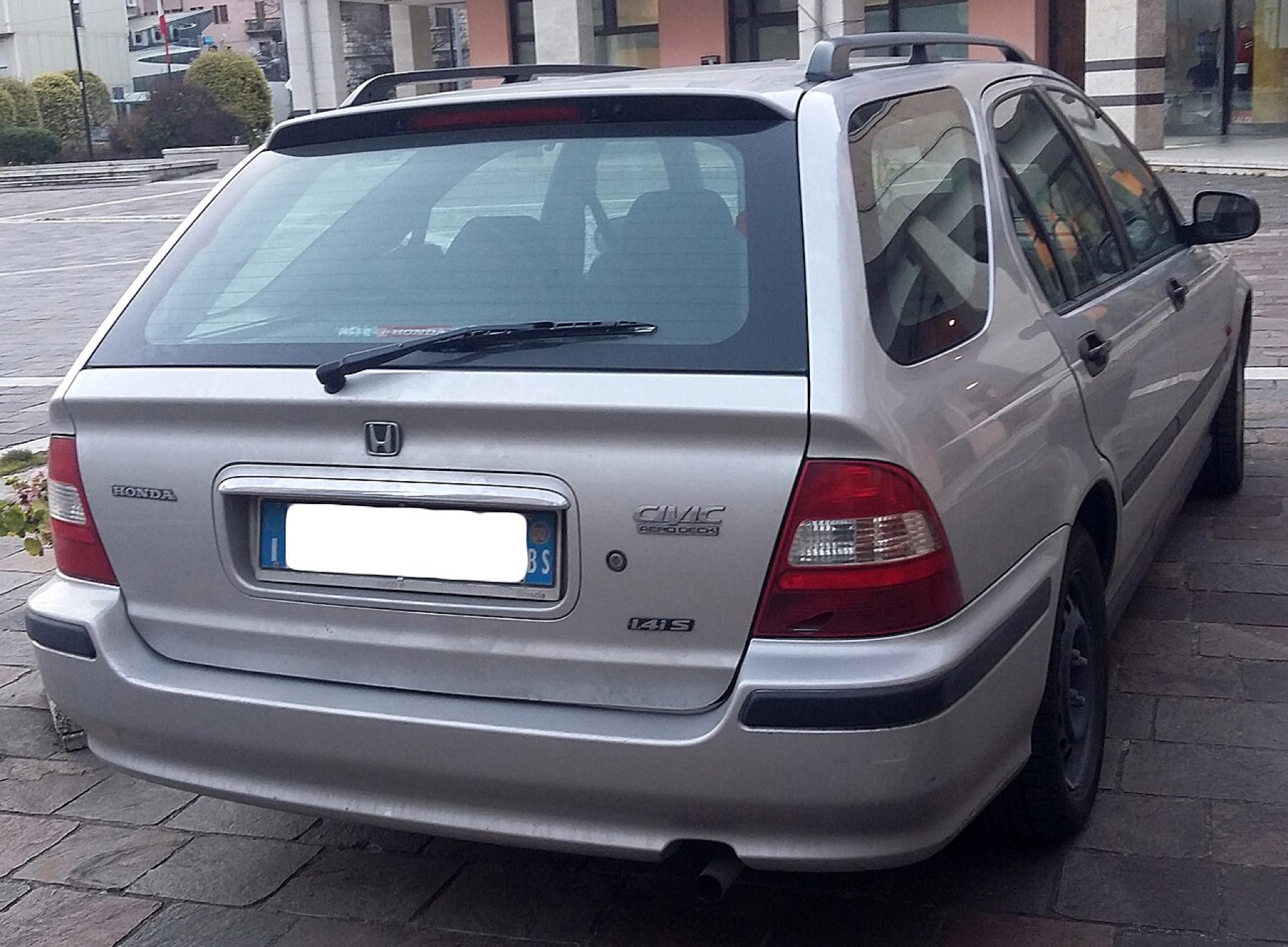
Where to buy Civic bumpers in the US and which channel fits your use case
US buyers have four main channels for Civic bumpers:
- Honda dealers and their parts counters
Dealer websites are built around selling new Hondas and providing service.hondaofreseda.com Parts are usually a dedicated department you contact by phone, online form, or in person. This is the most direct route for OEM bumper covers tied to a VIN, and it’s aligned with insurance work, leased vehicles, and owners who want seamless factory appearance.
- Major US parts and accessory retailers
Large retailers and their online catalogs list Civic parts and accessories for ranges like 2022-2026, covering the current generation.walmart.com They may offer OEM-branded components, OEM-style aftermarket covers, and a mix of trim pieces. This channel suits DIY repairs and local body shops that balance cost and availability.
- General online marketplaces
Big marketplaces host many listings for primed, ready-to-paint Civic front bumper covers and related components.amazon.com As a buyer, you get broad selection and shipping to your door, but you need to pay close attention to the fitment notes, model-year ranges, and return policies. For a small reseller, marketplaces can be a source for testing which fitments and styles actually move before you commit to stocking specific SKUs.
- Niche tuners and performance shops
Enthusiast vendors focusing on 2016-2025 Civics sell hardware kits and performance-oriented parts tailored to those generations.blackopsautoworks.com Many also offer bumper lips, diffusers, and full conversion kits. This is the best fit if your goal is styling or performance rather than a subtle repair.
Quick scenarios
- DIY owner fixing a low-speed front hit on a 2023 Civic: An aftermarket primed front cover from a large marketplace or parts retailer plus local painting can keep costs down, as long as you verify the exact trim and sensor configuration in the listing.
- Body shop handling an insurance claim: OEM bumper covers via the Honda dealer parts counter align with insurer expectations, documented part numbers, and consistent fit.
- Small ecommerce seller building inventory: Focus on common generation ranges (for example, 2016-2021, 2022-2026) and stock a mix of popular aftermarket covers and styling kits. Use niche tuners for halo products, and general marketplaces or distributors for volume-friendly replacement covers.
Whichever channel you choose, match the bumper to the Civic’s generation and trim first, then factor in painting, hardware, and installation. That sequence saves you from ordering a part that technically fits the generation but doesn’t work for your specific car or customer base.