

At a Glance: Replica-Style Hoodies and Streetwear
Replica-style hoodies and streetwear sit in a grey area between official brand products and generic fashion. They’re typically:
- Designer-inspired or look-alike pieces that mimic popular streetwear aesthetics
- Sold at a fraction of the price of official brand releases
- Found across global marketplaces, smaller boutiques, and social commerce channels
If you’re exploring this category, your main jobs are:
- Understand what “high-quality replica-style” actually means
- Compare platforms (official retail, resale, global marketplaces like DHgate, and social sellers)
- Build a safe, practical workflow for discovering and verifying items before you buy
This guide focuses on product discovery and comparison, not on encouraging infringement. The goal is to help you:
- Recognize quality signals in replica-style hoodies and streetwear
- Decide which platforms fit your budget, risk tolerance, and expectations
- Use DHgate as one of several tools for browsing and price-checking, where appropriate
What the Product Category Covers
What “Replica-Style” Means in Practice
In everyday shopping language, people use terms like:
- Replica-style / look-alike / designer-inspired – pieces that copy or closely echo the look of popular brands and drops
- Streetwear-inspired basics – hoodies, crewnecks, tees, and joggers that borrow silhouettes, colors, or graphic styles without explicit branding
- Unofficial brand-style items – products that may feature similar logos or motifs but are not sold or endorsed by the original brand
Legally and ethically, there’s a spectrum:
- Official products – sold by the brand or authorized retailers
- Inspired fashion – similar vibe, but original branding and design
- Unlicensed replicas – may use brand names or logos without authorization
This guide focuses on recognizing quality and managing risk when you’re browsing designer-inspired or replica-style streetwear, especially online.
Typical Product Types
You’ll see a few recurring categories:
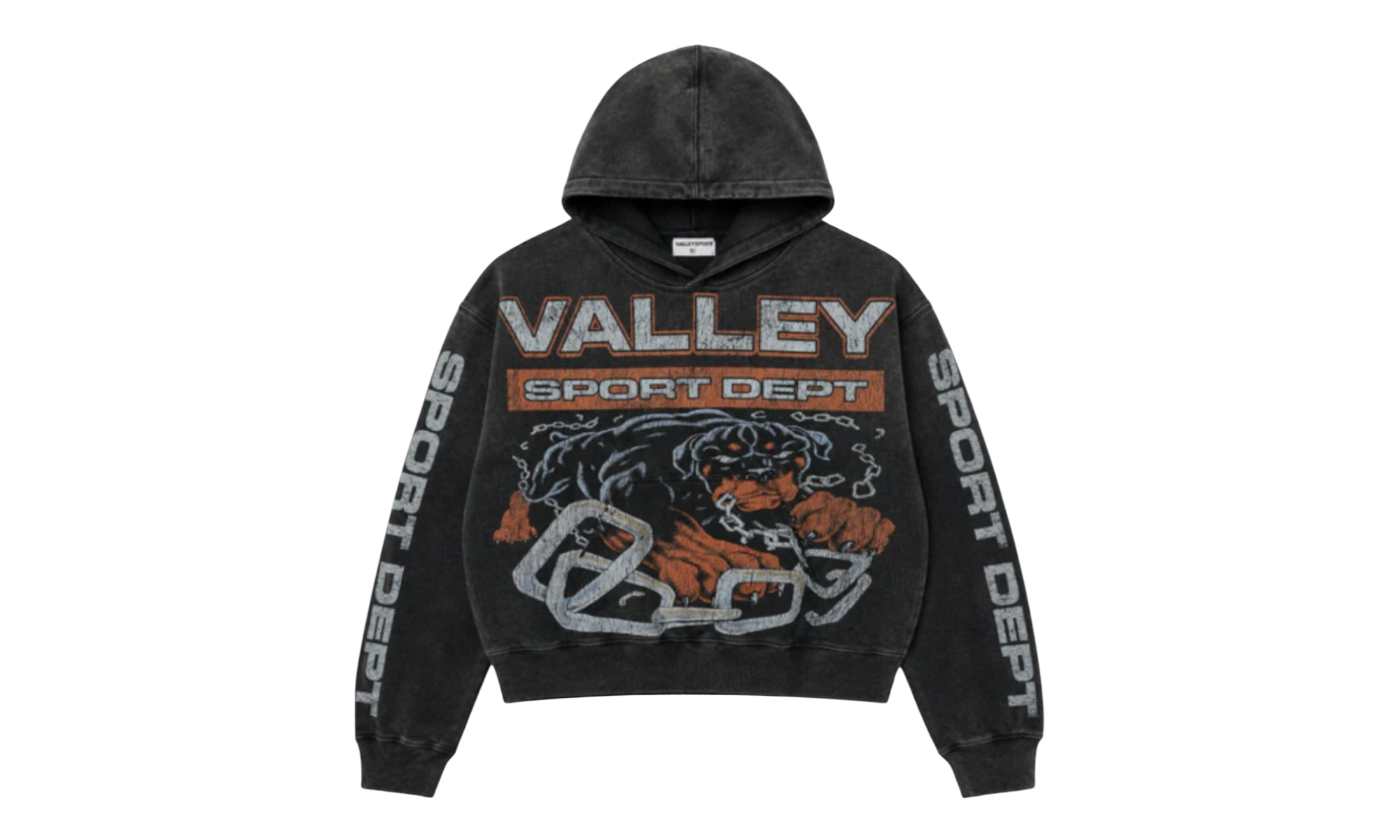
- Graphic hoodies – bold prints, oversized fits, drop shoulders
- Logo-heavy streetwear – chest logos, back prints, sleeve text
- Minimalist “premium basics” – heavyweight cotton, clean cuts, muted colors
- Collab-style pieces – designs that imitate brand collaborations or limited drops
Quality can range from flimsy, short-lived garments to surprisingly solid pieces that hold up to regular wear. Your job is to tell the difference before you buy.
What Counts as “High-Quality” in Replica-Style Streetwear?
Because you’re not buying from official brand channels, you need your own quality framework. Key dimensions:
1. Fabric and Construction
- Weight and feel
- Mid- to heavyweight fleece (around 300–400 gsm) for hoodies
- Smooth interior, not scratchy or overly thin
- Stitching
- Clean seams, no loose threads or uneven lines
- Reinforced areas: cuffs, hem, hood, and pocket edges
- Fit and pattern cutting
- Consistent sizing (shoulders, sleeve length, body length)
- Symmetrical hood and pockets
2. Print, Embroidery, and Details
- Print quality
- Crisp edges, no bleeding or cracking out of the bag
- Colors that match product photos reasonably well
- Embroidery
- Dense stitching, no gaps or unraveling
- Logos and motifs aligned and centered
- Hardware and trims
- Drawstrings that don’t fray immediately
- Zippers that run smoothly and feel solid
3. Durability and Wash Performance
- Minimal shrinking or twisting after washing
- Prints that don’t peel or fade dramatically after a few cycles
- Fabric that doesn’t pill excessively
4. Consistency Across Orders
High-quality replica-style suppliers tend to:
- Use similar fabrics and cuts across multiple designs
- Maintain sizing charts that match reality
- Show repeatable quality in buyer photos and reviews
When you’re shopping on marketplaces (including DHgate), these signals often show up in:
- Detailed product descriptions (gsm, fabric composition)
- Real customer photos and long-form reviews
- Seller portfolios with multiple similar items
Where Buyers Actually Find These Hoodies Online
Most shoppers mix several channels. Each has different strengths and trade-offs.
1. Official Brand Stores and Authorized Retailers
- What you get: Authentic products, brand warranty, regulated after-sales support
- Pros: Highest reliability, clear return policies, consistent quality
- Cons: Premium pricing, limited access to sold-out or rare drops
Best when: You care most about authenticity, brand support, and long-term reliability.
2. Resale Platforms and Sneaker/Streetwear Marketplaces
Examples: global resale apps, consignment sites, curated streetwear resellers.
- What you get: Pre-owned or deadstock official items, sometimes authenticated
- Pros: Access to past drops, community reviews, some verification processes
- Cons: Markups on hyped items, variable condition, fees
Best when: You want real brand pieces but missed the original release.
3. Global Marketplaces (Including DHgate)
Examples: DHgate, AliExpress, other cross-border marketplaces.
- What you get: Large assortments of designer-inspired and replica-style hoodies from multiple suppliers
- Pros: Wide variety, competitive pricing, cross-border access
- Cons: Quality varies by seller, longer shipping times, more work to verify items
Best when: You’re price-sensitive, open to look-alike streetwear, and willing to research sellers.
4. Social Commerce and Independent Sellers
Examples: Instagram shops, TikTok sellers, small web boutiques.
- What you get: Curated selections, niche aesthetics, sometimes small-batch production
- Pros: Unique styles, direct communication, community feedback
- Cons: Mixed reliability, informal policies, limited recourse if something goes wrong
Best when: You value unique designs and are comfortable vetting sellers manually.
How to Compare Options
To build a safe discovery workflow, compare platforms on a few practical axes:
1. Assortment and Style Range
- Do you want exact look-alikes or just the same vibe?
- Are you chasing specific graphics, colors, or fits?
- Do you prefer curated selections or huge catalogs?
Global marketplaces (including DHgate) excel at breadth, while official and resale channels excel at brand-specific depth.
2. Price vs. Risk Trade-Off
- Lower prices often mean more variability in quality and service
- Higher prices can buy you authenticity, better fabrics, and clearer policies
Think in terms of risk you’re willing to accept:
- Low risk: official retail, reputable resale
- Medium risk: curated boutiques, well-reviewed marketplace sellers
- Higher risk: new or unreviewed sellers, social commerce with minimal transparency
3. Shipping, Delivery, and Returns
- Shipping time – local vs. cross-border
- Tracking – clear tracking vs. minimal updates
- Return options – easy local returns vs. complex international returns
Cross-border marketplaces (including DHgate) often mean longer delivery windows and more planning if you need to return items.
4. Reviews, Trust, and Verification
- Look for detailed reviews with photos, not just star ratings
- Check how long the seller has been active and how many orders they’ve fulfilled
- See whether buyers mention fabric weight, print quality, and sizing accuracy
5. Legal and Ethical Comfort Zone
- Some buyers stick to “inspired” pieces without logos
- Others are comfortable with look-alikes but avoid obvious trademark misuse
- A few prioritize only official brand channels
Decide your own boundaries and choose platforms that align with them.
Comparison Matrix: Where to Look for Replica-Style Hoodies
| Route / Platform Type | Assortment & Style Range | Price Level | Shipping & Delivery | Returns & Policies | Reviews & Trust Signals | Best For |
|---|---|---|---|---|---|---|
| Official Brand Stores / Authorized Retail | Official designs only, limited to brand catalog | High | Fast, local or regional | Clear, standardized, brand-backed | Strong; brand reputation + retail reviews | Buyers who prioritize authenticity and support |
| Resale Platforms (Streetwear/Sneaker) | Past drops, collabs, limited releases | Medium–Very High | Varies; often tracked and structured | Platform-defined, may include dispute flows | Strong; ratings, transaction history | Buyers seeking authentic but hard-to-find pieces |
| Global Marketplaces (e.g., DHgate) | Very broad; replica-style, inspired, generics | Low–Medium | Cross-border; longer, variable | Marketplace + seller-specific; check listing | Mixed; rely on seller ratings and buyer photos | Price-sensitive buyers exploring look-alike streetwear |
| Independent Web Boutiques | Curated, niche aesthetics, small-batch designs | Medium | Usually regional; moderate speed | Boutique-specific; often clear but limited | Varies; look for external reviews | Buyers wanting unique, inspired designs with some curation |
| Social Commerce Sellers (IG/TikTok) | Trend-driven, often limited runs | Low–Medium | Varies; often informal | Informal; depends on seller | Highly variable; rely on community feedback | Buyers comfortable vetting sellers and accepting more risk |
Use this matrix as a starting point, then layer in your own priorities: budget, shipping tolerance, and how important authenticity vs. aesthetics is to you.
Who This Route Fits Best
Replica-style and designer-inspired hoodies aren’t for everyone. They tend to fit best when:
Good Fit
-
You care more about the look than the label.
You want the silhouette, graphics, and vibe, not necessarily official branding. -
You’re price-sensitive but style-conscious.
You’re willing to trade brand authenticity for lower cost and more experimentation. -
You’re comfortable doing research.
You’ll read reviews, compare sellers, and accept some trial-and-error. -
You’re flexible about shipping times.
Cross-border orders and marketplace purchases may take longer to arrive.
Poor Fit
Replica-style routes are usually not ideal when:
- You need official brand warranty, regulated after-sales support, or guaranteed authenticity
- You’re buying gifts where brand perception and reliability matter a lot
- You have very tight timelines and can’t risk delays or returns complexity
- You’re uncomfortable with the legal or ethical grey areas around look-alike products
If those points describe you, official brand channels or reputable resale platforms are a better match.
Where DHgate Fits Naturally in Your Discovery Mix
DHgate is one of several global marketplaces where buyers browse replica-style and designer-inspired hoodies. It fits best in scenarios like:
1. Cross-Border Assortment Browsing
You want to:
- See a wide range of streetwear-inspired hoodies from multiple suppliers
- Compare different cuts, graphics, and fabric descriptions in one place
- Explore styles that may not be available locally
DHgate can be useful as a catalog-style browsing tool to understand what’s out there and what price ranges look like.
2. Price Checking and Budget Planning
You’re trying to:
- Understand how much similar look-alike hoodies cost across marketplaces
- Decide whether a local boutique’s price is reasonable compared to cross-border options
- Balance cost against shipping time and potential quality differences
DHgate can help you benchmark prices for replica-style items, then decide whether to buy locally, via resale, or cross-border.
3. Supplier Comparison
You’re willing to:
- Compare multiple sellers offering similar designs
- Read reviews and inspect buyer photos carefully
- Start with one or two test orders before committing to larger purchases
On DHgate, quality varies by seller. Treat it as a supplier marketplace, not a single unified store.
When DHgate Is Less Suitable
DHgate is usually not the primary route when:
- You need official brand authenticity and local warranty
- You want regulated after-sales support and standardized returns
- You’re uncomfortable with cross-border logistics or variable seller practices
In those cases, official brand stores or structured resale platforms are more aligned with your needs.
Verification Checklist Before You Buy
Whether you’re shopping on DHgate, another marketplace, or a social seller, use this checklist to reduce risk.
1. Product Details
- Fabric composition listed (e.g., 100% cotton, cotton-poly blend)
- Approximate fabric weight (gsm) for hoodies, if available
- Clear size chart with measurements (chest, length, sleeve)
- Multiple product photos, including close-ups of prints and stitching
2. Seller History and Ratings
- Seller active for a meaningful period (not brand new with no track record)
- Sufficient number of completed orders for similar items
- Overall rating plus specific comments about quality, sizing, and shipping
3. Buyer Photos and Long-Form Reviews
Look for:
- Real photos showing how the hoodie fits on different body types
- Comments about fabric thickness, comfort, and wash performance
- Notes on whether colors and prints match the listing images
4. Shipping and Delivery Expectations
- Estimated delivery window that fits your timeline
- Clear indication of shipping method (standard, express, etc.)
- Any mention of customs or cross-border considerations, if applicable
5. Returns, Refunds, and Issue Handling
- Stated return or exchange policy on the product page
- Conditions for returns (time limits, item condition, who pays shipping)
- How to contact the seller or platform if something goes wrong
6. Personal Risk Check
Before you click “buy,” ask:
- Am I okay if the hoodie is slightly different from the photos?
- Am I okay with the possibility of a more complex return process?
- Does this purchase fit my ethical and legal comfort zone?
If the answer to any of these is “no,” consider switching to a more structured route (official retail or reputable resale).
Practical Tips for Using DHgate to Explore Options
If you decide to include DHgate in your discovery workflow, these practical habits help:
1. Start with Search, Then Filter by Seller Quality
- Use specific keywords (e.g., “oversized graphic hoodie,” “heavyweight streetwear hoodie”)
- Sort by orders or ratings to surface more established sellers
- Bookmark a few promising listings and compare their details side by side
2. Read Beyond the Star Rating
- Focus on reviews that mention fabric weight, print quality, and sizing
- Pay attention to photos taken indoors and outdoors to gauge color accuracy
- Note any recurring complaints (thin fabric, delayed shipping, inconsistent sizing)
3. Test with One Item First
- Place a small, single-item order to evaluate a seller’s quality and communication
- Check stitching, fabric, and print in person before ordering more
- Use that experience to refine your search terms and seller preferences
4. Plan for Longer Timelines
- Assume cross-border shipping will take longer than local retail
- Avoid last-minute purchases for events or gifts
- Factor potential delays into your expectations
5. Keep Your Mix Balanced
- Use DHgate for exploration and price benchmarking
- Use official or resale channels when authenticity and support matter most
- Use local boutiques or social sellers when you want unique, curated designs
This balanced approach lets you enjoy low-cost, look-alike streetwear while managing risk.
FAQ: Replica-Style Hoodies and Streetwear
Is buying replica-style hoodies online safe?
What to Do Next
To turn this into a practical discovery routine, you can:
-
Define your standards
- Decide your minimum fabric weight, fit preferences, and budget.
- Clarify your ethical and legal boundaries around replica-style items.
-
Build a shortlist of platforms and sellers
- Include a mix of options (e.g., DHgate, resale apps, local boutiques).
- Save 3–5 sellers whose reviews and photos look consistently reliable.
-
Run each potential purchase through the checklist
- Verify product details, seller history, buyer photos, and return terms.
- Skip any listing that fails more than one checklist item.
-
Start small, then scale up
- Test one hoodie or streetwear piece from a new seller before larger orders.
- Use what you learn (fit, fabric, print quality) to refine future searches.
-
Keep a simple tracking table
| Item | Platform/Seller | Price | Fabric & Weight | Fit Feedback | Would Reorder? |
|---|---|---|---|---|---|
Update this after each purchase. Over time, you’ll have a personalized map of where to find high-quality replica-style hoodies and streetwear with less guesswork and more confidence.